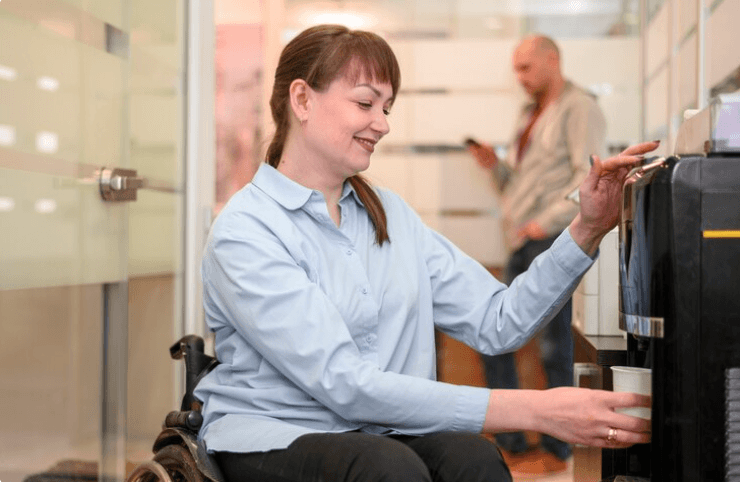
Accessible entry systems are becoming an increasingly important part of modern housing. When discussing entry upgrades for SDA SIL home modifications, there is no single solution that suits every property. Some people may benefit from automated entry systems, while others may prioritise simplified access control, video communication, or easier access for support workers. In many cases, these conversations are part of broader disability home modification planning that involves occupational therapists, builders, carers, technology providers, and housing stakeholders.
This article explores common accessibility challenges and practical entry solutions to create more accessible, user-friendly environments. Let’s get started!
Understanding SDA, SIL and Home Modification Planning
Before exploring specific entry upgrades for SDA SIL home modifications, it helps to understand how SDA, SIL, and accessibility planning often work together in real-world housing discussions.
What SDA and SIL Mean in Everyday Housing Discussions
Specialist Disability Accommodation (SDA) refers to housing designed for people with high support needs or significant functional impairment. These homes are often built or modified with accessibility in mind, incorporating features that improve safety, mobility, and daily living outcomes.
Supported Independent Living (SIL), on the other hand, focuses more on the support services that help participants live independently. SIL arrangements may involve shared accommodation, individual apartments, or modified homes where support workers assist with daily tasks.
Not every participant requires SDA housing, and many accessibility improvements can also be relevant in standard homes, apartments, or shared accommodation. In practice, conversations around SDA home entry and accessibility often involve multiple stakeholders, including participants, families, support coordinators, occupational therapists, builders, and technology providers.
Why Entry Accessibility Is Often Part of Broader Home Planning
Entry systems affect far more than simply opening and closing doors. In many homes, access solutions can influence:
- Participant independence
- Support worker workflow
- Visitor management
- Emergency access
- Daily routines
- Confidence and dignity
For this reason, SIL access solutions are often considered alongside broader disability home modification planning discussions. A well-planned entry system may help simplify everyday tasks while also supporting safety, communication, and convenience for both residents and carers.
Read more: NDIS Friendly Entry Upgrades: Automatic Doors, Intercoms & Access Control
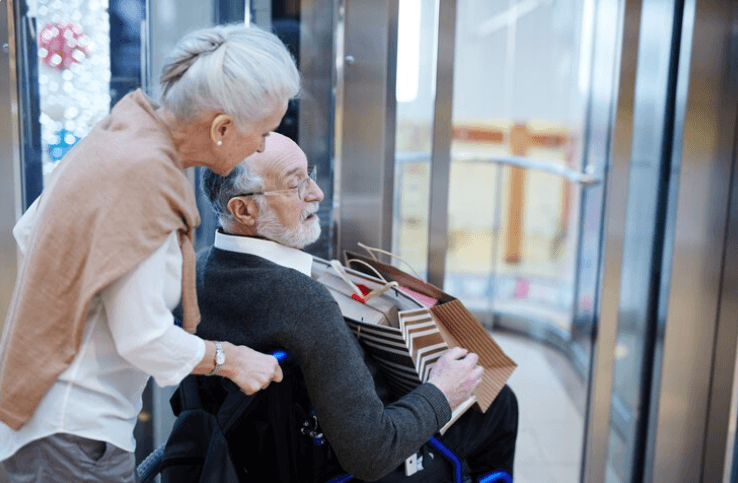
Common Challenges in Entry Upgrades for SDA SIL Home Modifications
Entry barriers can impact daily life in many different ways. While every property and participant has unique needs, several common operational challenges frequently arise during accessibility planning conversations.
- Heavy Manual Doors
Traditional entry doors can be difficult to operate for people with limited strength, mobility restrictions, or fatigue-related conditions. Repeatedly opening heavy doors throughout the day may create unnecessary physical strain.
- Limited Dexterity or Grip Strength
Standard locks, handles, and keys are not always easy to use for people with reduced hand mobility or coordination challenges. This can affect both residents and support workers.
- Mobility Aid Clearance Issues
Wheelchairs, walkers, and mobility scooters may require wider or easier-to-operate entrances. Tight doorways or awkward entry layouts can reduce usability and independence.
- Delayed Support Worker Access
Support staff often require fast, reliable access to property, especially during shift changes or after-hours visits. Manual keys and complicated access arrangements can sometimes create delays.
- Visitor Verification Concerns
Residents may want safer ways to identify visitors before opening the door. Video communication and remote access features can improve confidence and security.
- Fatigue During Repeated Entry Tasks
Repeatedly unlocking, opening, and closing doors or gates throughout the day can be tiring and frustrating for some residents.
- Multi-Resident Access Management
Shared accommodation settings may involve multiple residents, carers, and visitors requiring different levels of access permissions and scheduling flexibility.
- Gate Access Complications
External gates or driveway access points can become difficult to manage during transport arrivals, deliveries, or support visits.
- Weather Exposure While Unlocking Doors
Waiting outside while unlocking gates or doors can be inconvenient and uncomfortable, particularly in poor weather.
Many of these challenges lead people to explore accessible entrance systems and broader SIL access solutions that support safer, more efficient everyday living.
Entry Upgrades for SDA SIL Home Modifications
Many technologies contribute to more accessible entry experiences. During conversations about entry upgrades for SDA SIL home modifications, integrated solutions are explored to support both participant independence and smoother daily operations.
Automatic Door Systems
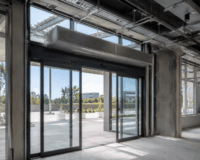
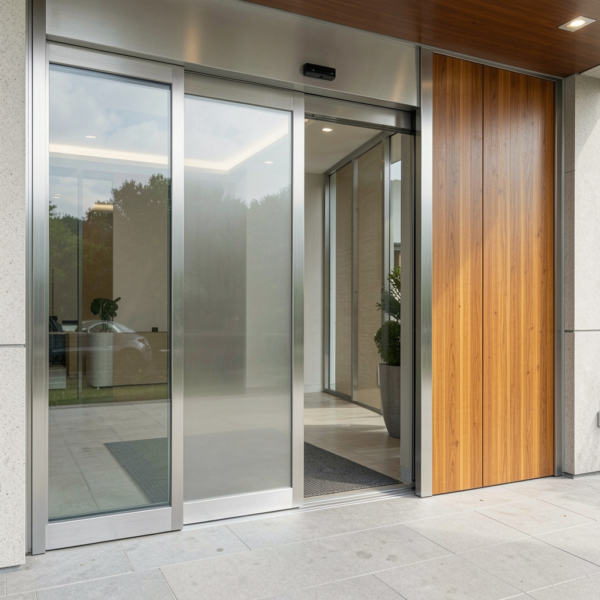
Automatic doors are commonly discussed in accessibility-focused environments because they can reduce the physical effort required to enter and exit a property.
Potential benefits may include:
- Touch-free or push-button access
- Reduced physical strain
- Easier movement for wheelchairs and walkers
- Improved accessibility for support workers and visitors
- Integration with wider automation systems
Automatic swing or sliding doors can sometimes be integrated into broader smart home systems, helping create more streamlined and convenient daily routines.
Read more: Automatic Doors For Mobility Aids | Safer & Easier Accessible Entry Solutions
Intercom and Video Entry Systems
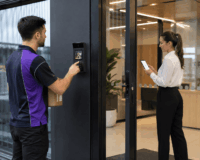
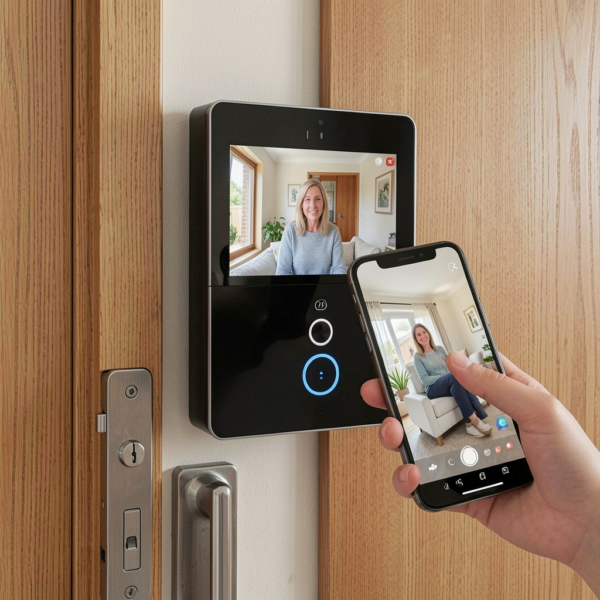
Intercom systems can improve communication between residents, visitors, carers, and support staff. Modern video intercoms allow participants to verify visitors remotely before granting access.
Benefits may include:
- Safer visitor communication
- Remote answering capability
- Improved participant confidence
- Easier support worker coordination
- Reduced the need to physically approach the entry point
Integrated video entry systems may also help family members and carers maintain clearer communication throughout the day.
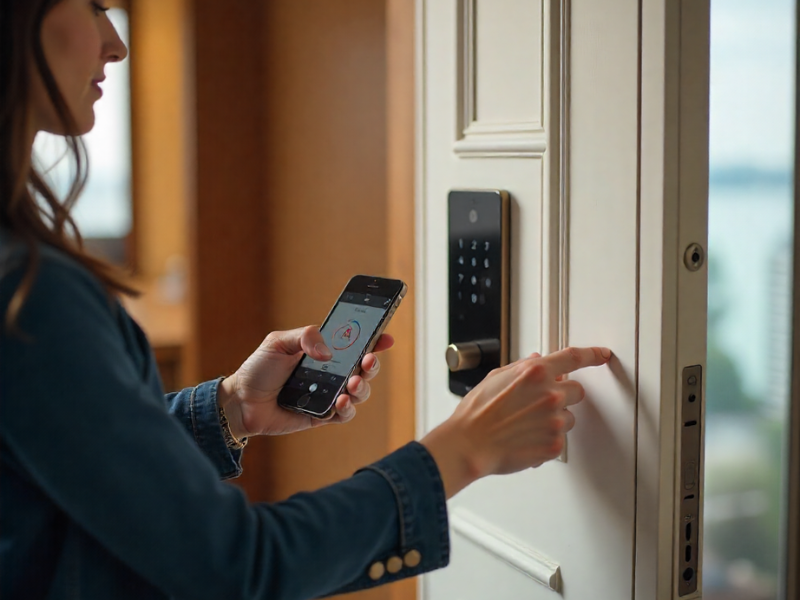
Smart Locks and Credential-Based Access
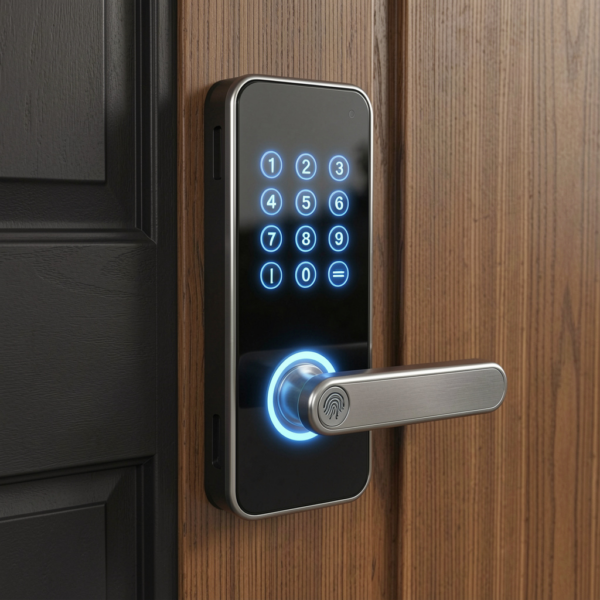
Smart access systems can reduce reliance on traditional keys while providing more flexible access control options.
These systems may include:
- PIN code access
- Smartphone unlocking
- Temporary support worker credentials
- Scheduled access permissions
- Remote unlocking capabilities
Credential-based systems can be particularly useful in shared accommodation or properties with rotating support staff.
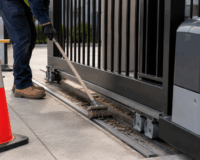
Automated Gates and External Access
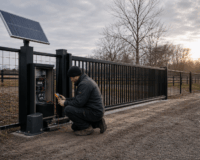
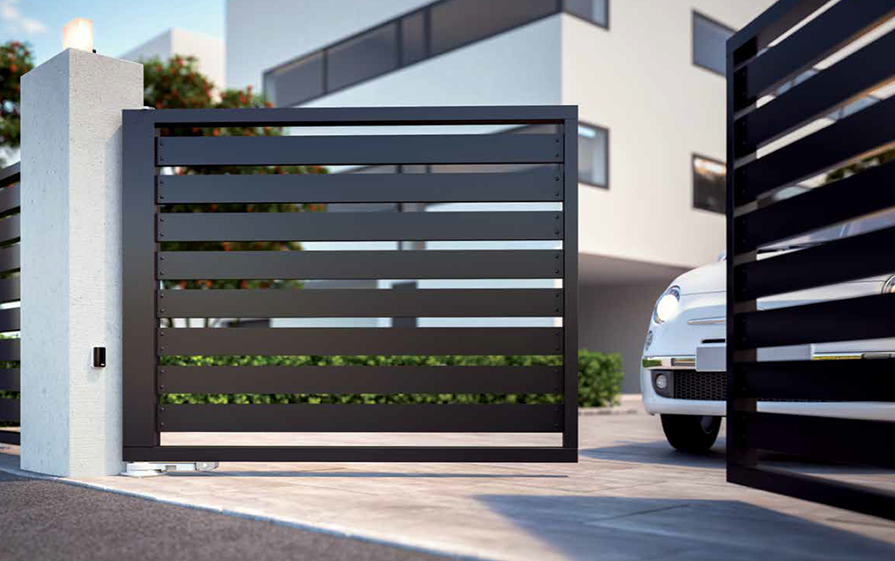
With entry upgrades for SDA SIL home modifications, external access points can also play an important role in accessibility planning. Automated gate systems may help with:
- Easier driveway access
- Reduced outdoor exposure
- Safer transport coordination
- Improved security management
- Simplified arrival processes for visitors and carers
When integrated with intercoms and access control systems, automated gates can contribute to smoother day-to-day workflow management across the property.
Factors Often Considered During Disability Home Modification Planning
Choosing the right entry system usually involves much more than selecting a door, lock, or intercom. During disability home modification planning, a range of practical and personal factors are often discussed to ensure the solution supports both current and future needs.
Participant mobility is one of the first considerations. The level of physical accessibility required may influence whether automatic doors, touch-free controls, wider entry points, or remote access features are beneficial.
Cognitive considerations may also affect the choice of technology. Some households may benefit from simpler interfaces, easy-to-understand controls, or systems that require minimal steps to operate.
The carer and support worker workflow is another important factor. In supported living environments, entry systems often need to accommodate rotating staff, scheduled visits, and temporary access permissions.
Future adaptability is also commonly discussed during accessibility planning. Needs can change over time, so some households prefer scalable systems that can expand later without requiring major retrofits or rewiring.
Emergency access also plays an important role in accessibility-focused environments. Reliable entry systems can facilitate faster access in urgent situations while supporting safer property management overall.
The type of property itself can influence installation approaches. Existing homes, apartments, shared accommodation, and new builds may all present different infrastructure limitations or integration opportunities. Connectivity and compatibility with broader smart home technologies are also worth considering.
Learn more: When To Upgrade Intercom Infrastructure? The Best Times During Other Renovation
How Integrated Access Systems May Improve Daily Living Outcomes
Integrated entry systems in your entry upgrades for SDA SIL home modifications also help simplify routines, support independence, and improve communication within the home.
For example, a participant may be able to remotely open the front door for a support worker without physically moving to the entrance. This can reduce stress, save time, and improve overall comfort during daily support visits.
In another scenario, a care worker arriving after hours could receive temporary credential-based access instead of relying on physical keys. This may improve workflow coordination while reducing the administrative burden of managing key handovers.
Video entry systems can also facilitate communication among residents, family members, visitors, and delivery personnel. For some households, simply being able to see and speak with visitors before granting access may improve confidence and peace of mind.
Integrated access systems may also streamline arrivals for transport, therapy appointments, and medical visits by reducing delays at entry points.
Questions to Ask Before Choosing Entry Upgrades
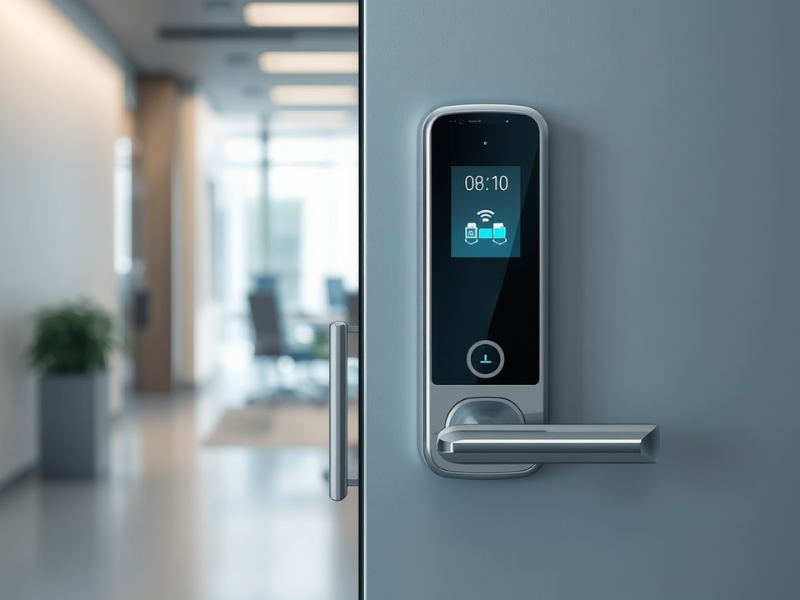
Before selecting any access technology in entry upgrades for SDA SIL home modifications, it is important to carefully assess both current and future requirements. Asking the right questions early can help guide more effective planning discussions.
Consider the following checklist:
- Who needs daily access to the property?
- Will support workers require temporary credentials?
- Is touch-free access beneficial?
- How wide are the current entry points?
- Does the solution support future mobility changes?
- Is remote monitoring or mobile access useful?
- How will emergency access work?
- Can the system integrate with other smart technologies?
- Are retrofit-friendly options preferred?
- Will multiple residents require separate access permissions?
These discussions can help identify the most practical solutions for each environment while also supporting longer-term adaptability.
Because every property and participant has unique requirements, working with experienced, accessibility-focused integrators and installers can help ensure that solutions are appropriately tailored.
Working With Providers and Installers Familiar With Accessibility Projects
Accessibility-focused entry upgrades for SDA SIL home modifications often involve more than simply installing new hardware. Successful projects typically rely on collaborative planning, clear communication, and careful consideration of participant needs.
Experienced providers may assist with:
- Automatic door systems
- Intercom solutions
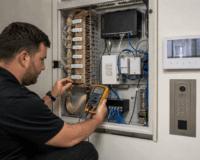
- Access control technologies
- Smart home integration
- Retrofit accessibility upgrades
- Multi-system coordination
In many projects, installers may also work alongside occupational therapists, builders, electricians, and support coordinators to ensure systems align with broader accessibility objectives.
Retrofit experience can be especially important when working in existing homes or established accommodation settings, where rewiring, structural changes, or property limitations must be carefully managed.
At Digital Home Systems (DHS), accessibility-focused entry technologies can be integrated into broader smart home and automation ecosystems, helping create practical solutions tailored to individual project requirements.
Whether planning entry upgrades for SDA SIL home modifications or broader accessibility-focused renovations, consulting experienced professionals can help simplify decision-making and identify the most suitable technologies for each environment.
FAQ
What entry upgrades are commonly discussed in SDA homes?
Common accessibility-related entry upgrades may include automatic doors, video intercom systems, smart locks, credential-based access control, and automated gates.
Can automatic doors support independent living goals?
Automatic doors may help reduce physical effort during entry and exit, potentially supporting easier movement and improved independence for some residents.
Are intercom systems useful in supported accommodation?
Yes. Video intercom systems can improve visitor communication, support worker coordination, and remote access management.
Who is usually involved in disability home modification planning?
Planning discussions may involve participants, families, occupational therapists, builders, support coordinators, electricians, and technology providers.
Can smart access systems work with existing homes?
In many cases, yes. Retrofit-friendly technologies can sometimes integrate with existing infrastructure, reducing the need for extensive rewiring or structural changes.
Creating safer and more accessible living environments often starts with practical conversations around entry accessibility, workflow, and independence. Whether exploring automatic doors, intercom systems, access control, or integrated smart technologies, the right solutions can help create a more comfortable, user-friendly daily living.
If you are exploring entry upgrades for SDA SIL home modifications, contact us today to discuss integrated accessibility solutions, retrofit-friendly technologies, intercom systems, automatic doors, and smart access options tailored to your project requirements.