
Coordinating an intercom upgrade alongside other trades creates significant advantages. And knowing when to upgrade intercom infrastructure can make a major difference. It significantly influences installation costs, project timelines, and overall building disruption. In many cases, the smartest time to modernise an intercom system is during broader renovation works, when walls, ceilings, risers, entrances, or electrical systems are already being accessed.
Planning upgrades during renovation periods also improves flexibility. Property owners can reposition monitors and prepare for future automation integration far more easily before finishes are completed. Whether for apartments, commercial sites, SDA housing, or gated properties, timing the upgrade helps ensure a smoother, more cost-effective outcome.
During Front Entrance or Lobby Renovations
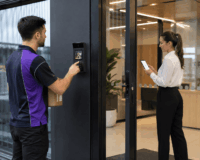
When to upgrade intercom infrastructure? Front entrance and lobby renovations provide one of the best opportunities to modernise an intercom system. Shared apartment entrances, office receptions, and commercial entry points are often the first areas visitors encounter, making them ideal locations to enhance both functionality and presentation.
When a building renovation entry system project is already underway, installers gain easier access to wall cavities, mounting surfaces, and power infrastructure. This makes it easier to reposition outdated intercom panels, install larger video door stations, improve accessibility compliance, and optimise viewing angles.
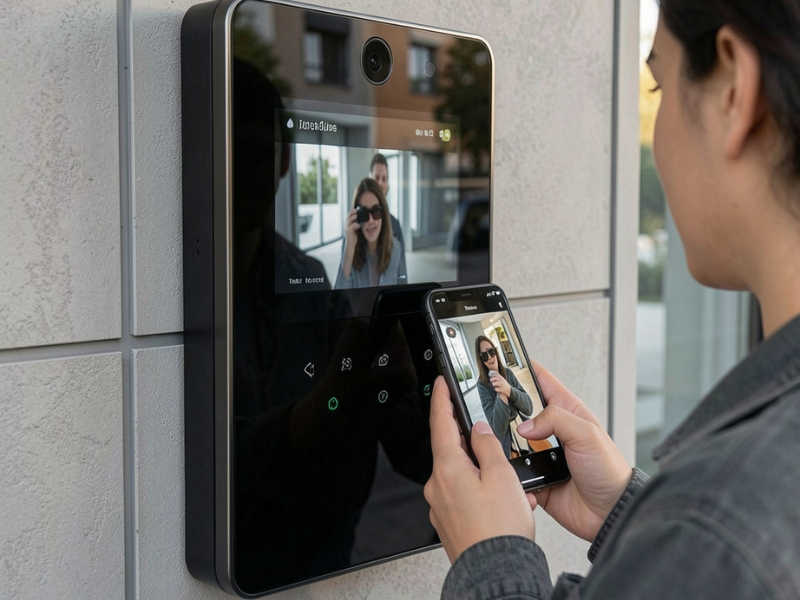
Lobby renovations also create opportunities to improve aesthetics and usability simultaneously. Older audio-only intercoms can be replaced with modern IP video systems that integrate with smartphones, indoor monitors, access control, and remote management platforms.
Other benefits of upgrading during entrance renovations include:
- Improved lighting around door stations for clearer video visibility
- Better weather protection for outdoor intercom hardware
- Updated signage and directory integration
- Easier relocation of entry panels for accessibility requirements
- Simplified integration with automatic doors and access-control systems
Because trades are already active around entrances, installation can typically be completed faster and with less disruption to occupants. Coordinating the intercom upgrade early in the renovation schedule also helps avoid conflicts with plastering, glazing, cabinetry, or finishing works later in the project.
Read more: Automatic Door Operators For Busy Entrances: What Specifiers Should Check
When Door Hardware, Gates, or Access Control Are Being Replaced
When to upgrade intercom infrastructure? Replacing access-control hardware is another ideal time to modernise intercom infrastructure. While access control manages physical entry permissions, the intercom serves as the communication layer connecting visitors, residents, tenants, and staff to those entry workflows.
Upgrading both systems together creates a more unified and future-ready solution.
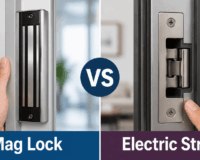
- Electric strikes. When electric strikes are replaced or upgraded, installers can verify compatibility with newer intercom relay outputs and remote release functionality.
- Maglocks. Magnetic locks often require updated power management and safety integration. Coordinating intercom upgrades during these works simplifies compliance and testing.
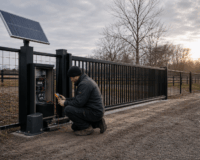
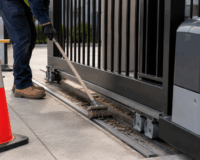
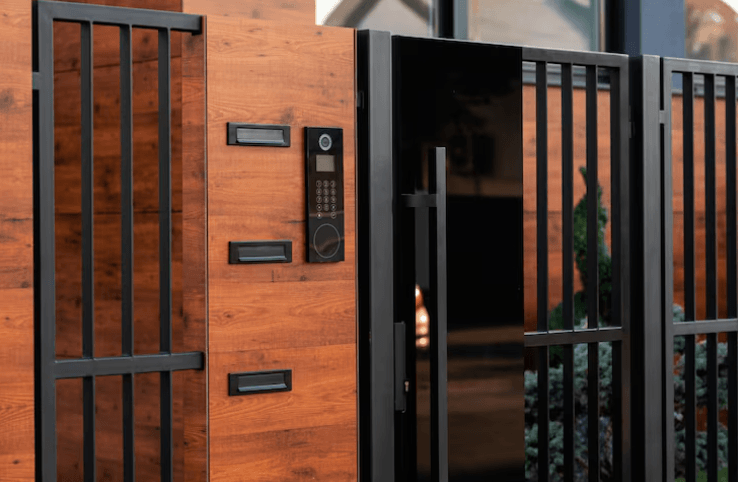
- Gate release systems. Automated gates benefit from integrated visitor communication and mobile access control. Intercom upgrades can streamline remote gate management.
- Smart locks. Smart lock deployments are an ideal opportunity to integrate app-based intercom access and remote visitor verification.
- Card and fob readers. Replacing credential readers allows integrators to coordinate intercom permissions, resident directories, and access events through a central platform.
- Exit buttons. Existing exit hardware can be reviewed during installation to ensure proper operation alongside upgraded intercom unlock relays.
- Door automation. Automatic sliding or swing doors often require communication between access systems and visitor entry stations. Planning both systems together reduces integration challenges.
- Power supplies and relays. Access-control upgrades frequently involve new power infrastructure, creating the perfect opportunity to support modern IP intercom hardware as well.
Coordinating these systems within a single project helps reduce duplicated labour, minimises site downtime, and creates a cleaner long-term solution for building management.

During Electrical, Data, or Communications Cabling Works
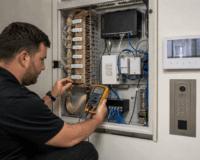
Electrical and communications rough-in stages are often the ideal time to assess when to upgrade intercom infrastructure. Once walls and ceilings are opened, installers gain direct visibility into existing cabling pathways, available conduit, network locations, and power infrastructure.
This stage allows contractors to evaluate whether existing cables remain suitable for reuse or require new runs. Older buildings may contain damaged, undersized, or poorly terminated cabling that could limit the performance of modern IP intercoms. Identifying these issues early prevents costly troubleshooting later.
Rough-in works also provide opportunities to:
- Add PoE-ready network infrastructure
- Improve riser organisation in multi-storey buildings
- Relocate switches and network cabinets
- Expand conduit capacity for future upgrades
- Improve power redundancy and surge protection
- Prepare for integration with automation or access-control systems
For apartment buildings and commercial sites, early cabling coordination is particularly important. Multiple contractors may require access to the same risers or communications rooms, making scheduling essential to avoid delays.
Modern intercom systems increasingly rely on stable networking, remote connectivity, mobile applications, and video communication. Ensuring the required infrastructure is available during the rough-in phase helps avoid expensive retrofits once finishes are complete.
By addressing networking and electrical considerations early, property owners can future-proof the building while reducing installation complexity later in the renovation process.
Read more: Retrofit Apartment Entry Communication In Older Buildings With Limited Cabling

When Existing 2-Wire Cabling Is Still Usable
One of the biggest concerns during renovations is the cost and disruption associated with replacing old cabling. Fortunately, many properties still contain usable 2-wire infrastructure that can support modern intercom upgrades when paired with the right technology.
The Akuvox 2-Wire IP Intercom Kit is specifically designed for retrofit projects where preserving existing cabling is a major advantage. Rather than opening walls and installing entirely new network cable runs, the system allows installers to use existing 2-wire infrastructure while delivering modern IP video intercom functionality.
This creates several important benefits during renovation projects:
- Reduced installation disruption
- Lower labour and material costs
- Faster deployment timelines
- Less damage to finished interiors
- Easier upgrades in older buildings
- Simplified staged renovation planning
Despite using legacy wiring, the system still provides many advanced IP intercom capabilities, including:
- Video communication
- Smartphone integration
- Remote access control
- Indoor monitor support
- Smart entry functionality
- Integration flexibility for future upgrades
This makes the Akuvox solution particularly valuable for:
- Older apartment buildings
- Strata refurbishments
- Commercial retrofits
- SDA property upgrades
- Heritage properties
- Sites where wall access is limited
In many renovation scenarios, property owners want to modernise infrastructure without triggering extensive demolition or reconstruction. Reusing existing 2-wire cabling helps achieve that balance while still delivering a contemporary intercom experience.
For staged renovations, retrofit-friendly systems also allow upgrades to occur progressively, reducing operational downtime and minimising disruption for occupants.
Before Painting, Plastering, Joinery, or Final Fit-Off
When to upgrade intercom infrastructure? The final finishing stages are the last opportunity to confirm that the intercom system is fully prepared before surfaces are sealed and completed. Completing all testing and positioning checks beforehand helps avoid costly rework later.
Pre-Fit-Off Intercom Upgrade Checklist:
- Confirm indoor monitor locations: Ensure monitor placement is practical, visible, and aligned with user requirements before walls are finished.
- Test cable paths: Verify all cable runs are functioning correctly and clearly labelled before plastering or painting begins.
- Verify door station height: Check accessibility compliance and camera visibility before permanently fixing entry hardware.
- Confirm network cabinet space: Ensure switches, patching, and power supplies have adequate ventilation and capacity.
- Check power supplies: Confirm stable power delivery to monitors, door stations, relays, and access-control hardware.
- Test unlock relays: Verify that electric strikes, gates, and door release functions operate correctly.
- Confirm mobile connectivity: Test app-based communication and remote access before project handover.
- Document system configuration: Create clear handover documentation for building managers, owners, or strata representatives.
- Verify integration points: Ensure that automation, CCTV, and access control integrations function properly.
Addressing these items before final finishes are completed helps avoid unnecessary patching, repainting, or cabinetry modifications later in the project.
When To Upgrade Intercom Infrastructure in Multi-Residential, SDA, or Commercial Sites
Different property types often require different intercom upgrade timing strategies. Coordinating intercom upgrades with broader renovation milestones helps reduce disruption while improving installation efficiency.
| Site Type | Best Upgrade Moment | Key Planning Issue |
| Strata apartments | During lobby and riser upgrades | Coordinating access across multiple residents |
| Older apartment buildings | During electrical and communications upgrades | Reusing legacy cabling infrastructure |
| SDA homes | During accessibility modifications | Ensuring the monitor and entry placement suit residents |
| Offices | During reception or access-control upgrades | Maintaining business continuity during works |
| Clinics | During waiting-area refurbishments | Minimising disruption to staff and patient access |
| Gated properties | During gate automation replacement | Coordinating communication with gate-release systems |
For larger properties, timing coordination becomes especially important because multiple contractors may need simultaneous access to common areas, risers, plant rooms, and communications infrastructure.
Renovation periods also provide opportunities to improve future scalability. Property owners may choose to add additional monitors, prepare for mobile app access, integrate visitor management, or expand automation capabilities while infrastructure access is readily available.
By planning the intercom upgrade alongside broader renovation milestones, project managers can reduce duplicated labour and streamline scheduling across trades.
When To Upgrade Intercom Infrastructure: Questions to Ask Before Work Begins
Successful intercom upgrades rely heavily on thorough retrofit planning before renovation work begins. Asking the right questions early helps identify infrastructure limitations, integration opportunities, and installation risks before walls are opened or hardware is ordered.
Key questions about when to upgrade intercom infrastructure include:
- Are the existing cables reusable? Existing 2-wire or structured cabling may still support modern intercom solutions.
- Is IP networking available? Modern video intercoms often require stable network connectivity and adequate switching capacity.
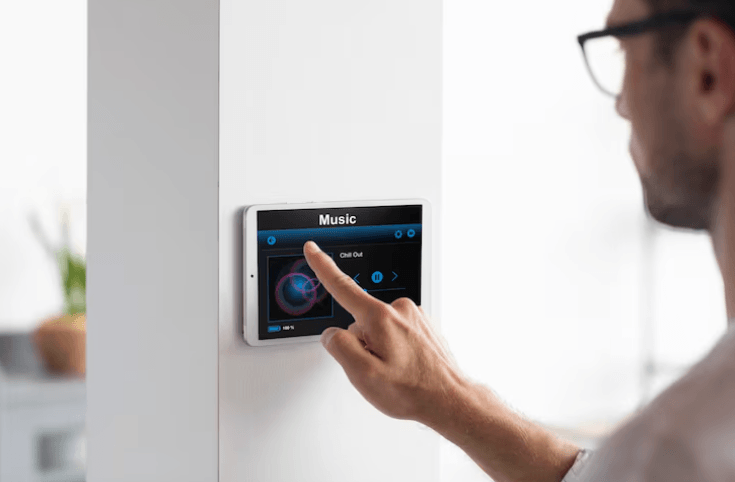
- Are indoor monitors required? Determine whether residents or staff prefer indoor screens, mobile access, or both.
- Is a mobile app entry needed? Remote visitor management may influence networking and platform requirements.
- Who approves building changes? Strata managers, landlords, builders, or facility managers may require approval before installation begins.
- Are future access-control integrations planned? Early planning helps ensure compatibility with future smart-lock or automation upgrades.
- Will staged renovations occur? Phased projects may require temporary infrastructure planning or progressive deployment.
- Are there accessibility considerations? Entry panel placement and monitor heights should be confirmed early.
- Is there adequate power availability? Existing power infrastructure may require upgrades to support modern IP systems.
Taking time to answer these questions early helps reduce delays, avoid redesigns, and create a smoother overall installation process.
In Conclusion
Understanding when to upgrade intercom infrastructure can significantly reduce installation costs and minimise disruption during renovation works. It could be when upgrading entrances, replacing door hardware, modernising cabling, or refurbishing older buildings. Aligning intercom improvements with broader construction activity creates a far smoother process.
Retrofit-friendly solutions like the Akuvox 2-Wire IP Intercom Kit also enable the modernisation of communication and entry systems without extensive rewiring, making them ideal for apartments, commercial buildings, and staged renovation projects.
If you’re planning an intercom upgrade as part of an upcoming renovation, the team at Digital Home Systems can help you select the right solution for your project. DHS provides smart intercom technologies, retrofit solutions, technical support, and expert guidance across Australia, New Zealand, and the Pacific region.
Contact DHS today to discuss your next intercom infrastructure upgrade.
FAQs – When To Upgrade Intercom Infrastructure?
When to upgrade intercom infrastructure?
The best time is usually during renovation works when walls, ceilings, entrances, or cabling are already being accessed. This reduces labour costs and minimises disruption.
Can an intercom be upgraded without rewiring the building?
Yes. Retrofit solutions such as the Akuvox 2-Wire IP Intercom Kit can reuse existing 2-wire cabling while still delivering modern IP video intercom functionality.
Should intercoms be planned with access control in mind?
Absolutely. Intercom systems work closely with access-control hardware such as electric strikes, gates, and smart locks, so coordinating upgrades creates better integration and efficiency.
Is a 2-wire IP intercom suitable for older apartments?
Yes. Many older apartment buildings can modernise their intercom infrastructure using existing 2-wire cabling, avoiding costly and disruptive rewiring.