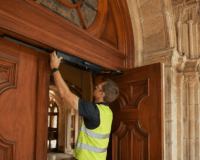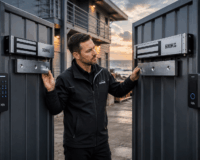
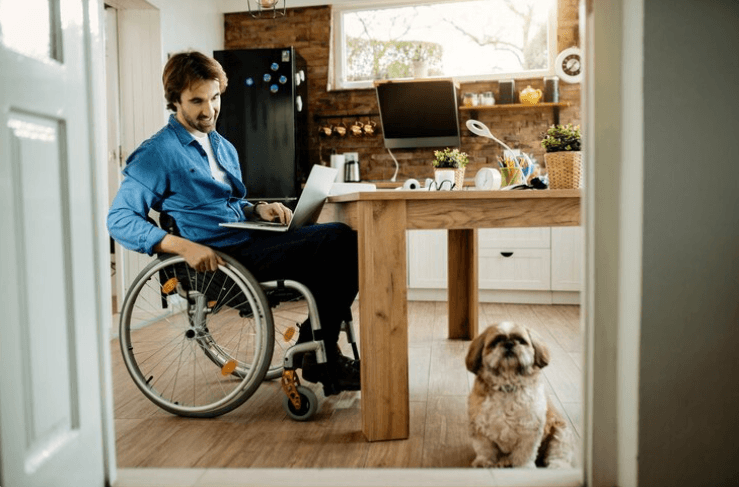
When families begin thinking about safer and more practical ways to move through the home, entry access is often one of the first daily frustrations. Something as simple as opening a heavy front door can become difficult when mobility, fatigue, balance, or cognitive challenges are involved. That is why conversations around independent home access NDIS planning have become increasingly important for many Australian families.
Creating more accessible and independent entry routines will enhance their confidence, dignity, safety, and reduce the physical and emotional strain for both participants and carers. Every person’s needs are different, and every property presents unique challenges.
Today, many families are exploring forms of accessible automation that may help make daily living easier. Whether you are planning small upgrades or researching long-term independent entry solutions, taking early steps can make a meaningful difference.
Why Is Home Entry Often One of the First Accessibility Challenges Families Notice?
For many households, entry access becomes a noticeable issue long prior to larger home modifications. Families often realise that simple daily routines are becoming harder, more stressful, or more physically demanding.
- Everyday Entry Tasks Can Become Physically Demanding
Tasks most people take for granted can become surprisingly exhausting when mobility or health conditions are involved. Heavy front doors, awkward locks, narrow entrances, and manual gates may all create unnecessary physical strain.
For people using mobility aids, walkers, or wheelchairs, opening doors while navigating thresholds can be difficult and sometimes unsafe. Others may experience fatigue, arthritis, neurological conditions, or reduced grip strength.
- Caregiver Dependence Can Increase Over Time
In addition, as independent home access NDIS challenges increase, families often find themselves stepping in more frequently to assist. Parents, carers, partners, or support workers may constantly open doors, unlock gates, or manage visitor access.
While support is important, ongoing dependence can sometimes affect confidence and personal independence. Carers may also experience stress and fatigue when they are repeatedly required to perform basic entry tasks throughout the day.
This is one reason many families begin researching family guide disability home access resources and accessibility-focused automation options early.
- Small Entry Improvements Can Have a Big Daily Impact
One encouraging aspect of accessibility planning is that small upgrades can often yield meaningful improvements.
Automatic doors, remote unlocking, video intercoms, and push-button entry systems can reduce friction during daily routines and help people move more confidently through the home.
For some households, these changes can support safer routines, improve privacy, and create a stronger sense of independence.
Read more: Automatic Doors For Mobility Aids | Safer & Easier Accessible Entry Solutions
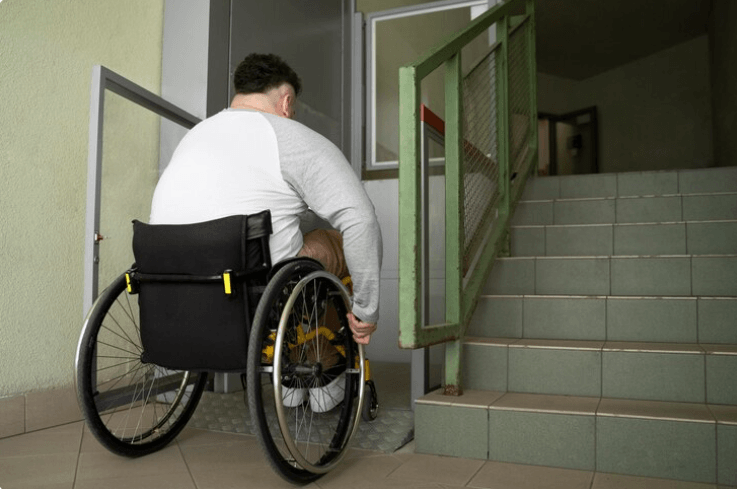
What Types of Independent Entry Solutions Do Families Commonly Explore?
When researching accessible entry systems, many families are surprised by how flexible modern technology has become. Some solutions are designed for simple retrofits, while others can integrate into broader smart home environments over time.
The best approach depends on the individual’s mobility, cognitive needs, property layout, and future support requirements. Many systems can also be expanded gradually rather than requiring major upfront renovations.
Common independent entry solutions include:
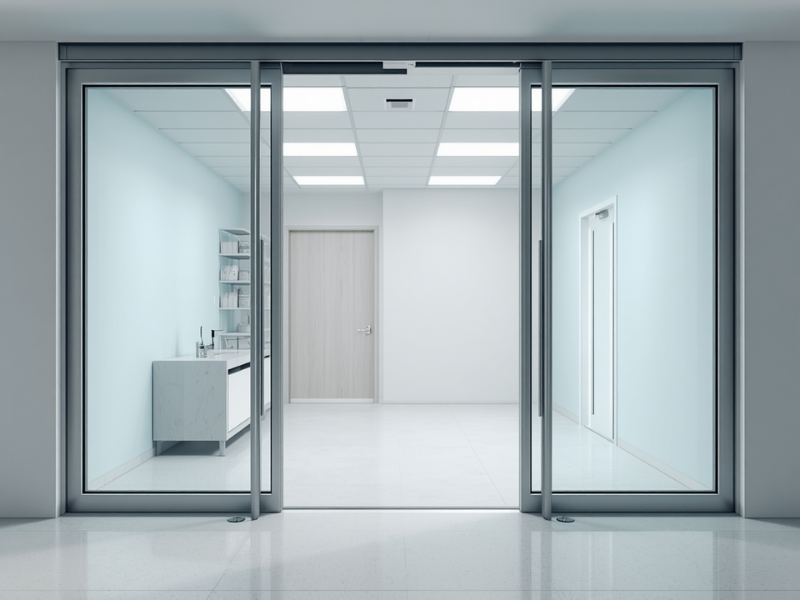
- Automatic sliding or swing doors – These systems can reduce physical strain by opening automatically via sensors, buttons, remote controls, or smartphone access.
- Automated gates – Automated driveway gates or pedestrian gates may improve convenience and safety while allowing easier access for carers and visitors.
- Video intercom systems – Video intercoms allow residents to see and communicate with visitors before granting access. This can improve both confidence and security.
- Smartphone-controlled entry – Some systems allow doors or gates to be unlocked remotely using mobile devices, which may assist both participants and carers.
- Remote unlock features – Remote release functions can help users manage access without physically reaching doors or locks.
- Push-button access systems – Large, accessible push-button controls can simplify movement through entrances and internal access points.
- Sensor-triggered entry – Motion or proximity sensors may support hands-free movement for people using mobility aids or carrying equipment.
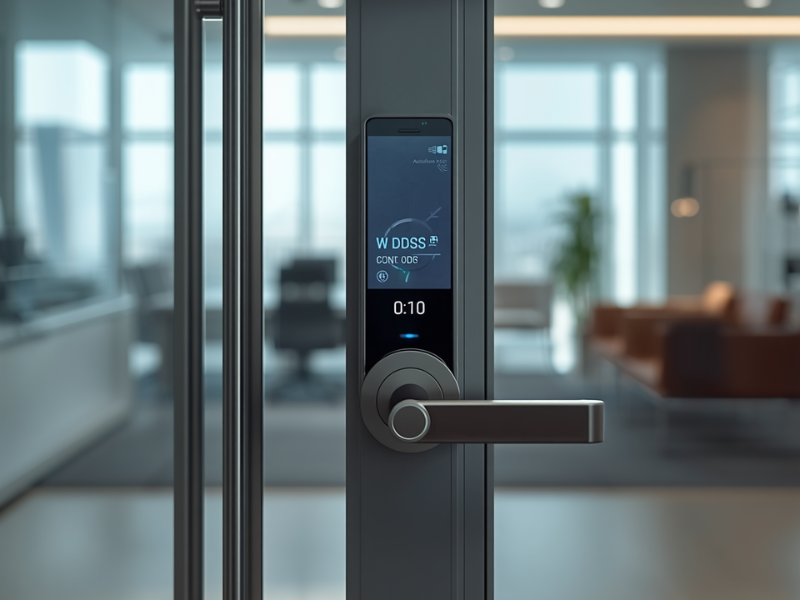
- Smart locks integrated into home automation – Smart locks can provide flexible access management, temporary permissions, and easier control over entry routines.
Read more: NDIS Friendly Entry Upgrades: Automatic Doors, Intercoms & Access Control
Are Automatic Doors Only Useful for Wheelchair Users?
Many people assume accessibility automation is designed only for wheelchair users, but the reality is much broader. Automatic doors and accessible automation systems can support a wide range of physical, neurological, and cognitive needs.
For people living with fatigue-related conditions, repeatedly opening heavy doors throughout the day can become exhausting. Those with arthritis or reduced grip strength may struggle with locks, handles, or manual latches.
People experiencing balance challenges may feel safer using automatic systems that reduce the need to twist, pull, or carry weight while entering the home.
Automation may also support individuals with neurological or cognitive disabilities by simplifying routines and reducing stress associated with complex entry tasks.
Temporary injuries and ageing family members are another important consideration. Many households install accessible systems after surgery, during rehabilitation, or due to age-related mobility changes that make daily access more difficult.
Importantly, accessibility is not only about mobility. Independence can also mean reducing anxiety, avoiding unnecessary frustration, and allowing people to move more confidently through their home environment.
Well-designed accessible automation can help support dignity, routine independence, and a more comfortable daily living experience.
Families comparing communication and entry options may also be interested in the DHS guide on Automatic Doors: Mobile App Entry Vs Indoor Monitor For Secure Access.
How Do Families Usually Start Planning Independent Home Access NDIS Upgrades?
The process of planning accessible home entry upgrades can be broken down into smaller steps, making decision-making much easier.
- Identify the Biggest Daily Entry Frustrations
Start by observing the moments that create the most difficulty during daily routines. This could include heavy doors, awkward gates, difficult locks, poor visibility, or challenges in managing mobility aids while entering the home.
- Consider Who Currently Assists With Independent Home Access NDIS
Think about how often carers, family members, or support workers are required to help with entry tasks. Understanding where dependence exists can help identify opportunities for greater independence.
- Think About Future Mobility or Support Needs
Accessibility planning is often most effective when families think beyond immediate needs. Conditions may change over time, and flexible systems can help reduce future retrofit costs.
- Assess the Property Layout
Every property is different. Door widths, gate placement, driveway gradients, power access, and communication infrastructure can all influence which systems are most suitable.
- Speak With Occupational Therapists or Support Coordinators
Professional guidance may help families better understand practical accessibility considerations and long-term usability.
- Explore Scalable Automation Solutions
Many modern systems allow families to begin with one upgrade and expand later. For example, an intercom system installed today may integrate with automatic doors or smart locks in the future.
- Work With Experienced Accessibility-Focused Installers
Working with experienced integrators who understand independent entry solutions can help ensure systems are practical, reliable, and user-friendly.
What Features Matter Most for Safe and Independent Home Access NDIS?
Choosing the right features often comes down to balancing independence, safety, simplicity, and future adaptability. Families usually want systems that are reliable, easy to use, and flexible enough to evolve alongside changing support needs.
Some of the most valued features include:
| Feature | Why Families Value It |
| Hands-free entry | Easier movement with mobility aids, shopping, or support equipment |
| Remote access | Allows carers or family members to assist when needed |
| Video intercom | Improves communication, visitor verification, and confidence |
| Soft-close automation | Reduces physical strain and improves safety |
| Wide opening access | Supports easier movement and accessibility |
| Smartphone control | Flexible access management for multiple users |
| Timed auto-close | Adds security reassurance without requiring manual operation |
| Push-button controls | Simple operation for a wide range of users |
The most effective systems are usually the ones designed around real daily routines rather than unnecessary complexity. Some households prioritise independence, while others place greater emphasis on security, communication, or caregiver access.
Future adaptability is another major consideration. Systems that can integrate with wider home automation ecosystems may offer greater flexibility as needs evolve.
Can Accessible Entry Solutions Work in Existing Homes?
Many families worry that improving accessibility will require major construction work or expensive structural changes. In reality, many modern entry solutions are designed specifically for retrofit applications.
“You Need to Rebuild the Entire Entrance”
Reality: Many accessible automation systems can integrate into existing homes with minimal structural changes. Automatic door operators, smart locks, and intercom systems are often suitable for retrofit installations.
“Smart Access Systems Are Too Complicated”
Reality: Modern systems can be designed with simplicity in mind, featuring large buttons, easy-to-use controls, remote assistance options, and intuitive interfaces.
“Accessibility Automation Makes Homes Look Clinical”
Reality: Today’s automation products are often sleek, discreet, and designed to blend naturally into modern residential environments.
“You Need to Install Everything at Once”
Reality: Many families begin with one or two improvements and expand over time. Gradual upgrades can help households manage budgets and adapt systems as needs change.
This flexibility is one reason accessible entry planning has become increasingly relevant in discussions around independent home access NDIS solutions.
Common Questions Families Ask Before Choosing a System
When researching accessible entry systems, families often have practical concerns about reliability, safety, ease of use, and long-term flexibility. Asking these questions early can help create a more confident decision-making process.
Will the System Still Work During a Power Outage?
Many automation systems include backup battery options or manual override functions that allow continued access during outages.
Can Carers or Support Workers Also Access the Home?
Yes. Many systems allow multiple users, temporary permissions, scheduled access, or remote unlocking features for support staff and family members.
Is Smartphone Access Required?
Not necessarily. While some users enjoy mobile control, many systems can also operate through wall buttons, remote controls, intercom monitors, sensors, or keypads.
Can Independent Home Access NDIS Systems Be Expanded Later?
In many cases, yes. Modern automation platforms are often designed to scale gradually over time.
Are Intercoms Useful for Supported Living Environments?
Absolutely. Video intercoms and room-to-room communication systems can support safer visitor management, easier communication, and improved confidence for both residents and carers.
How Much Maintenance Is Usually Involved in Independent Home Access NDIS?
Most modern systems require relatively low maintenance when installed professionally. Regular servicing schedules may vary depending on the type of automation involved.
Can Automation Improve Safety Without Reducing Independence?
This is one of the main goals of well-designed accessible automation. Good systems aim to support independence while also improving communication, visibility, and controlled access when needed.
How Independent Home Access NDIS May Support Long-Term Quality of Life?
For many individuals and families, even small improvements can help create smoother routines, greater confidence, and a stronger sense of independence.
Being able to enter and leave the home more easily may support social participation, reduce stress during appointments or outings, and improve everyday comfort.
Families frequently describe the emotional value of reducing constant reliance on others for basic entry tasks. Carers may also experience less physical strain and fewer interruptions throughout the day.
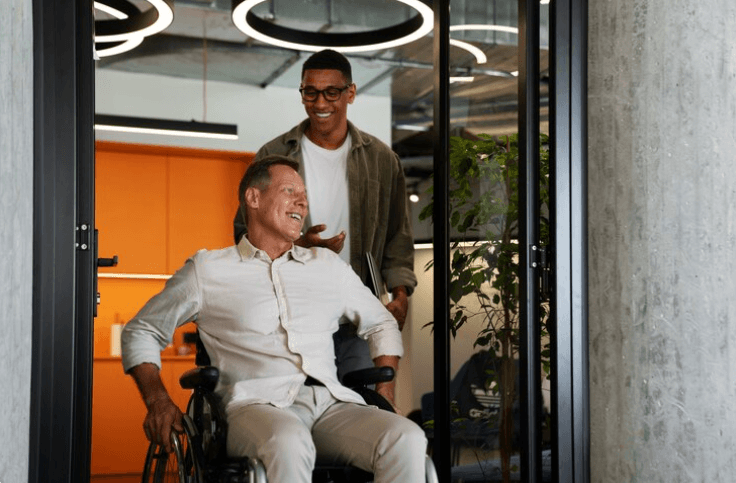
Importantly, independence looks different for every person. For some, it may mean opening a door without assistance. For others, it may mean communicating safely with visitors through a video intercom or remotely unlocking a gate when support workers arrive.
In Conclusion
Planning for more accessible and independent home entry is often about improving everyday life. For independent home access NDIS options, early planning can help create safer, more flexible, and more comfortable living environments. Every participant, family, and property is different, which is why personalised guidance and carefully selected technology solutions matter.
If you are exploring independent home access NDIS solutions, accessible automation, or integrated access control systems for your home or supported living environment, DHS can help you understand the available options and identify practical solutions tailored to your needs.
Contact us today to discuss:
- Automatic doors
- Accessible intercom systems
- Smart entry automation
- Integrated access control
- Retrofit-friendly accessibility solutions