
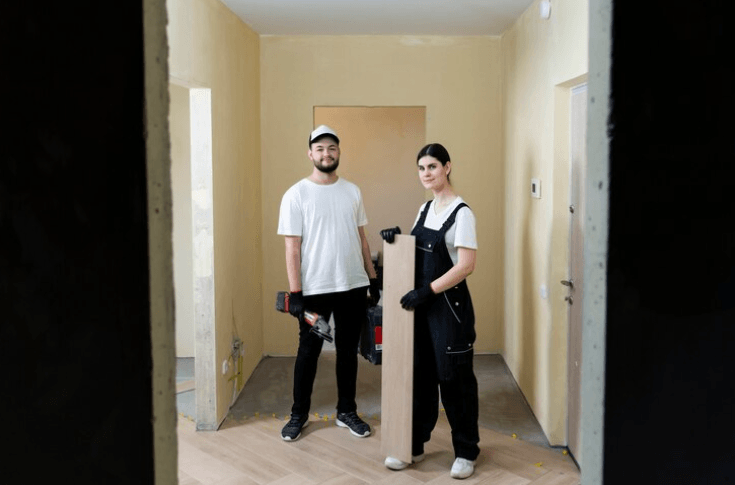
Across Australia and similar urban environments, older apartment buildings are facing a growing pressure to modernise. Residents now prefer video intercom, mobile app control, and remote entry management. However, upgrading legacy systems isn’t straightforward.
Many of these buildings were constructed decades ago. They often rely on ageing infrastructure, limited cabling pathways, and outdated intercom systems that struggle to meet modern demands. Rewiring an entire building is not only expensive but also disruptive for occupants.
This is where retrofit apartment entry communication becomes essential. Instead of starting from scratch, retrofit solutions allow property owners and installers to upgrade functionality while working within existing constraints.
Why Older Apartment Intercom Systems Fall Short Today
Older apartment intercom systems were designed for a different era – one where basic audio communication was considered sufficient. Today, these systems fall short in several critical ways:
- Audio-only limitations. Older apartment intercom systems were designed for a time when simple audio communication was considered sufficient. While they may still function, they no longer meet modern residents’ expectations or today’s security standards.
- No visual verification. Audio-only systems make it difficult for residents to confidently identify visitors, which can introduce security risks. In an era where video communication is standard, this gap becomes even more noticeable.
- Wiring constraints. Many legacy systems rely on complex multi-wire configurations or degraded cabling that has deteriorated over time. This not only limits performance but also complicates upgrades.
- No remote or smart access. These systems typically lack remote access or smart integration, meaning residents cannot use mobile apps or connect the system to broader automation platforms.
- Maintenance challenges. Spare parts for older systems are often discontinued, making repairs increasingly difficult and costly. As a result, buildings may continue to maintain outdated systems simply because replacement seems too complex.
- Tenant dissatisfaction. All of these factors contribute to growing tenant dissatisfaction. Residents compare their living experience to modern smart homes and expect similar levels of convenience and control.
In practical terms, this creates a gap between what buildings offer and what occupants expect. Retrofit apartment entry communication bridges this gap by upgrading core functionality without requiring a complete system overhaul. Instead of replacing everything, it enhances what already exists.
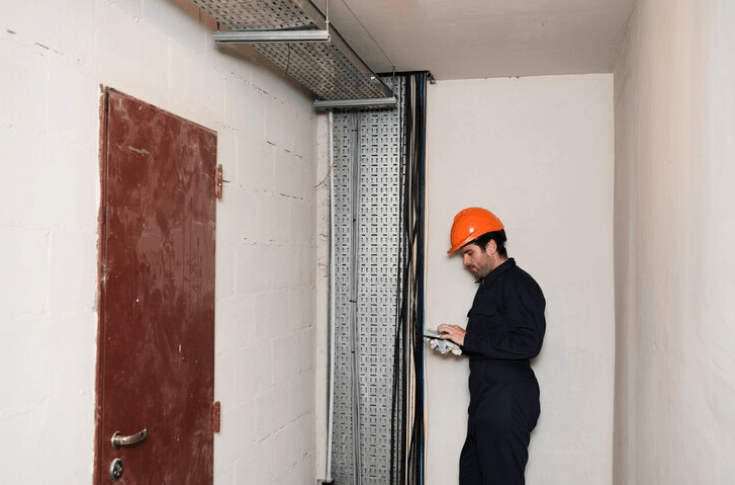
What Does “Retrofit Apartment Entry Communication” Actually Mean?
Retrofit apartment entry communication refers to upgrading an existing intercom or access system by reusing the building’s current infrastructure – particularly its wiring – while introducing modern capabilities.
This approach sits between two extremes:
- Full rewiring. A complete replacement of cabling and systems. While effective, it is expensive, time-consuming, and highly disruptive.
- Basic patching or repair. Fixing individual components without improving overall functionality. This is often a short-term solution.
Retrofit offers a smarter middle ground.
A key concept in retrofit solutions is the 2-wire building entry system. These systems are designed to transmit both power and data over just two wires – often the same wires already installed in older buildings. This allows legacy infrastructure to support modern, IP-based communication.
With the right retrofit approach, buildings can achieve:
- Full video intercom capability
- Mobile app access for tenants
- Remote unlocking and visitor management
- Integration with broader smart building systems
Ultimately, retrofit apartment entry communication transforms outdated systems into modern, connected solutions – without the need for invasive construction work.
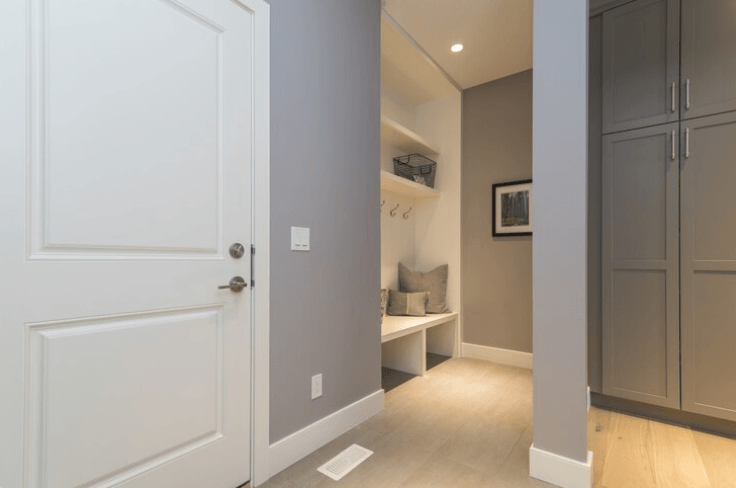
The Biggest Constraint: Limited Cabling in Existing Buildings
One of the most significant barriers to upgrading older apartment entry systems is cabling. In many buildings, the existing wiring infrastructure was never designed to handle modern data transmission or additional devices.
Physically, the structure of older buildings can make cabling upgrades difficult. Concrete walls, narrow conduits, and the absence of spare pathways restrict where new cables can be installed. Even when it is technically possible, the process can be highly labour-intensive and costly.
Beyond the physical challenges, rewiring also creates significant disruption. Access to individual apartments is often required, and residents may experience downtime or inconvenience during installation. For occupied buildings, this can quickly become a major issue.
Given these challenges, any viable solution must work within the building’s existing constraints.
What retrofit solutions must address:
- Ability to use existing 2-wire or minimal wiring
- Minimal need for wall penetration or structural changes
- Scalability across multiple apartments and floors
- Reliable performance despite older infrastructure conditions
This is why retrofit apartment entry communication solutions are specifically designed for limited cabling environments. They prioritise efficiency, adaptability, and minimal disruption – making them ideal for real-world retrofit projects.
How 2-Wire Intercom Technology Enables Retrofit Projects
At the heart of modern retrofit solutions is 2-wire intercom technology. This approach fundamentally changes how communication systems can be deployed in older buildings.
Instead of requiring separate cables for power and data, 2-wire systems combine both into a single pair of wires. This allows installers to repurpose existing infrastructure while delivering advanced functionality.
How it works:
- Existing wiring is connected to a 2-wire converter or controller
- The system translates signals into IP-based communication
- Devices such as indoor monitors and door stations communicate seamlessly over the same wires
Key capabilities enabled by 2-wire systems:
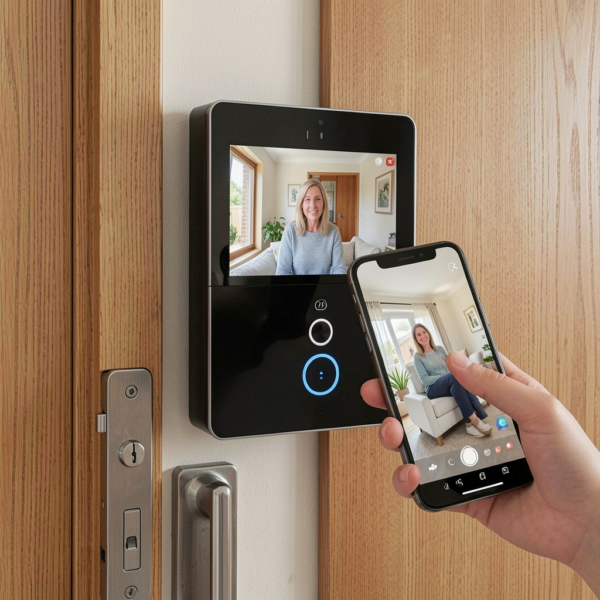
- Video intercom functionality. Residents can see and speak with visitors in real time
- Remote unlocking via mobile apps. Doors and gates can be controlled from anywhere
- Multi-tenant scalability. Suitable for small apartment blocks through to large complexes
Benefits for installers and property managers:
- Faster deployment compared to full rewiring
- Lower labour costs due to reduced installation complexity
- Reduced risk of damaging existing infrastructure
Solutions like the Akuvox 2-Wire IP Intercom Kit are purpose-built for these scenarios. They transform outdated wiring into a modern IP-based system, enabling smart access control, video communication, and mobile integration – all without replacing the building’s cabling.
This makes retrofit apartment entry communication not only feasible but highly efficient.
Read more: How to Improve Delivery Access Without Compromising Building Security
Retrofit vs Rewire: Cost, Time, and Practical Trade-Offs
When upgrading an apartment entry system, one of the biggest decisions is whether to fully rewire the building or adopt a retrofit approach. Each option has its place, but the differences are significant.
Full Rewiring Approach
A full rewiring project involves removing existing cabling and installing new infrastructure throughout the building. While this provides maximum flexibility and future-proofing, it comes with considerable drawbacks.
Material and labour costs are high, as new cables must be run through walls, ceilings, and conduits. This often requires opening up structural elements, which adds complexity and expense. Project timelines are also much longer, sometimes stretching over weeks or months, depending on the building size.
In most cases, full rewiring is only practical during major renovations or new construction projects where disruption is already expected.
Retrofit Approach (2-Wire Systems)
In contrast, retrofit apartment entry communication focuses on working with what’s already in place. By using 2-wire technology, installers can upgrade systems without replacing existing cabling.
This results in significantly lower upfront costs, as less labour and fewer materials are required. Installation is faster, often completed in stages with minimal disruption to residents. This is particularly valuable in occupied buildings where access and downtime must be carefully managed.
Retrofit solutions also allow buildings to gain modern features – such as video, app access, and remote control – without the need for invasive construction work.
Key Decision Factors
Choosing between retrofit and rewiring depends on several factors:
- Building age and structure. Older buildings with solid construction are better suited to retrofit approaches.
- Budget constraints. Retrofit solutions are typically more cost-effective.
- Tenant occupancy levels. Occupied buildings benefit from minimal disruption.
- Desired system capabilities. Most modern features can now be achieved through retrofit systems.
In real-world scenarios, retrofit apartment entry communication is often the most practical and efficient choice for live environments where time, cost, and disruption must be carefully balanced.

Looking to modernise apartment entry systems without major rewiring? DHS provides retrofit-ready intercom systems and access control solutions for existing residential buildings.
Best Practices for Retrofitting Entry Communication in Apartments
Successful retrofit projects rely not just on technology, but on careful planning and execution. Following best practices ensures a smooth upgrade process and long-term system performance.
Assessment Phase
The process begins with a detailed assessment of the building’s existing infrastructure. This includes evaluating the wiring condition, identifying how apartments are connected, and determining whether the current setup can support modern systems. A thorough assessment helps avoid unexpected issues and ensures the chosen solution is compatible with the building.
System Design
A well-designed intercom system should not only meet current needs but also allow for future expansion. This might include integration with access control systems, CCTV, or broader home automation platforms. Flexibility at this stage can significantly extend the lifespan of the upgrade.
Installation Tips
During installation, minimising disruption should be a top priority. Staging the upgrade floor by floor or section by section can help maintain building operations during work. Testing signal stability across existing wiring is also essential to ensure reliable performance once the system is fully deployed.
User Experience Considerations
Residents need a system that is easy to use and aligns with their daily routines. Features such as mobile app access, intuitive interfaces, and clear onboarding instructions can significantly affect how the system is received.
By focusing on both technical and user experience factors, retrofit apartment entry communication projects can deliver lasting value. The right planning ensures that upgrades are not only functional but also widely owned by residents.
Future-Proofing Apartment Entry Systems with Smart Automation
Modern apartment buildings are increasingly moving beyond standalone intercom systems to adopt integrated smart automation solutions that enhance security, convenience, and long-term scalability. When upgrading ageing apartment entry communication systems, future-proofing should be a major consideration to avoid repeated infrastructure replacements as technology evolves.
Traditional intercom systems were designed primarily for basic visitor communication, often with limited functionality and no integration with wider building systems. In contrast, modern retrofit intercom platforms can integrate with access control, CCTV, smart locks, alarm systems, and building automation platforms to create a more intelligent, connected environment.
One of the biggest advantages of modern apartment entry systems is the integration of mobile access. Residents can verify visitors, unlock entrances remotely, and manage access directly from smartphone applications. Building managers can also administer user permissions, update credentials, and monitor system activity remotely, improving operational efficiency while reducing onsite maintenance requirements.
Scalability is another important factor. Retrofit-ready systems allow apartment buildings to expand functionality over time by adding new entry points, access credentials, automation features, or smart-building integrations without replacing the entire system. This flexibility is especially valuable for staged building upgrades and long-term property planning.
Cloud-based management, remote diagnostics, and ongoing firmware updates also help ensure the system remains secure and compatible with future technologies. Combined with 2-wire retrofit infrastructure, these solutions allow older apartment buildings to modernise entry communication systems without the major cost and disruption of full rewiring projects.
Ultimately, smart automation helps apartment buildings deliver better security, improved resident experience, and greater long-term value.
Read more: Intercom, Gate and Door Release Workflows for Apartment Entry
In Conclusion,
Upgrading entry systems in older apartment buildings is necessary to meet modern security expectations and tenant demands. However, real-world constraints such as limited cabling, budget pressures, and occupancy make traditional approaches impractical.
This is why retrofit apartment entry communication stands out as the most efficient and realistic solution. It allows property owners and installers to modernise systems without major structural disruption, bringing cost savings, faster deployment, and minimal inconvenience for residents.
Shop for the Akuvox 2-Wire IP Intercom Kit, which can transform existing wiring into a fully featured smart intercom system with video, mobile access, and remote control capabilities. Looking ahead, retrofit solutions not only solve today’s challenges but also prepare buildings for future smart integrations.
Contact DHS to retrofit apartment communication systems designed for modern access control, smart automation, and existing-building upgrades.

6 Comments
[…] Retrofit apartment entry communication solutions are increasingly the preferred choice. They allow buildings to upgrade functionality without the complexity and expense of a full rewire. […]
[…] Read more: Retrofit Apartment Intercom & Entry Communication Systems for Existing Buildings […]
[…] Read more: Retrofit Apartment Entry Communication In Older Buildings With Limited Cabling […]
[…] Read more: Retrofit Apartment Entry Communication In Older Buildings With Limited Cabling […]
[…] Read more: Retrofit Apartment Entry Communication In Older Buildings With Limited Cabling […]
[…] Read more: Retrofit Apartment Entry Communication In Older Buildings With Limited Cabling […]