
Premium buildings, such as luxury residences, boutique hotels, healthcare facilities, or corporate headquarters, are expected to provide seamless accessibility without compromising architectural aesthetics. Meanwhile, visible automation hardware can disrupt carefully crafted design intent. Many architects, builders, and developers are looking for effective ways to hide automatic door operators while still maintaining performance.
The challenge lies in balancing accessibility requirements with clean architectural lines. Concealment is not simply about covering equipment after installation. Successful projects treat automation as part of the building design from the earliest planning stages.
This guide explores practical strategies to hide automatic door operators, helping builders and specifiers integrate automation into premium projects. Let’s get started!
Why Premium Builds Prioritise Concealed Door Automation
In high-end construction, every visible detail contributes to the overall user experience. While automatic doors improve accessibility and convenience, exposed operators can sometimes appear bulky or out of place within contemporary architectural designs.
Modern design trends favour clean surfaces, minimal visual clutter, and seamless transitions between materials. This has increased demand for solutions that effectively hide automatic door operators while preserving full operational capability.
Common reasons premium projects prioritise concealed automation include:
- Supporting minimalist architectural designs
- Maintaining luxury aesthetics throughout the building
- Delivering a more sophisticated user experience
- Preserving sightlines in reception and entrance areas
- Creating a seamless integration between technology and architecture
Projects where concealment is particularly valuable include:
- Luxury homes
- Corporate headquarters
- Healthcare reception areas
- Hotels and hospitality venues
- Premium retail environments
For these developments, gate and door automation is expected to work flawlessly while remaining virtually invisible to occupants and visitors.
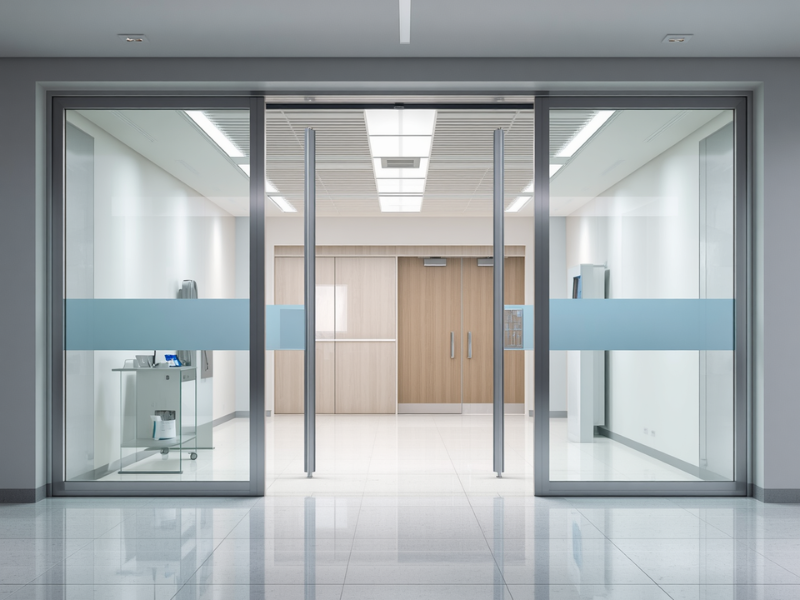
Where Automatic Swing Door Operators Can Be Hidden
Selecting the right strategy to hide automatic door operators should occur during the design phase rather than after construction begins. Different approaches suit different project types and architectural requirements.
| Concealment Method | Best Application | Advantages | Considerations |
| Ceiling recess | Premium commercial entries | Minimal visual impact | Requires early design coordination |
| Bulkhead integration | Offices and healthcare facilities | Easy service access | Additional space required |
| Concealed transom systems | Architectural feature entrances | Fully integrated appearance | Product compatibility must be verified |
| Custom joinery concealment | Luxury residential and boutique projects | High design flexibility | Maintenance access planning essential |
| Door frame integration | New-build projects | Clean architectural lines | Requires precise specification |
The ideal solution depends on available space, structural constraints, maintenance requirements, and the overall architectural vision. Early collaboration between designers and automation specialists helps identify the most suitable option.
Read more: Control Logic Behind Automatic Swing Door Systems
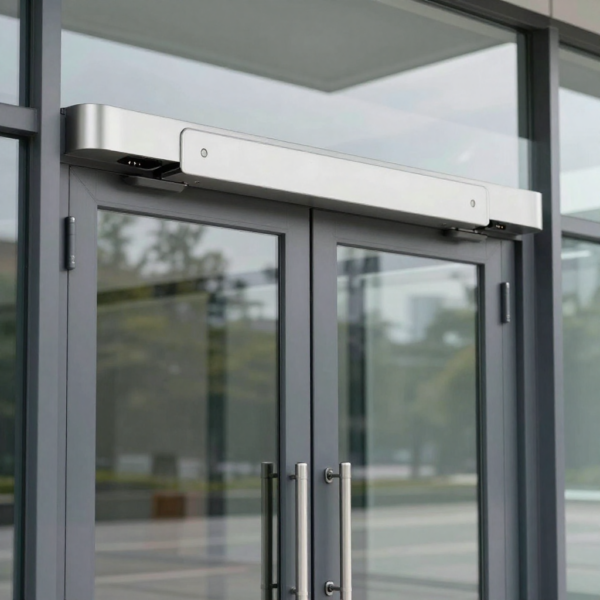
Architectural Integration: Designing Around the Operator From Day One
To successfully hide automatic door operators, it needs to start long before installation. The most visually successful projects treat automation as part of the architectural design rather than an accessory added later. By considering the operator during concept and documentation stages, builders can avoid compromises that affect both appearance and functionality.
Coordinating With Architects Early
To hide automatic door operators, there are many challenges because door automation is specified too late in the project. Once structural elements, ceiling layouts, and glazing systems have been finalised, opportunities for seamless integration become limited.
Early collaboration between architects, builders, and automation specialists allows the team to review elevations, reflected ceiling plans, and entrance details before construction begins. This helps ensure sufficient structural space is allocated and prevents costly redesigns later. It also allows the selected operator to complement the overall architectural vision rather than compete with it.
The earlier the discussion occurs, the easier it becomes to hide automatic door operators without compromising aesthetics.
Ceiling and Bulkhead Design Considerations
Ceiling recesses and architectural bulkheads remain among the most effective methods to hide automatic door operators. However, successful implementation depends on careful planning.
The design must accommodate the operator’s physical dimensions while also providing sufficient clearance for installation and future servicing. Access panels should be discreetly incorporated so maintenance can be performed without damaging surrounding finishes. When coordinated properly, bulkheads can also integrate lighting, air-conditioning components, and other building services, creating a cleaner and more unified entrance design.
Integrating With Door Frames and Glazing Systems
Door frames and glazing systems play a significant role in determining how effectively automation can be concealed. In many commercial projects, aluminium framing systems can be designed to visually incorporate automation components, helping them blend into the overall entrance assembly.
Glass entrances require particularly careful coordination because transparency can expose equipment that would otherwise remain hidden. Maintaining visual symmetry, selecting compatible framing systems, and aligning materials and finishes all contribute to a more seamless appearance.
Concealing Cabling and Power Infrastructure
Even when the operator itself is hidden, exposed cabling can quickly undermine the desired aesthetic outcome. Power supplies, control wiring, sensors, and activation devices should be considered during construction planning rather than treated as installation-stage decisions.
Routing services through wall cavities, ceiling spaces, and concealed pathways helps preserve clean architectural lines. At the same time, designers should ensure future access remains possible for maintenance, upgrades, and fault-finding. A well-planned infrastructure layout supports both appearance and long-term serviceability.
Balancing Accessibility Requirements With Design Goals
While aesthetics are important, accessibility and safety must remain the priority. Concealed automation should enhance the user experience without compromising compliance or functionality.
Designers should carefully consider door opening performance, activation methods, sensor placement, and emergency operation requirements. The most successful projects strike a balance in which occupants experience effortless accessibility while the technology remains largely invisible.
Avoiding Common Architectural Integration Mistakes
Many concealment issues can be traced back to coordination oversights during design and construction. Insufficient cavity space is one of the most common problems, often resulting in visible hardware or expensive site modifications.
Other frequent issues include inadequate maintenance access, late product substitutions, and clashes with HVAC, lighting, or fire system components. These challenges are typically avoidable when all stakeholders collaborate early and review automation requirements alongside other building services. By addressing potential conflicts during design, builders can achieve a cleaner installation and avoid costly adjustments later in the project.
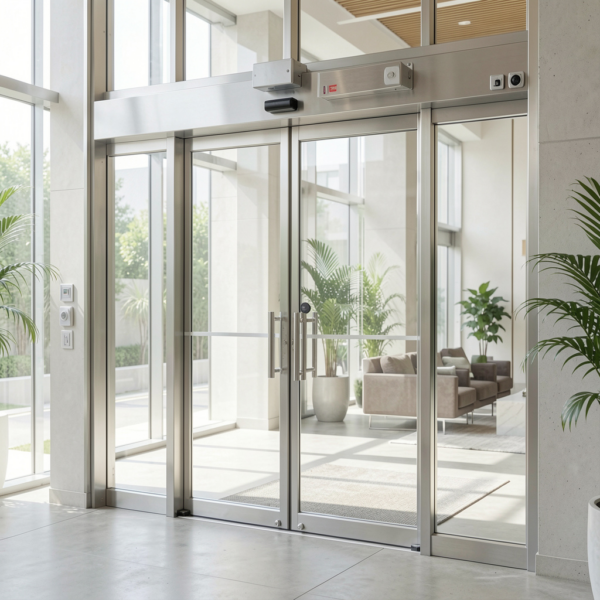
Material and Finish Selection for Seamless Integration
Beyond physical concealment, material selection plays an important role in reducing visual impact. Carefully chosen finishes help automation blend into surrounding architectural elements rather than drawing attention.
Consider the following strategies:
- Match operator covers to architectural finishes to create visual continuity.
- Use powder-coated aluminium finishes that align with surrounding frames and façades.
- Incorporate timber or veneer elements where warm residential aesthetics are desired.
- Coordinate colours across glazing systems, frames, and joinery to minimise contrast.
- Avoid highly reflective surfaces that may draw attention to concealed equipment.
- Select consistent material palettes across entrance zones for a more cohesive appearance.
- Use shadow lines and recessed detailing to visually reduce equipment presence.
When finish selection is coordinated with architectural intent, it becomes much easier to hide automatic door operators effectively.
Builder Coordination Checklist Before Installation
Proper coordination significantly improves installation outcomes and reduces project delays. Before installation begins, builders should verify that all architectural, structural, and operational requirements have been addressed.
✔ Confirm operator dimensions and manufacturer specifications
✔ Verify structural support requirements
✔ Review ceiling cavity clearances
✔ Confirm bulkhead dimensions
✔ Verify power supply locations
✔ Confirm low-voltage cabling pathways
✔ Coordinate with glazing contractors
✔ Review door frame compatibility
✔ Confirm accessibility compliance
✔ Verify fire system integration requirements
✔ Confirm maintenance access provisions
✔ Review sensor locations and activation devices
✔ Conduct final architectural review
Completing this checklist before installation helps prevent site variations and supports a smoother integration process.
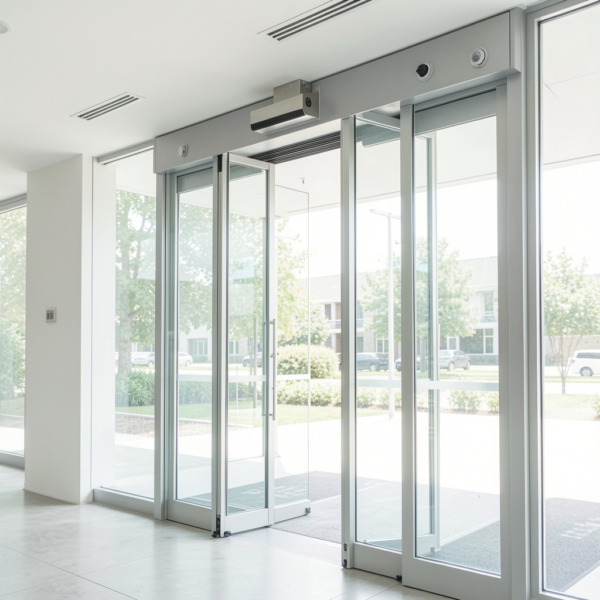
Cost Considerations When Choosing Solutions to Hide Automatic Door Operators
Concealed automation solutions often involve additional planning and construction costs compared with exposed installations.
These costs may include architectural detailing, bulkhead construction, joinery modifications, structural adjustments, and coordination efforts between multiple trades.
However, concealment can also provide long-term value. Projects that successfully hide automatic door operators often achieve higher perceived quality and deliver stronger architectural outcomes. Reduced visual clutter can improve user experience while enhancing the overall presentation of premium developments.
Maintenance access should also be considered during budgeting. While concealment can simplify aesthetics, poorly designed access arrangements may increase servicing costs over time.
Importantly, to hide automatic door operators is usually most cost-effective when planned during the design phase. Retrofitting concealment measures after construction is significantly more expensive and often compromises the design.
For builders and developers, early coordination generally delivers the best balance between cost, appearance, and performance.
When Concealed Automatic Door Operators Deliver the Greatest Value
Concealed solutions are particularly effective when architectural presentation is a key project objective.
They deliver exceptional value in:
- Luxury residential projects
- Corporate reception areas
- Medical and healthcare facilities
- Hotels and resorts
- Premium retail stores
- Multi-residential developments
- Executive office fit-outs
- High-profile public buildings
For builders and specifiers, the decision often comes down to project priorities. If aesthetics, user experience, and premium presentation are central goals, concealed door automation is typically worth considering.
Read more: Hospital Automatic Door – Automatic Swing Door Solutions For Hospitals & Clinics
Frequently Asked Questions
Can all automatic door operators be concealed?
Not all operators can be fully concealed. Suitability depends on the product design, available structural space, maintenance requirements, and the project’s specific architectural configuration.
Is it more expensive to hide automatic door operators?
Generally, yes. Additional design coordination, bulkheads, joinery, and structural allowances can increase costs. However, planning concealment early often minimises these additional expenses.
Do concealed operators affect maintenance access?
They should not if designed correctly. Properly integrated access panels and servicing provisions allow technicians to maintain equipment without disrupting building finishes.
Can hidden automatic door operators still meet accessibility requirements?
Absolutely. Concealment affects appearance rather than functionality. Properly specified systems can fully comply with accessibility and safety standards while remaining visually discreet.
Are concealed systems suitable for retrofit projects?
Some retrofit projects can accommodate concealed solutions, but available space and existing building conditions often limit the options. New-build projects generally provide greater flexibility.
In Conclusion
As expectations for premium building design continue to rise, more project teams are looking for ways to hide automatic door operators without sacrificing performance. Early collaboration among architects, builders, glazing contractors, and automation specialists enables the incorporation of concealment strategies from the outset. Thoughtful planning can be made through ceiling recesses, bulkheads, transom systems, joinery, or frame integration.
For builders and designers seeking guidance on integrating automatic door systems into premium projects, DHS can provide expert advice, product selection assistance, and specification support throughout the design and construction process. Contact us today!