
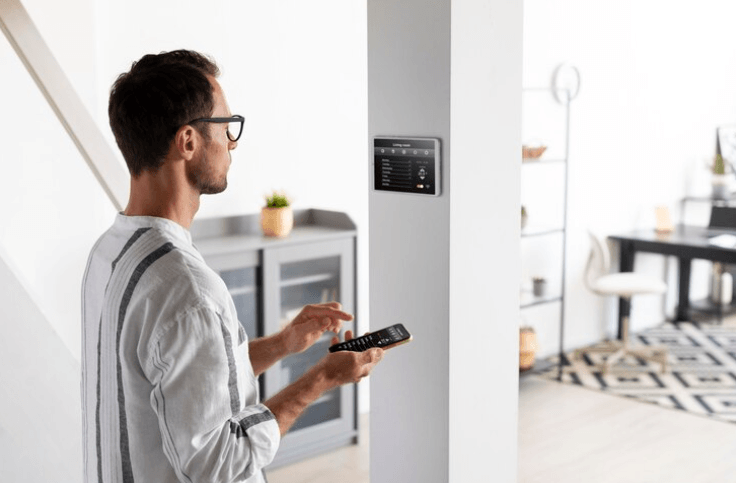
Modern intercom systems have shifted far beyond hardware specifications. Today, property owners and developers are focused on how people actually interact with these systems, leading to the choice between a mobile app entry vs indoor monitor. It’s about user experience, convenience, and how access fits into everyday life.
With growing expectations around remote access, smart integrations, and seamless communication, intercom systems now play a central role in both security and lifestyle, including letting in a delivery driver while you’re away or managing visitor access in a multi-tenant building.
This guide breaks down the differences between mobile app entry vs indoor monitor, helping you choose the right solution. Keep reading!
What Is an Automatic Door Entry System?
An automatic door entry system combines intercom communication, access control, and door automation to manage how people enter a building safely and efficiently. Instead of relying on traditional keys, these systems allow residents, staff, or property managers to verify visitors and remotely unlock doors via indoor monitors, mobile apps, or integrated smart controls.
In modern developments, automatic door entry systems are a critical part of security, accessibility, and building management. Whether installed in apartments, SDA housing, or commercial sites, they enable real-time communication with visitors and provide controlled access to entry points such as lobby doors, gates, and secure areas.
A typical system includes:
- A door station (camera, microphone, call button)
- A control interface (indoor monitor or mobile app)
- An electronic door release mechanism
- Optional integration with broader smart home or building automation systems
For projects requiring a complete solution, these systems are often integrated with access control systems and smart home automation platforms, allowing centralised control of doors, lighting, and security from a single interface.
What Is Mobile App Entry? A Flexible, Cloud-Based Experience
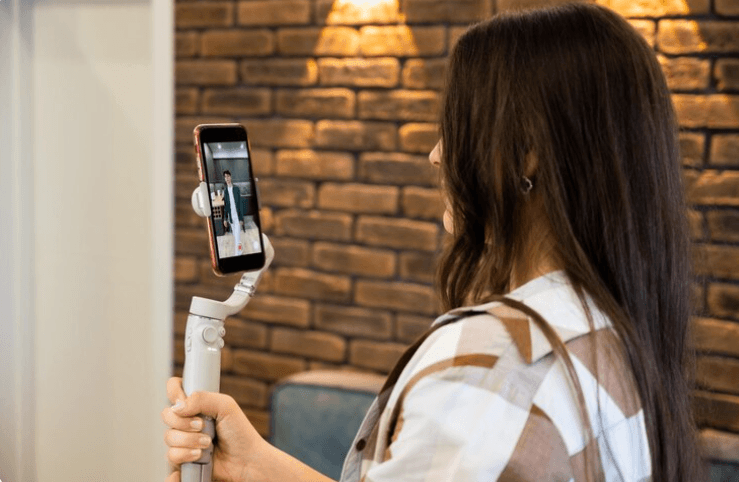
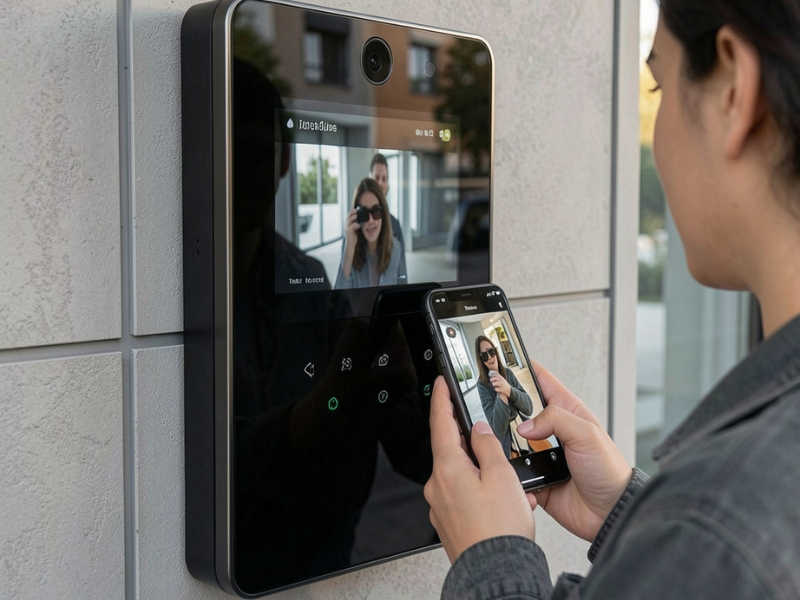
Mobile app entry is a new generation of intercom technology built around smartphones and cloud connectivity. Instead of relying on a fixed device inside a unit, calls from visitors are routed directly to a mobile app. This allows users to see, speak to, and grant access from virtually anywhere.
In a typical setup, when someone presses the intercom at the entrance, the system sends a notification to the resident’s phone. Through the app, the user can view live video, communicate with the visitor, and remotely unlock doors or gates. This creates a highly flexible and responsive access experience.
One of the biggest advantages of mobile app entry is remote accessibility. Whether you’re at work, travelling, or simply in another part of the building, you remain connected to your property. Then, you can manage deliveries, visitors, or service providers without being physically present.
Another key benefit is multi-user flexibility. Access can be easily shared with family members, tenants, or staff without additional hardware. Permissions can also be managed dynamically, which is ideal for properties with frequent tenant turnover or changing access requirements.
Mobile app entry systems also integrate well with broader smart building ecosystems. From access control to security alerts, everything can be centralised within a single interface.
Solutions from companies like Akuvox highlight how mobile app access is becoming a standard feature in modern apartments, offices, and mixed-use developments, where flexibility and scalability are essential.
What Is an Indoor Monitor? A Fixed, Reliable Access Point
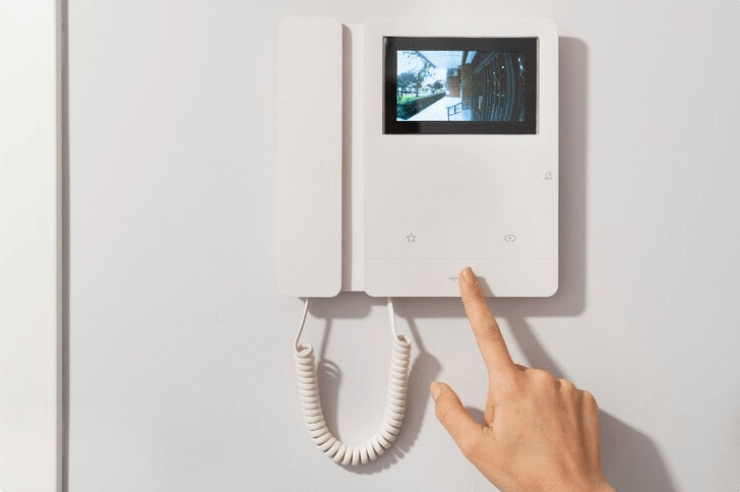
Indoor monitors represent the traditional yet still highly relevant approach to intercom systems. These are wall-mounted devices installed in a home or unit that provide a dedicated screen for communication and access control.
When a visitor rings the intercom, the indoor monitor alerts the occupant to see and speak with the visitor through a built-in display and microphone. Access can then be granted directly from the device.
One of the biggest strengths of indoor monitors is reliability. Unlike mobile-based systems, they do not depend on smartphone availability, app usage, or battery life. The device is always on, always accessible, and ready to use.
This simplicity makes indoor monitors particularly suitable for users who prefer a straightforward, no-fuss solution. There’s no need to install apps, manage notifications, or rely on internet connectivity in the same way as mobile systems.
Indoor monitors also offer clear, consistent visual communication. The fixed screen ensures stable video quality and a familiar interface, which can be especially important in residential settings.
For single residential homes, older occupants, or environments where reliability is critical, indoor monitors remain a trusted option. They provide a sense of security through their physical presence – something that mobile-only systems may not always replicate.
In the context of mobile app entry vs indoor monitor, this highlights a key distinction: while mobile solutions prioritise flexibility, indoor monitors deliver stability and simplicity.
Mobile App Entry vs Indoor Monitor: Key Differences That Impact User Experience
When comparing mobile app entry vs indoor monitor, the differences go far beyond features on a spec sheet. They directly shape how people interact with their intercom system every day, influencing convenience, reliability, and overall satisfaction.
| Feature | Mobile App Entry | Indoor Monitor Intercom |
|---|---|---|
| Accessibility | Access from anywhere via smartphone. Users can receive calls, view visitors, and unlock doors remotely. | Limited to inside the home or unit, but provides a consistent and always-available access point. |
| Convenience | Highly convenient for modern lifestyles. Users can manage access instantly without being physically present. Ideal for deliveries and remote guest access. | Simple and intuitive, but requires the user to be physically present and walk to the device to respond. |
| User Experience | Designed for mobile-first interaction. Familiar to tech-savvy users and integrates seamlessly into daily smartphone use. | Traditional, fixed interface that is easy to understand and operationally consistent. |
| User Dependence | Requires a smartphone, app usage, and digital familiarity. May be challenging for less tech-savvy users. | No reliance on personal devices. Works independently, making it suitable for elderly or less tech-confident users. |
| Reliability | Depends on internet connectivity, app performance, and phone battery. Generally stable but can be affected by external factors. | Highly reliable as a fixed, always-on device. Not dependent on mobile devices or network conditions in the same way. |
| Multi-User Management | Easy to manage multiple users. Permissions can be granted, updated, or removed instantly. | Limited flexibility. Access is tied to the physical device rather than individual users. |
| Security Perception | Strong digital security features, but less visible since there is no dedicated in-home device. | Physical presence provides a clear control point, often increasing user confidence and perceived security. |
| Best For | Apartments, multi-tenant buildings, and users needing remote access and flexibility. | SDA housing, accessibility-focused environments, and users who prefer simplicity and reliability. |
Which Option Fits Different Property Types?
Choosing between mobile app entry vs indoor monitor often comes down to the type of property and how it is used. Different environments have different expectations around access, security, and user behaviour.
- Apartments & Multi-Tenant Buildings
Mobile app entry is often the preferred choice due to its scalability in apartment security workflows. It enables easy tenant onboarding and offboarding, remote access management, and reduced reliance on physical hardware. Indoor monitors can still play a role in premium developments or in settings where a more traditional interface is preferred.
- Single Residential Homes
Indoor monitors are popular for their simplicity and reliability. Homeowners appreciate having a dedicated device that doesn’t rely on mobile phones. However, mobile app entry adds convenience for remote access and managing visitors while away.
- Commercial & Offices
Mobile app entry is ideal for staff mobility and flexible working environments. Employees can manage access from their phones. Hybrid setups are common, with indoor monitors at reception desks for centralised control.
- Retrofit / Legacy Buildings
Upgrading older systems can be challenging, but solutions like the Akuvox 2-Wire IP Intercom Kit make it possible to implement both mobile app entry and indoor monitors without extensive rewiring.
- High-Security Sites
These environments often benefit from a dual approach. Combining mobile app entry with indoor monitors ensures redundancy and enhances overall security.
Across all these scenarios, the mobile app entry vs indoor monitor decision should be guided by user expectations, infrastructure constraints, and long-term flexibility.
The Hybrid Approach: Why Many Sites Are Combining Both
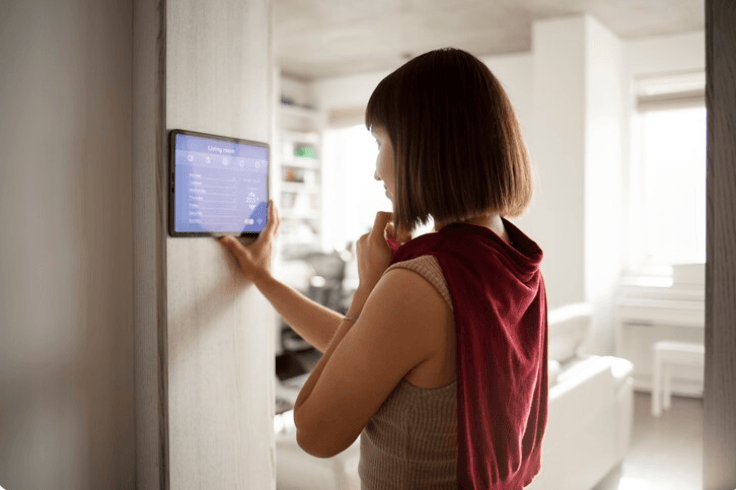
Rather than choosing one over the other, many modern developments are adopting a hybrid approach that combines mobile app entry with indoor monitors. This strategy addresses the limitations of each system while enhancing overall usability.
Indoor monitors provide a reliable, in-unit access point that doesn’t depend on mobile devices. At the same time, mobile app entry extends that functionality beyond the home, enabling remote access and real-time notifications.
This combination significantly improves the overall apartment intercom user experience. Residents can choose how they interact with the system based on their preferences and situation – whether they’re at home or on the go.
Systems from Akuvox are designed to support this seamless integration, allowing both interfaces to work together within a single ecosystem.
From a future-proofing perspective, hybrid systems also offer greater scalability. As user expectations evolve, properties can adapt without replacing their entire infrastructure.
In the ongoing discussion of mobile app entry vs indoor monitor, the hybrid model is increasingly becoming the preferred solution for forward-thinking developments.
Best Automatic Door Entry System by Property Type
Choosing the right automatic door entry system depends heavily on the type of property, the users, and how access needs to be managed daily. Different environments require different levels of flexibility, security, and accessibility.
Apartment & Strata Buildings
For multi-residential developments, mobile app-based door entry systems are increasingly the preferred choice. They allow residents to:
- Grant access remotely from anywhere
- Manage multiple users (family, tenants, guests)
- Receive video calls and unlock doors via smartphone
These systems reduce the need for physical infrastructure inside each unit and are ideal for scalable, cloud-based access control across large buildings. However, many strata projects now adopt a hybrid approach, combining app access with indoor monitors to cater to a wider range of users.
SDA & NDIS Housing
In Specialist Disability Accommodation (SDA), the priority shifts to accessibility, reliability, and ease of use.
The most effective SDA automation solutions typically include:
- Indoor monitor intercoms for simple, fixed control
- Hands-free or large-interface operation
- Backup access methods in case of connectivity issues
- Integration with assistive technologies
While mobile app access can support carers and support staff, a fixed indoor monitor is often essential to ensure residents can safely and independently manage entry.
Commercial & Mixed-Use Buildings
Commercial environments require robust, secure, and auditable access control.
The best access control systems include:
- Mobile credentials or app-based entry for staff
- Centralised management dashboards
- Integration with access control systems (cards, PINs, biometrics)
- Multi-entry point management (doors, gates, restricted zones)
For these sites, automatic door entry systems are typically part of a broader integrated security and automation ecosystem.
Accessibility & Compliance Considerations (NDIS / SDA)
For SDA- and NDIS-funded housing, automatic door-entry systems must go beyond standard functionality. They need to support participant independence, safety, and compliance requirements.
An effective system should include accessibility-focused features such as:
- Simple, intuitive interfaces. Large buttons, clear visuals, and easy navigation for users with cognitive or physical impairments
- Hands-free operation. Voice control, app-based unlocking, or integration with assistive devices
- Two-way audio and video communication. Enables residents to safely identify visitors before granting access
- Emergency access capability. Allows carers or support staff to enter quickly when required
- Reliable fallback options. Systems should continue functioning during network outages or technical issues
- Integration with assistive technology. Seamless connection with smart home systems, sensors, and automation platforms
Compliance is not just about meeting minimum standards; it’s about ensuring the system genuinely improves daily living outcomes and care efficiency.
Retrofit Advantage: Upgrading Without Rewiring (Akuvox Solution Spotlight)
One of the biggest barriers to upgrading intercom systems in existing buildings is the need for new cabling. Traditional upgrades often involve costly and disruptive rewiring, which can be impractical in occupied or finished properties.
This is where the Akuvox 2-Wire IP Intercom Kit stands out as a game-changer.
By leveraging existing 2-wire infrastructure, this solution enables properties to transition from analogue systems to full IP intercom functionality without tearing into walls or undertaking major construction. This significantly reduces both cost and installation time.
The system delivers all the benefits of modern intercom technology, including support for mobile app entry and indoor monitors. This means property owners don’t have to compromise – they can implement a hybrid solution even in older buildings.
For renovations, apartment upgrades, or budget-conscious projects, this approach offers a practical pathway to modernisation. It also ensures that the system remains future-ready and can integrate with broader smart-building ecosystems.
To Sum Up,
There’s no one-size-fits-all answer when it comes to mobile app entry vs indoor monitor. Each option brings distinct advantages, and the right choice depends on your property’s specific needs.
Mobile app entry offers unmatched flexibility and mobility, making it ideal for modern, connected environments. Indoor monitors provide reliability and simplicity, ensuring consistent access regardless of external factors. Meanwhile, hybrid systems combine the best of both worlds, delivering a balanced and future-ready solution.
When making your decision between mobile app entry vs indoor monitor, consider user demographics, building type, and integration requirements. A well-chosen intercom experience doesn’t just improve security – it enhances everyday living.
At Digital Home Systems, we work with installers, developers, and integrators to design reliable, scalable automatic door entry solutions for residential, commercial, and SDA environments. Whether you’re planning a new build or upgrading an existing property, our team can help you select the right combination of mobile access, indoor monitors, and integrated control systems.
We support a wide range of technologies, including Z-Wave, KNX, and IP-based intercom systems, ensuring seamless integration with broader smart home and building automation platforms.
FAQs
What is an automatic door entry system?
An automatic door entry system allows users to communicate with visitors and remotely unlock doors via an intercom, mobile app, or access control interface. It replaces traditional keys with secure, managed access.
Is a mobile app door entry system secure?
Yes, modern mobile app systems use encrypted communication and user authentication. They also provide audit trails, allowing property managers to track access activity and improve overall security.
Are indoor monitor intercoms still relevant?
Indoor monitors remain highly relevant, especially in SDA housing and accessibility-focused environments. They provide a reliable, simple interface that does not depend on smartphones or internet connectivity.
What is the best system for SDA or NDIS housing?
The best solution is typically a hybrid system that combines indoor monitors for residents with mobile app access for carers and staff. This ensures both accessibility and operational flexibility.
Can automatic door entry systems be retrofitted?
Yes, many modern systems, particularly wireless and app-based solutions, can be installed in existing buildings without extensive rewiring, making them ideal for retrofit projects.


2 Comments
[…] Indoor monitors or mobile access. Residents can answer calls through in-unit monitors or mobile apps. Mobile-enabled systems offer greater flexibility, allowing residents to grant access remotely. This is increasingly becoming a standard expectation. […]
[…] Read more: Mobile App Entry Vs Indoor Monitor For Secure Access […]