

For apartment buildings and multi-dwelling complexes, upgrading an intercom system can significantly improve security and enhance property value. However, for those responsible for making the call, intercom planning for strata committees is rarely straightforward.
Strata committees must balance a wide range of considerations, from budget constraints and resident expectations to long-term performance and maintenance. A poorly planned upgrade can result in costly rework or even frustrated residents.
That’s why taking a structured approach to intercom planning for strata committees is essential. This guide is designed to help committees ask the right questions and make confident, future-focused decisions that benefit the entire building.
Why Strata Buildings Are Upgrading Intercom Systems
Many older intercom systems are reaching the end of their lifecycle, leading to ongoing reliability issues and rising maintenance costs. Poor audio quality, limited functionality, and lack of remote access are common complaints among residents.
Modern intercom systems address these limitations by introducing video communication, smartphone connectivity, and remote door control. These features significantly improve both convenience and security, while also making properties more attractive to tenants and buyers.
As a result, upgrading to a modern intercom system has become a priority for strata buildings looking to remain competitive and functional.
What’s Really Involved in a Strata Intercom Upgrade?
Before making intercom planning for strata committees, it’s important to understand what a typical upgrade includes. Many committees underestimate the scope, which can lead to surprises later in the process.
A strata intercom upgrade generally involves multiple components working together:
- Entry panels. Installed at building entrances, this apartment entry planning allows visitors to call residents and request access. Modern panels often include video cameras, touchscreens, digital directories, and even facial recognition in some advanced systems.
- Indoor monitors or mobile access. Residents can answer calls through in-unit monitors or mobile apps. Mobile-enabled systems offer greater flexibility, allowing residents to grant access remotely. This is increasingly becoming a standard expectation.
- Wiring infrastructure. This is the backbone of the system and often the most complex aspect of an upgrade. Existing cabling conditions can significantly impact costs, installation time, and the types of systems that can be installed.
- Integration with access control systems. Intercoms often connect with doors, gates, lifts, and security systems. A well-integrated solution ensures seamless operation – for example, unlocking doors remotely or restricting lift access based on permissions.
There are also important technology choices in the intercom planning for strata committees:
- Audio vs video intercom systems. Audio systems are simpler and more budget-friendly, but they lack visual verification. Video systems provide an added layer of security by allowing residents to see who is at the door before granting access.
- Wired vs IP-based systems. Traditional wired systems are reliable but limited in features. IP-based systems use network connectivity, enabling advanced capabilities such as mobile apps, cloud management, remote diagnostics, and integration with smart building technologies.
One of the most critical considerations is future scalability. A system should be able to adapt to future needs – such as additional units, new technologies, or integrations.
Older buildings may face additional challenges. Existing infrastructure may not support modern systems, and physical constraints can influence what’s realistically achievable. This makes early-stage planning even more important.
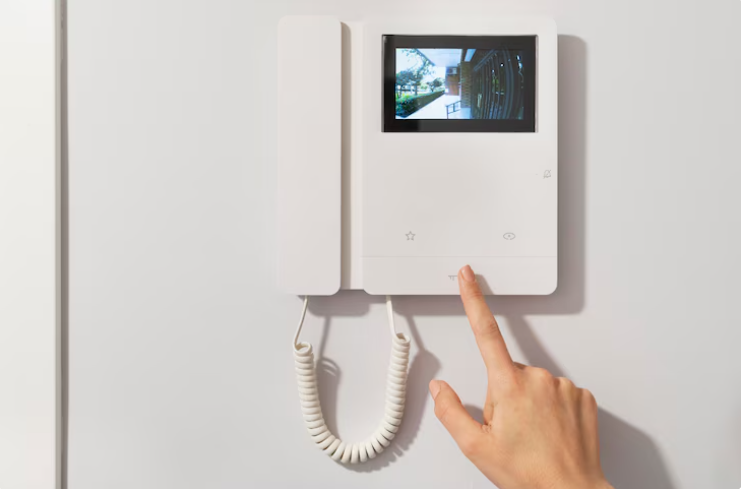
Key Questions Intercom Planning for Strata Committees Before Approval
When it comes to intercom planning for strata committees, asking the right questions upfront can prevent costly mistakes down the track. Each of the following questions plays a crucial role in shaping a successful upgrade.
What problem are we actually solving?
It’s essential to clearly define the core issue before selecting a solution. Whether the goal is to improve security, replace an unreliable system, or introduce modern conveniences such as mobile access? Identifying the primary objective ensures that the chosen system directly addresses real needs rather than adding unnecessary features.
What do residents expect from the new system?
Resident expectations can vary widely depending on demographics and lifestyle. Some may prioritise simplicity and reliability, while others expect app-based access and video capabilities. Conducting surveys or informal consultations helps committees align decisions with user preferences.
What is the building’s current wiring condition?
Understanding the condition and type of existing wiring is critical. If the infrastructure is outdated or damaged, it may limit system options or require additional work. A professional assessment can help determine whether the wiring can be reused or if upgrades are necessary.
What is the total project cost vs long-term value?
Committees should look beyond the initial quote and consider the total cost of ownership. This includes maintenance, potential upgrades, system lifespan, and support services. Investing slightly more upfront in a reliable, scalable system can result in significant savings over time.
How scalable is the system?
A scalable system can grow with the building’s needs. This includes adding more units, integrating with other technologies, or upgrading features without replacing the entire system. Scalability protects the investment and reduces the likelihood of future disruptions.
What level of disruption will installation cause?
Installation can be disruptive, especially in occupied buildings. Committees should assess how long the work will take and whether access to individual units is required. Also, they should know how installers plan to minimise inconvenience to residents during the process.
Who will maintain and support the system post-install?
Ongoing maintenance is essential to keep the system running smoothly. Committees should ensure a clear support plan is in place, including service agreements, response times, and access to technical assistance as needed.
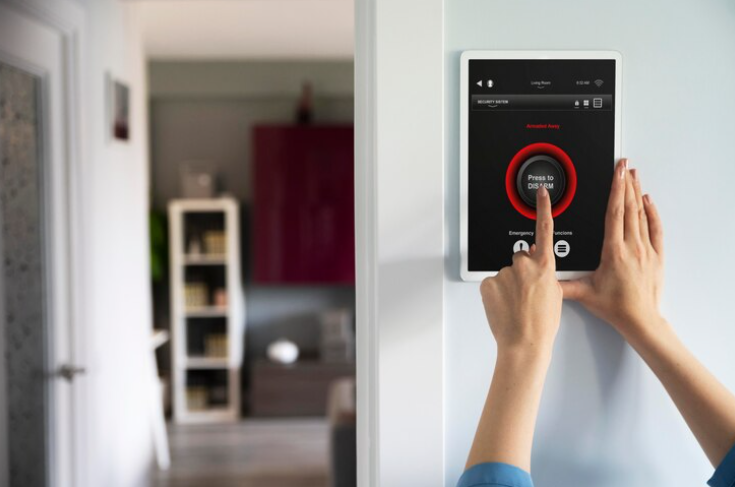
Intercom Systems for Strata Buildings: What You Should Be Looking For
When selecting an intercom system for a strata building, it’s important to focus on features that deliver both functionality and long-term value. Modern systems should provide clear video communication, seamless mobile access, and remote control of doors and gates.
In addition, the system should support multiple users across different units and integrate seamlessly with access control systems and other building technologies. Flexibility is also key, particularly in older buildings where compatibility with existing wiring can significantly simplify installation.
👉 Explore our intercom systems for apartments and strata buildings.
Wired vs Wireless Intercom Systems for Apartments
Wired intercom systems are known for their reliability and stability, making them a strong choice for new developments where infrastructure can be planned from the outset. However, in existing buildings, installation can be more complex and costly.
Wireless systems offer faster installation and reduced disruption, but they may be limited by signal range and interference, particularly in larger buildings.
Hybrid or IP-based systems provide a balance between the two, offering reliable performance while maintaining flexibility. These systems are increasingly popular in retrofit projects due to their ability to work with existing infrastructure.
Retrofit vs Full Replacement: What’s Best for Your Building?
One of the biggest hurdles in intercom planning for strata committees is dealing with existing building infrastructure. Unlike new developments, apartment buildings often come with significant limitations.
Common challenges include:
- Concrete walls and floors. These make it difficult and costly to run new cabling, often requiring specialised tools and additional labour, thereby significantly increasing project costs.
- Limited conduits. Existing conduits may already be full or inaccessible, limiting the ability to install new wiring without major modifications to the building.
- Heritage or structural restrictions. Some buildings have restrictions that prevent extensive modifications, making it difficult to carry out invasive work like rewiring.
Because of these challenges, committees typically face two main options:
- Full rewiring
- High installation cost due to labour-intensive work and materials
- Invasive process involving cutting into walls and ceilings
- Longer project timelines that can extend over weeks
- Significant disruption to residents and daily routines
- Retrofit solutions
- Reuse existing cabling, reducing the need for structural changes
- Minimal impact on building structure and aesthetics
- Faster installation timelines with less labour required
- Lower overall cost compared to full rewiring
Retrofit apartment entry communication solutions are increasingly the preferred choice. They allow buildings to upgrade functionality without the complexity and expense of a full rewire.
A key innovation in this space is 2-wire to IP conversion, which enables older analogue wiring to support modern IP-based intercom systems.

Why Retrofit Intercom Solutions Are Winning Over Committees
As technology evolves, so do the expectations of both residents and committees. Retrofit-friendly systems are gaining popularity because they strike a balance between performance and practicality.
Here’s why more committees are leaning towards retrofit solutions:
- Lower installation costs. By eliminating the need for extensive cabling, retrofit systems significantly reduce labour and material costs, making them more budget-friendly for strata projects.
- Minimal disruption to residents. Retrofit installations typically avoid invasive work, meaning residents experience less noise, fewer interruptions, and minimal need for access to their individual units.
- Faster project completion. With less physical work required, installations can be completed more quickly, allowing committees to deliver improvements without prolonged disruption.
- Modern functionality without major upgrades. Despite using existing infrastructure, retrofit systems can still support advanced features such as video intercom, mobile access, and integration with smart technologies.
- Better feasibility for older buildings. In many older buildings, rewiring is either impractical or too costly. Retrofit solutions provide a realistic and effective alternative that still delivers modern performance.
Intercom Planning for Strata Committees: Cost vs Long-Term Value
When evaluating intercom systems, it’s important to look beyond the initial installation cost and consider the total value over time.
Lower-cost systems may appear attractive upfront, but they often come with limitations such as reduced functionality, limited scalability, or higher maintenance requirements. Over time, these factors can lead to additional expenses and the need for earlier replacement.
In contrast, investing in a well-designed system that integrates with access control and supports future upgrades can deliver significant long-term savings. These systems are typically more reliable, easier to maintain, and better suited to evolving building requirements.
Strata committees should also consider indirect value, such as improved resident satisfaction, enhanced security, and increased property appeal. These benefits contribute to the overall return on investment and make a strong case for choosing quality over short-term cost savings.
Recommended Intercom System for Strata Retrofits: 2-Wire IP Solutions
When considering practical solutions, the Akuvox 2-Wire IP Intercom Kit stands out as a strong option for an intercom planning for strata committees. It directly addresses many of the challenges strata committees face during intercom planning.
One of its key advantages is the ability to reuse existing 2-wire cabling, eliminating the need for extensive rewiring. This dramatically reduces installation costs and minimises disruption – two major concerns for occupied buildings.
Despite leveraging older infrastructure, the system delivers full IP video intercom functionality. Residents can enjoy features such as mobile access, video verification, and smart integrations, all within a modern and user-friendly interface.
From a committee perspective, this means faster deployment, lower costs, and a smoother upgrade process. It also ensures compatibility with older buildings while still offering scalability for future needs.
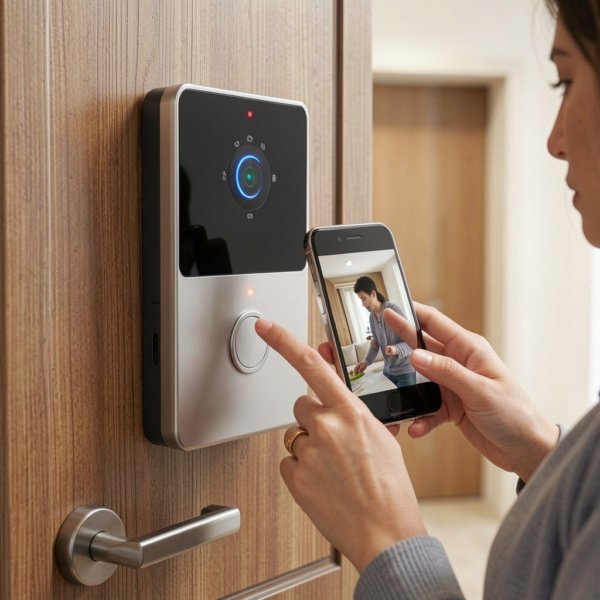
Common Mistakes Strata Committees Should Avoid
Even with the best intercom planning for strata committees, committees can make decisions that lead to issues later. Being aware of common pitfalls can help avoid unnecessary setbacks.
- Focusing only on the upfront cost. While it’s tempting to choose the lowest quote, this can lead to higher long-term costs if the system requires frequent maintenance, lacks reliability, or becomes outdated quickly.
- Not consulting residents early. Skipping resident input can result in a system that doesn’t meet expectations, leading to complaints or resistance after installation. Early engagement helps ensure better adoption and satisfaction.
- Choosing systems with limited scalability. A system that cannot expand or integrate with future technologies may need to be replaced sooner than expected, resulting in additional costs and disruption.
- Underestimating installation complexity. Older or larger buildings often present unexpected challenges. Without proper planning, installation can take longer and cost more than initially anticipated.
- Ignoring integration opportunities. Modern intercom systems can work alongside access control and smart home technologies. Overlooking these opportunities can limit functionality and reduce long-term value.
Final Thoughts,
At its core, intercom planning for strata committees is about making a long-term investment in the building’s functionality, safety, and appeal. By asking the right questions, understanding infrastructure constraints, and evaluating both short-term and long-term impacts, committees can make informed decisions that stand the test of time.
Solutions like the Akuvox 2-Wire IP Intercom Kit demonstrate how modern technology can align with practical realities, offering a low-disruption, cost-effective upgrade path without compromising features.
Ultimately, a well-planned intercom upgrade is not just a technical improvement. It enhances security, simplifies daily living, and contributes to the overall value of the property – making intercom planning for strata committees a decision that truly matters.
👉 Speak to our team about upgrading your strata intercom system today.
FAQs
What is the best intercom system for strata buildings?
The best system depends on the building’s size, infrastructure, and requirements, but most modern strata properties benefit from video intercom systems that offer mobile access and integration capabilities.
Can old intercom wiring be reused?
In many cases, existing wiring can be reused, particularly with modern retrofit solutions such as 2-wire IP systems, which are designed to work with older infrastructure.
How much does an apartment intercom upgrade cost?
Costs vary depending on the size of the building, system type, and installation complexity. Retrofit solutions are generally more cost-effective than full replacements.
What is a 2-wire intercom system?
A 2-wire intercom system uses existing cabling to deliver modern IP-based functionality, making it a practical option for upgrading older apartment buildings.
How long does installation take in an apartment building?
Installation timelines depend on the system and building size, but retrofit solutions can significantly reduce both project duration and disruption to residents.


3 Comments
[…] Read more: Intercom Planning For Strata Committees: 7 Key Questions Before You Upgrade […]
[…] Read more: Intercom Planning For Strata Committees: 7 Key Questions Before You Upgrade […]
[…] Read more: Intercom Planning For Strata Committees: 7 Key Questions Before You Upgrade […]