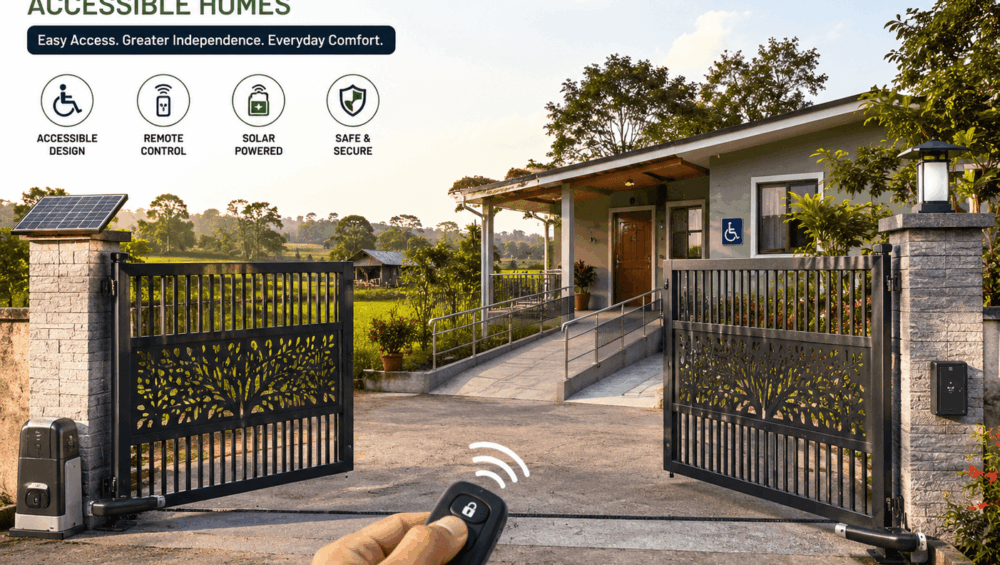
Living in a rural or semi-rural property often comes with unique accessibility challenges, including long driveways, uneven terrain, unpredictable weather, and heavy manual gates. These conditions can make entering and leaving home more difficult for people who use mobility aids, manage fatigue, or rely on carer support. That’s why automatic gates for accessible homes are becoming part of a broader strategy for safer, more independent living.
Modern gate automation can significantly improve daily accessibility and support greater home entrance independence. From remote-controlled sliding gates to integrated intercom and smart home systems, technologies offer scalable solutions suited to rural environments and evolving accessibility needs.
Why Accessible Gate Automation Matters in Rural Properties
For many rural homeowners, opening and closing a manual gate is simply part of daily life. But when accessibility challenges are involved, those routine tasks can become exhausting and unsafe. Heavy farm-style swing gates, muddy driveways, poor weather conditions, and repeated vehicle entry throughout the day all add strain.
The need for accessibility extends well beyond wheelchair users alone. People living with arthritis, fatigue-related conditions, chronic pain, temporary injuries, or reduced mobility may all struggle with manual gates. Carers and support workers also benefit from smoother access to properties.
This is where automatic gates for accessible homes become valuable. Instead of exiting a vehicle multiple times in rain, mud, or darkness, users can operate gates remotely from inside the car or home. The result is not just greater convenience, but improved safety and dignity.
Reliable gate automation also helps reduce dependence on others for basic entry tasks. That independence can have a major impact on confidence and quality of life for people living on larger properties.
For households already exploring safer home access solutions or mobility-friendly property upgrades, automated gates can become an important part of a more accessible entry experience.
Choosing the Right Gate Type for Accessibility and Property Layout
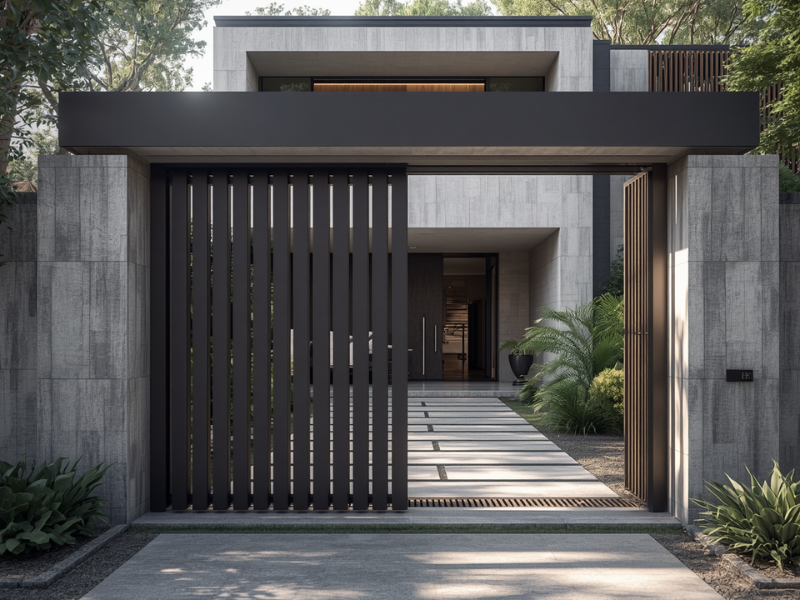
Selecting the right gate system depends on property layout, terrain, wind exposure, driveway length, and accessibility goals. Both sliding and swing gates offer benefits, but each suits different environments and usage patterns.
| Feature | Sliding Gates | Swing Gates |
| Best property type | Sloped or narrow properties | Wide rural entrances |
| Accessibility suitability | Excellent for frequent access | Good for large openings |
| Space requirements | Requires side clearance | Requires front/back swing space |
| Reliability on uneven ground | Highly reliable | Can be affected by terrain |
| Wind resistance | Better in high-wind areas | More wind exposure |
| Maintenance considerations | Track maintenance required | Hinge maintenance required |
Before selecting automatic gates for accessible homes, homeowners should consider how vehicles move through the property, whether mobility aids are used, and how weather conditions affect daily access.
Sliding Gates for Sloped or Windy Properties
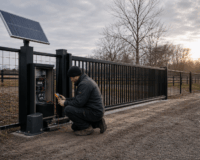
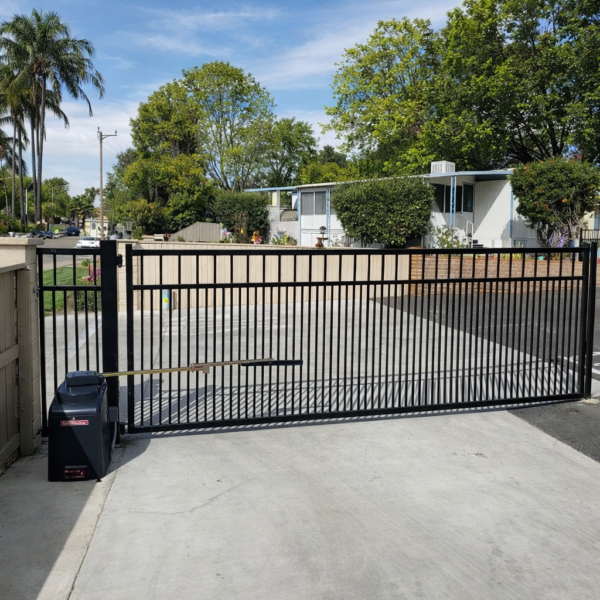
Sliding gates are often the preferred rural accessible gate option for semi-rural properties with uneven terrain or strong wind exposure. Because they move horizontally along a track, they’re generally more stable and reliable in difficult conditions.
They also minimise obstruction around entry points, making them ideal for long driveways or narrow access areas. For accessibility-focused properties, sliding gates can provide smoother operation and reduced maintenance issues over time.
Swing Gates for Wider Entrances
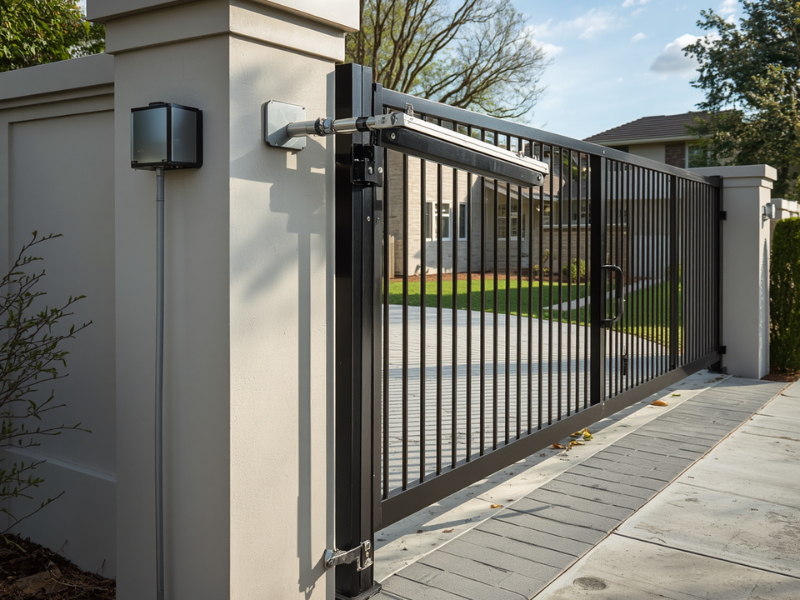
Swing gates remain popular for traditional rural homes and acreage properties, particularly those with wide entrances. Dual-leaf swing systems can create generous openings suitable for larger vehicles, trailers, or mobility-focused access requirements.
However, swing gates require sufficient clearance space and may be more affected by sloping ground or high winds. Proper planning is essential when considering this type of disability gate automation solution.
Read more: Best Gate Automation Options For Sloped Driveways And Challenging Sites
Key Accessibility Features to Consider
The best automatic gates for accessible homes can reduce repetitive physical tasks, improve safety, and simplify the entire arrival process for residents, carers, and visitors.
When evaluating systems, consider features such as:
- Remote controls with large buttons – Easier operation for users with dexterity or vision limitations.
- Smartphone operation – Open and monitor gates remotely through mobile apps.
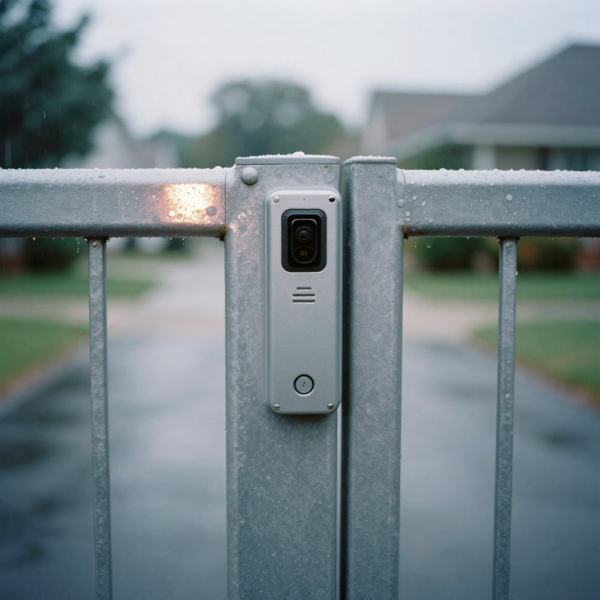
- Intercom integration – Intercom systems allow visitors to communicate without physically approaching the gate.
- Automatic closing timers – Reduce the need to remember to manually close the gate.
- Obstacle detection sensors – Improves safety for pedestrians, vehicles, pets, and mobility aids.
- Low-force operation – Smoother motion reduces safety risks and mechanical strain.
- Battery backup systems – Maintain operation during power outages.
- Voice assistant compatibility – Supports hands-free control within broader smart home systems.
- Vehicle detection loops – Automatically open gates for authorised vehicles.
- Keypad or PIN access – Simplifies entry for carers, support workers, and regular visitors.
These features collectively help reduce exposure to poor weather, repetitive transfers in and out of vehicles, and unnecessary physical effort throughout the day.
Rural Reliability Considerations Most Homeowners Overlook
Many homeowners focus primarily on gate appearance or motor strength, but rural environments introduce additional reliability challenges.
Power Reliability and Backup Options
Power interruptions are more common in regional and semi-rural areas. Battery backup systems help maintain gate functionality during outages, while solar-compatible automation systems can improve reliability in remote locations.
Surge protection is also important, particularly in areas prone to storms or unstable electrical supply.
Weather and Environmental Exposure
Dust, heavy rainfall, heat, and corrosion can all affect gate performance over time. Choosing weather-resistant motors (such as Beninca motors), sealed electronics, and durable materials is essential for long-term reliability.
This is particularly important for automatic gates for accessible homes, where users may rely heavily on uninterrupted operation for daily mobility and property access.
Long Driveways and Signal Range
Long rural driveways can create communication challenges for RF remotes, Wi-Fi systems, and intercom connectivity. In some cases, GSM-based communication systems or signal repeaters may provide more reliable performance. Homeowners should ensure their chosen system is suitable for the full scale of the property.
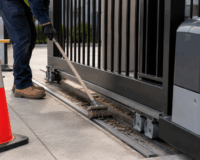
Maintenance Access
Regional servicing availability matters. Choosing installers who understand rural conditions and can provide ongoing maintenance support helps reduce future disruptions.
A properly planned rural accessible gate solution should prioritise both functionality and long-term serviceability.
Integrating Automatic Gates for Accessible Homes into a Broader Accessible Home Setup
Automatic gates for accessible homes work best when treated as part of a complete accessibility ecosystem rather than a standalone device. Integrated entry systems can dramatically reduce friction during the arrival and departure process.
A connected setup may include:
- Intercom systems
- Smart locks
- Automated lighting
- CCTV visibility
- Voice control
- Whole-home automation platforms
For example, a resident could open the gate remotely, automatically activate pathway lighting, view visitors via a mobile intercom app, and unlock the front door without leaving their vehicle. This kind of integration supports smoother daily routines while future-proofing the home for changing accessibility needs over time.
For homeowners researching smart accessibility technologies, Assistive Technology Suppliers Australia (ATSA) Ltd will provide useful guidance around assistive technologies and independent living solutions.
Planning for NDIS and Home Modification Discussions
In some situations, automatic gates for accessible homes may be part of broader discussions about home modifications or accessibility improvements. Features that improve safety, access, and independence may be relevant when planning future property upgrades.
Occupational therapists often play an important role in assessing functional needs and identifying solutions that support daily living goals. Factors such as property layout, mobility requirements, carer access, and long-term usability can all influence recommendations.
Installer documentation, product specifications, and system planning may also assist during consultation and project evaluation stages.
Rather than focusing solely on immediate requirements, many homeowners benefit from planning accessibility upgrades that can adapt alongside future needs and evolving mobility considerations.
Read more: NDIS Friendly Entry Upgrades: Automatic Doors, Intercoms & Access Control
Real-World Use Case Example: Improving Entry Independence on a Semi-Rural Property
A homeowner living on a semi-rural acreage property had been experiencing increasing difficulty managing their manual entrance gate. The long gravel driveway, combined with fatigue-related mobility limitations and frequent poor weather, made daily entry physically demanding.
Previously, the homeowner often relied on family members or support workers to assist with gate access, particularly during rain or at night. After consulting with an automation specialist, they upgraded to a sliding gate system with remote operation, intercom connectivity, and battery backup.
The outcome was immediate. The new disability gate automation setup reduced physical strain, improved visitor management, and allowed the homeowner to leave and return independently with greater confidence.
Importantly, the upgrade also enhanced overall home entrance independence by simplifying routine property access and reducing unnecessary reliance on others.
What to Ask Before Choosing an Installer or Gate System
Choosing the right installer is just as important as selecting the gate hardware itself. Rural accessibility projects often require more specialised planning than standard suburban installations.
Before proceeding, consider asking:
- Does the installer have experience with accessibility-focused projects?
- Have they completed rural or semi-rural installations before?
- What backup power options are available?
- How quickly can servicing or repairs be provided locally?
- Can the system integrate with intercoms or smart home platforms?
- What safety sensor systems are included?
- Can the system be expanded later if needs change?
- What ongoing maintenance is required?
- Are replacement parts readily available?
Trusted automation ecosystems like Nice are often preferred because they support scalable residential automation and future integration opportunities.
In Conclusion
Investing in automatic gates for accessible homes for rural and semi-rural homeowners can eventually improve safety, reduce physical strain, support independence, and simplify everyday access to their property. The right automation setup can make daily life significantly easier.
From reliable sliding gate systems to integrated intercom and smart access control technologies, modern solutions are designed to support both practicality and peace of mind.
Planning a more accessible rural entry solution? Speak with DHS about gate automation systems that can be tailored to your property layout, accessibility goals, and future plans.
FAQ
Are automatic gates suitable for rural accessible homes?
Yes. Modern automatic gates for accessible homes are designed to improve safety, reduce physical effort, and facilitate easier access to property in rural environments.
What type of automatic gate works best on sloped driveways?
Sliding gates are often better suited to sloped or uneven driveways because they offer more stable operation and are less affected by terrain changes.
Can automatic gates for accessible homes operate during power outages?
Many systems include battery backup options or solar compatibility to maintain operation during outages.
Are gate automation systems suitable for people with mobility challenges?
Yes. Features like remote controls, smartphone access, voice control, and intercom integration can significantly reduce physical strain and improve independence.
Can automatic gates integrate with intercom systems?
Absolutely. Most modern systems can integrate with intercoms, smart locks, CCTV, and broader home automation platforms.