When discussing accessibility upgrades, many participants, carers and families can feel overwhelmed by unfamiliar terminology. Conversations about smart access systems, automatic doors and intercoms often become too technical, making it harder for people to feel confident in their decisions.
The ability to explain entry automation options clearly is essential in disability access planning. People are more likely to engage in the process when information feels simple, practical and relevant to their everyday lives. Good communication also helps participants better understand the wide range of accessible home technology options available today.
Whether discussing automatic doors, gates or intercom systems, clear explanations can empower people to make informed decisions without feeling pressured or confused.
What “Entry Automation” Actually Means in Everyday Language
For many participants and families, the term “entry automation” sounds highly technical or complicated. In reality, most systems are designed to make entering and leaving a property easier, safer and more convenient. The best way to explain entry automation options is to describe what the technology actually does in daily life rather than focus on technical specifications.
Automatic Doors
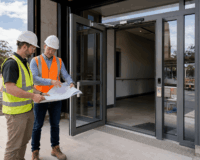
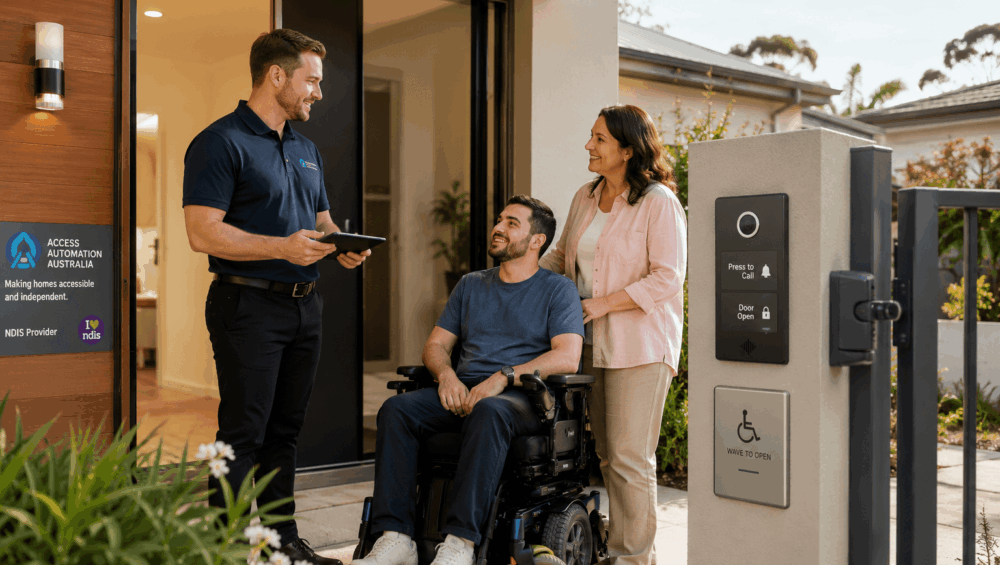
Automatic doors open without being manually pushed or pulled. Depending on the setup, they may operate using a button, a sensor, a remote control, or an access control system.
For participants with mobility limitations, fatigue issues or limited hand strength, this can make everyday movement much easier. Instead of struggling with a heavy door, the system helps provide smoother access to the home, therapy room, or supported accommodation.
A practical example might be: The door can open automatically when you press a button or approach it, so you don’t need to physically pull it open.
Automatic Gates
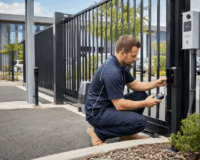
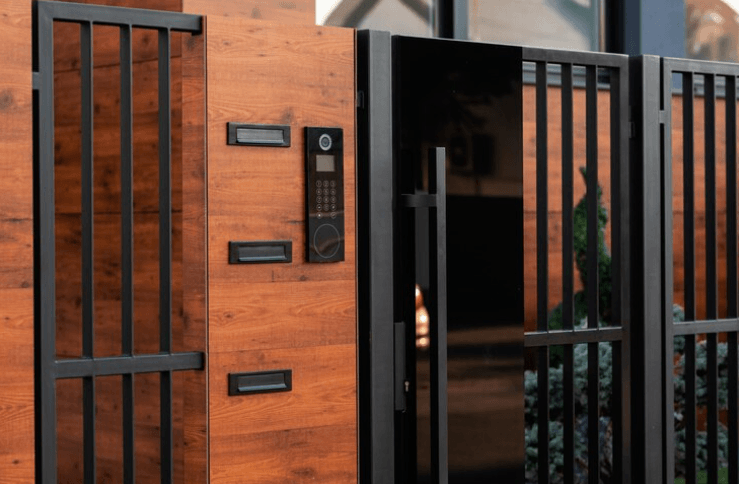
Automatic gates are driveway or pedestrian gates that can be opened using a remote, mobile app, keypad, or wall button.
Rather than discussing motor specifications or communication protocols, it is often more helpful to explain the real-world outcome: “You can open the gate without needing to get out of the car or walk to the entrance.”
This can be particularly valuable for participants with mobility challenges, chronic pain or fatigue, especially during poor weather or late at night.
Intercom Systems
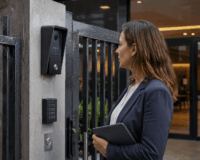
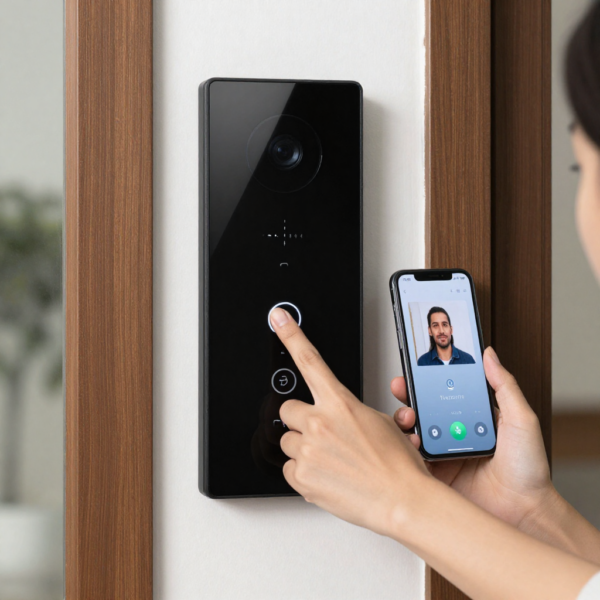
Intercom systems allow participants to see, hear or speak with visitors before opening the entrance.
Instead of describing camera resolutions or network integrations, the focus should remain on reassurance and communication: “You can check who is outside and decide whether you want to let them in.”
For many people, this approach to explain entry automation options improves confidence, security and independence at home.
Why Plain Language Matters for Participant-Led Decision Making
Clear communication plays an important role in participant choice and control. When accessibility conversations become overly technical, participants may disengage or hesitate to ask questions.
Using plain language disability access principles helps create more respectful and collaborative discussions. It ensures that participants fully understand their options and feel involved in decisions that affect their home and routines.
A strong participant friendly guide approach can also reduce anxiety around unfamiliar technology. Many people worry that automation systems will be difficult to learn or complicated to maintain. Simple explanations help remove this fear and encourage more open conversations.
Plain language to explain entry automation options helps participants:
- Ask more confident questions
- Compare different solutions more easily
- Feel included in decision making
- Understand practical day-to-day benefits
- Identify which systems best suit their lifestyle
- Feel more comfortable discussing accessibility needs
This participant-centred approach is especially important for support coordinators, occupational therapists, builders and installers who regularly discuss accessibility upgrades with families.
Common Technical Terms and How to Rephrase Them
One of the easiest ways to explain entry automation options more effectively is by replacing industry terminology with everyday language people already understand.
Here are some common examples:
- Access control – “Who can enter and how they enter”
- Automation – “Technology that helps something happen automatically”
- Touchless entry – “Opening without needing to physically touch handles or buttons”
- Remote access – “Opening or checking the entrance from another location”
- Smart integration – “Different devices working together”
- Motion sensor – “A sensor that notices movement”
- Keypad entry – “Opening using a code instead of a key”
- Video intercom – “A system that lets you see and speak with visitors”
- Wireless control – “Using a remote or app instead of physical wiring controls”
- Push-button activation – “Pressing a button to make the door or gate open”
These simpler explanations make conversations feel less intimidating while still remaining accurate and informative.
It can also help to avoid acronyms unless they are fully explained. Industry terms like “PoE”, “RFID”, “BACnet” or “smart relay” may be familiar to installers but often create unnecessary confusion for participants and carers.
The goal is not to “dumb down” the technology. Instead, it is about making information accessible so people can make informed decisions with confidence.
Focusing on Daily Outcomes Instead of Technology Features
Many accessibility conversations become too product-focused. Participants generally care less about the technical details and more about how the system will improve their daily lives.
When discussing accessible home technology options, it helps to focus on outcomes instead of hardware features.
Easier Arrivals and Departures
Automatic doors and gates can reduce physical effort during everyday routines. For example, someone managing fatigue or mobility limitations may find it exhausting to repeatedly open heavy entry doors each day. Automation can simplify those movements and reduce strain.
Read more: Automatic Doors For Mobility Aids | Safer & Easier Accessible Entry Solutions
More Independence
Entry automation can allow participants to manage entrances without needing assistance from carers or family members. This may support greater confidence and privacy at home, particularly for people living independently or in supported accommodation.
Improved Safety and Awareness
Intercom systems and remote access tools can improve visitor awareness and reduce uncertainty at the front entrance. For example, a participant may feel more comfortable checking who is outside before opening the door, especially at night or when home alone.
A useful scenario could involve a support worker arriving in poor weather. Instead of rushing to the entrance, the participant can communicate through the intercom and unlock the door from inside the home. Similar accessibility principles are often discussed by organisations such as the National Disability Insurance Scheme (NDIS) when considering assistive technology and participant independence.
Better Support Worker Coordination
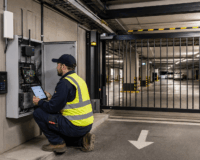
Automation can also improve access coordination for carers and support workers. Rather than managing multiple keys or waiting outside, approved workers may be able to access the property more smoothly using temporary codes, remote release systems or scheduled access permissions. This can create a more efficient and less stressful routine for everyone involved.
Questions Participants Commonly Ask and Better Ways to Answer Them
Participants and families often have understandable concerns about new technology. The way these questions are answered can significantly influence how comfortable they feel moving forward.
“Will this be difficult to use?”
A reassuring response might be: “Most systems are designed to be very simple and can often be customised to suit your comfort level.” Avoid making the technology sound complicated or overly advanced.
“What happens if the power goes out?”
Instead of discussing electrical backup specifications in detail, explain practical outcomes: “Most systems still include ways to open the door or gate manually if needed.”
“Can I still use it manually?”
This question is very common and important for participant confidence. A simple answer could be: “Yes, most systems still allow normal manual operation when required.”
“Do I need a smartphone?”
Some participants may feel anxious about needing new technology skills. A helpful explanation is: “Not necessarily. Many systems can also work with remotes, wall buttons or simple controls.”
“Can support workers also access it?”
Participants often want reassurance around shared access and safety. A practical response might be: “Access can usually be customised so approved carers or support workers can enter when needed.”
“Will it look too complicated?”
Visual complexity can feel intimidating for some participants. A supportive answer could be: “Most systems are designed to blend into the home and can be kept very simple to use.”
This style of communication to explain entry automation options supports a more empathetic and participant-centred experience.
Read more: Questions Families Ask About Independent Home Access NDIS Support
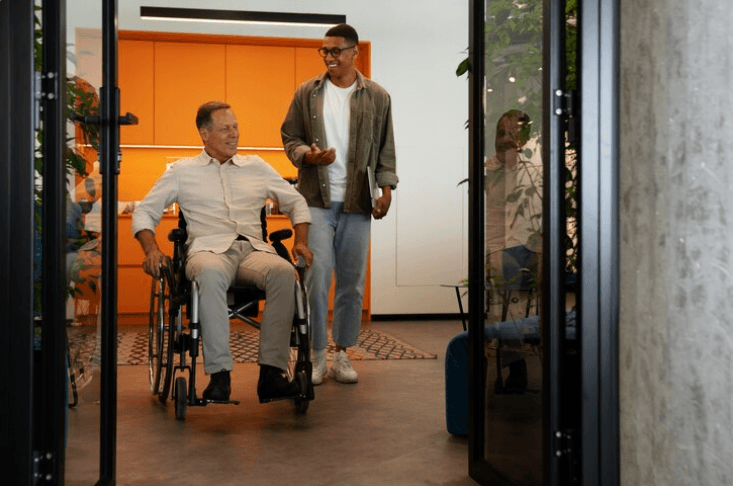
Communication Tips for Installers, Builders and Support Coordinators
Professionals working in accessibility and automation play an important role in helping participants feel comfortable and informed.
When aiming to explain entry automation options effectively, communication style matters just as much as technical knowledge.
Helpful communication strategies include:
- Avoid acronyms unless they are clearly explained
- Use real-life examples instead of technical specifications
- Focus on routines and daily challenges first
- Explain one feature at a time
- Encourage questions without rushing the conversation
- Use demonstrations where possible
- Confirm understanding respectfully
- Avoid overwhelming participants with too many options at once
- Ask participants what challenges they currently experience at home
- Tailor explanations to the participant’s individual goals
This consultative approach often leads to better outcomes because participants feel heard, respected and involved throughout the process.
Professionals who specialise in accessibility and automation solutions, such as Digital Home Systems (DHS), often work closely with installers, builders and support providers to help explain entry automation options and simplify these conversations for participants and families.
Choosing Entry Automation That Matches Individual Needs
There is no single accessibility solution that suits every participant. Different people have different mobility, sensory, cognitive and communication needs.
Some participants may benefit most from automatic doors, while others may prioritise intercom communication or remote gate access. In many cases, combining multiple solutions creates the most effective outcome.
Future flexibility is also important. Needs and routines can change over time, so systems that allow adjustments or additional features later may provide better long-term value.
The most effective approach is usually one that balances simplicity, comfort and functionality without creating unnecessary complexity.
Professional guidance can also help participants explore options gradually rather than feeling overwhelmed by too many technical decisions at once. A supportive consultation process helps people better understand what may work best for their lifestyle, routines, and accessibility goals.
Learn more: Which Entry Upgrades For SDA SIL Home Modifications Should You Consider?

FAQs – To Explain Entry Automation Options
What is entry automation in simple terms?
Entry automation refers to technology that makes it easier to open, close or manage doors, gates and entrances. It can include gate and door automation, intercoms or remote access systems designed to improve convenience, safety and independence.
Are automatic doors suitable for people with disabilities?
Yes. Automatic doors are commonly used in accessible homes, therapy spaces and supported accommodation because they reduce the physical effort needed to enter and exit safely. They can also support participants with fatigue, mobility or strength limitations.
Can intercom systems help participants live more independently?
Intercom systems can help participants communicate with visitors, carers or delivery drivers without needing to physically go to the entrance first. This can improve confidence, security and overall independence within the home environment.
Is entry automation difficult to learn?
Most modern entry automation systems are designed to be simple and user-friendly. Controls can often be customised to suit individual needs, using remotes, buttons, keypads or mobile apps, depending on the participant’s comfort level.
Can carers and support workers use the same system?
Yes. Many entry automation systems allow approved carers, family members, or support workers to access the property safely using remotes, temporary codes, scheduled access permissions, or mobile access features, when appropriate.
Accessibility Conversations Should Feel Empowering, Not Complicated
Good accessibility discussions should help participants feel informed, respected and confident, not overwhelmed by technical language.
The ability to explain entry automation options clearly is an important part of supporting participant-led decision making. When conversations focus on daily outcomes instead of jargon, people are better able to understand their choices and identify solutions that genuinely support their independence and routines. A thoughtful and respectful communication approach helps participants feel more involved in decisions about their home and accessibility needs.
If you would like guidance on participant-friendly accessibility solutions, contact us today. DHS works with installers, builders and support providers across Australia to help explain entry automation options, simplify automation conversations, and deliver practical, easy-to-understand accessibility solutions.