For many households, the journey from the car to the front door is one of the most repeated routines of the day and often overlooked in accessibility planning. Simple obstacles such as uneven pathways, heavy doors or difficult gate access can quickly turn everyday arrivals into stressful experiences. An accessible arrival from car to front door can make a significant difference to comfort, confidence and independence for people living with mobility challenges.
Importantly, accessibility is not only about wheelchair access. A smoother disability home arrival experience can benefit older adults or families with young children who value safer, easier movement around the home. Modern automation and entry technology can improve front door accessibility while maintaining a stylish, residential feel.
Why the Arrival Journey Matters More Than People Realise
The arrival journey home should feel safe, predictable and comfortable. However, many people experience increased physical and mental fatigue after work, medical appointments, therapy sessions or long travel days. Even small barriers between the driveway and entrance can feel much larger at the end of a tiring day.
Common issues include uneven paths, poor visibility, narrow access points, manual gates and heavy entry doors. Weather exposure can also become a major challenge when someone is trying to transfer from a vehicle while managing a walker or support equipment. For carers and support workers, delayed entry can add unnecessary stress when assisting someone safely into the home.
Accessibility needs can also change over time. A home that once worked well may gradually become more difficult to navigate due to ageing, injury recovery or progressive health conditions. In many cases, families only realise how difficult the journey to arrival has become after a near miss, a fall, or a particularly stressful experience.
Creating an accessible arrival from car to front door is about practical lifestyle improvements that support independence, dignity and daily confidence. Rather than focusing purely on medical requirements, thoughtful entry planning helps households feel more comfortable and supported in their everyday routines.
The Typical Pain Points Between the Driveway and Front Door
Many accessibility frustrations happen in the spaces people move through every day. While individual needs vary, several common pain points regularly affect driveway to entrance access and overall arrival comfort.
- Parking too far from the entrance. Longer walking distances can increase fatigue and create additional strain for people with limited mobility or balance challenges.
- Difficult gate access. Manual gates often require users to exit the vehicle, which can be physically demanding in rain or other poor weather or during nighttime arrivals.
- Steep or uneven pathways. Cracked paving, loose gravel or sloped walkways can create trip hazards and make wheelchair or walker use more difficult.
- Poor outdoor lighting. Limited visibility around pathways, driveways and entrances increases fall risk and reduces confidence during evening arrivals.
- Limited weather protection. Exposure to rain, heat, or wind can make transfers from a vehicle to a home uncomfortable and unsafe.
- Delayed door access while managing mobility aids. Unlocking doors while handling mobility equipment or supporting another person can be awkward and stressful.
- Navigating entry while carrying bags or equipment. Everyday tasks become more difficult when someone must also manage walkers, wheelchairs, oxygen equipment or children.
For example, a participant returning home after therapy may already be physically exhausted by the time they reach the entrance. An older parent helping a family member into the home may struggle with heavy doors and poor lighting. Similarly, a support worker arriving during the evening may need faster, more reliable entry access.
Improving front door accessibility often starts by assessing the full arrival journey rather than focusing only on the doorway itself.
Read more: Loading Area Gate Automation Vs Main Entrance Gates: Different Automation Priorities
Entry Upgrades That Can Improve Everyday Accessible Arrival From Car To Front Door
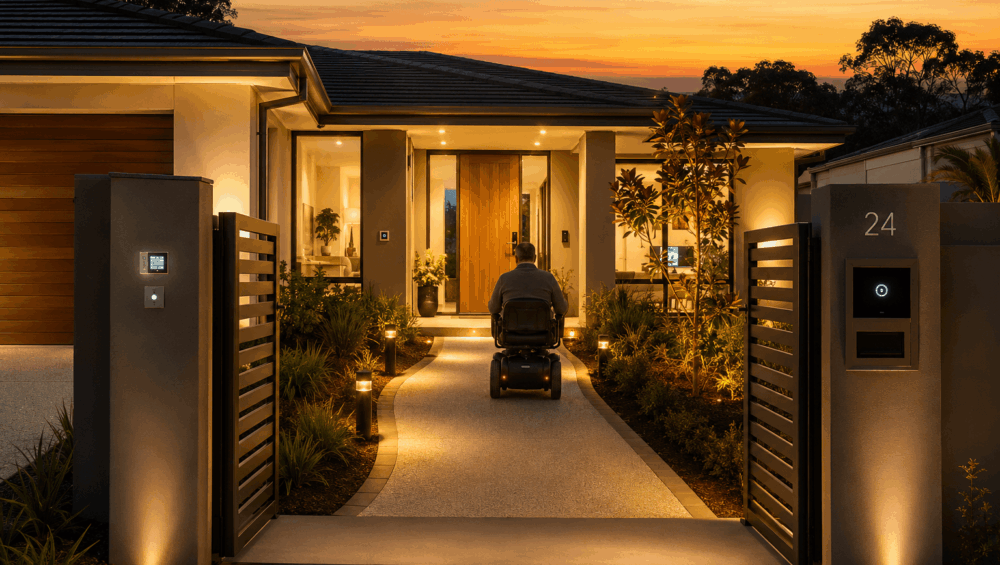
There are many ways to create a more comfortable and accessible arrival from car to front door without dramatically changing the appearance of the home. Modern automation solutions can improve convenience while blending naturally into residential environments.
Automatic Gates
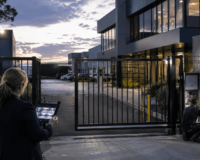
Automatic gates reduce the need to exit the vehicle before entering the property. This can be especially beneficial during poor weather, nighttime arrivals or when mobility limitations make transfers more difficult.
Gate automation can also improve security and provide smoother access to the property for carers, visitors and support workers.
Wider and Smoother Pathways
Well-designed pathways improve mobility for wheelchair users, walkers, and people requiring side-by-side support. Smooth surfaces reduce trip hazards and create a safer, accessible arrival from car to front door for everyone in the household.
Wider paths can also make everyday tasks easier when carrying groceries, luggage or equipment.
Motion-Activated Lighting
Lighting plays a major role in safe, accessible arrival from car to front door. Motion-activated lighting improves visibility along pathways, driveways and entrances while reducing fall risks.
Smart lighting can also increase confidence for people who feel anxious navigating dark or poorly lit outdoor areas.
Automatic Doors
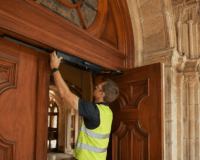
Automatic doors can significantly improve independence by reducing the physical effort required to enter the home. They are particularly useful for people who use mobility aids or manage fatigue.
Modern residential automatic doors can be discreet, stylish and integrated into wider smart home systems without making the property feel institutional.
Smart Intercom and Access Control
Smart intercoms and access control systems allow remote unlocking, visitor management and easier coordination for carers and support workers.
Integrated access systems can also help households manage deliveries, visitor access and emergency entry more efficiently. Some homeowners choose to integrate these systems with broader smart home automation platforms for a more connected experience. Refer to Livable Housing Design | Access Institute for useful guidance on accessible residential design principles.
Together, these solutions can make a meaningful difference to disability home arrival experiences while supporting greater independence and day-to-day comfort.
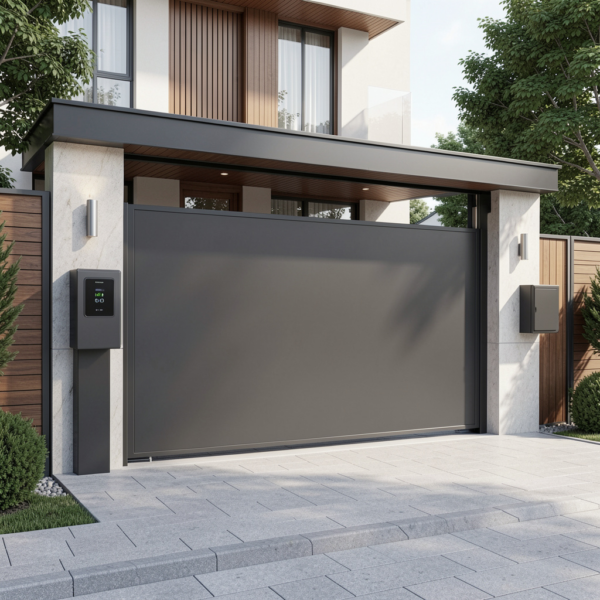
Designing for Independence Without Making the Home Feel Clinical
One of the biggest misconceptions about accessibility upgrades is that they must look medical or institutional. In reality, many modern accessibility solutions are designed to blend seamlessly into contemporary residential architecture.
Today’s automation systems can be discreet, stylish and highly customisable. Automatic gates, integrated lighting and smart entry systems are increasingly common in premium homes because they offer convenience, security and comfort for all household members.
A thoughtfully designed accessible home entrance can support independence without drawing attention to the accessibility features themselves. This is particularly important for people who want their home to feel welcoming and personal rather than clinical.
Good design also supports emotional well-being. Smoother arrivals can reduce stress, improve routine consistency and help people feel more confident returning home independently. Families and carers often notice the benefits as well, especially when everyday tasks become simpler and safer.
Ultimately, a well-planned disability home arrival experience is about creating comfort, dignity and peace of mind while maintaining a warm residential atmosphere.
Read more: NDIS SDA Communication Systems: Room-to-Room Intercom Solutions For Safer Homes
Supporting Different Mobility and Accessibility Needs
Different households face different accessibility challenges, which is why personalised planning is so important. A solution that works well for one family may not suit another, depending on mobility requirements, routines and property layout.
For mobility aid users, heavy doors and uneven pathways can make entry difficult, while people living with fatigue conditions may struggle with long distances between the vehicle and the entrance. On the other hand, individuals with balance concerns can benefit from improved lighting and safer pathway design, while neurodiverse participants may feel more comfortable with simplified, predictable automated entry systems.
In many cases, automatic doors, smoother pathways, sensor lighting and gate automation can significantly reduce physical strain and improve confidence during daily arrivals.
Every household prioritises different outcomes. Some families focus on improving safety, while others prioritise convenience, independence or future-proofing the home for changing needs.
An effective accessible arrival from car to front door considers both current requirements and potential future changes. By assessing the full arrival journey, households can create more flexible and supportive environments that continue to work well over time.
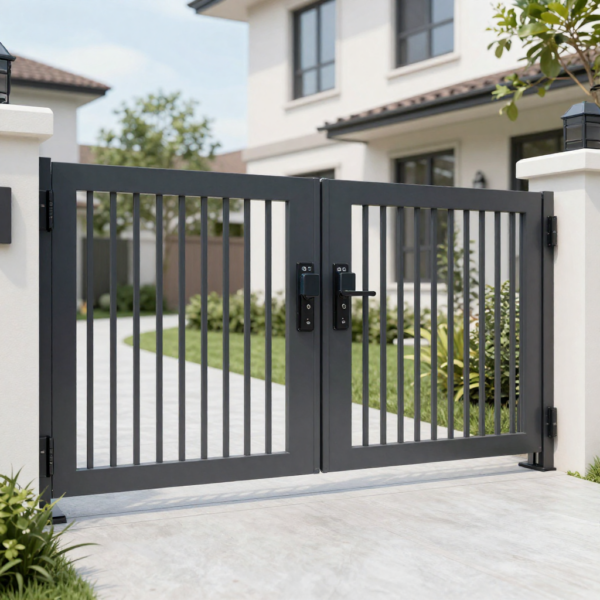
Planning Entry Improvements During Renovations or Home Modifications
Planning accessibility upgrades during renovations or home modification projects is often the most practical and cost-effective approach. Coordinating upgrades early can simplify installation and reduce disruption later.
Best Time to Upgrade Entry Systems
Many entry improvements are easier to complete alongside other property works, such as:
- Driveway upgrades
- Landscaping projects
- Home renovations
- Accessibility modifications
- Gate replacements
- Electrical upgrades
Combining projects can improve efficiency and make it easier to integrate automation systems into the overall home design.
Questions Worth Asking Early
Before starting upgrades, it helps to carefully assess the full accessible arrival from car to front door.
- Will the pathway remain accessible during wet weather?
- Is outdoor lighting sufficient for nighttime arrivals?
- Can carers or visitors access the property easily?
- Is future mobility change being considered?
- Can automation integrate with future upgrades?
Proactive planning for an accessible arrival from car to front door can help households avoid reactive modifications later. It also creates opportunities to improve both functionality and aesthetics simultaneously.
What Families and Support Networks Often Prioritise
When planning entry improvements, families and support networks usually focus on practical outcomes that improve daily life for everyone involved.
Common priorities often include:
- Safety
- Simplicity
- Reliability
- Reduced physical strain
- Faster access during emergencies
- Easier coordination for carers and visitors
For many households, smoother arrivals reduce stress levels throughout the day. Something as simple as easier access to the gate or better lighting can improve confidence and help people feel more independent at home.
Support workers and carers also benefit from more efficient entry systems, particularly during evening visits or challenging weather conditions. Faster, safer access can improve both comfort and response times when assistance is needed.
Creating a more supportive, accessible arrival from car to front door is not just about convenience – it can positively affect wellbeing, routine and household confidence overall.
FAQ
What makes a home entrance more accessible?
Accessible entrances typically include smoother pathways, better lighting, easier movement spaces and automated entry systems that reduce physical effort.
Are automatic doors suitable for residential homes?
Yes. Modern automatic doors are increasingly used in residential properties and can integrate discreetly with contemporary home designs.
Can gate automation help people with mobility challenges?
Automatic gates reduce the need to manually open gates or exit vehicles, making property access easier and safer.
What is the first step when improving accessible arrival from car to front door?
Start by assessing the complete arrival journey from the vehicle to the entrance to identify obstacles, fatigue points and safety concerns.
Can accessibility upgrades still look modern?
Absolutely. Many accessibility solutions are designed to blend into modern residential architecture while improving comfort and independence.
In Summary
The journey from the vehicle to the entrance is one of the most repeated routines in daily life, yet it is often overlooked when planning accessibility improvements. Creating an accessible arrival from car to front door can reduce stress, improve safety and support greater independence.
Small changes such as improved lighting, smoother pathways, automatic gates or smart entry systems can make a meaningful difference to everyday comfort and confidence. Importantly, modern automation solutions can integrate beautifully into residential environments.
If you are planning accessibility upgrades, renovations or smarter entry solutions, DHS can help you explore practical automation systems designed for modern homes and supported living environments. Contact us today to discuss tailored solutions for your everyday accessible arrival from car to front door.