Maintaining independence at home is important for everyone, but for people living with disability or mobility limitations, it often goes hand in hand with feeling safe. Modern entrance technology now plays a much bigger role than simply opening and closing doors. Today’s systems can help create an entrance for privacy and independence that supports confidence and makes day-to-day living easier.
Accessible entrance solutions such as automatic doors, video intercoms, smart access systems, and gate automation can reduce reliance on others while helping residents feel more secure. Technology is also becoming far more discreet and user-friendly. Instead of complicated systems, homeowners can now choose solutions around accessibility, flexibility, and ease of use.
Understanding the Link Between Privacy and Independent Living
Independence is often associated with physical mobility, but true autonomy also includes the ability to manage personal space and control interactions with others. Many people living with disabilities rely on carers to assist with daily routines, yet maintaining privacy remains equally important for well-being and confidence.
One common challenge involves answering doors or gates. If someone cannot easily reach the entrance or visually confirm who is outside, they may depend on another person to manage access. Over time, this can reduce feelings of control within the home environment. An accessible entrance for privacy and independence can help restore that confidence by allowing residents to communicate with visitors safely and independently.
A private accessible entry also helps reduce anxiety. Unexpected visitors, delivery drivers, or unfamiliar tradespeople can create stress when there is no simple way to identify or communicate with them before granting access. Video intercoms and remote access systems make it easier to confirm visitors while remaining safely inside the home.
For people in supported living environments, having more control over access can also improve comfort and dignity. Features like scheduled permissions, remote unlocking, and app-based controls help create independent secure access without making the technology feel intrusive or overly complicated.
Importantly, privacy is not about isolation. It is about giving people greater choice over their environment, helping them feel comfortable while still remaining connected when needed.
In a shared supported living environment, smart entry systems can help participants maintain privacy while still allowing carers and support workers to access the property when needed. Organisations like SDA Alliance regularly discuss the role accessible housing technology plays in improving resident autonomy and quality of life.
Entrance Challenges People Commonly Experience
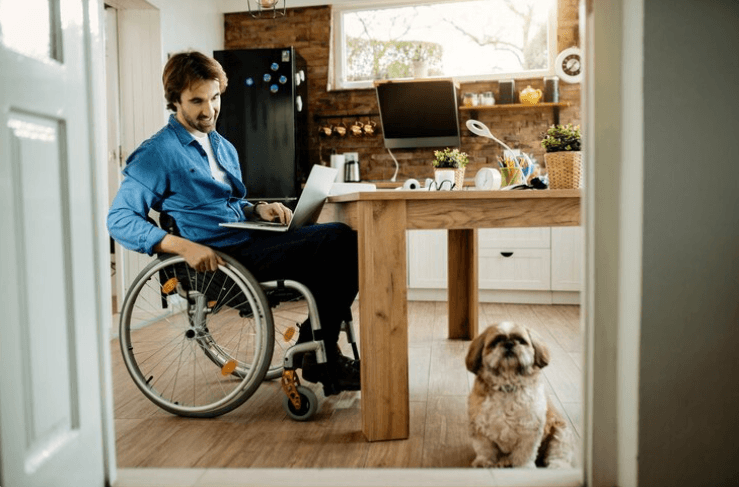
Many homes are not originally designed with accessibility in mind. As a result, residents may experience a range of practical and emotional barriers to entry and access.
- Mobility-related entry difficulties. Heavy doors, narrow entryways, and manually operated gates can be difficult for people using wheelchairs, walkers, or other mobility aids. Even small steps or awkward door handles may create daily frustration.
- Fatigue and balance limitations. For some individuals, repeatedly moving between rooms to answer the door can be exhausting or unsafe. Balance issues may also increase the risk of falls when rushing to entry points.
- Communication and visibility barriers. Without clear audio or video communication, it can be difficult to confidently identify visitors. This may lead to uncertainty or reluctance to answer the door.
- Delayed response times. Some residents need additional time to reach entrances. By the time they arrive, visitors may have already left, creating inconvenience and unnecessary stress.
- Managing multiple carers or support workers. In homes where different support workers visit throughout the day, coordinating access can become complicated. Residents may want flexibility without constantly relying on manual unlocking.
- Security concerns for participants and families. Families often want reassurance that loved ones can verify visitors safely before granting entry, particularly in shared living or supported accommodation settings.
- Rural or large-property access challenges. Long driveways or remote gates can create additional difficulties. Automated gate systems and intercom communication can significantly improve convenience and safety.
In many cases, these challenges are not simply physical. They can also affect emotional well-being, confidence, and a person’s sense of independence within their own home.
How Intercom Systems Improve Privacy and Control
Modern intercom systems have evolved far beyond traditional audio-only units. Today’s smart systems provide greater visibility, flexibility, and control for accessible living environments.
Seeing and speaking with visitors before opening the door
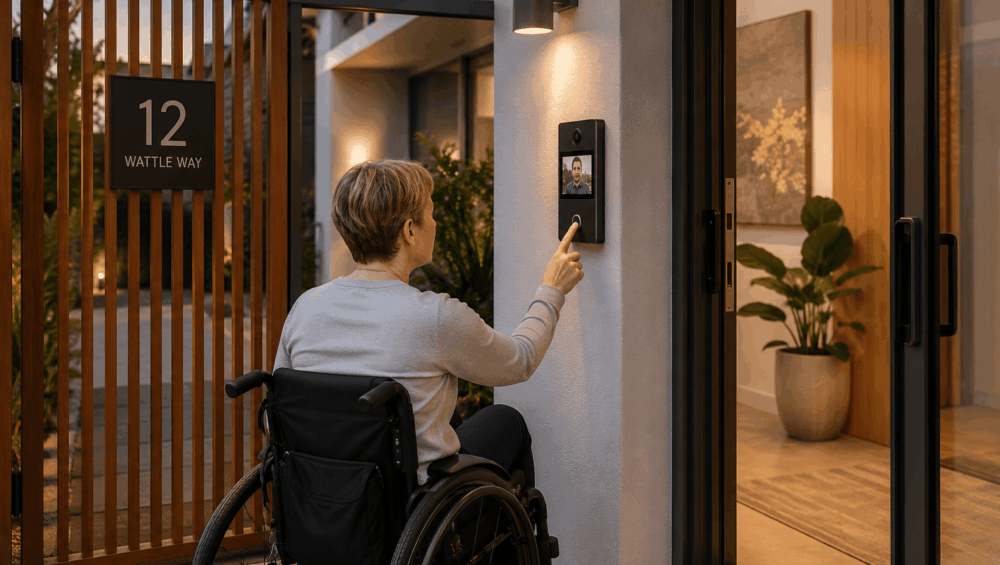
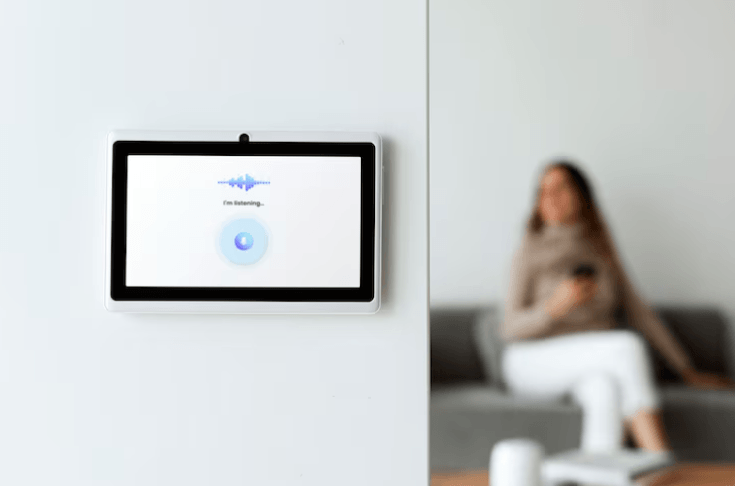
Video intercom systems allow residents to identify visitors without physically approaching the entrance. This can help reduce anxiety while improving safety and confidence. Residents can communicate with visitors from inside the home and decide whether to grant them access.
For example, someone recovering from surgery or managing limited mobility may prefer to verify deliveries remotely rather than walking to the front gate each time a visitor arrives.
Managing access remotely
Many smart intercom systems now connect directly to smartphones or tablets. This means doors or gates can be unlocked remotely from another room or even while away from home.
A modern disability home intercom can support easier communication between residents, carers, and visitors while reducing unnecessary movement throughout the property.
Some systems also allow temporary access permissions for support workers, cleaners, or family members, making entry management far more flexible.
Supporting participant confidence and safety
Intercom systems help create an added sense of control. Rather than depending on another person to answer the door, residents can manage communication independently and discreetly.
Integrated systems can also combine video monitoring, gate automation, and secure door release into a single, simplified interface. This reduces complexity while helping users feel more comfortable and secure in their environment.
Read more: Creating Safer Home Entry For Disability Support | Fatigue-Friendly Access
Automatic Doors and Gates That Support Daily Independence
Automatic door and gate systems can make a major difference in everyday accessibility. By reducing physical effort and simplifying movement throughout the home, these systems help support a more comfortable and independent routine.
Automatic doors for easier daily movement
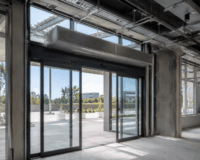
Automatic sliding or swing doors are particularly useful for residents who use mobility aids or manage fatigue. Instead of struggling with heavy manual doors, users can open the door using push buttons, remote controls, motion smart sensors, or smartphone apps.
These systems can also help carers move equipment more easily while reducing physical strain for everyone using the space.
Gate automation for safer arrivals and departures
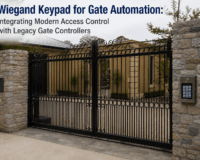
Automated gates allow residents to manage access without leaving their vehicle or travelling long distances across the property. This is especially beneficial for larger homes, rural properties, or supported living environments.
Gate automation can also improve security by ensuring entrances remain controlled and monitored at all times.
Touchless and remote access options
Touchless entry systems continue to grow in popularity because they simplify access while improving convenience. Remote access options may include:
| Technology | Main Benefit | Common Use |
| Push-button automatic doors | Easier physical access | Homes and therapy spaces |
| Smartphone-controlled entry | Flexible remote operation | Shared living environments |
| Video intercom integration | Visitor verification | Front entrances and gates |
| Remote gate automation | Safer arrivals and departures | Large properties |
| Voice-controlled systems | Hands-free accessibility | Smart home integration |
These systems help create an entrance for privacy and independence by reducing reliance on others while maintaining security and flexibility.
Supporting Participants Living With Carers or Support Workers
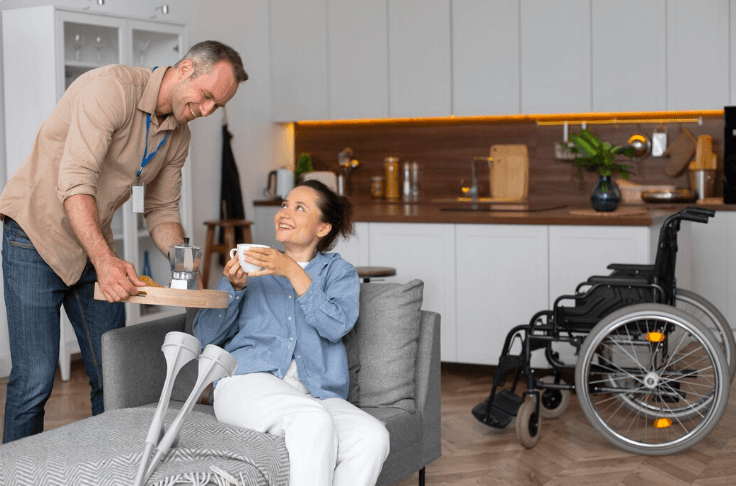
Shared living arrangements require a careful balance in an entrance for privacy and independence. In SIL and SDA environments, entrance technology can help support both participant autonomy and efficient care delivery.
Many residents prefer not to feel constantly interrupted by visitors entering shared spaces unexpectedly. Smart access systems allow different permissions for different people, helping participants maintain greater control over who enters the property and when.
For example, support workers may receive scheduled access during rostered shifts, while family members can have separate permissions. Temporary digital access can also be provided for maintenance staff or emergency services when required.
Notifications and access logs can offer additional reassurance for both participants and families. Instead of feeling monitored, residents gain transparency into who has entered the property and when.
Importantly, these systems should feel empowering rather than restrictive. The goal is not to replace human support, but to help create smoother routines, fewer interruptions, and greater comfort within shared living environments.
Modern entrance for privacy and independence can also support smoother coordination between carers without requiring residents to manually manage every visitor interaction throughout the day.
Read more: Which Entry Upgrades For SDA SIL Home Modifications Should You Consider?
Features to Consider When Planning Accessible entrance for Privacy and Independence
Choosing the right entrance for privacy and independence involves more than simply selecting a door or intercom. Accessibility, usability, and long-term flexibility all play important roles.
When planning a system, it helps to consider features such as:
- Easy-to-reach controls and buttons
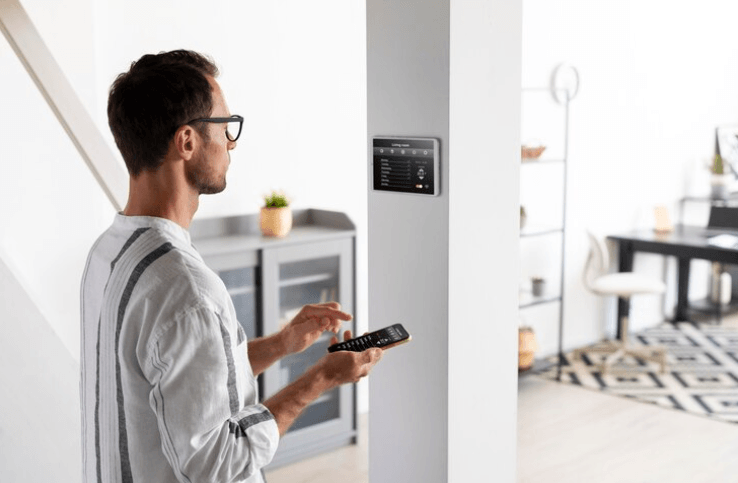
- Smartphone or app-based access options
- Voice control compatibility
- Integration with mobility aids or smart home systems
- Battery backup during power outages
- Wide door and gate compatibility
- Adjustable user permissions
- Video verification for visitors
- Simple, intuitive interfaces
- Remote monitoring and notifications
- Scalability for future upgrades
Automatic doors, smart intercom systems, and automated gates can often be integrated into a single streamlined solution. This creates a more consistent user experience while reducing the need to manage multiple disconnected systems.
Future-proofing is also important. Needs may change over time, particularly in supported living or long-term accessibility planning. Choosing adaptable technology now can help avoid expensive upgrades later.
The best systems are those that quietly support daily life without becoming complicated or overwhelming to use.
Working With Professionals Who Understand Accessibility Needs
Every person’s accessibility requirements are different. That is why customised planning is essential when selecting entrance for privacy and independence or supported living environments.
A professional installer familiar with accessibility-focused automation can help assess mobility needs, communication preferences, property layout, and future requirements before recommending solutions.
Rather than installing isolated products individually, integrated planning helps ensure intercoms, automatic doors, gate automation, and access control systems work together smoothly.
This approach also helps avoid common issues such as incompatible hardware, poorly positioned controls, or systems that become difficult to use over time.
Working with experienced professionals can make the process far less stressful while ensuring the final solution supports both independence and privacy in a practical, user-friendly way.
If you are planning accessible entry solutions for a home, supported accommodation, or therapy environment, DHS can help guide you through integrated smart access options tailored to individual needs.
FAQs
What is the best entrance for privacy and independence?
The best solution depends on the individual’s needs, but automatic doors, video intercoms, and remote-access systems are commonly used to improve accessibility, convenience, safety, and independent movement throughout the home.
Can intercom systems improve privacy for participants?
Yes. Video and smart intercom systems allow residents to identify and communicate with visitors before granting access, helping improve safety, reduce anxiety, and support greater personal privacy at home.
Are automatic doors suitable for existing homes?
In many cases, yes. Existing homes can often be retrofitted with automatic swing or sliding door systems, depending on available space, door type, and accessibility requirements.
What features help create a private accessible entry?
Useful features include video verification, remote unlocking, smartphone access, touchless controls, adjustable permissions, and integrated automation that supports safer, easier, and more independent access management.
Can entrance systems work with support worker access?
Yes. Many smart access systems allow scheduled or temporary permissions for carers, support workers, family members, and maintenance staff while still maintaining participant control and privacy.
Creating Homes That Feel Both Safe and Empowering
Privacy and independence are deeply connected when it comes to accessible living. The ability to control who enters the home and move through entrances comfortably can have a significant impact on confidence and wellbeing.
Modern entrance systems, including intercoms, automatic doors, smart access controls, and gate automation, help create an entrance for privacy and independence without adding unnecessary complexity. The right technology can reduce reliance on others and create a more comfortable home environment for participants, families, and carers alike.
If you are exploring accessible entrance solutions for a home, supported accommodation, or care environment, speak with the team at DHS to learn more about integrated automation, intercom, and secure access technologies designed for independent living.