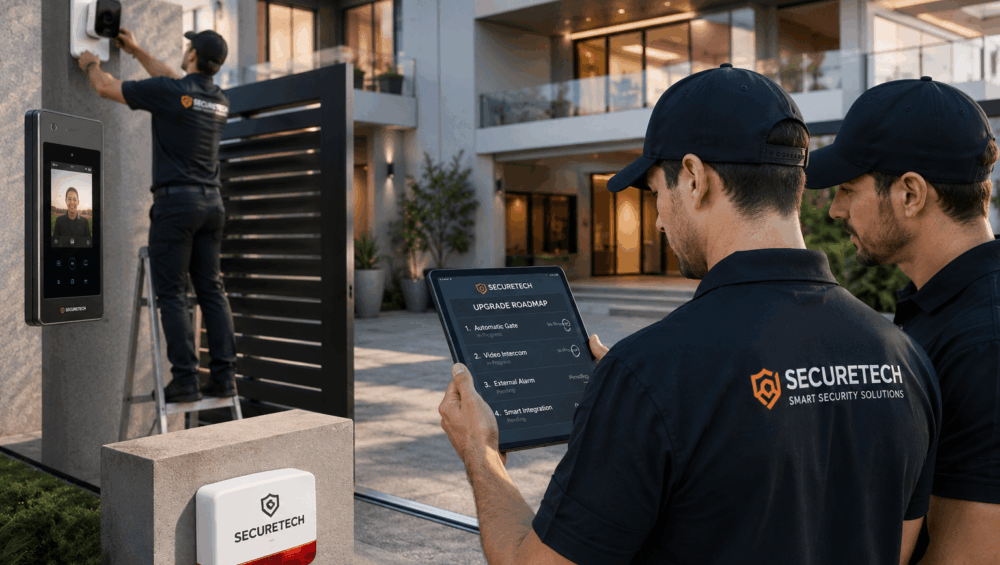
In modern properties, gates, intercoms, alarms, access control, CCTV, and automation platforms often evolve over the years. The problem is that these systems don’t always age at the same pace. One component may fail while another still works perfectly well. That’s why many businesses, strata managers, homeowners, and facility operators are now looking at a smarter upgrade plan for gates intercoms and alarms rather than attempting a full replacement in one hit. A staged strategy helps spread investment over time while reducing disruption.
Instead of patching systems reactively, a planned approach creates a more stable and scalable security ecosystem. It also allows property owners to gradually introduce newer technologies. Whether you’re managing a residential complex, commercial facility, or modern smart home, a phased upgrade pathway can help future-proof your property.
Why Many Properties End Up With Disconnected Security Systems
Many properties develop fragmented security systems simply because upgrades happen at different times. A gate motor may be replaced after a breakdown, while an intercom system gets upgraded years later during a renovation. Also, alarm systems might be installed by another contractor entirely.
Over time, this creates a disconnected environment where each component operates independently. One system may rely on remotes, another uses mobile apps, while another still depends on hardwired controls. Property owners end up juggling multiple interfaces.
Legacy gates are a common example. Older motors or controllers may continue operating long after newer access technologies emerge. While functional, they often struggle to integrate with modern intercoms, automation hubs, or cloud-based access systems. Similarly, standalone alarm upgrades can introduce compatibility challenges if they were never designed to communicate with broader automation platforms.
Wiring limitations also become a major issue in older buildings. Infrastructure designed decades ago may not support modern video intercom bandwidth requirements, IP-based communication, or integrated visitor management systems.
This is why long-term upgrade plan for gates intercoms and alarms matters. Rather than reacting to individual failures, a structured security upgrade roadmap helps ensure future upgrades align with a single integration strategy. That planning reduces wasted spending, avoids incompatible systems, and creates a smoother path toward automation and unified control.
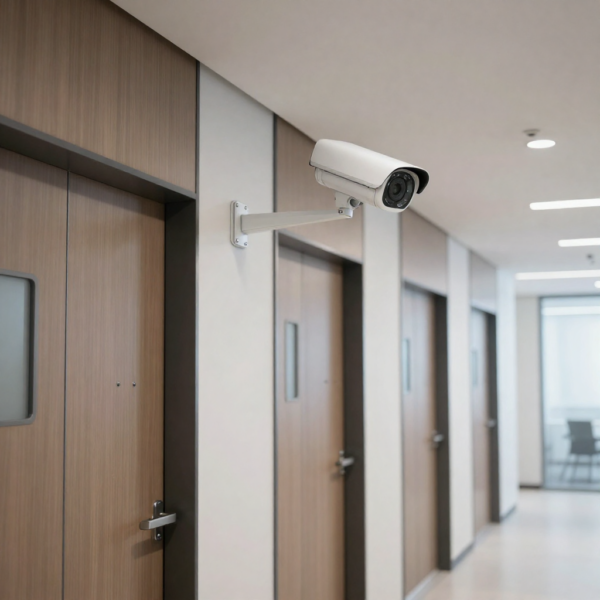
Signs It’s Time to Create an Upgrade Plan
Sometimes the signs are obvious. Other times, they build gradually over several years. If multiple systems are beginning to show reliability issues, it may be time to move beyond temporary fixes and plan a long-term upgrade strategy.
- Frequent gate or intercom faults. Repeated breakdowns often indicate ageing infrastructure rather than isolated component failures.
- Unsupported hardware. Older systems may no longer receive firmware updates, replacement parts, or technical support.
- Poor remote access functionality. Outdated remotes, unreliable apps, or limited user permissions can create security and convenience problems.
- Increased security concerns. Properties experiencing unauthorised access attempts or poor visitor verification may need to modernise their entry controls.
- Renovation or expansion projects. Building works often create the ideal opportunity for cabling, infrastructure upgrades, and future-proofing.
- Tenant or staff access issues. Managing multiple users across outdated systems can quickly become inefficient and frustrating.
- Limited integration capability. Standalone systems reduce automation potential and increase long-term operating complexity.
A well-designed upgrade plan for gates intercoms and alarms helps balance immediate repair needs with future-ready decisions. For example, replacing a failing gate controller today may still make sense if the replacement supports future integration with intercoms, alarms, or smart automation platforms later on.
According to the Australian Security Industry Association Limited (ASIAL), integrated security planning is becoming increasingly important as properties adopt more connected technologies and remote management capabilities.
Read more: Entry System Upgrade Vs Patching Failures: The Ultimate Guide For Smarter Access Reliability
The Benefits of a Staged Upgrade Approach
A staged upgrade strategy gives property owners greater flexibility than attempting to replace every system simultaneously. For many sites, a complete overhaul simply isn’t practical due to budget constraints, operational requirements, or installation complexity.
One of the biggest advantages is improved financial control. Instead of committing to a large upfront expense, upgrades can be prioritised based on urgency, risk, and long-term value. Critical infrastructure can be stabilised first, while more advanced automation features are introduced gradually.
Operational disruption is also significantly reduced. Large-scale replacements often require extended downtime, restricted access, and major coordination challenges. By comparison, a staged approach allows installations to occur in manageable phases.
Another important benefit is adaptability. Security and automation technologies continue evolving rapidly, and staged projects allow property owners to make smarter decisions as newer technologies emerge. Rather than being locked into a single massive installation, systems can evolve strategically over time.
This flexibility is especially useful during an entry system rollout involving multiple buildings, tenants, or access zones. One stage may focus on gate reliability, while later stages introduce integrated intercoms, mobile credentials, visitor management, or automation scenes.
User adoption also tends to improve with gradual upgrades. Staff, tenants, and residents can become familiar with new technologies gradually rather than being overwhelmed by major system changes all at once.
Read more: Intercom Planning For Strata Committees: 7 Key Questions Before You Upgrade
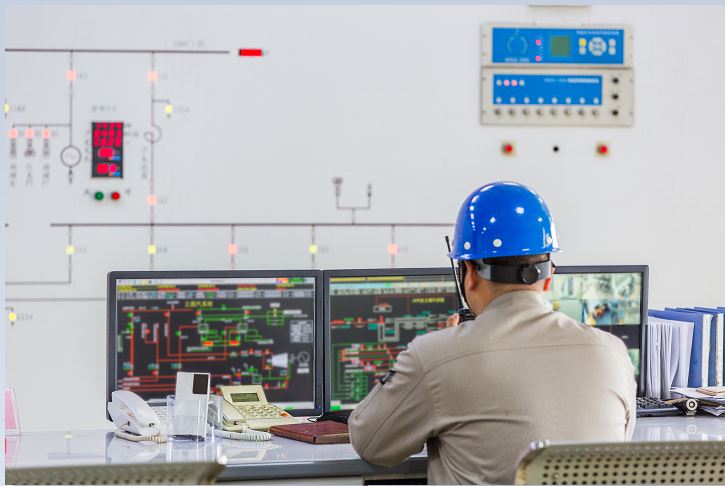
Recommended Upgrade Plan For Gates Intercoms And Alarms
A successful upgrade plan for gates intercoms and alarms usually follows a staged structure that prioritises immediate risks first while supporting future integration goals.
Stage 1 – Stabilise the Most Critical Entry Risks
The first stage should focus on reliability and safety. Failing gate motors, damaged access points, or unreliable alarm coverage can create immediate operational and security concerns.
At this stage, the goal is not necessarily full automation. Instead, the focus is on restoring dependable operation while selecting replacement hardware that supports future upgrades. For example, replacing an ageing gate controller with an integration-ready model today may simplify future intercom or mobile access upgrades.
This stage may also include repairing unsafe access points, upgrading backup power systems, or improving alarm detection coverage in vulnerable areas.
Stage 2 – Upgrade Communication and Access Control
Once critical infrastructure is stable, the next priority is improving how users interact with the property.
Modern video intercom systems help verify visitors remotely while improving convenience and overall site awareness. Mobile credential access can reduce reliance on remotes, keys, or swipe cards.
Remote opening functionality also becomes increasingly valuable for commercial facilities, apartment complexes, and managed properties. Deliveries, contractors, and visitors can be handled more efficiently without compromising security.
According to ASIAL, integrated access technologies are becoming increasingly important in both residential and commercial environments as expectations for remote management continue to grow.
Stage 3 – Improve Automation and Integration
After communication and access systems are upgraded, integration becomes far easier and more effective.
This stage often introduces unified control apps and automation scenes. Then, gates, alarms, lighting, and intercoms begin functioning together as part of a broader automation ecosystem.
For example, opening a gate after hours could automatically disable selected alarm zones, activate pathway lighting, and notify site managers.
This level of integration improves both operational efficiency and user experience while reducing manual management requirements.
Stage 4 – Expand for Scalability
The final stage focuses on future growth and long-term scalability.
As properties expand, additional entrances, warehouse access points, multi-tenant requirements, or commercial integrations may become necessary. CCTV systems, smart lighting, visitor management, and broader automation capabilities can also be incorporated more easily.
Properties that follow a structured roadmap are typically far better positioned to adapt to future operational and technology requirements.
Integration Considerations Before You Start Upgrading
Before beginning any staged upgrade process, it’s important to evaluate both the existing infrastructure and long-term automation goals. Early upgrade plan for gates intercoms and alarms can prevent costly compatibility problems later.
Wired vs Wireless Infrastructure
Some properties are better suited to hardwired systems, particularly in larger commercial environments that require stable, high-bandwidth communication. Others may benefit from wireless technologies that simplify retrofits and reduce installation disruption.
In many modern projects, hybrid environments combining wired and wireless systems provide the best balance between flexibility and reliability.
Read more: Retrofit Apartment Entry Communication In Older Buildings With Limited Cabling
Compatibility Between Brands
Not all systems communicate effectively with one another. Some manufacturers operate within closed ecosystems, while others support broader integration through open protocols and automation standards.
This becomes especially important when planning long-term scalability. Choosing systems based only on short-term pricing can create future integration limitations.
Cloud vs Local Control
Cloud-based systems offer remote access, easier software updates, and flexible user management. However, they also depend heavily on internet reliability. Local systems may provide greater independence and control, but can require more technical management.
The right approach depends on the property type, operational requirements, and future expansion upgrade plan for gates intercoms and alarms.
Read more: Cloud-Based Vs Local Access Control: Pros, Cons & Security Differences
Planning for Future Automation
Many modern properties now aim to integrate gates, alarms, lighting, intercoms, and access control into larger automation ecosystems. Technologies like Z-Wave, KNX, Zigbee, and Wi-Fi all offer different strengths depending on the application.
Professional planning helps ensure that future upgrades align with long-term compatibility goals rather than creating isolated systems that require replacement later.
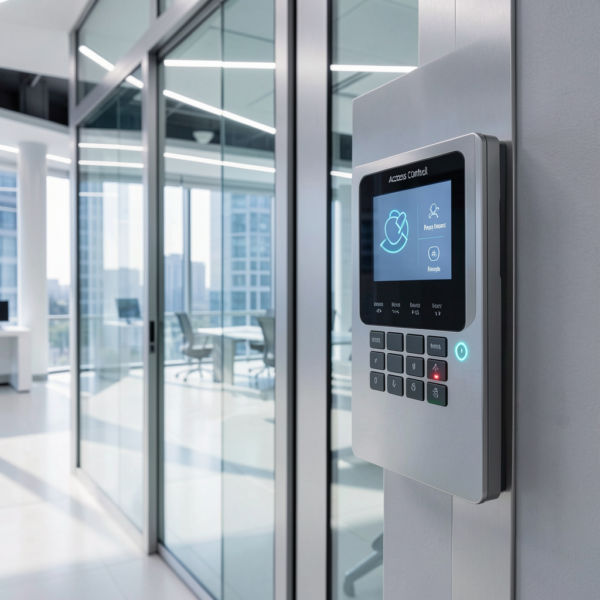
Budgeting and Prioritising Your Security Upgrade Roadmap
Creating a realistic budget is one of the most important parts of any long-term security upgrade roadmap. The goal is not necessarily to replace everything immediately, but to prioritise upgrades strategically.
The first step is identifying the highest-risk areas. Unsafe gates, unreliable alarms, or failing access points should take priority over convenience-based automation upgrades. Addressing operational reliability first helps stabilise the overall system.
It’s also important to separate urgent repairs from strategic infrastructure improvements. Some components may still operate adequately today, but could create future compatibility problems.
Renovation schedules can also play a major role in budgeting efficiency. If walls, ceilings, driveways, or electrical systems are already being upgraded, cabling and infrastructure improvements often become more cost-effective.
Rather than focusing only on upfront pricing, property owners should also consider long-term ownership costs. Systems that support scalability, integration, and easier maintenance often deliver far better value over time than cheaper short-term alternatives.
Common Mistakes During a Phased Automation Upgrade
Even well-intentioned upgrades can create future problems if planning is overlooked.
- Mixing incompatible ecosystems. Combining unrelated systems without integration planning often creates fragmented user experiences and management headaches.
- Upgrading without infrastructure assessment. Existing wiring, internet reliability, and power limitations should always be evaluated first.
- Repeating short-term fixes. Constant reactive repairs may delay inevitable upgrades while increasing overall costs.
- Ignoring user experience. Complex apps, inconsistent access methods, or unreliable notifications reduce adoption and create frustration.
- Underestimating future expansion needs. Properties often grow over time. Systems should support additional entrances, users, and automation requirements.
- Failing to document the roadmap. Without clear documentation, future contractors may struggle to maintain compatibility across staged upgrades.
A structured phased automation upgrade avoids many of these common pitfalls while creating a far more stable long-term outcome.
How Professional Planning Simplifies Long-Term Entry System Rollouts
A professional upgrade plan for gates intercoms and alarms can dramatically improve the success of long-term security and automation upgrades.
Experienced integrators assess existing infrastructure, identify compatibility limitations, and develop staged upgrade pathways that minimise disruption and improve scalability. This process helps ensure that future upgrades align with a unified long-term strategy rather than becoming isolated replacement projects.
Professional planning also helps property owners evaluate lifecycle considerations, maintenance requirements, and future expansion opportunities before investing in new hardware.
This becomes especially valuable during larger commercial or multi-tenant entry system rollouts, where operational continuity and long-term compatibility are critical.
Tailored upgrade plan for gates intercoms and alarms creates a clearer pathway toward integrated entry and security systems.

FAQs
What is the best upgrade order for gates, intercoms and alarms?
Most projects begin by stabilising critical safety and reliability issues first, followed by access control improvements, communication upgrades, automation integration, and future scalability planning.
Can older gate systems work with new intercoms?
In some cases, yes. Integration modules or controller upgrades may allow compatibility, although older infrastructure can still limit functionality or future automation opportunities.
How long does a phased automation upgrade usually take?
Smaller residential upgrades may occur over several months, while larger commercial or multi-building projects can progress gradually over several years, depending on budgets and operational priorities.
Is it cheaper to upgrade security systems in stages?
Staged upgrades often improve budgeting flexibility and reduce operational disruption, particularly when the upgrade plan for gates intercoms and alarms is handled properly from the beginning.
Can I keep my existing alarm system during upgrades?
Yes. Many staged projects retain existing alarm infrastructure initially while gradually upgrading gates, access control, intercoms, or automation systems over time.
In Conclusion
A carefully planned upgrade plan for gates intercoms and alarms helps property owners reduce risk, improve budgeting flexibility, and create long-term integration outcomes. Instead of relying on disconnected systems and repeated reactive repairs, staged upgrades provide a smarter path forward. Proactive planning allows security and automation systems to evolve gradually without unnecessary disruption or wasted investment.
DHS works with installers, integrators, builders, and property operators across Australia and New Zealand to help design future-ready upgrade strategies for gates, intercoms, alarms, and automation systems. Contact DHS today to discuss a tailored staged upgrade roadmap for your property.