

Commercial IP intercom projects often look straightforward during the tender stage. Yet many contractors discover that actual delivery costs are significantly higher than anticipated once installation begins. The reason is simple: hardware is only one part of the overall budget. Infrastructure requirements often represent the largest source of uncertainty. Missing a few critical infrastructure items can quickly turn a profitable project into one that erodes margins.
Understanding intercom installation cost factors goes beyond selecting door stations and indoor monitors. Estimators must also consider network readiness, power delivery, cabling pathways, communications rooms, commissioning requirements, and integration complexity.
This guide explores the hidden infrastructure costs that frequently get overlooked in IP intercom tenders and provides a practical framework for more accurate and profitable estimates.
Why Infrastructure Is Often the Biggest Variable in IP Intercom Budgets
When pricing an IP intercom project, hardware costs are usually the easiest part of the estimate. Product pricing is known, quantities are documented, and manufacturers provide clear specifications. Infrastructure costs, however, vary from one site to another.
A new apartment development with planned cable pathways and communications rooms presents very different challenges compared to a forty-year-old building undergoing a retrofit. Existing network conditions, access limitations, and building constraints can also affect installation costs.
Even projects using identical intercom system hardware may require vastly different labour and infrastructure budgets.
Some of the most common hidden infrastructure cost categories include:
- Cabling installation and pathway creation
- Network switch upgrades
- Power over Ethernet (PoE) capacity requirements
- Power supply and backup systems
- Communications room modifications
- Network segregation and VLAN configuration
- Testing, commissioning, and integration services
These infrastructure variables are among the most important intercom installation cost factors. Estimators who focus solely on equipment schedules often overlook the labour and infrastructure requirements that determine overall project profitability.

The Estimator’s Checklist for Hidden IP Intercom Infrastructure Costs
Accurate pricing starts with understanding the entire infrastructure environment. The following areas deserve careful investigation before submitting any IP intercom tender.
Cabling Pathways and Cable Installation Costs
Cabling is one of the highest hidden costs in commercial intercom installations. While the cable itself is inexpensive, the labour required to install it can quickly exceed equipment costs.
New cable runs may require access through ceilings, walls, risers, conduits, and service shafts. In apartment buildings, vertical cable risers can pose challenges when multiple levels must connect to a central communications room.
Core drilling requirements also add cost. Concrete structures often require specialist drilling contractors and compliance with building management procedures. Fire-rated walls and penetrations may require additional certification and sealing work.
Retrofit environments introduce even greater complexity. Existing pathways may be full, damaged, undocumented, or inaccessible. Heritage buildings can restrict cable routing, while occupied buildings often require work to be completed outside normal business hours.
Among all intercom installation cost factors, cabling labour is one of the most underestimated, as the physical installation environment varies dramatically from project to project.
Network Switch Requirements and Port Capacity
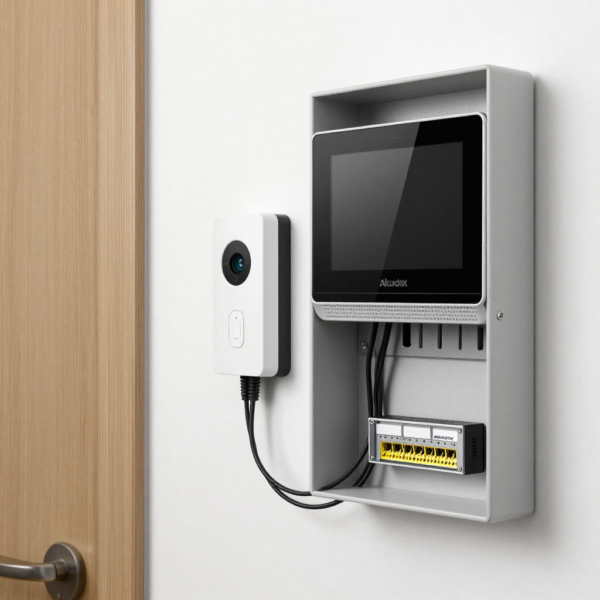
Many IP intercom projects assume that existing network infrastructure can support new devices. Unfortunately, a site may have network switches installed, but available ports may be limited. Existing switches may lack the capacity to support additional devices for replacement or expansion.
Many commercial projects also require dedicated intercom VLANs to maintain network security and performance. This may require managed switches and additional network configuration services. (Implementing a campus VoIP intercom VLAN.)
Future expansion should also be considered during the tender stage. Installing a switch that meets today’s requirements but cannot accommodate future growth may lead to unnecessary upgrade costs later.
Warning signs for estimators include:
- No available network documentation
- Fully populated switch cabinets
- Unclear network ownership
- Unknown switch specifications
- Limited IT support availability
Network upgrades are a major contributor to intercom installation cost factors, particularly in larger commercial and multi-residential developments.
Power over Ethernet (PoE) Budget Calculations
PoE simplifies installation by delivering both power and data over a single cable. However, many estimators mistakenly consider only the number of available ports.
PoE power budgets are equally important.
A switch may have sufficient ports for every intercom device but lack the total power capacity needed to support them simultaneously. Door stations with cameras, access control interfaces, and video monitors can place substantial demands on available power budgets.
Modern systems may require:
- Standard PoE
- PoE+
- PoE++
The required standard depends on device specifications and overall system design.
For example, a project with multiple video door stations and integrated access control devices may exceed the available power budget of an existing switch. This could necessitate a switch replacement that was not originally included in the tender.
Because of this, PoE calculations are among the most critical intercom installation cost factors when pricing IP-based systems.
Power Supply and Backup Requirements
Not every device within an intercom system will operate exclusively via PoE. Some projects require centralised power systems or backup power solutions.
Critical entry points often require battery backup or UPS support to maintain operation during power interruptions. Commercial facilities, apartment complexes, healthcare sites, and secure facilities frequently specify backup requirements.
Estimators should assess:
- Local power availability
- Centralised power system requirements
- UPS sizing
- Battery backup duration
- Compliance requirements
Ignoring backup power requirements can create substantial variations later in the project.
Communications Room and Rack Space Constraints
Communications rooms are often overlooked during the tender process. However, limited rack space can create significant infrastructure costs.
Many buildings already have crowded MDF and IDF cabinets. Additional network switches, patch panels, power supplies, and cable management hardware may require cabinet expansion or complete rack upgrades.
Cooling requirements should also be considered. Additional network equipment increases heat generation, which may affect the communications room’s performance.
Access restrictions can further complicate installation. Some facilities require special permissions, escorts, or scheduled maintenance windows to access communications rooms.
These considerations are often overlooked despite being important intercom installation cost factors.

Retrofit Challenges That Increase Project Costs
Retrofit projects consistently present the highest estimating risk because the conditions of existing infrastructure are rarely fully known.
In older apartment buildings, existing analogue intercom systems may have undocumented cabling, ageing infrastructure, or non-compliant installations.
Common retrofit cost drivers include:
- After-hours installation requirements
- Tenant coordination
- Temporary services during changeovers
- Additional fault-finding
- Unknown cable conditions
- Access restrictions
- Asbestos investigations and management
Occupied buildings add another layer of complexity. Residents, tenants, and building managers often require detailed scheduling and communication throughout the project.
These challenges explain why retrofit environments consistently rank among the highest-risk intercom installation cost factors.
Read more: Retrofit Mistakes That Create More Support Tickets Later
Commissioning, Testing and Network Integration
Modern IP intercom systems require significantly more configuration than traditional analogue systems. Devices must be provisioned, network settings configured, firmware updated, and integrations verified.
Project requirements may include:
- Device provisioning
- SIP integration
- Access control integration
- Mobile app configuration
- User account setup
- End-user testing
- Handover documentation
- Staff training
Commissioning labour can represent a substantial portion of project delivery costs, especially when multiple systems must work together seamlessly.
Accurate allowances for commissioning are essential when evaluating intercom installation cost factors, particularly for integrated building entry solutions.
Infrastructure Cost Comparison by Project Type
The infrastructure complexity of an intercom project often depends on the building type and installation environment.
| Project Type | Infrastructure Complexity | Cost Risk Level |
| Small Office | Low | Low |
| Retail Site | Moderate | Medium |
| Multi-Tenant Commercial | High | High |
| Apartment Building Retrofit | Very High | Very High |
| New Apartment Development | Moderate | Medium |
| Mixed-Use Development | High | High |
Apartment retrofit projects generally carry the greatest estimating risk because infrastructure conditions are rarely fully documented. Existing cabling may be unusable, and resident access requirements can significantly increase labour costs.
New developments typically offer lower risk because infrastructure pathways, communications rooms, and network requirements can be planned before construction is completed. Even so, estimators should still verify power, network, and integration requirements before finalising budgets.
Read more: Retrofit Apartment Entry Communication In Older Buildings With Limited Cabling
Questions Every Estimator Should Ask Before Pricing an IP Intercom Tender
A structured discovery process can uncover hidden costs before they become project issues.
Before finalising any tender, consider asking:
- Is existing cabling suitable for reuse?
- Are new cable pathways required?
- Are PoE switches already installed?
- Is there sufficient PoE power capacity?
- Is rack space available in communications rooms?
- Are dedicated VLANs required?
- Does the client require UPS backup?
- Who owns and manages the network?
- Are there access control integration requirements?
- Is SIP integration required?
- Are mobile app services included?
- What commissioning activities are expected?
- Are training and handover included?
- Are there after-hours work requirements?
- Are there occupancy restrictions that affect installation?
These questions help uncover many of the hidden intercom installation cost factors that can otherwise be missed during tender preparation.
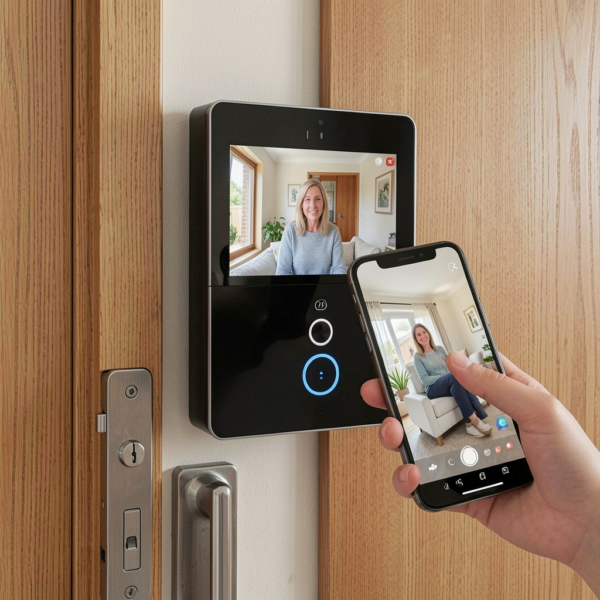
Read more: IP-Based Intercom Systems: A Comprehensive Guide (2026 Updated)
How Accurate Infrastructure Scoping Prevents Margin Erosion
Infrastructure assessment is one of the most effective ways to improve tender accuracy and protect profitability.
When estimators properly evaluate network, cabling, power, and commissioning requirements, they reduce the likelihood of unexpected variations. Projects are easier to plan, client expectations are clearer, and installation teams can work more efficiently.
Accurate scoping also improves confidence during negotiations. Contractors can explain budget assumptions with greater certainty and justify pricing based on documented infrastructure requirements.
Most importantly, a thorough infrastructure assessment reduces margin erosion. Instead of absorbing unforeseen costs, businesses can include realistic allowances from the outset.
For many successful contractors, identifying hidden intercom installation cost factors has become a competitive advantage that improves both project outcomes and long-term profitability.
Partnering With the Right Intercom Supplier During the Tender Stage
Selecting the right supplier can significantly improve tender accuracy, particularly for complex commercial and multi-residential projects.
Experienced suppliers provide more than product pricing. They can assist with network design reviews, infrastructure assessments, power calculations, and product selection guidance.
For estimators, access to technical expertise can reduce risk when evaluating unfamiliar sites or complex integration requirements. Suppliers that offer training, documentation, and pre-sales engineering support help ensure infrastructure assumptions are realistic.
DHS works closely with installers, consultants, and project teams across Australia, New Zealand, and the Pacific region, supporting IP intercom, access control, gate automation, and integrated building entry solutions. By involving technical specialists early in the tender process, contractors can make more informed decisions about infrastructure requirements and reduce unexpected costs.
Frequently Asked Questions
What are the biggest intercom installation cost factors in commercial projects?
The largest cost factors typically include cabling installation, network switch upgrades, PoE capacity requirements, communications room modifications, commissioning, and integration with access control or SIP systems.
Do IP intercom systems always require new network switches?
No. Existing switches may be suitable if they have sufficient port availability, bandwidth, management capabilities, and PoE capacity. However, many projects require upgrades due to limited capacity or security requirements.
How does PoE affect intercom installation costs?
PoE can reduce cabling and power installation costs by delivering power and data through a single cable. However, insufficient PoE budgets may necessitate switch upgrades, increasing project costs.
Why are retrofit intercom projects more expensive than new builds?
Retrofits often involve unknown infrastructure conditions, ageing cabling, occupied-building constraints, tenant coordination, access limitations, and additional fault-finding. These variables create higher labour costs and estimation risk.
Should UPS backup be included in intercom tenders?
Where entry systems support critical building access, backup power should be considered. Many commercial and multi-residential projects require UPS or battery backup to maintain operation during power outages.
In Conclusion,
Successful IP intercom estimating requires much more than pricing door stations and monitors. The most significant intercom installation cost factors are often hidden within the supporting infrastructure. Estimators who thoroughly assess these areas are better positioned to submit accurate tenders and deliver successful projects.
If you’re pricing an upcoming IP intercom project and want assistance with infrastructure planning, network design considerations, or product selection, contact DHS. Our team can help you evaluate hidden project risks and develop reliable intercom solutions that support accurate and profitable tender submissions.


1 Comment
[…] Read more: Hidden Infrastructure Costs in IP Intercom Tenders: Cabling, Switches & Power […]