
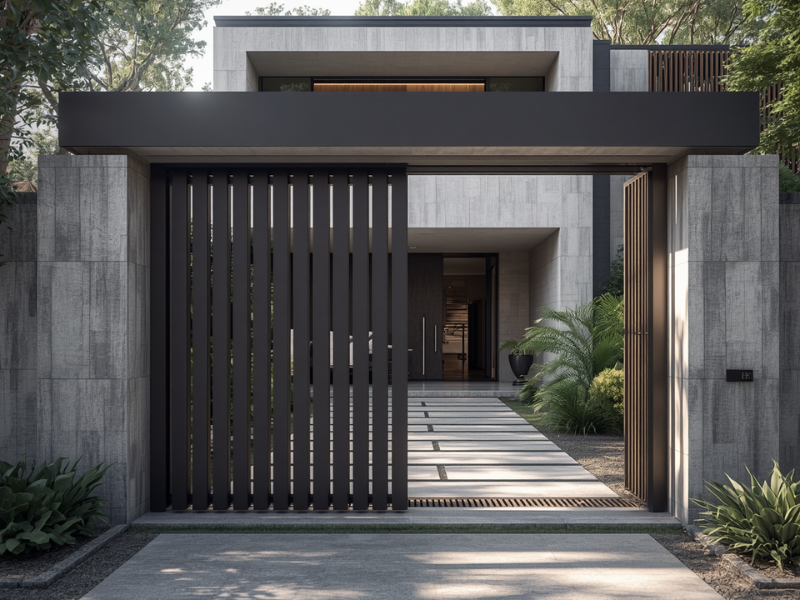
In premium residential design, silence is not an afterthought—it’s part of the experience. From acoustically treated interiors to landscaped outdoor retreats, high-end homes are designed to feel calm, controlled, and refined. Yet one overlooked detail can break that experience instantly: a noisy gate.
A poorly selected motor can produce grinding, humming, or abrupt mechanical sounds every time the gate opens. Over time, that noise becomes more than an inconvenience—it becomes a constant reminder of compromised quality.
Choosing the right quiet gate motor ensures your entrance operates smoothly, discreetly, and in harmony with the rest of your property. This extended guide explores what truly defines a low noise gate motor, how to evaluate real-world performance, and which features matter most for premium home gate automation. We’ll also reference solutions from Beninca and Nice to illustrate how modern systems achieve quiet performance without sacrificing power.
Why Noise Is a Critical Factor in Premium Gate Automation
In standard homes, gate noise may be tolerated. In premium homes, it stands out immediately.
A loud gate can:
- Disrupt quiet mornings and late evenings
- Be heard inside living spaces near the entrance
- Undermine the perception of quality and attention to detail
- Affect neighbors in tightly planned residential areas
In contrast, a quiet system enhances the experience. The gate opens smoothly, almost unnoticed, reinforcing the sense of luxury and control.
This is why selecting a quiet sliding gate opener or swing system should be a priority—not an upgrade.
Understanding Where Gate Noise Comes From
Noise in gate systems is rarely caused by a single issue. It’s usually the result of multiple factors working together.
Key noise sources include:
- Internal motor components and gear friction
- Sudden acceleration and stopping forces
- Structural vibration transferred through posts and frames
- Poor alignment of tracks, hinges, or rollers
- Wear and tear from inadequate maintenance
The important takeaway is this: a quiet system is not defined by one feature—it’s the result of a well-designed, well-installed, and well-maintained system.
Motor Technology: The Core of Quiet Performance
At the heart of every quiet gate motor is the motor technology itself.
Modern systems use advanced engineering to reduce internal resistance and vibration. High-quality motors deliver torque more smoothly, avoiding the harsh mechanical transitions that create noise.
Manufacturers like Nice emphasize refined motion and control, while Beninca focuses on robust, stable performance under load. Both approaches contribute to quieter operation when properly implemented.
When evaluating a motor, don’t just ask how powerful it is—ask how smoothly it delivers that power.
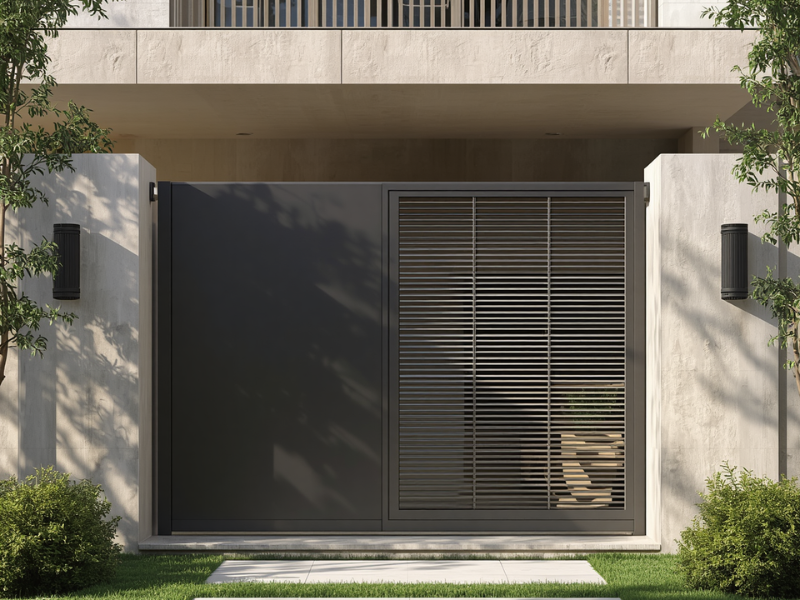
Soft Start and Soft Stop: The Foundation of Silence
One of the most important features in low noise gate motor systems is soft start and soft stop.
Without this feature, gates tend to:
- Jerk into motion with a sudden force
- Slam or stop abruptly at the end of travel
This creates both noise and mechanical stress.
With soft start and stop:
- The gate accelerates gradually
- Movement remains smooth and controlled
- Deceleration reduces impact noise
For premium installations, this feature is essential. It not only reduces sound but also extends the lifespan of the system.
Gear Design and Internal Mechanics
The internal gear system plays a major role in how a motor sounds.
High-end systems use:
- Precision-machined gears
- Low-friction materials
- Optimized gear ratios for smooth engagement
Lower-quality systems may produce whining, grinding, or rattling noises, especially as components wear over time.
In premium homes, the difference is noticeable immediately—and even more so after years of use.

Vibration Control: The Silent Performance Factor
Even if a motor itself is quiet, vibration can amplify noise across the entire structure.
Vibrations can travel through:
- Gate frames
- Mounting brackets
- Concrete posts or walls
To reduce this:
- Mounting must be secure and properly aligned
- Structural elements must be stable
- Components must be tightly fitted
Some advanced systems are designed to minimize vibration transfer, ensuring that quiet operation at the motor level translates to quiet performance across the whole gate.
Sliding vs Swing Gates: Which Performs More Quietly?
Both sliding and swing gates can be quiet—but they behave differently.
Sliding gates rely on:
- Smooth track alignment
- High-quality rollers
- Clean, debris-free movement
When optimized, a quiet sliding gate opener can operate with minimal sound.
Swing gates depend on:
- Proper hinge alignment
- Balanced gate weight
- Smooth motor control
In both cases, the system’s design and installation quality matter more than the gate type itself.
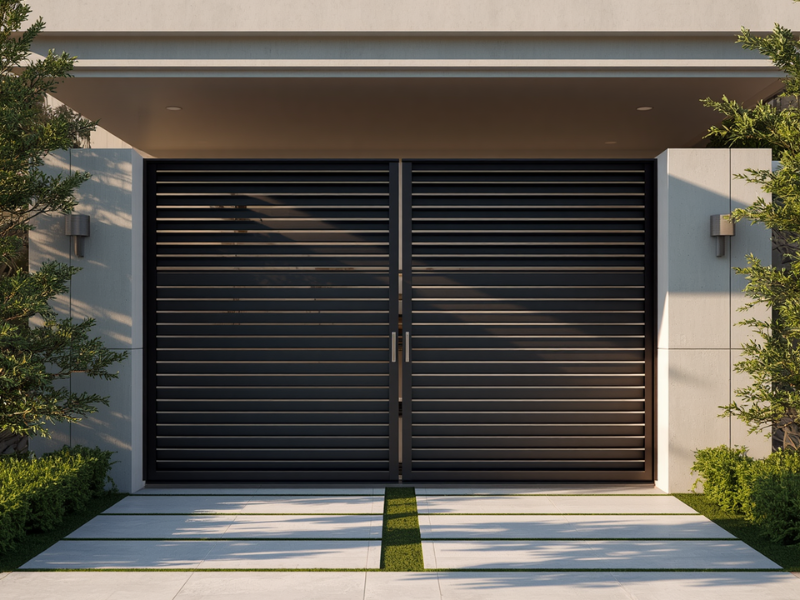
Installation Quality: The Most Overlooked Factor
You can invest in the best quiet gate motor, but poor installation will ruin the result.
Common installation issues that increase noise include:
- Misaligned tracks or hinges
- Loose mounting points
- Uneven surfaces
- Incorrect motor positioning
Professional installation ensures:
- Proper alignment
- Reduced vibration
- Smooth, consistent movement
For premium homes, installation quality is just as important as product selection.
Control Systems and Motion Precision
Advanced control systems play a major role in achieving quiet operation.
Modern controllers allow:
- Fine-tuned speed adjustments
- Gradual acceleration and deceleration curves
- Consistent stopping points
This level of precision ensures the gate moves naturally, without abrupt or noisy transitions.
Nice systems are particularly known for refined motion control, while Beninca offers dependable, stable operation across various conditions.
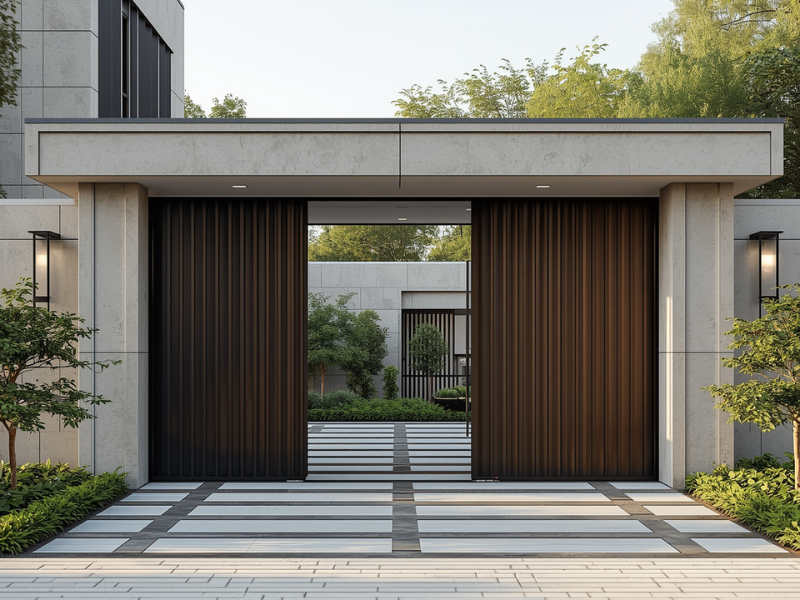
Maintenance: Preserving Quiet Performance Over Time
Even the best system will become noisy without proper maintenance.
To maintain quiet operation:
- Clean tracks and remove debris regularly
- Lubricate moving parts as recommended
- Check alignment periodically
- Inspect motor and control performance
Neglecting maintenance can turn a premium system into a noisy one within a short time.
Material Quality and Structural Design
The materials used in both the gate and the motor system affect noise levels.
High-quality materials:
- Absorb vibration more effectively
- Maintain alignment over time
- Reduce wear-related noise
Low-quality materials are more prone to:
- Flexing and rattling
- Rapid wear
- Increased friction
For premium properties, material quality is not optional—it’s essential.
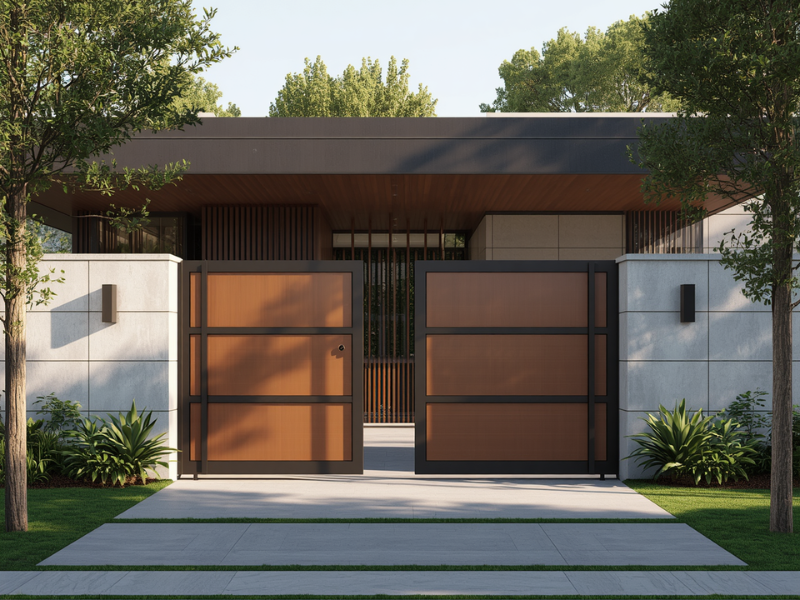
Weather Resistance and Consistent Performance
Environmental factors can influence how a gate sounds.
Exposure to:
- Rain
- Dust
- Temperature fluctuations
can affect lubrication, friction, and overall performance.
Weather-resistant systems are designed to maintain consistent operation—and consistent noise levels—regardless of conditions.
Smart Features That Enhance User Experience
Smart automation features don’t directly reduce noise, but they improve how and when your gate operates.
These include:
- Adjustable opening speeds
- Timed operation schedules
- Integration with smart home systems
These features allow you to optimize operation for both convenience and minimal disturbance.
Choosing Between Beninca and Nice for Quiet Automation
Both Beninca and Nice offer excellent solutions for quiet premium home gate automation.
Beninca is often chosen for:
- Strong, durable performance
- Stability under heavy loads
- Long-term reliability
Nice is preferred for:
- Smooth, refined motion
- Advanced control systems
- Quiet, modern operation
For homeowners prioritizing silence, both brands provide high-quality options—the choice depends on your balance of strength and control.
Common Mistakes That Lead to Noisy Gates
Many noise issues are caused by avoidable decisions.
These include:
- Choosing a motor based only on price
- Ignoring installation quality
- Skipping regular maintenance
- Using mismatched or low-quality components
Avoiding these mistakes is one of the easiest ways to ensure a quieter system.
Practical Checklist for Selecting a Quiet Gate Motor
When evaluating a quiet gate motor, consider:
- Does it include soft start and stop?
- Is the motor designed to minimize vibration?
- Are internal components high quality?
- Will it be installed professionally?
- Can the system be adjusted for smooth operation?
This checklist helps ensure your system performs as expected in real-world conditions.
Enhancing the Premium Living Experience
A quiet gate does more than reduce noise—it enhances the overall feel of your home.
It creates:
- A calm and controlled entrance experience
- Seamless integration with outdoor and indoor spaces
- A higher perceived level of quality
In premium homes, these subtle details make a significant difference.
Cost Guide: How Much Does a Quiet Gate Motor Cost?
The cost of a quiet gate motor depends on several factors, including gate type, weight, motor technology, smart features, and installation complexity.
| Component | Typical Cost Range |
|---|---|
| Residential sliding gate motor | $500–$1,500 |
| Residential swing gate motor | $600–$1,800 |
| Smart controller & accessories | $150–$600 |
| Professional installation | $500–$2,000 |
| Annual maintenance | $100–$300 |
Factors that influence price
- Gate size and weight
- Sliding vs. swing gate design
- Duty cycle requirements
- Smart home integration
- Safety accessories (photocells, flashing lights, backup batteries)
- Site preparation and electrical work
While premium systems require a higher upfront investment, quieter motors typically experience less mechanical stress, helping reduce maintenance costs and extend system lifespan.
Quiet Gate Motor Comparison
| Feature | Budget Motor | Premium Quiet Motor |
|---|---|---|
| Operating noise | Moderate to loud | Very low |
| Soft start & stop | Sometimes | Standard |
| Motion smoothness | Basic | Excellent |
| Vibration control | Limited | Advanced |
| Gear quality | Standard | Precision engineered |
| Smart controls | Optional | Extensive |
| Lifespan | Moderate | Long |
| Maintenance frequency | Higher | Lower |
| Best for | Basic residential use | Luxury homes & premium properties |
Gate Motor Sizing Guide
Choosing the correct motor size is just as important as selecting a quiet one. An undersized motor works harder than necessary, while an oversized motor may increase costs without providing additional benefits.
| Gate Weight | Recommended Residential Motor |
|---|---|
| Up to 300 kg (660 lb) | Light-duty motor |
| 300–600 kg (660–1,320 lb) | Medium-duty motor |
| 600–1,000 kg (1,320–2,200 lb) | Heavy-duty residential motor |
| Over 1,000 kg (2,200 lb) | Commercial or industrial motor |
Also consider:
- Daily opening and closing cycles
- Gate length
- Wind exposure
- Inclined driveways
- Material (steel, aluminum, timber, wrought iron)
Always choose a motor rated comfortably above your gate’s actual operating requirements rather than matching the exact weight.
Frequently Asked Questions
1. How do I choose the correct gate motor size?
The motor should be selected based on gate weight, gate length, expected daily operating cycles, and environmental conditions such as wind exposure. Choosing a motor with additional capacity helps ensure smoother, quieter operation and longer service life.
2. What is a duty cycle, and why does it matter?
Duty cycle refers to how frequently a gate motor can operate within a given period without overheating.
For example:
- Low duty cycle: 10–20 openings per day
- Medium duty cycle: 20–80 openings per day
- High duty cycle: 100+ openings per day
Premium residential homes with frequent vehicle traffic should consider motors designed for higher duty cycles to maintain reliable and quiet performance.
3. How often should a quiet gate motor be maintained?
Most residential gate systems should be professionally inspected every 12 months.
Homeowners should also:
- Keep tracks free of dirt and debris
- Inspect rollers and hinges regularly
- Lubricate moving components according to the manufacturer’s recommendations
- Check safety sensors and obstacle detection functions
- Listen for unusual noises that may indicate alignment or wear issues
Routine maintenance helps preserve quiet operation and extends the life of the automation system.
4. Can I install a quiet gate motor myself?
While some gate motor kits are designed for experienced DIY users, professional installation is generally recommended for premium systems.
A qualified installer will ensure:
- Accurate motor alignment
- Proper wiring and safety compliance
- Correct calibration of soft start and soft stop
- Reliable obstacle detection
- Minimal vibration and noise during operation
Even the quietest gate motor can become noisy if it is installed incorrectly, making professional installation a worthwhile investment.
Final Thoughts: Silence as a Standard, Not a Luxury
Choosing the right quiet gate motor is about aligning technology with lifestyle.
By focusing on smooth motion, vibration control, and high-quality components, you can create a system that operates almost silently while delivering reliable performance.
With advanced solutions from Beninca and Nice, achieving quiet, refined gate automation for premium homes is not just possible—it’s expected.
In the end, the best system is one you never have to think about—because you never hear it.