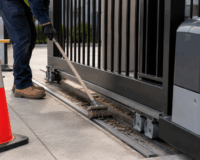
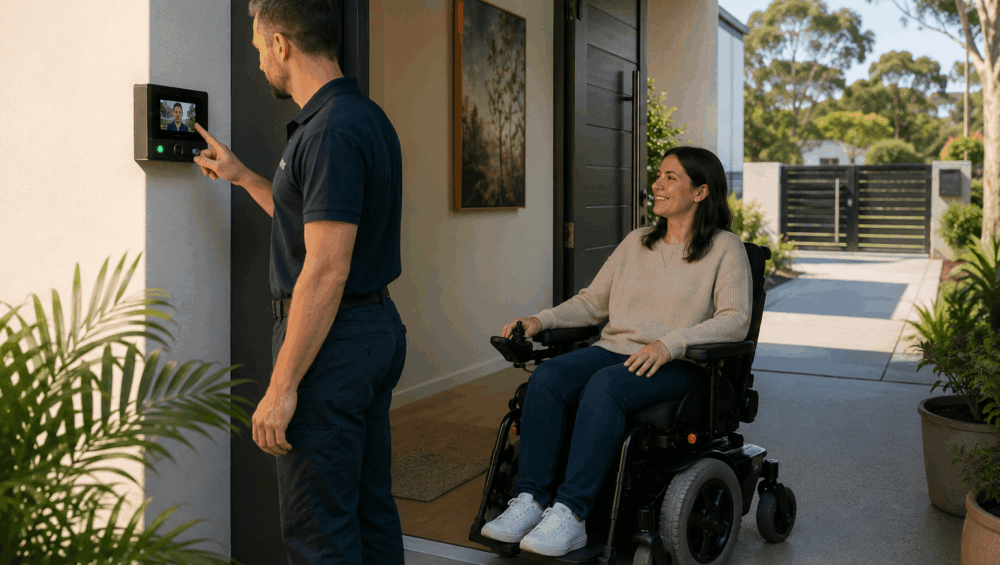
Living with carers or rotating support workers means multiple people need reliable access to the same property. In supported living environments, that access also needs to balance privacy, safety, convenience and independence. That’s where entry automation for participants with carers can make a real difference. From video intercoms and automatic doors to smart gate systems and app-based access control, modern automation solutions help reduce the stress of shared access while supporting smoother daily routines.
As supported accommodation models such as SIL and SDA continue to grow across Australia, many households are now exploring smarter ways to improve accessibility without sacrificing dignity or control.
Why Shared Access Homes Need Smarter Entry Systems
Homes shared by participants, carers and support workers operate very differently from standard households. People may come and go at different times; carers may need emergency access; and participants may experience mobility limitations that make traditional locks and manual doors difficult to use.
In many supported homes, physical keys quickly become impractical. Keys can be misplaced, copied or forgotten during shift changes. Participants may feel anxious about not knowing who is arriving, while carers can become interrupted during important assistance routines simply to answer the door.
Smarter entry automation for participants with carers helps streamline these daily interactions while improving communication and safety for everyone involved.
Common frustrations in shared-access homes include:
- Missing visitors or deliveries because participants cannot reach the door quickly
- Difficulty managing multiple keys for support workers and family members
- Uncertainty around who is entering the property
- Carers being interrupted during transfers, medication routines or personal care
- Increased stress during late-night arrivals or emergency situations
- Limited visibility for participants with hearing or mobility impairments
- Delays when opening gates or external entry points manually
Modern entry automation for participants with carers helps address these issues through remote access control, video communication and integrated entry management. Instead of relying on a single physical key, households can create tailored access permissions for carers, support workers and trusted visitors.
This becomes particularly valuable in SIL homes where staffing arrangements may change frequently. Automation can reduce confusion while helping participants maintain more independence and control over their living environment.
Read more: Smart Locks For Shared Spaces: Offices, Gyms & Co-Living
Intercom Systems That Help Participants and Carers Communicate Better
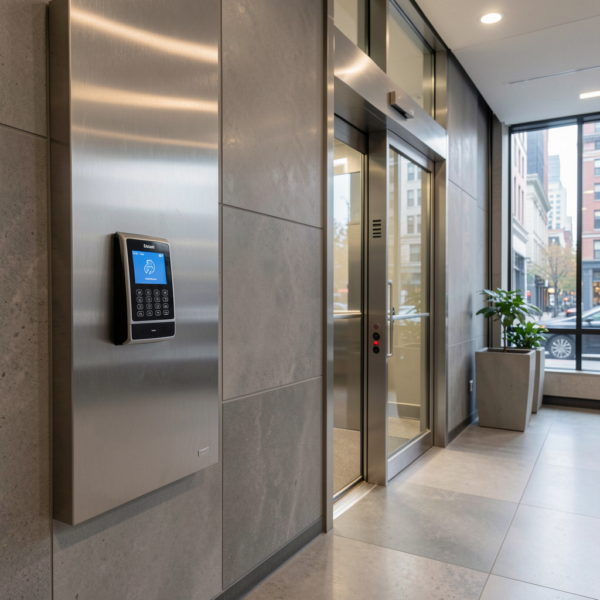
Today’s smart intercom systems offer video communication, mobile connectivity and remote access features that improve safety and convenience in supported living environments.
Video Intercoms for Visibility and Reassurance
Video intercoms allow participants and carers to see visitors before granting access. For vulnerable participants, this added visibility can significantly reduce anxiety and create a stronger sense of security.
In SIL homes or overnight care environments, carers can quickly verify who is at the door without physically leaving a participant unattended. Family members can also feel more reassured knowing visitors are screened before entry is granted.
Many systems now offer wide-angle cameras, night vision and recording functionality, helping create clearer communication at entry points.
Mobile App Access for Support Workers
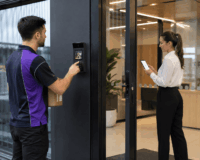
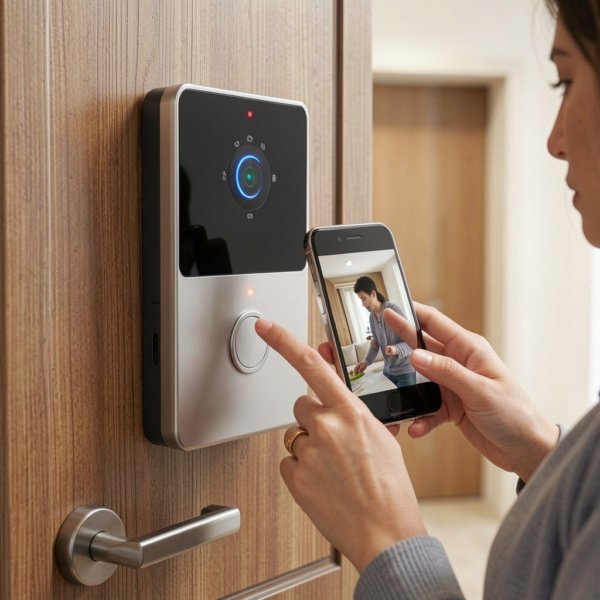
A modern carer access intercom can connect directly to smartphones or tablets, allowing authorised carers to answer calls remotely and manage access even when they are elsewhere in the property.
This flexibility is especially useful for rotating support teams where schedules regularly change. Temporary credentials or app-based permissions can be issued to authorised support workers without needing to hand over physical keys or access cards.
A connected support worker entry system can also simplify shift handovers while reducing the risk of lost credentials.
Two-Way Communication Without Rushing to the Door
For participants with mobility limitations or fatigue, rushing to the front door can be physically exhausting or unsafe. Two-way audio communication allows participants to speak with visitors comfortably from another room.
This creates several important benefits:
- Reduced physical strain
- Greater independence
- Better communication with delivery drivers or carers
- Improved confidence when managing visitors
- More control over entry decisions
Many intercoms can also integrate directly with door and gate automation, creating a more seamless smart entry experience without making the system feel overly complex or institutional.
Automatic Doors That Reduce Daily Friction Indoors and at Entry Points
Automatic doors can dramatically improve accessibility and convenience in supported homes where participants and carers regularly move through shared spaces.
For participants using wheelchairs, walkers or mobility aids, manual doors can create constant physical barriers throughout the day. Even lightweight doors may become difficult to manage during periods of fatigue or reduced dexterity.
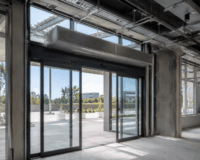
Automatic sliding doors and swing-door operators help reduce friction by providing smoother, hands-free access.
Imagine a participant returning home carrying groceries while also managing a mobility aid. Instead of struggling with keys and door handles, the door can open automatically through sensors, push-buttons or smartphone access.
In another example, a carer assisting with transfers or mobility equipment can move more safely through the home without needing to stop and manually open heavy doors.
Entry automation for participants with carers can also improve accessibility during:
- Medical visits
- Therapy appointments
- Equipment deliveries
- Emergency response situations
- Night-time bathroom access
Low-force entry systems are particularly helpful in homes where participants experience fluctuating energy levels or chronic fatigue conditions.
Importantly, these solutions are not just about mobility support. In co-living environments, automatic doors also improve the flow of daily caregiving routines by reducing interruptions and making shared movement through the property easier for everyone involved.
Read more: Automatic Doors In Aged Care Facilities: Safety, Dignity And Ease Of Use
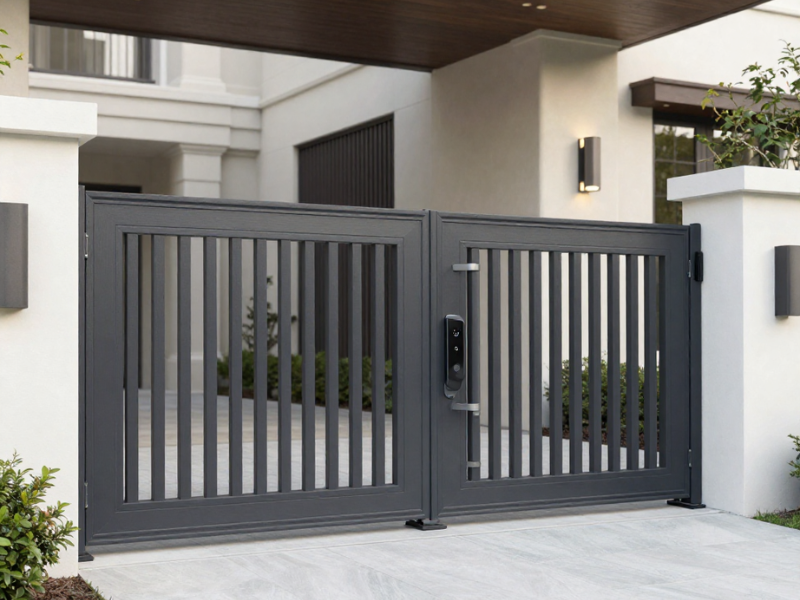
Gate Automation for Safer and More Controlled Property Access
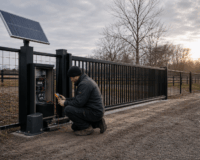
Automated gates can add another layer of safety and convenience for supported homes, especially on larger properties or homes with multiple support workers entering throughout the week.
Instead of manually opening gates during bad weather, late-night arrivals or emergency situations, participants and carers can grant access remotely using intercom systems, smartphones or remote controls.
This can be particularly valuable for rural properties where the distance between the gate and the home may create practical accessibility challenges.
Automated gates also help households manage deliveries, therapy provider visits and after-hours support access more securely.
| Feature | Manual Gates | Automated Gates |
| Physical effort | Higher | Minimal |
| Remote access | No | Yes |
| Visitor verification | Limited | Integrated with intercom |
| Carer convenience | Moderate | High |
| Security management | Basic | Advanced |
Modern gate systems can integrate with:
- Automatic gates
- Video intercoms
- Smartphone access systems
- Remote release controls
- Access scheduling software
For example, a participant or family carer may receive a video notification when a support worker arrives. They can then verify the visitor and remotely open the gate without needing to physically travel outside.
This creates a safer and more manageable environment while reducing stress for both participants and carers.
Read more: How Automatic Gate Systems Are Installed For Commercial Properties
How Entry Automation for Participants with Carers Can Support Independence Without Removing Human Support
One of the biggest misconceptions about entry automation for participants with carers is that it replaces human care. In reality, good automation should complement carers and support workers – not remove them from the process.
The goal is to reduce unnecessary barriers while giving participants greater control over everyday interactions within the home.
For many participants, needing assistance for every small entry-related task can gradually impact confidence and independence. Something as simple as answering the door or opening a gate may feel frustrating when it always requires another person’s help.
Thoughtfully designed disability home automation systems can help participants regain some of that control while still maintaining appropriate support.
This may include:
- Granting access to visitors independently
- Viewing visitors through an intercom before responding
- Opening internal doors more easily
- Reducing physical strain during movement
- Managing access permissions safely
At the same time, carers benefit from smoother workflows, fewer interruptions and more efficient coordination during support routines.
Important Planning Considerations Before Choosing an Entry Automation for Participants with Carers
Every supported household has different needs, so it’s important to carefully assess how the system will be used before choosing products or configurations.
A well-designed entry automation for participants with carers should feel intuitive, reliable and easy to maintain over the long term.
Important considerations include:
- How many carers or support workers require access
- Whether support schedules change regularly
- Internet and power reliability at the property
- Participant mobility and accessibility requirements
- Future scalability as needs evolve
- Emergency override access options
- Integration between doors, gates and intercom systems
- Indoor versus outdoor installation conditions
- Weather exposure and environmental factors
- Security requirements for medications or restricted areas
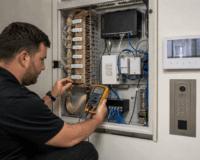
Professional installers and automation integrators can help ensure systems are configured correctly for accessibility, compliance and long-term reliability.
This matters because poorly planned automation can create unnecessary frustration if systems become difficult to use or fail during critical moments.
For households exploring entry automation for participants with carers for the first time, tailored consultations and assessments can help identify the most practical and cost-effective solution based on the participant’s living arrangement and support requirements.
For broader accessibility guidance in Australia, households may also benefit from reviewing information from the NDIS Assistive Technology guidance when planning home access improvements.
Real-World Example Scenarios for Supported Homes
Real-world scenarios often make the benefits of automation easier to understand because every supported home operates differently.
SIL Home With Rotating Support Staff
A supported independent living home has multiple carers arriving across different shifts each day. Previously, staff relied on shared keys that were frequently misplaced or forgotten.
The household installs a video intercom connected to a mobile access platform. Temporary credentials can now be assigned digitally to authorised support workers based on roster schedules.
Participants can view visitors before allowing entry, while overnight staff can verify arrivals remotely without disturbing sleeping residents.
The result is smoother shift coordination, improved security and fewer interruptions during care routines.
Read more: Which Entry Upgrades For SDA SIL Home Modifications Should You Consider?
Participant Living With Family Carers
A participant living with ageing parents struggles with fatigue and mobility limitations. Family carers were constantly interrupted to answer the front door or manually open gates for support workers and deliveries.
The home installs an automatic door operator and smartphone-connected intercom system. The participant can now communicate with visitors independently and trigger entry remotely from inside the home.
This reduces physical strain while helping preserve privacy and independence within the family environment.
Rural Property With Automated Gate Access
A participant living on a semi-rural property receives regular visits from therapists, support workers and delivery providers. The long driveway and heavy manual gate created safety concerns, particularly after dark.
The property upgrades to an automated gate integrated with a video intercom and remote-release system. Support workers can request entry safely after hours, while family carers can verify visitors remotely before opening the gate.
The entry automation for participants with carers improves security, reduces stress and simplifies property access for everyone involved.
FAQs
What is the best entry automation for participants with carers?
Many supported homes benefit from combining intercom systems, automatic doors, and mobile-based access control into a single integrated setup. The ideal solution depends on the participant’s mobility needs, property layout and support arrangements.
Can support workers receive temporary access permissions?
Yes. Many modern systems allow temporary digital credentials or app-based permissions to be assigned to authorised carers and support workers.
Are automated doors suitable for NDIS participants?
Automatic doors can improve accessibility, reduce physical strain and support greater independence for many participants. Professional planning helps ensure the system suits the participant’s needs.
Can intercoms connect to automatic gates and doors?
Yes. Many smart intercom systems integrate directly with automatic doors, gates and access-control systems to create a seamless entry automation for participants with carers.
What happens if the power or internet goes down?
Most professionally installed systems include backup access options such as manual overrides, battery backups or fail-safe entry methods to maintain access during outages.
Creating Safer and More Manageable Shared Living Environments
Good entry automation for participants with carers is about more than convenience. The right setup can support independence, improve safety and help daily caregiving routines run more smoothly. Modern entry solutions can help reduce physical strain, simplify shared access and give participants greater confidence.
Whether supporting independent living, SIL accommodation or family-based care, integrated entry automation for participants with carers can help create a safer and more manageable home environment for everyone involved.
To explore tailored automation solutions for supported homes, contact Digital Home Systems (DHS) to discuss professional advice, integrated technologies and accessible entry systems designed for modern care environments.