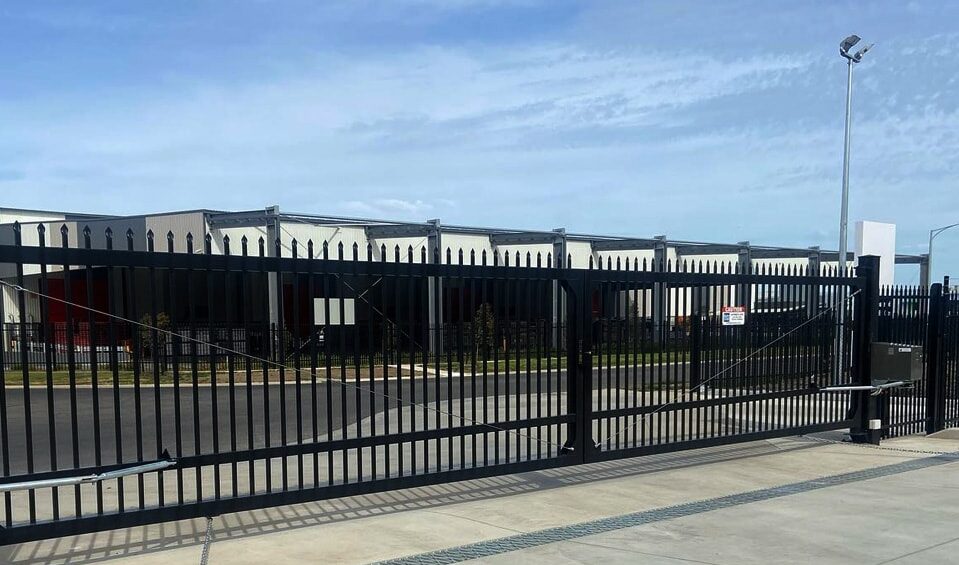
Commercial property owners across Melbourne are increasingly investing in automatic gate systems. From warehouses in Dandenong to logistics hubs in Laverton North, the demand for secure, efficient, and professional access control has never been higher.
For installers and automation companies, this shift represents both an opportunity and a challenge. Clients expect not only functional gates but also systems that are safe, compliant with Australian standards, and seamlessly integrated with their wider security infrastructure.
This guide explains how automatic gate systems are installed for commercial properties, focusing on the real-world process, key components, and what decision-makers need to know before starting a project.
Table of Contents
ToggleWhy Businesses Are Choosing Automatic Gate Systems
- Enhanced Security. Commercial properties often store high-value assets. Automatic gates provide the first line of defence against theft, trespass, or unauthorised entry. When paired with CCTV and access control, they form a strong layered defence.
- Traffic Flow and Efficiency. Sliding gates allow smoother movement of heavy trucks and delivery vans. Automated entry reduces bottlenecks during shift changes or peak hours.
- Professional Image. First impressions matter. A modern, motorised gate gives offices, showrooms, and business parks a polished, professional appearance.
- Compliance and Safety. In Victoria, regulations from WorkSafe and standards like AS 4024 (Safety of Machinery) require employers to minimise risks from moving gates and machinery. Automatic gates designed and installed correctly help businesses meet these obligations.
Why Commercial Gate Installation Is Different
Installing an automatic gate system for a commercial property is fundamentally different from installing one for a residential property. The scale, usage frequency, and security requirements introduce additional complexity during both design and installation.
Commercial gates are typically larger and heavier. They require more powerful motors and reinforced structures. They are also used more frequently throughout the day, which means components must be durable for continuous operation.
Safety is another major consideration. Commercial systems must comply with regulations to prevent accidents, including the use of safety sensors, emergency stop mechanisms, and proper force calibration. These requirements are not optional and must be built into the system from the start.
In addition, commercial gates are often integrated with broader systems such as access control, surveillance, and intercoms. This integration requires careful planning to ensure all components work together.
Key Components of a Commercial Gate System
A commercial automatic gate system consists of several interconnected components, each playing a specific role in operation and security.
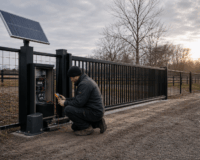
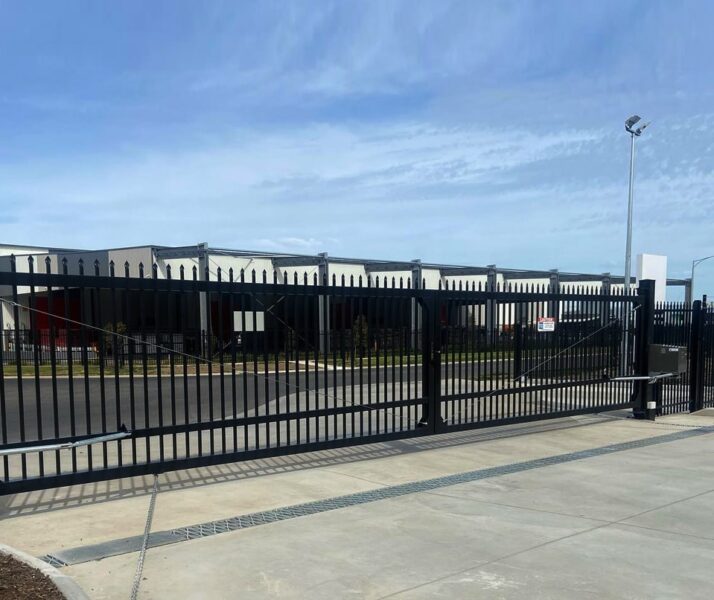
- The gate structure itself can be sliding or swing, depending on the site layout and space availability. Sliding gates are often preferred in commercial settings due to their reliability and suitability for heavy-duty use.
- The motor is one of the most critical components. Commercial-grade motors are designed to handle heavy gates and frequent operation. Choosing the right motor ensures smooth performance and reduces the risk of breakdowns.
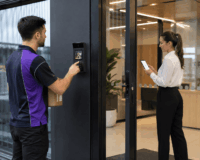
- Control systems manage how the gate operates. These may include keypads, remote controls, card readers, or mobile access systems. In many cases, these controls are integrated into a centralised access management system.
- Safety devices include photocells, safety edges, and warning lights. All of which ensure that the gate operates safely in busy environments.
Types of Automatic Gates for Commercial Properties
Sliding Gates
-
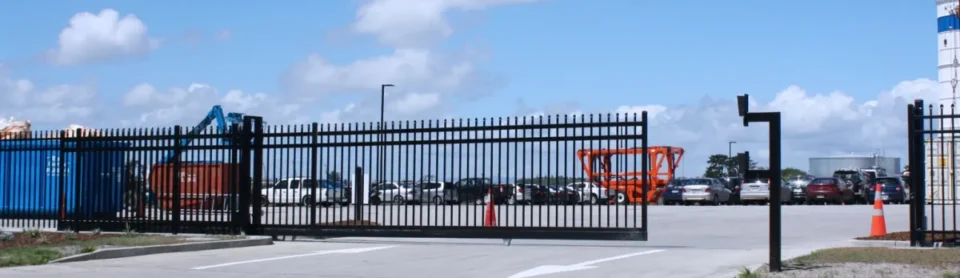
Ideal for large openings up to 15 metres.
-
Suitable for industrial estates, transport depots, and warehouses.
-
Require less clearance space compared to swing gates.
-
Can handle heavy-duty cycles, making them Melbourne’s most popular choice.
Swing Gates
-
Aesthetic appeal for heritage or office properties.
-
Require clearance for the gate leaf to swing.
-
More vulnerable to strong winds, common in Melbourne’s western suburbs.
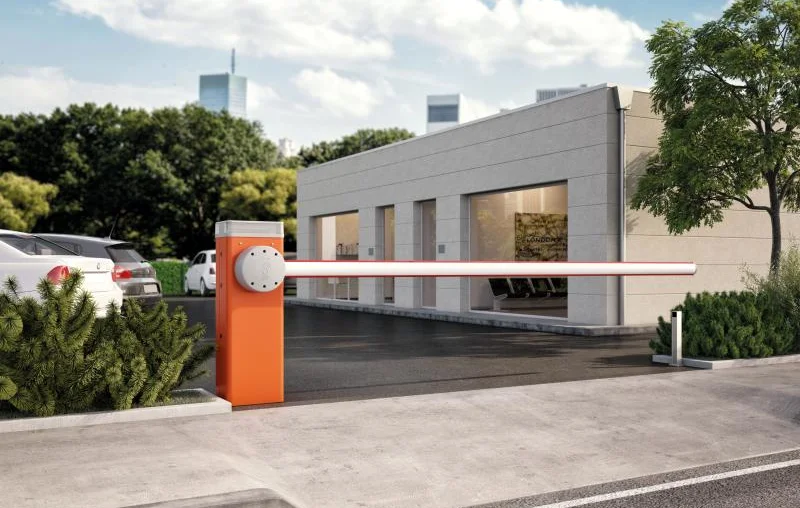
Boom Barriers
-
Perfect for car parks and quick vehicle access points.
-
High-speed operation (2–4 seconds).
-
Not a standalone security solution—best used with fencing or bollards.
Read more: 5 Benefits of Installing Automatic Boom Gates in Commercial Properties
How Should Installers Conduct a Site Survey Before Installation?
A thorough site survey is the foundation of every successful project.
Questions to Discuss with Clients
-
How many cycles per day are expected?
-
What types of vehicles will use the gate?
-
What access control methods are required (remotes, RFID, ANPR, intercom)?
-
What should the gate do during a power outage?
Site Considerations in Melbourne
-
Soil and drainage: Many industrial zones have clay soils that require reinforced footings and agi-pipes for drainage.
-
Ground slope: Sliding gates require a level surface. Sloped driveways may need cantilever designs.
-
Corrosion: Properties near Port Phillip Bay should use galvanised or aluminium frames.
-
Power supply: Ensure an isolated circuit is available, or budget for trenching new conduits.
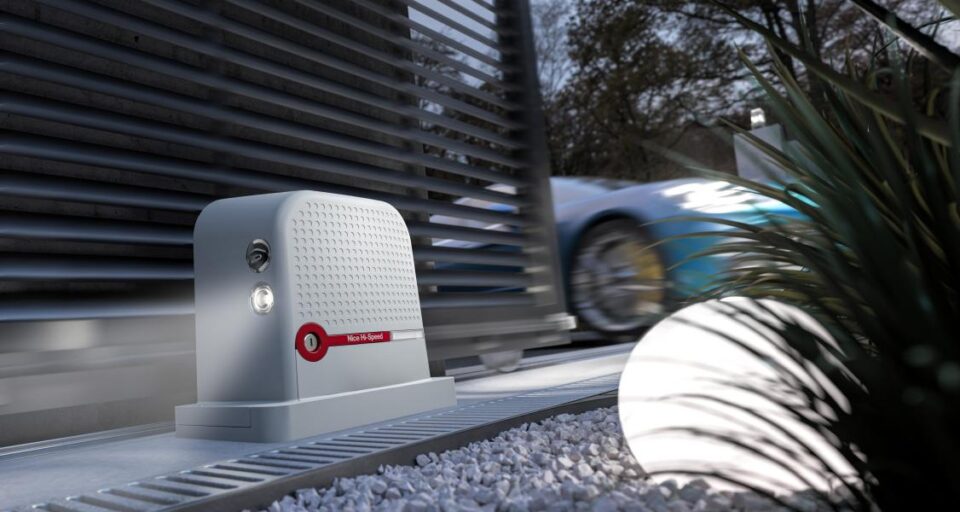
How Do You Choose the Right Motor and Hardware?
A thorough site survey is the foundation of every successful automatic gate system project.
Questions to Discuss with Clients
-
How many cycles per day are expected?
-
What types of vehicles will use the gate?
-
What access control methods are required (remotes, RFID, ANPR, intercom)?
-
What should the gate do during a power outage?
Site Considerations in Melbourne
-
Soil and drainage: Many industrial zones have clay soils that require reinforced footings and agi-pipes for drainage.
-
Ground slope: Sliding gates require a level surface. Sloped driveways may need cantilever designs.
-
Corrosion: Properties near Port Phillip Bay should use galvanised or aluminium frames.
-
Power supply: Ensure an isolated circuit is available, or budget for trenching new conduits.
Read more: Explore New NICE Robus Motors for Sliding Gates | Full Specs & Kit Guide
Automatic Gate System Installation Process for Commercial Properties
While the exact process may vary by site and system, installing a commercial automatic gate typically follows a structured sequence.
The process begins with a site assessment. This involves evaluating the layout, ground conditions, traffic flow, and security requirements. The goal is to determine the most suitable type of gate and automation system.
Next comes system design. At this stage, engineers specify the gate type, motor capacity, control systems, and safety features. Proper design ensures that the system meets both operational and regulatory requirements.
Once the design is finalised, groundwork and preparation begin. This may include laying foundations, installing tracks for sliding gates, or preparing mounting points for motors and control units.
The gate and motor are then installed. This step requires precise alignment to ensure smooth operation and prevent mechanical issues. Electrical connections are also established during this phase.
After installation, the system is configured and tested. This includes setting operating parameters, integrating access control systems, and verifying safety features. Testing ensures that the system functions correctly under real-world conditions.
Finally, the system is handed over with documentation and training. Business owners and staff are instructed on how to operate and maintain the system effectively.
Compliance & documentation in Australia (installer perspective)
This is guidance, not legal advice—confirm local requirements before work.
Installers must comply with:
-
AS 4024 – Safety of Machinery to minimize entrapment risks.
-
AS/NZS 3000 – Wiring Rules for all electrical works.
-
AS 60839 – Access Control Standards if integrated with building security.
-
Powered doors/gates: Apply safety-of-machinery principles (risk assessment, guarding, safety devices, instructions).
-
Licensing: Electrical licences and, where applicable, security equipment registration.
-
Records: Keep test sheets, torque logs, device serials, firmware versions, user training sign-off.
Always provide a handover pack including risk assessments, wiring diagrams, and maintenance schedules. This protects you legally and reassures clients.
Handover pack (what your Melbourne clients appreciate):
-
As-built drawings and cable schedules.
-
Control board configuration export/screenshots.
-
Safety risk assessment + maintenance schedule.
-
Warranty statement and service contact.
-
Keys, remotes, access tokens, and manual release procedure.
Do You Need a Professional Installer?
For commercial properties, professional installation is not just recommended – it is essential. The complexity of the system, combined with safety and compliance requirements, makes DIY installation impractical and risky.
Professional installers bring expertise in system design, equipment selection, and installation techniques. They ensure that the automatic gate system is properly configured and meets all regulatory standards.
In addition, working with professionals reduces the risk of costly mistakes. Incorrect installation can lead to system failure, safety hazards, and increased maintenance costs over time.
Most importantly, professional installers provide ongoing support and maintenance services, ensuring that the system continues to operate reliably.
How Much Does It Cost to Install a Commercial Automatic Gate?
The cost of installing an automatic gate system for a commercial property can vary widely depending on the project size, the type of gate, and the level of integration required.
-
Basic sliding gate: $10,000–$15,000
-
Industrial heavy-duty gate: $15,000–$25,000+
-
Extras:
-
Loop detectors: $500–$1,500
-
Intercom/ANPR: $2,000–$5,000
-
Maintenance contract: $500–$1,000/year
-
Key installer tip: Always explain cost drivers upfront (gate size, motor strength, civil works).
While the upfront cost may seem significant, investing in a well-designed system can provide long-term value through improved security, efficiency, and reduced maintenance.
FAQs
How long does it take to install a commercial sliding gate?
Typically 3–5 working days including footings, cure time, mechanical install, wiring, and commissioning—complex integrations can add time.
Can I retrofit a motor to an existing manual gate?
Yes—check frame rigidity, track condition, straightness, and structural posts. You may need to re-rack and replace rollers.
What motor size do I need?
Match motor rating to gate mass + duty cycle. For most commercial Melbourne sites, medium-heavy motors (≈600–1200 kg rating) are common; go higher for wind-solid infills or very wide spans.
What happens in a power outage?
Options include manual release, battery backup (24V DC systems), or a UPS. Agree the fail mode with your client (fail-secure vs. open).
Do I need photo-eyes if the gate has obstacle detection?
Yes. Use redundant safety: beams, safe speeds, and obstruction reversal. Never rely on motor current sensing alone.
What maintenance is required?
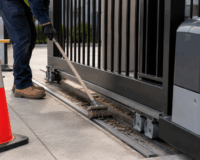
Quarterly professional service plus client housekeeping (keep tracks clean, report unusual noises). This extends motor life and keeps the warranty valid.
Conclusion: Why Should You Position Yourself as a Specialist Installer?
Installing an automatic gate system for a commercial property is a complex process that requires careful planning, proper equipment selection, and professional expertise. Unlike residential systems, commercial installations must meet higher standards for durability, safety, and integration.
Understanding how the installation process works helps business owners make informed decisions and avoid common pitfalls. From choosing the right gate type to ensuring proper integration with security systems, every step contributes to the system’s overall performance.
With the right approach, an automatic gate system can significantly enhance both the security and efficiency of a commercial property.
In Melbourne’s competitive market, clients are looking for automatic gate installers Australia who don’t just “fit motors,” but deliver safe, compliant, and efficient systems that integrate with their wider security.