
For many property owners, facility managers, and business operators, the cycle often starts with a small fault, someone organises a repair, and things seem fine again, until the next issue arrives weeks later. Over time, recurring faults can become expensive and frustrating.
The challenge is knowing when a repair is still worthwhile and when an upgrade is a smarter long-term choice. That’s why it is important to understand the difference between an entry system upgrade vs patching failures. Whether it’s gates, automatic doors, intercoms, or integrated access systems, repeated failures can affect security, safety, convenience, and day-to-day operations. In many cases, upgrading the system can reduce downtime and provide a more reliable solution moving forward.
The Difference Between a Fault and a System Pattern
Not every malfunction automatically means a full replacement is needed. Entry systems consist of multiple components, and occasional faults are normal over time. A damaged sensor, worn relay, or isolated power issue can often be repaired quickly without major upgrades.
The real concern when it comes to an entry system upgrade vs patching failures starts when isolated problems become recurring patterns. For example, if the same gate motor keeps failing every few months, or multiple doors across the property begin experiencing reliability issues simultaneously, the issue may extend beyond a single component.
Ageing infrastructure often creates overlapping symptoms. Older systems may suffer from degraded cabling, inconsistent voltage, outdated control boards, obsolete software, or weather-related wear. Even if one part is repaired, another weakness can emerge shortly after.
This is particularly common in high-use commercial sites, apartment complexes, schools, medical facilities, and industrial properties where entry systems experience heavy daily traffic. In these environments, repeated failures can indicate that the overall system is struggling to meet the site’s operational demands.
Warning Signs: It May Be Time to Upgrade
When entry systems become unreliable, the warning signs are often visible well before total failure occurs. Recognising these patterns early can help prevent major disruptions and emergency breakdowns.
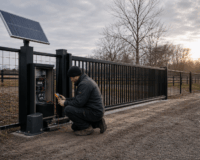
- Repeated gate motor faults. Frequent motor failures, overheating, or inconsistent gate movement may suggest the system is reaching the end of its service life or operating beyond its intended duty cycle.
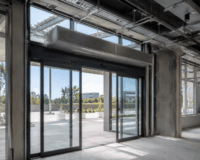
- Door operator reliability issues. Automatic doors that hesitate, fail to close properly, or operate inconsistently can create accessibility and safety concerns for users.
- Intercom dropouts or poor audio/video. Older intercom systems may struggle with degraded cabling, outdated network hardware, or compatibility limitations that affect communication quality.
- Safety sensor problems. Faulty safety beams, motion sensors, or obstruction detection systems can create both compliance and liability risks.
- Lack of parts availability. Older entry systems sometimes rely on discontinued components that are difficult or expensive to source, increasing repair downtime.
- Users bypassing the system. When tenants, staff, or visitors start propping doors open, manually overriding gates, or avoiding the system entirely, reliability problems are already affecting site behaviour.
- Frequent emergency callouts. Ongoing after-hours technician visits often indicate deeper infrastructure problems rather than isolated faults.
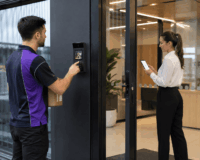
- Inconsistent access permissions. Older access systems may struggle to manage changing user groups, remote credentials, or modern security requirements.
- Weather-related performance issues. Systems that fail during rain, heat, or storms may have deteriorating enclosures, power instability, or ageing outdoor components.
- Multiple unrelated failures appearing together. If gates, intercom systems, doors, and access readers all begin showing problems around the same period, the entire system may be nearing replacement age.
Entry System Upgrade Vs Patching Failures: A Practical Decision Table
Before committing to a major replacement project, it helps to compare the problem’s scale and frequency to decide between an entry system upgrade vs patching failures. In some cases, repairs remain practical. In others, an entry system upgrade delivers better long-term value.
| Situation | Patch may be enough when… | Upgrade may make sense when… |
| Gate motor failure | The motor is relatively new, and the issue is isolated | Failures keep recurring, or the motor is undersized for the site usage |
| Automatic door issues | Sensors or hardware require minor adjustment | Door operators repeatedly fail or struggle with daily traffic |
| Intercom faults | Cabling at one station needs repair | Audio, video, network, and reliability issues affect multiple users |
| Access control changes | Small credential updates are needed | The system cannot support modern permissions or remote management |
| Safety compliance concerns | Minor compliance adjustments are required | Existing equipment no longer meets operational or safety expectations |
| Multi-user site complaints | Problems are occasional and manageable | Ongoing complaints affect tenants, staff, visitors, or operations |
| Network connectivity issues | Temporary network faults caused interruptions | Legacy hardware cannot reliably support modern connectivity |
| Power supply instability | A single faulty power supply is identified | Electrical instability affects multiple entry points |
| Spare part shortages | Replacement parts remain available | Essential components are discontinued or prohibitively expensive |
| User growth or site expansion | Usage levels remain stable | Increased traffic places an ongoing strain on the current system |
A practical assessment between entry system upgrade vs patching failures should consider not only the immediate repair cost, but also the likely future maintenance burden and operational impact.
Hidden Costs of Patching Failures Repeatedly
Between entry system upgrade vs patching failures, repeated repairs can appear cheaper in the short term, but the ongoing costs often accumulate quietly over time. Technician callouts, replacement parts, labour charges, downtime, and user disruption can quickly add up.
For commercial sites and shared residential properties, unreliable entry systems also create indirect operational costs. Staff may spend time manually managing access, tenants may lose confidence in the building’s reliability, and visitors may experience frustration.
In some environments, repeated faults can also affect safety and accessibility. Automatic doors that stop functioning properly may create difficulties for elderly users, mobility-impaired visitors, or high-traffic entry points.
Some of the hidden impacts include:
- Ongoing emergency repair costs
- Increased after-hours technician fees
- Tenant or customer frustration
- Reduced security confidence
- Inconsistent access experiences
- Operational delays
- Potential reputational damage
- Increased risk of complete system failure
A helpful comparison can be seen in the way many Australian facilities approach long-term building maintenance planning. Organisations such as Facilities Management Australia regularly discuss the value of lifecycle planning and preventative infrastructure management rather than relying entirely on reactive repairs.
Over time, proactive upgrades often become more cost-effective than continual patching.
How Gates, Doors and Intercoms Affect Each Other
When it comes to entry system upgrade vs patching failures, one of the most common misconceptions about entry systems is that each device operates independently. In reality, door and gate automation, intercoms, access control hardware, power supplies, and network infrastructure are often closely connected.
A gate motor may still function mechanically, but unreliable intercom communication can prevent users from triggering access. Similarly, an automatic door may open correctly while outdated access permissions or faulty release logic continue causing operational problems.
Power supply instability can also affect multiple systems simultaneously. Voltage fluctuations, degraded cabling, or overloaded circuits may create intermittent faults across gates, intercoms, readers, and automation controllers.
This interconnected behaviour is why recurring failures sometimes appear inconsistent or difficult to diagnose. A technician may repair one symptom, only for another connected issue to emerge later.
Modern entry systems increasingly rely on integrated workflows involving:
- Remote access management
- Mobile credential systems
- Cloud-based monitoring
- Shared access permissions
- CCTV integration
- Alarm integration
- Automated schedules
- Safety monitoring
As systems become more integrated, ageing infrastructure can struggle to support modern operational demands.
Read more: Automatic Gate Planning For Multi-Unit Developments And Shared Driveways
What to Assess Before Choosing a Replacement
After considering entry system upgrade vs patching failures and before proceeding with a replacement project, it helps to assess the site’s broader condition and understand where the current system falls short.
A structured review can make the decision between repair and upgrade far clearer.
- Current failure history: Track how often faults occur, how quickly they return, and whether the same problems keep reappearing.
- Age of equipment: Older systems may no longer support modern reliability, security, or integration requirements.
- Site usage and duty cycle: High-traffic environments place greater strain on gates, doors, and access hardware.
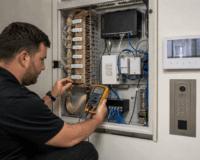
- Cabling and power condition: Damaged or ageing infrastructure can continue causing faults even after components are replaced.
- Safety devices: Review the condition of sensors, beams, emergency release systems, and obstruction detection.
- User groups: Consider tenants, staff, visitors, delivery drivers, contractors, residents, and accessibility requirements.
- Remote access needs: Many sites now require app-based management, remote diagnostics, and cloud access control.
- Integration requirements: Modern systems may need to connect with alarms, CCTV, lifts, doors, or building management platforms.
- Maintenance history: Repeated repairs over several years often indicate broader infrastructure decline.
- Future site plans: Upcoming renovations, tenancy growth, or operational changes may influence upgrade decisions.
A professional assessment can help determine whether selective upgrades or a full replacement will yield the most reliable outcome.
Read more: Gate Upgrade Proposals For Property Managers – How To Evaluate Properly
Building a Smarter Automatic Door Replacement Plan
A successful automatic door replacement plan should focus on more than simply swapping old hardware for new equipment. The goal is to improve reliability, user experience, accessibility, and long-term maintainability.
Planning should consider how people actually move through the building each day. High-traffic entrances, delivery access points, shared tenancy areas, and after-hours access requirements may all influence system design.
It’s also important to assess future maintenance expectations. Choosing equipment with strong manufacturer support, available spare parts, and scalable integration options can help reduce long-term operational costs.
For larger sites, staged works may minimise disruption while still improving reliability over time. Some facilities prioritise the highest-failure entry points before upgrading secondary systems.
A well-planned upgrade strategy, as long as understanding entry system upgrade vs patching failures, often leads to greater operational consistency, improved accessibility, and fewer emergency repairs.
Read more: How Builders Can Choose Entrance Automation For Duplex Projects

FAQ about Entry System Upgrade Vs Patching Failures
How do I know when to upgrade the entry system instead of patching failures?
If faults keep recurring, repair costs continue to rise, or users regularly experience access problems, the system may be reaching the point where upgrading becomes more practical and cost-effective.
Are recurring gate failures always a sign that the motor needs replacing?
Not always. Problems may involve power supply issues, sensors, control boards, alignment, or duty-cycle limitations. However, repeated motor-related failures can indicate broader system wear.
Can an old intercom cause problems with gate or door access?
Yes. Intercoms often connect directly with gate release logic, access permissions, and network infrastructure. Older systems can create delays, dropouts, or inconsistent access behaviour.
Is it better to replace everything at once or upgrade in stages?
That depends on site conditions, budget, and operational priorities. Some properties benefit from staged upgrades, while others achieve better reliability through complete system replacement.
What information should I collect before requesting a quote for an entry system upgrade?
Gather fault history, equipment age, photos, maintenance records, site usage details, access requirements, and any recurring operational complaints to support a more accurate assessment.
Final Thoughts
Deciding between repairs and replacement is rarely just about a single fault. The real question is whether the system continues delivering reliable, safe, and consistent access.
Understanding the difference between an entry system upgrade vs patching failures helps property owners make smarter long-term decisions. While isolated repairs still have their place, growing operational demands often point toward the value of a more strategic upgrade approach.
If you’re assessing ongoing entry system problems and want practical advice on upgrade options, contact DHS to discuss smarter solutions for gates, doors, intercoms, and integrated access systems.
4 Comments
[…] Read more: Entry System Upgrade Vs Patching Failures: The Ultimate Guide For Smarter Access Reliability […]
[…] Read more: Entry System Upgrade Vs Patching Failures: The Ultimate Guide For Smarter Access Reliability […]
[…] Read more: Entry System Upgrade Vs Patching Failures: The Ultimate Guide For Smarter Access Reliability […]
[…] Related: When It Makes Sense to Upgrade the Entry System Instead of Patching Failures […]