

With the explosive growth of eCommerce, parcel deliveries have become a daily occurrence. For apartment buildings, strata complexes, and mixed-use developments, this surge has created a new operational challenge: safely managing the constant flow of delivery traffic. Residents now expect flexible delivery experiences. However, building managers must balance this demand with the security of shared spaces.
Improving delivery access without compromising security is no longer optional – it’s essential. Poorly managed delivery systems can quickly become security loopholes. This article explores how modern access control strategies and smart technologies can help buildings achieve secure and resident-friendly delivery workflows.
Why Delivery Access Has Become a Major Building Security Challenge
Delivery access has quietly become one of the most vulnerable aspects of building security. Traditional access systems were never designed to handle the sheer volume and unpredictability of today’s courier traffic. As a result, gaps have emerged.
One of the most common issues is tailgating, where delivery personnel – or even opportunistic intruders – gain entry by following residents through secured doors or gates. Similarly, doors and gates are often propped open to accommodate multiple deliveries, unintentionally leaving the building exposed for extended periods.
Another major concern is unverified courier access. In many buildings, delivery drivers are granted entry without proper identification or confirmation. This creates an environment where anyone posing as a courier could gain access, increasing the risk of theft or unauthorised entry.
The consequences are significant. Parcel theft is on the rise, but it doesn’t stop there – unauthorised access can lead to broader property damage, safety concerns, and even legal liability for building managers and owners’ corporations. When incidents occur, the lack of audit trails or access logs makes it difficult to investigate or resolve disputes.
Traditional intercom systems also struggle to keep up. Many rely on audio-only communication, fixed indoor units, or manual processes that don’t align with modern delivery patterns. As a result, buildings are left trying to manage a high-volume, high-risk workflow with outdated tools.
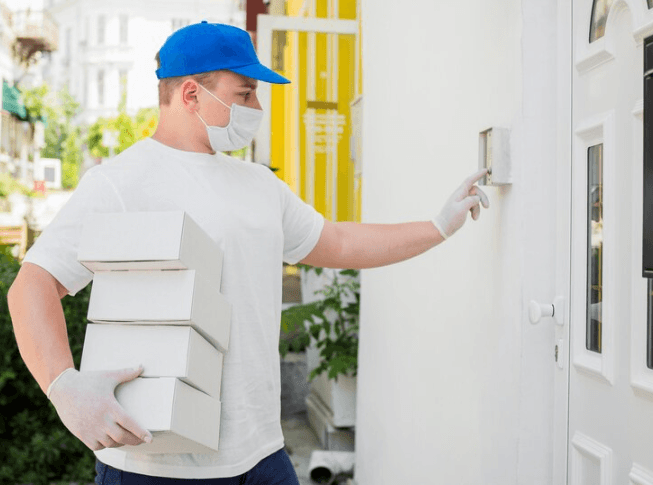
Common Security Risks Caused by Poor Delivery Access Systems
- Missed deliveries and redelivery loops. Residents are often not home during delivery windows, resulting in missed deliveries and repeated delivery attempts. This not only frustrates residents but also increases foot traffic in and out of the building. Even worse, this puts additional strain on access points and security systems.
- Lack of real-time communication. Without video intercom or mobile connectivity, residents are forced to make access decisions blindly. They may grant access without verifying the courier or miss the delivery entirely because they cannot respond in time. This gap significantly weakens secure visitor access protocols.
- Over-reliance on manual processes. Buildings that rely on concierge staff or manual delivery handling often struggle to scale. As parcel volumes increase, these workflows become inefficient, prone to human error, and difficult to manage consistently.
- Security vs convenience conflicts. When systems are too restrictive, residents tend to find workarounds. Sharing access codes, leaving doors unlocked, or instructing couriers to “just follow someone in” are common behaviours that undermine building security.
- Legacy infrastructure limitations. Older buildings often lack the infrastructure needed for modern parcel delivery access without compromising security. Without IP-based systems or smart intercom capabilities, they cannot support features like remote access, video verification, or automated workflows.
Read more: Smart Video Entry Systems for Reception & Visitor Management
Key Principles for Secure Delivery Access Design
To achieve delivery access without compromising security, buildings must adopt a design approach grounded in a few key principles.
First and foremost is verification before access. Every delivery interaction should include some form of identity confirmation, whether through video intercom, credential validation, or system-based authentication. This ensures that only legitimate couriers are granted entry.
Controlled and limited access is equally important. Instead of granting unrestricted access, buildings should implement time-based permissions that allow entry only during specific windows. This minimises exposure and ensures tighter control over who enters the premises.
Audit trails and event logging provide another critical layer of protection. By recording access events – who entered, when, and how – building managers can maintain accountability and quickly investigate any incidents.
Remote management capabilities also play a key role. Mobile apps and cloud-based systems allow residents and managers to control access from anywhere, making it easier to respond to deliveries in real time without compromising safety.
Together, these principles form the foundation of secure visitor access and effective parcel delivery access control. They enable buildings to scale their delivery access without compromising security.
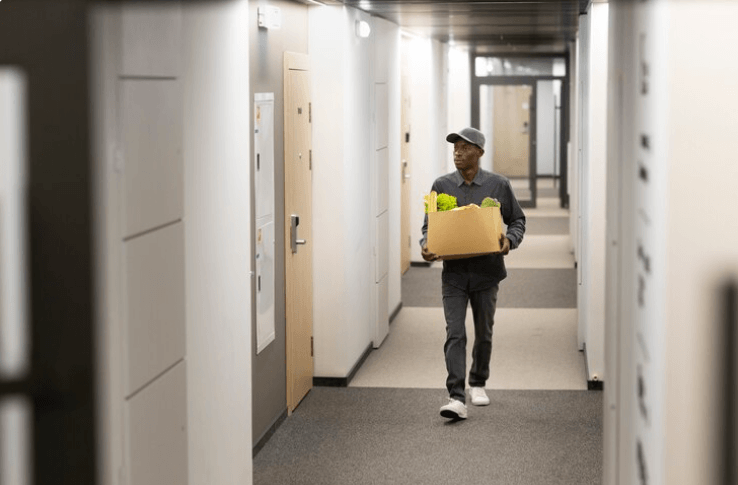
Smart Solutions to Improve Delivery Access Without Compromising Security
Modern buildings are increasingly turning to smart technologies to solve the challenge of delivery access without compromising security. These solutions are designed to integrate convenience and protection, creating a seamless experience for both residents and building managers.
Video intercom systems with mobile access
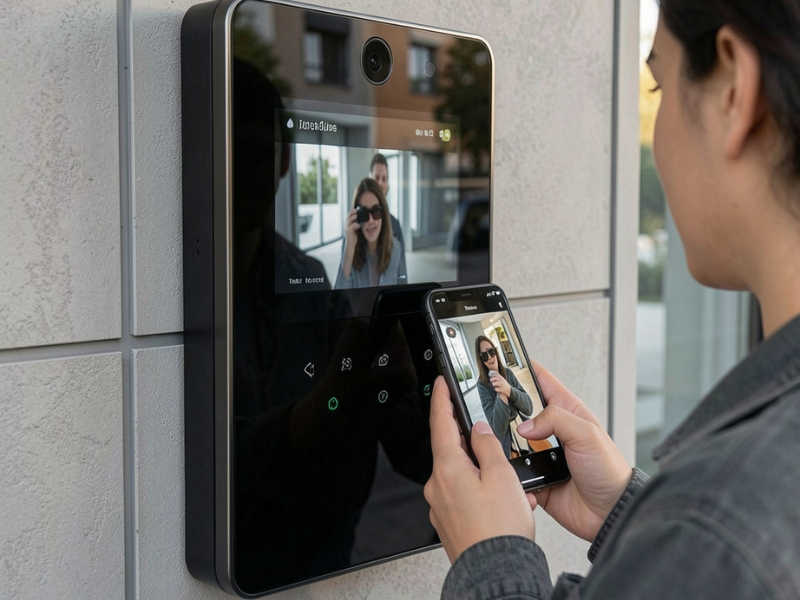
Video intercom systems are one of the most impactful upgrades a building can make. Unlike traditional audio-only systems, video intercoms allow residents to visually verify who is requesting access. This simple step dramatically reduces the risk of unauthorised entry, as residents are no longer relying on trust alone.
When paired with mobile access, the benefits increase even further. Residents can receive calls directly to their smartphones, speak with couriers in real time, and unlock doors or gates remotely. This is particularly valuable for apartment intercom deliveries, where residents are often away from home during the day. Instead of missing deliveries or granting blind access, they can make informed decisions instantly, no matter where they are.
Temporary or one-time access credentials
Another highly effective strategy is the use of temporary or single-use access credentials. These can include PIN codes, QR codes, or digital keys generated for a specific delivery that expire after a short period.
This approach ensures that couriers only have access when they need it – and only to the areas required. For example, a delivery driver might receive a code that allows entry to the lobby or parcel room for a limited time window. Once used or expired, the credential becomes invalid, eliminating the risk of reuse or sharing.
Smart parcel lockers and delivery zones
Smart parcel lockers are becoming increasingly popular in apartment buildings, and for good reason. They provide a secure, self-service solution that removes the need for couriers to access residential areas altogether.
With this system, delivery personnel simply deposit parcels into a secure locker, and the resident receives a notification with a unique code to retrieve their package. This not only improves efficiency but also minimises security risks by limiting movement within the building.
In larger developments, dedicated delivery zones or mailrooms can serve a similar purpose. These controlled spaces act as a buffer between external couriers and private residential areas, ensuring monitored delivery access without compromising security.
Integrated access control systems
One of the most powerful ways to enhance delivery access without compromising security is through integration. Rather than treating intercoms, gates, doors, and lifts as separate systems, modern buildings are connecting them into a unified access control platform.
This enables more intelligent, controlled delivery journeys. For instance, when a courier is granted access at the main entrance, the system can automatically restrict them to specific zones – such as the lobby or parcel room – while preventing access to residential floors.
Event logging and notifications
Visibility is a critical component of any secure system. Smart access solutions provide detailed event logs that record every interaction – who accessed the building, when, and through which entry point.
For building managers, this creates a reliable audit trail for security reviews, incident investigations, and compliance. For residents, real-time notifications provide peace of mind. They can see when a delivery arrives, when access is granted, and when the parcel is securely stored.
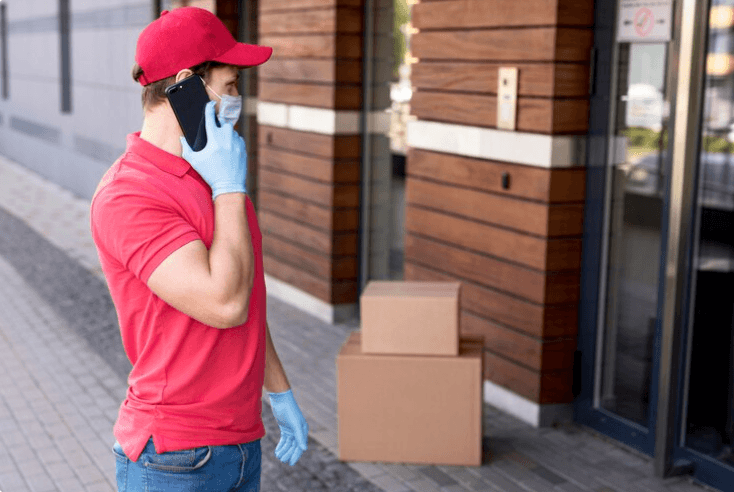
Retrofit vs Rewire: Solving Delivery Access in Existing Buildings
One of the biggest challenges for many buildings is upgrading their systems without major disruption. Older properties, in particular, often lack the infrastructure needed to support modern access control solutions.
Full rewiring is one option, but it is typically costly, time-consuming, and highly disruptive. It may involve opening walls, replacing cabling, and coordinating extensive construction work – an approach that is often impractical for occupied buildings.
Retrofit solutions offer a far more appealing alternative. By leveraging existing wiring and infrastructure, retrofit systems can deliver modern functionality without major construction. This makes them faster to deploy, more cost-effective, and less disruptive to residents.
For strata buildings and apartment complexes, retrofit solutions are often the preferred strategy. They allow property managers to upgrade security and improve delivery access without compromising security or causing unnecessary inconvenience.
Read more: Retrofit Apartment Intercom & Entry Communication Systems for Existing Buildings
Case Study Example: Secure Delivery Access Upgrade in a Strata Building
A mid-sized apartment complex in Sydney was experiencing growing security concerns linked to parcel deliveries and visitor access. Residents frequently reported unattended deliveries left in common areas, while building management struggled with complaints about couriers being granted uncontrolled access into the building. In several cases, delivery drivers relied on residents to share PIN codes or leave entry doors temporarily unlocked, creating clear security vulnerabilities.
The building’s original intercom infrastructure was more than a decade old and lacked mobile access functionality, audit logging, and remote management capabilities. Full rewiring was initially considered, but the strata committee rejected the proposal due to high costs, disruption to residents, and lengthy installation timelines.
Instead, the building underwent a retrofit upgrade using a 2-wire IP intercom system integrated with modern access control features. Residents could now verify visitors and deliveries remotely through a mobile app, allowing them to grant access only when required. Temporary delivery credentials were introduced for approved service providers, with automatic expiry after scheduled delivery windows.
The upgraded system also added event logging and door activity monitoring, giving building management better visibility into access events and improving incident investigation capabilities. CCTV integration further strengthened overall security by linking delivery access activity with video verification.
Within months of deployment, the building reported fewer unauthorised access incidents, improved parcel handling efficiency, and significantly higher resident satisfaction. The retrofit approach allowed the strata complex to modernise building security without the cost and disruption of a full infrastructure replacement.
Solution Spotlight: Akuvox 2-Wire IP Intercom Kit for Secure Delivery Access
For buildings looking to modernise their delivery systems, the Akuvox 2-Wire IP Intercom Kit offers a practical, scalable solution.
This system is specifically designed for retrofit projects, enabling older buildings to upgrade their intercom and access control capabilities without extensive rewiring.
Key Benefits:
- Uses existing 2-wire cabling. The system works with existing infrastructure, eliminating the need for costly and disruptive rewiring projects.
- Enables full IP video intercom functionality. Residents can visually verify visitors and couriers, improving the security of visitor access and reducing the risk of unauthorised entry.
- Mobile-based access control. With smartphone integration, residents can manage deliveries remotely, granting or denying access from anywhere.
- Faster deployment for strata upgrades. The retrofit-friendly design allows for quick installation, making it ideal for apartment buildings and older properties.
- Future-proof integration. The system can integrate with broader smart building technologies, ensuring long-term scalability and adaptability.
By combining these features, the Akuvox 2-Wire IP Intercom Kit directly supports parcel delivery access control, enhances apartment intercom deliveries, and ensures delivery access without compromising security.
Best Practices for Secure Delivery Access in Multi-Tenant Buildings
As delivery volumes continue to increase across apartment complexes and mixed-use developments, building owners and strata managers must treat delivery access as part of their broader security strategy rather than a standalone convenience feature. Poorly managed delivery workflows can quickly create vulnerabilities that compromise resident safety and building access control.
One of the most effective practices to manage delivery access without compromising security is implementing layered verification processes for visitors and couriers. Video intercom systems with mobile access allow residents or reception staff to visually confirm delivery personnel before granting entry, reducing the risk of unauthorised access through shared PINs or tailgating.
Temporary or time-limited credentials should also be used wherever possible. One-time access codes, scheduled delivery permissions, or QR-based entry systems provide controlled access while automatically expiring after use. This significantly reduces the risk of long-term credential misuse.
Secure parcel delivery zones or smart lockers can further improve building security by minimising unnecessary movement throughout common areas. Instead of allowing couriers unrestricted access to buildings, deliveries can be directed to designated, monitored locations protected by access control and CCTV systems.
Regular auditing of access logs is another important best practice. Modern access control systems can track entry events, monitor suspicious activity, and provide detailed records for incident investigations or compliance reporting. Integrating these systems with alarms, surveillance, and building automation platforms creates a more comprehensive security ecosystem.
Finally, resident education plays an important role in maintaining building security. Clear delivery procedures, visitor policies, and access guidelines help prevent unsafe practices such as sharing entry credentials or leaving doors unsecured. When supported by integrated security technologies, these operational measures help multi-tenant buildings balance convenience with long-term security and reliable access control.
Read more: Access Control Integration Systems: Complete Guide for Smart Security & Alarm Automation (2026)
Secure Your Building’s Delivery Access Without Compromising Safety
Managing deliveries in apartments, strata buildings, and multi-tenant properties has become increasingly complex as courier traffic continues to grow. Without the right access control and intercom systems in place, delivery convenience can quickly create security vulnerabilities for residents and building operators.
Digital Home Systems helps installers, strata managers, developers, and commercial property owners deploy secure delivery access solutions that balance convenience with modern building security requirements. From retrofit-friendly 2-wire intercom systems to integrated access control and mobile entry management, our solutions are designed to improve visitor verification, reduce the risk of unauthorised access, and modernise building entry workflows.
Whether you are upgrading an ageing apartment intercom system or planning a new multi-residential development, our team can help you design a scalable and secure delivery access without compromising security, tailored to your project requirements.
Explore our:
- Access Control Solutions
- Smart Intercom Systems
- Apartment Security Technologies
- Retrofit-Friendly Building Automation Solutions
Contact Digital Home Systems to discuss secure delivery access solutions for your next project.
In Summary,
As delivery volumes continue to grow, buildings must adapt to meet new expectations without sacrificing safety. Despite the challenge of achieving delivery access without compromising security, it is also solvable with the right approach.
Poorly managed delivery systems introduce long-term security risks that can impact residents, property managers, and the building’s reputation. By adopting smart access-control strategies, buildings can transform delivery workflows from a weakness into a strength.
Solutions like the Akuvox 2-Wire IP Intercom Kit demonstrate that it’s possible to upgrade existing infrastructure efficiently while enhancing both convenience and protection.
Looking ahead, buildings that invest in smarter delivery systems today will be better positioned to become safer, more resident-friendly environments. If you’re ready to improve delivery access without compromising security, now is the time to explore the right technology and take the next step.
Frequently Asked Questions
How can apartment buildings manage deliveries securely?
Apartment buildings can improve delivery access without compromising security by implementing video intercom systems, integrating access controls, issuing temporary delivery credentials, and establishing secure parcel delivery zones. These technologies help verify visitors before entry and reduce the risk of unauthorised access.
What is the best delivery access system for strata buildings?
The best delivery access system depends on the building’s infrastructure, resident requirements, and security goals. Many strata buildings now use integrated intercom and access control systems that support mobile access, remote visitor verification, audit logging, and temporary courier credentials.
Can delivery access systems be retrofitted into older buildings?
Yes. Modern 2-wire IP intercom systems allow many apartment and strata buildings to upgrade delivery access security without requiring full rewiring. Retrofit solutions can significantly reduce installation costs and disruption for occupied buildings.
How do smart intercom systems improve delivery security?
Smart intercom systems allow residents or building staff to remotely verify couriers and visitors via mobile devices or indoor monitors. Many systems also include access logs, video records, and integration with access control and alarm systems.
What are temporary delivery access credentials?
Temporary delivery credentials are time-limited access permissions designed for couriers, contractors, or service providers. These may include one-time PIN codes, QR codes, or scheduled mobile credentials that automatically expire after use.
Why is access control important for delivery management?
Access control systems help restrict and monitor who enters a building during deliveries. Integrated systems can track entry events, trigger notifications, and improve overall building security while maintaining convenient access for authorised visitors.

1 Comment
[…] Read more: How to Improve Delivery Access Without Compromising Building Security […]