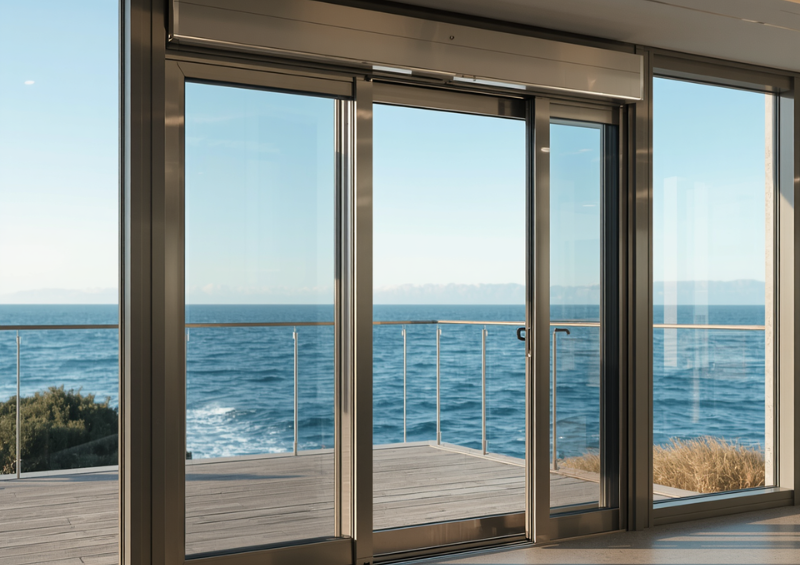
An automatic sliding door is a cornerstone of modern architecture, offering seamless access, improved accessibility, and enhanced user experience across residential, commercial, and industrial spaces. From shopping centres and hospitals to luxury homes and resorts, these systems provide both functionality and aesthetic appeal.
However, when installed in high-humidity environments, automatic sliding doors face a unique set of challenges that go far beyond standard operation. Moisture in the air can gradually affect mechanical components, electrical systems, and overall performance. Over time, even small amounts of humidity exposure can accumulate, leading to reduced efficiency, increased maintenance, and potential system failure.
Understanding how to design, install, and maintain an automatic sliding door in humid conditions is essential for ensuring long-term reliability and performance. This guide explores the deeper technical and practical considerations needed to optimize these systems in moisture-rich environments.
Understanding High-Humidity Environments
High-humidity environments are defined by elevated levels of moisture in the air, typically above 70% relative humidity. These conditions are common in various settings, including:
- Coastal areas where salt and moisture are constantly present
- Tropical and subtropical climates with frequent rainfall
- Indoor facilities such as swimming pools, spas, and wellness centres
- Industrial environments involving steam, water processing, or temperature fluctuations
Humidity is not always visible, but its effects are cumulative. Over time, moisture can penetrate surfaces, settle on components, and create conditions that accelerate wear and degradation.
In coastal regions, the presence of salt in the air further intensifies corrosion, making it even more critical to use appropriate materials and protective measures.

Impact of Humidity on Automatic Sliding Door Components
Humidity affects every part of an automatic sliding door system, often in subtle but significant ways.
Mechanical Components
Tracks, rollers, and moving parts are directly exposed to environmental conditions. Moisture can increase friction, degrade lubrication, and cause metal surfaces to corrode. As a result, doors may begin to operate less smoothly, producing noise or requiring more force to move.
Electrical Systems
Control boards, sensors, and wiring are particularly sensitive to moisture. Even small amounts of condensation can interfere with electrical signals, leading to inconsistent performance or system errors.
Structural Integrity
Over time, repeated exposure to humidity can weaken structural components, especially if materials are not designed for such conditions. This can affect alignment and overall stability.
Aesthetic Degradation
Humidity can also impact the visual appearance of the door, causing discoloration, staining, or surface damage. For high-end properties, this can detract from the overall design.
Advanced Material Selection for Humid Environments
Material choice plays a critical role in ensuring durability and performance.
Stainless Steel and Aluminum
These materials are widely used due to their resistance to corrosion. Stainless steel, in particular, offers excellent durability in both humid and coastal environments.
Anodized and Powder-Coated Surfaces
Protective coatings add an extra layer of defense against moisture. These treatments help prevent oxidation and maintain the appearance of the system.
Composite and Polymer Components
Non-metallic materials are increasingly used for certain parts, as they are immune to rust and can perform well in high-humidity conditions.
Fasteners and Small Components
Even small elements such as screws and brackets must be corrosion-resistant. Using high-quality fasteners prevents weak points in the system.
Choosing the right combination of materials ensures that the entire system can withstand prolonged exposure to moisture.
Sealing Strategies and Moisture Protection
Effective sealing is essential to protect sensitive components.
High IP-Rated Enclosures
Motor units and control systems should be housed in enclosures designed to prevent water ingress. High IP ratings indicate strong protection against moisture and dust.
Gaskets and Barrier Systems
Rubber gaskets and sealing strips create barriers that block moisture from entering critical areas.
Cable Protection
Wiring must be insulated and protected to prevent exposure to humidity, which can lead to electrical faults.
Drainage Integration
Proper drainage design ensures that water does not accumulate within the system, reducing the risk of internal damage.
A well-sealed system acts as the first line of defense against humidity-related issues.
Managing Condensation and Temperature Variations
Condensation is one of the most challenging aspects of high-humidity environments.
When warm, moist air comes into contact with cooler surfaces, water droplets can form. This is particularly common in air-conditioned indoor spaces.
Anti-Condensation Design
Design strategies include using materials that resist temperature fluctuations and incorporating ventilation to reduce moisture buildup.
Thermal Insulation
Insulating key components helps minimize temperature differences that lead to condensation.
Controlled Airflow
Allowing air to circulate within certain parts of the system helps prevent moisture from settling.
Managing condensation is essential for maintaining both performance and longevity.
Motor Reliability in Humid Conditions
The motor is the driving force behind an automatic sliding door, and its reliability is crucial.
Sealed Motor Housing
Motors designed for humid environments often feature sealed casings that protect internal components from moisture.
Corrosion-Resistant Internal Parts
Using treated or non-corrosive materials inside the motor ensures consistent performance over time.
Stable Performance Under Load
Humidity can increase resistance, requiring the motor to work harder. A well-designed motor maintains consistent output without overheating.
Long-Term Durability
High-quality motors are built to withstand environmental stress, reducing the need for frequent replacements.
Selecting the right motor is key to ensuring uninterrupted operation.
Sensor Technology and Environmental Adaptation
Sensors are responsible for detecting movement and ensuring safe operation.
Moisture-Resistant Sensors
Sensors designed for humid environments are sealed to prevent condensation from affecting performance.
Optical Clarity
Lens coatings help maintain visibility even when exposed to moisture.
Intelligent Calibration
Advanced systems can adjust sensitivity based on environmental conditions, ensuring accurate detection.
Reliable sensor performance is essential for both safety and user convenience.
Lubrication Solutions for High-Humidity Use
Lubrication plays a vital role in maintaining smooth operation.
Specialized Lubricants
Standard lubricants may break down in humid conditions. Moisture-resistant lubricants are designed to maintain effectiveness over time.
Reduced Friction
Proper lubrication minimizes resistance, allowing the door to operate smoothly and quietly.
Protection Against Corrosion
Some lubricants also provide a protective layer that helps prevent rust.
Regular lubrication is a simple yet powerful way to enhance performance.
Maintenance Strategies for Longevity
Maintenance becomes even more important in high-humidity environments.
Routine Inspections
Regular checks help identify early signs of corrosion or wear.
Cleaning and Drying
Keeping components clean and dry reduces the risk of long-term damage.
Component Replacement
Replacing worn parts before they fail ensures consistent performance.
Scheduled Servicing
Professional servicing at regular intervals helps maintain system reliability.
A proactive maintenance approach significantly extends the lifespan of the system.
Energy Efficiency in Humid Environments
Humidity can influence energy consumption in several ways.
Increased Resistance
Higher friction levels require more energy to operate the door.
Climate Control Benefits
Automatic sliding doors help maintain indoor temperature by reducing air exchange, improving HVAC efficiency.
Smart Control Systems
Modern systems optimize performance to minimize energy usage while maintaining functionality.
Energy-efficient systems are both cost-effective and environmentally friendly.
Safety Considerations in Moist Conditions
Safety remains a top priority in any automated system.
Slip Prevention
Moisture near doorways can create slip hazards, requiring proper flooring and drainage solutions.
Reliable Detection Systems
Sensors must function accurately despite humidity to prevent accidents.
Emergency Operation
Systems should include backup features to ensure operation during unexpected conditions.
Ensuring safety in humid environments requires careful planning and design.
Applications in High-Humidity Environments
Automatic sliding doors are widely used in humid settings.
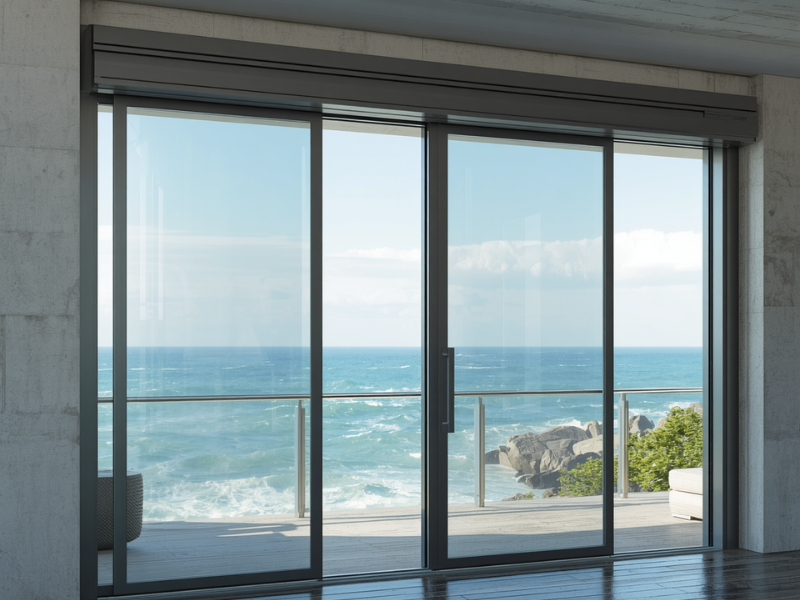
Coastal Properties
Durable systems are essential for homes and businesses exposed to salt air.
Healthcare Facilities
Hospitals require reliable doors in controlled environments with varying humidity levels.
Hospitality and Leisure
Hotels, spas, and resorts demand quiet, efficient systems that can handle moisture exposure.
Industrial Facilities
Factories with water or steam processes rely on robust automation solutions.
Each application requires tailored solutions to address specific challenges.
Future Innovations in Humidity-Resistant Door Systems
The future of automatic sliding door technology is focused on resilience and adaptability.
Smart Monitoring
IoT-enabled systems can track humidity levels and adjust operation accordingly.
Advanced Coatings
New protective coatings offer improved resistance to corrosion and wear.
Self-Maintaining Systems
Future designs may include automated maintenance features that reduce the need for manual intervention.
Sustainable Materials
Eco-friendly materials will enhance durability while reducing environmental impact.
These innovations will continue to improve system performance in challenging environments.
Conclusion
Operating an automatic sliding door in a high-humidity environment requires more than standard design considerations. From material selection and sealing to motor performance and maintenance, every aspect must be carefully optimized to withstand moisture-related challenges.
By implementing the right strategies and technologies, it is possible to achieve reliable, efficient, and long-lasting performance even in the most demanding conditions. As advancements continue, automatic sliding doors will become increasingly adaptable, making them an essential solution for modern infrastructure in humid environments.