Modern offices are becoming increasingly complex, with office managers often responsible for securing multiple entrances. Traditional access control systems can struggle to keep pace with these demands, especially when administration requires separate software platforms or manual updates. This is where cloud access control for office environments is transforming workplace operations.
By centralising access management through a single online dashboard, organisations can gain greater visibility and reduce administrative workloads. Cloud-based platforms allow authorised personnel to control access permissions and respond to security events from virtually anywhere. Let’s learn more!
Why Traditional Access Management Creates Operational Bottlenecks
Many office buildings still rely on legacy access control systems that were designed for single-site management. While these systems may provide basic security, they often create inefficiencies as businesses grow.
One of the most common challenges is managing multiple entrances separately. Different doors, floors, or buildings may require individual configuration, making it difficult to maintain consistency. This fragmented approach increases administration time and creates opportunities for errors.
Employee onboarding and offboarding can also become slow and cumbersome. When access permissions must be manually configured on-site, delays may occur before new staff receive access. These delays can impact productivity and create unnecessary security risks.
Lost keys and access cards present another ongoing challenge. Replacing physical credentials often involves additional costs, administrative effort, and potential vulnerabilities if lost credentials are not immediately deactivated.
Visibility is also limited in many traditional systems. Office managers may struggle to obtain real-time information about access activity across multiple locations, leaving gaps in oversight and reporting.
In many cases, organisations become heavily dependent on IT teams or external security contractors for routine changes. This dependence can increase costs, slow response times, and reduce operational flexibility.
What Is Cloud Access Control and How Does It Work?
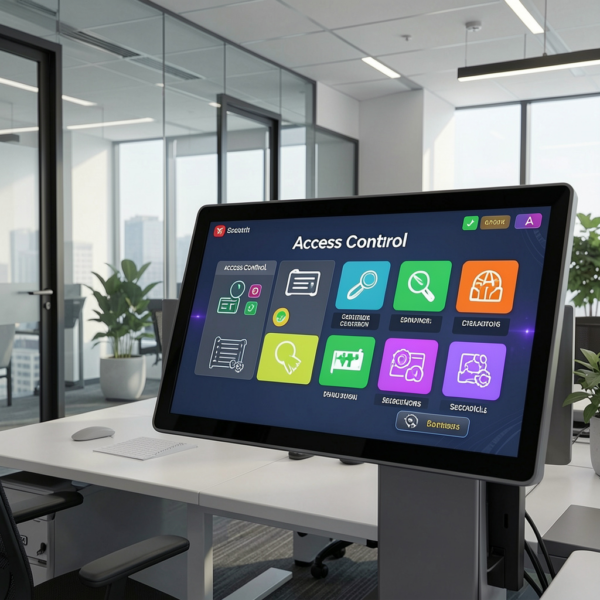
Cloud access control for office environments uses internet-connected access control hardware combined with a cloud-hosted management platform. Rather than storing all management functions on a local server, the system is administered through a secure online dashboard. This dashboard can be accessed from a web browser or mobile application.
At a practical level, authorised users log in to the cloud platform to manage employees, contractors, and visitors, and to set access permissions. Any changes made within the dashboard are synchronised with connected access controllers throughout the facility.
The process typically follows a simple workflow:
User Database → Cloud Dashboard → Access Controllers → Doors & Entrances
When a new employee joins the organisation, their credentials can be created in the cloud dashboard. The system then automatically distributes those permissions to the relevant access controllers. Similarly, when permissions are changed or revoked, updates are reflected across the entire network in real time.
Because management is handled in the cloud, office managers can monitor activity, review reports, and make access changes from any location. This flexibility is one of the primary reasons cloud access control for office deployments continues to gain popularity.
Read more: Cloud-Based Vs Local Access Control: Pros, Cons & Security Differences
Managing Multiple Office Entrances From One Dashboard
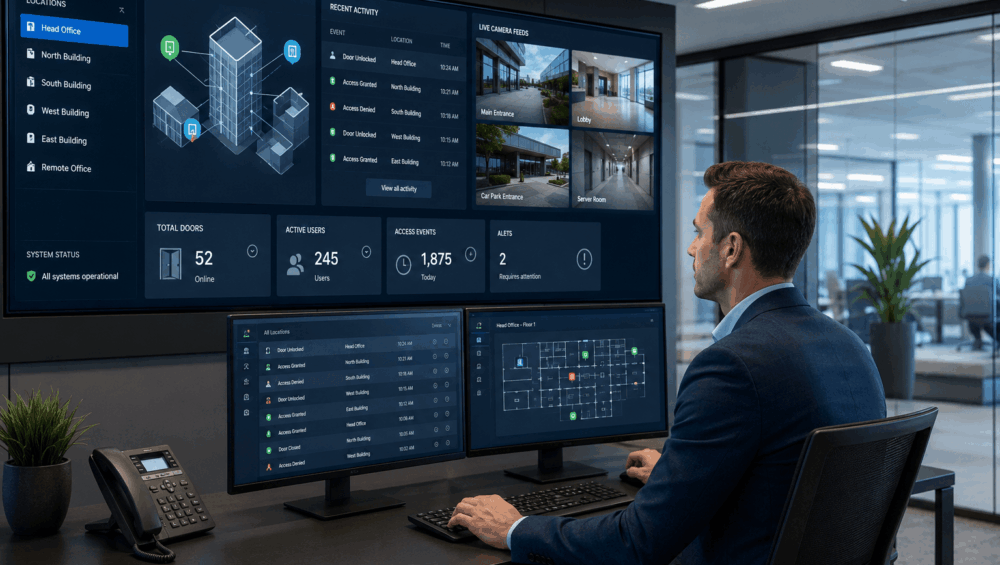
One of the greatest advantages of cloud access control for office environments is the ability to manage all entrances through a single interface.
Centralised Door Management
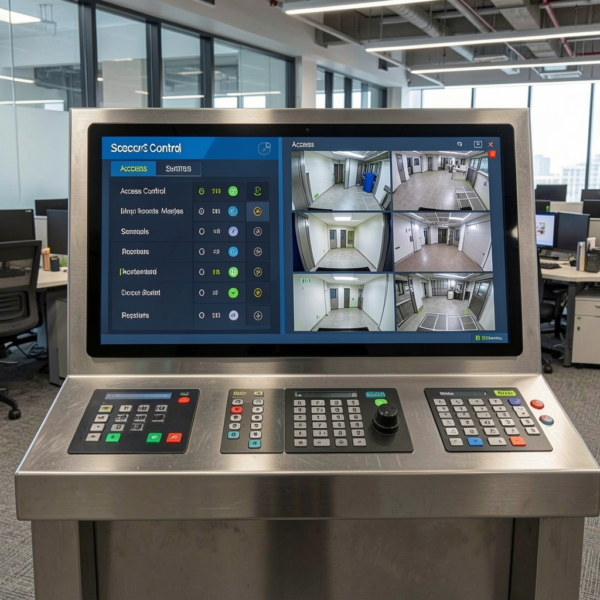
Instead of logging into separate systems for different buildings or entrances, office managers can view all connected doors from a single dashboard. This centralised approach simplifies administration and provides a clear overview of the organisation’s access infrastructure.
Managers can quickly review door status, update schedules, adjust permissions, and identify issues without moving between multiple software platforms. The result is greater consistency across all locations and a more efficient management process.
Real-Time Access Changes
Modern workplaces frequently experience personnel changes, contractor visits, and temporary access requirements. Cloud-based systems allow these adjustments to occur immediately.
When a new employee starts, access credentials can be issued instantly. If a staff member changes departments or relocates to another office, permissions can be modified in seconds. Likewise, if an employee leaves the organisation, access can be revoked across all locations immediately.
This real-time responsiveness helps improve both security and operational efficiency.
Remote Lock and Unlock Functions
Office managers are often required to facilitate access for visitors, contractors, and delivery drivers. Traditionally, this may require physical attendance on-site or coordination with security staff.
With cloud access control for office platforms, authorised administrators can remotely lock or unlock designated doors directly from the dashboard. This capability can streamline visitor management while reducing disruptions to daily operations.
For example, a contractor arriving after hours may be granted temporary access without requiring an office manager to travel to the site. Deliveries can also be accommodated more efficiently while maintaining security controls.
Unified Activity Monitoring
Access events generated across multiple entrances can be consolidated into a single activity feed. This provides office managers with greater visibility into who entered specific areas, when they accessed them, and whether any unusual activity requires investigation.
Rather than reviewing separate logs from different systems, administrators can access comprehensive reporting from one location. This improves incident response, simplifies investigations, and supports compliance requirements.
Multi-Site Administration
Many organisations operate branch offices, shared workspaces, or satellite locations. Managing each site independently can quickly become resource-intensive.
Cloud platforms simplify multi-site administration by providing centralised control over all connected facilities. Office managers can apply consistent security policies and oversee operations across the entire organisation from one dashboard.
As businesses expand, cloud access control for office systems can scale alongside operational requirements without significantly increasing administrative complexity.
Read more: How Access Control Systems Improve Workplace Security Management
Operational Benefits for Office Managers
The value of cloud access control for office deployments extends beyond security. These systems deliver measurable operational improvements that can reduce workload and improve efficiency.
- Employee onboarding delays can be eliminated through instant credential provisioning, allowing new staff to gain access on their first day.
- Staff turnover management becomes more secure through the immediate removal of access across all locations.
- Contractor management is simplified through temporary digital credentials that automatically expire after authorised periods.
- Lost cards or keys can be remotely deactivated, reducing replacement costs and minimising security risks.
- Multiple locations can be managed through a single platform, reducing administrative duplication and improving oversight.
- Security audits become easier through centralised reporting and consolidated event logs.
- Reduced dependence on external contractors allows internal teams to make routine changes quickly and independently.
- Faster response times help office managers address operational issues without waiting for on-site support.
- Improved visibility enables better decision-making through real-time access to data and reporting tools.
- Scalable administration supports organisational growth without requiring major changes to management processes.
These efficiency gains can significantly reduce the time spent on access administration while strengthening workplace security.
Integrating Access Control With Daily Workplace Operations
Modern access control systems are becoming operational tools rather than standalone security systems. For example, HR teams can integrate access provisioning into employee onboarding workflows. As soon as a new employee is added to the company’s systems, access permissions can be automatically assigned based on their role and department.
Visitor management processes can also be streamlined. Guests may receive temporary credentials or digital passes before arriving on-site. This improves the visitor experience while maintaining security standards.
Contractor scheduling can be managed more effectively through predefined access windows that automatically activate and expire. This reduces manual intervention while ensuring that contractors access only authorised areas during approved times.
Cleaning and maintenance teams can receive scheduled permissions that align with service hours, reducing unnecessary security exposure.
In shared office environments, cloud access control for office platforms can support flexible work arrangements by dynamically adjusting access rights as workplace needs change.
Read more: Managing User Permissions In Large Access Control Deployments
Security, Compliance and Business Continuity Considerations
While convenience is a major advantage, security remains a critical factor when evaluating cloud access control for office solutions.
Modern platforms incorporate multiple layers of protection to help organisations maintain control over access permissions and sensitive information. They also provide important business continuity features that support ongoing operations.
Key considerations include:
- Comprehensive audit trails and event logging for accountability and investigations.
- User permission hierarchies that limit administrative privileges to authorised personnel.
- Secure credential management practices that protect employee access information.
- Data protection measures designed to safeguard access records and personal information.
- Encryption of communications between cloud platforms and access control hardware.
- System redundancy to minimise downtime and maintain service availability.
- Backup and recovery capabilities that support business continuity planning.
- Offline operating modes that allow doors to continue functioning during temporary internet outages.
- Automatic synchronisation once connectivity is restored.
Most modern systems are designed to continue operating locally even if internet connectivity is temporarily unavailable. While some cloud management functions may be unavailable during an outage, authorised users can continue to access the building using previously issued credentials.
Read more: Offline Access Control: How Systems Work During Network Outages
How to Evaluate a Cloud Access Control Platform for Your Office
Choosing the right cloud access control for office solution requires careful evaluation of both current requirements and future growth plans.
Multi-site support should be a priority for organisations managing multiple locations. The platform should provide consistent administration across all facilities without introducing unnecessary complexity.
Mobile app management is increasingly important for office managers who require flexibility and remote administration capabilities. The ability to make changes from a smartphone or tablet can significantly improve responsiveness.
Reporting functionality should also be assessed carefully. Comprehensive audit trails, activity logs, and compliance reporting can provide valuable operational insights while supporting governance requirements.
Integration capabilities are another key consideration. Platforms that integrate with HR systems, visitor management software, and workplace technologies can deliver greater operational efficiency.
Additionally, as organisations grow, access control requirements often expand. Choosing a platform that can accommodate additional users, locations, and doors will help avoid costly system replacements later.
Visitor management support, vendor responsiveness, software updates, and long-term product development roadmaps should also form part of the evaluation process.
By focusing on these criteria, office managers can select a solution that delivers both immediate benefits and long-term value.
In Conclusion
As workplaces become more distributed and operational demands continue to increase, cloud access control for office environments helps manage security and access administration more effectively. By centralising control through a single dashboard, organisations can simplify user management, strengthen security, and reduce administrative burdens across multiple entrances and locations.
For office managers seeking greater efficiency and flexibility, cloud-based access control is a powerful operational tool that supports modern workplace management.
Looking to modernise your workplace security? DHS provides advanced cloud-based access control solutions designed for multi-site offices and commercial facilities. Contact us today to explore scalable access control systems that simplify management, improve security, and support your future workplace needs.
Frequently Asked Questions
What is cloud access control for office buildings?
Cloud access control for office buildings is a system that allows administrators to manage doors, users, and access permissions through a secure online platform rather than relying on local servers or on-site software.
Can I manage multiple office locations from one dashboard?
Yes. Most cloud-based platforms are designed to support multiple buildings, floors, and sites through a single management dashboard, providing centralised control and reporting.
Does cloud access control work if the internet goes down?
In most cases, yes. Access controllers typically continue operating locally using stored credentials. Once internet connectivity is restored, data synchronisation resumes automatically.
Is cloud access control secure?
Modern cloud access control platforms use encryption, secure authentication, audit logging, user permission controls, and redundancy measures to help protect access data and maintain system security.
Can employees use smartphones instead of access cards?
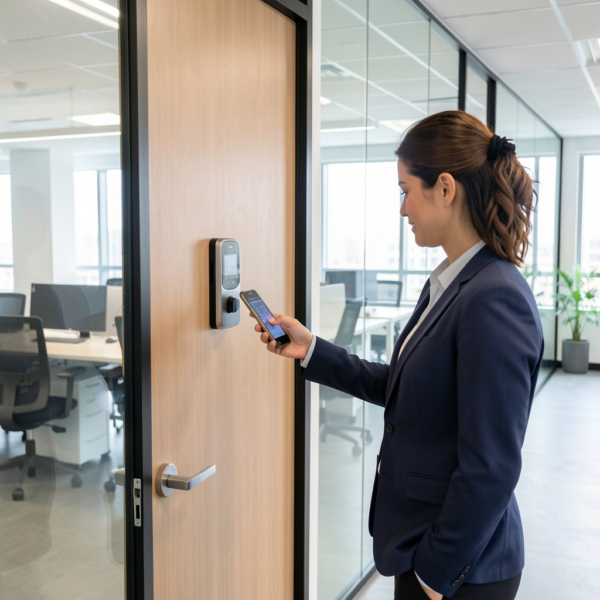
Yes. Many cloud access control solutions support mobile credentials, allowing employees to use smartphones as digital access keys instead of traditional cards or fobs.