
Commercial gates are expected to open and close hundreds of times per week. Unfortunately, gate hinges are often overlooked. Many facility managers only become aware of hinge problems after a gate starts dragging and becomes difficult to operate. In severe cases, a gate may become unstable or even collapse, creating risks for vehicles, staff, and visitors.
Understanding the early warning signs of hinge deterioration allows property managers to address issues before they become expensive emergencies. This guide explains the most common indicators that heavy duty gate hinge repair may be required, explores the causes of hinge failure, and outlines preventative maintenance strategies that can extend the life of commercial gate systems.
Why Commercial Gate Hinges Matter More Than Most Facility Managers Realise
Gate hinges perform a critical structural function that extends beyond simply allowing a gate to swing open and closed. They actually support the full weight of the gate and maintain its alignment, stability, and smooth movement throughout daily operation.
In commercial environments, heavy gate hinges often carry greater loads than those found in residential applications. Larger gate frames, heavier materials, wider openings, and higher traffic volumes place constant stress on hinge assemblies. When automation is added, the forces increase further. Then, every opening and closing cycle transfers load through the hinge system.
The relationship between hinges, gate motors, safety devices, and gate alignment is particularly important. A hinge that begins to wear can cause the gate to sag or shift. This misalignment often places additional strain on motors and interferes with safety sensors. What appears to be an automation fault may actually originate from hinge deterioration.
Additionally, residential gates generally experience lower daily cycle counts and less frequent servicing requirements. Commercial gates, on the other hand, operate more frequently, support heavier structures and require ongoing maintenance to maintain reliability and safety. For high-traffic facilities, heavy duty gate hinge repair should be considered a critical part of overall gate maintenance.
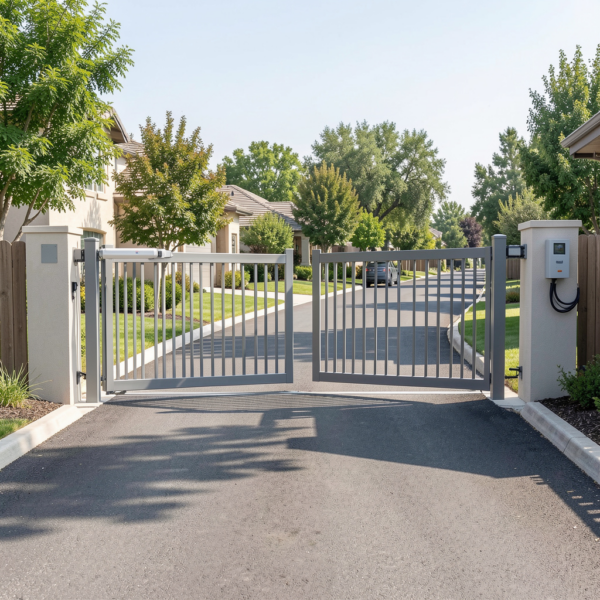
7 Warning Signs You Need Heavy Duty Gate Hinge Repair
Recognising the early signs of hinge wear can prevent expensive breakdowns and minimise operational disruptions. The following indicators often appear well before complete hinge failure occurs.
The Gate Begins to Sag or Lean
One of the most obvious indicators of hinge deterioration is gate sagging. As hinge components wear, the gate may gradually become misaligned, creating uneven gaps around the frame.
A sagging gate often becomes noticeable when it starts scraping the ground, dragging against posts, or sitting unevenly when closed. Even minor changes in alignment can significantly affect performance.
Beyond cosmetic concerns, sagging places additional strain on gate operators. Motors must work harder to overcome resistance, which accelerates wear throughout the automation system. Early heavy duty gate hinge repair can restore alignment before more expensive components become affected.
Read more: How To Balance A Swing Gate To Reduce Motor Strain
Grinding, Squeaking or Metal-on-Metal Noise
Unusual noises are among the first signs that hinge components require attention. Grinding sounds, persistent squeaking, or metallic scraping often indicate excessive friction within the hinge assembly.
Many facility managers assume lubrication will immediately solve the problem. While lubrication is important, noise often signals deeper issues such as worn hinge pins, damaged bearings, corrosion, or misalignment.
If unusual sounds persist after lubrication, further investigation is necessary. Continuing operation without addressing the root cause may accelerate wear and increase heavy duty gate hinge repair costs.
Gate Movement Becomes Slower or Jerky
Commercial gates should move smoothly and consistently throughout their operating cycle. If movement becomes slower than normal, jerky, or inconsistent, hinge deterioration may be contributing to increased resistance.
Wear at pivot points can create friction that interferes with gate movement. Automated systems may compensate temporarily by increasing motor effort, but the additional workload can eventually lead to motor faults or premature component failure.
Sluggish movement should never be dismissed as a minor inconvenience. It often indicates that heavy duty gate hinge repair may be required before further mechanical damage occurs.
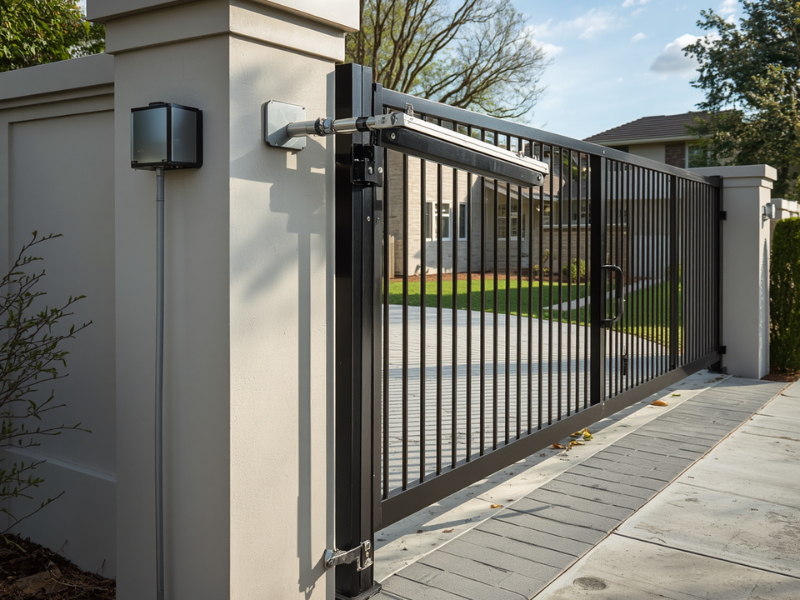
Visible Rust, Corrosion or Pitting
Corrosion is one of the leading causes of commercial hinge failure, particularly in coastal, industrial, and high-humidity environments.
Surface rust may initially appear harmless, but corrosion can gradually penetrate deeper into hinge components. Over time, metal thickness decreases, moving parts seize, and structural strength declines.
Pitting corrosion is concerning because it weakens critical load-bearing areas. Even if a hinge continues functioning, its ability to safely support the gate may be compromised.
Regular inspections should focus on identifying rust formation early so remediation measures can be implemented before replacement becomes necessary.
Cracks Around Hinge Mounting Points
Cracks near welds, mounting brackets, or hinge attachment points should always be treated as serious warning signs. These cracks often develop as a result of metal fatigue caused by repeated loading cycles. As commercial gates open and close thousands of times each year, stress accumulates within structural components.
Small cracks may initially appear insignificant but can rapidly expand under continued loading. Once structural fatigue progresses, catastrophic failure becomes increasingly likely.
If cracking is detected, professional assessment should be arranged immediately. Delaying repairs can expose businesses to significant safety and liability risks.
Excessive Gate Wobble During Operation
A properly functioning gate should move with minimal side-to-side movement. Excessive wobble or instability during operation often indicates hinge wear.
Worn hinge pins are a common cause. As clearances increase within the hinge assembly, the gate gains additional movement that was not present when the system was installed. Loose mounting hardware can produce similar symptoms. Bolts may gradually loosen due to vibration, environmental conditions, or repeated operating cycles.
Excessive movement not only affects gate performance but can also accelerate wear throughout the entire system. Prompt heavy duty gate hinge repair helps restore stability and prevent secondary damage.
Frequent Safety Sensor or Motor Faults
Many gate automation problems are incorrectly blamed on motors, controllers, or safety smart sensors when hinge issues are actually the root cause. As hinges deteriorate, gate alignment changes. These shifts can interfere with sensor operation, create unexpected resistance, and trigger fault conditions within the automation system.
Motor overload alarms, safety beam interruptions, and inconsistent operation may all stem from underlying hinge problems. When troubleshooting automation faults, hinge condition should always be included in the inspection process. Addressing the mechanical issue may resolve what initially appears to be an electrical problem.
Read more: Gate Safety Sensors: Standards, Placement & Risk Reduction
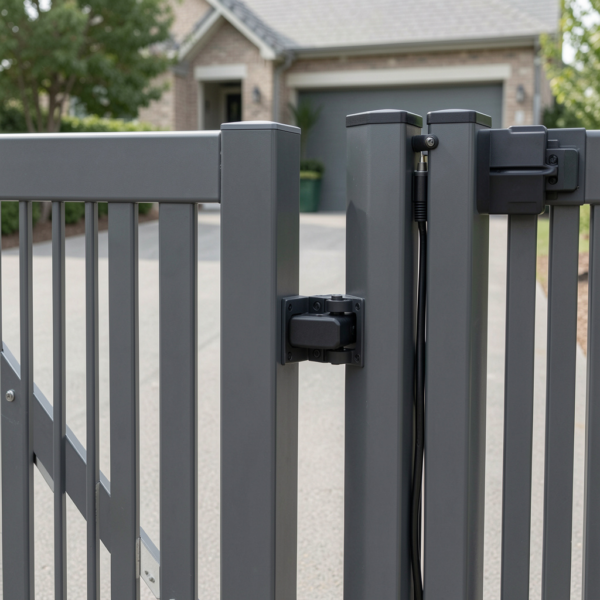
What Causes Commercial Gate Hinges to Fail?
Commercial gate hinge failures rarely result from a single event. More commonly, several contributing factors combine over time to accelerate deterioration.
Excessive gate weight is a major contributor. Boom gates that exceed design specifications place continuous stress on hinges. Poor installation practices can also shorten hinge life by creating alignment issues that increase loading during operation.
Lack of lubrication remains one of the most common maintenance-related causes of failure. Without adequate lubrication, friction increases, components wear faster, and corrosion becomes more likely.
Environmental exposure further accelerates deterioration. Coastal salt air, industrial pollutants, and moisture can all contribute to corrosion and material degradation.
Vehicle impacts may impose structural stresses that weaken hinge assemblies over time. Similarly, gate frames that become misaligned due to ground movement or structural settlement often transfer abnormal loads to hinges.
High operating cycles place additional demands on commercial gate systems. A gate operating dozens of times each day will naturally experience greater wear than one used only occasionally.
Read more: Installation Tips For Swing Gate Automation (Top & Bottom Hinges)
The Business Risks of Ignoring Hinge Problems
Ignoring hinge problems can expose businesses to far greater risks than the cost of repairs alone. A failing hinge can create unstable gate movement, increasing the risk of injury to staff, contractors, or visitors. In severe cases, structural failure may cause a gate to collapse entirely.
Misaligned gates may strike fences, walls, vehicles, or surrounding infrastructure during operation. These incidents can lead to costly repairs and insurance claims.
Commercial properties also face security risks when gates fail to close properly. A compromised gate can leave premises vulnerable to unauthorised access and theft.
Emergency access disruptions represent another operational concern. Warehouses, office complexes, and strata developments rely on functioning gate systems to maintain safe and efficient access. A hinge failure at the wrong time can create major logistical challenges.
Planned maintenance and timely heavy duty gate hinge repair are almost always less expensive than emergency call-outs, equipment replacement, and business disruption.
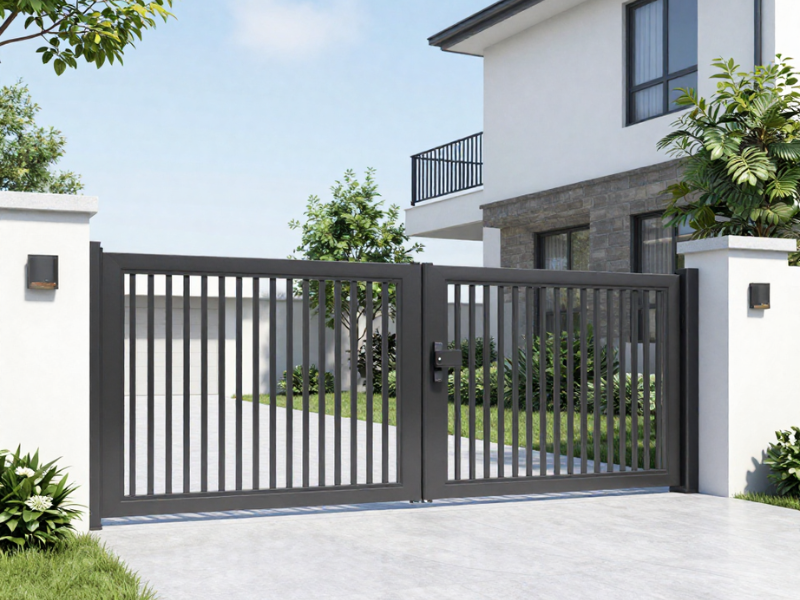
Preventative Maintenance Practices That Extend Hinge Life
A proactive maintenance program is the most effective way to maximise hinge lifespan and reduce unexpected failures.
- Conduct scheduled visual inspections for wear, damage, rust, and alignment issues.
- Follow manufacturer-recommended lubrication intervals.
- Implement corrosion management measures in harsh environments.
- Check fasteners and mounting hardware regularly.
- Verify gate balance and alignment during servicing.
- Monitor changes in automation performance.
- Maintain detailed maintenance records and service histories.
These practices work best when integrated into a structured maintenance schedule. Regular inspections allow minor issues to be identified before they become major heavy duty gate hinge repairs.
Lubrication should be viewed as preventative maintenance rather than a corrective measure. Consistent lubrication reduces friction, minimises wear, and helps protect against moisture intrusion.
When Should You Repair Hinges Instead of Replacing Them?
The decision between repair and replacement depends on the severity of the damage and the overall condition of the hinge assembly.
| Condition | Repair | Replacement |
| Minor lubrication issues | ✓ | |
| Loose mounting hardware | ✓ | |
| Slight alignment issues | ✓ | |
| Severe corrosion | ✓ | |
| Cracked welds | ✓ | |
| Bent hinge assemblies | ✓ | |
| Excessive hinge pin wear | Depends | Depends |
Minor issues such as lubrication deficiencies, loose hardware, and small alignment corrections can often be resolved through targeted repairs.
Replacement becomes more appropriate when structural integrity has been compromised. Severe corrosion, cracked welds, and bent components typically indicate that the hinge can no longer safely perform its load-bearing function.
Cases involving hinge pin wear require professional assessment. Depending on component design and availability, a heavy duty gate hinge repair may be feasible, but replacement is sometimes the safer long-term option.
Building a Commercial Gate Maintenance Program That Prevents Major Failures
An effective maintenance program treats gate systems as critical infrastructure rather than reactive repair items.
Monthly inspections provide opportunities to identify developing issues before they affect operations. These checks should include the hinge’s condition, alignment, lubrication status, and overall structural integrity.
Quarterly servicing allows technicians to perform more detailed assessments, adjust components, verify automation performance, and address emerging wear.
Annual structural assessments provide a broader evaluation of gate condition, supporting long-term asset management and budgeting decisions.
Most importantly, maintenance should be viewed as an operational risk management strategy. Investing in regular servicing and heavy duty gate hinge repair reduces downtime, improves safety, and extends asset life.
In Conclusion
Commercial gate hinges play a critical role in maintaining safe and efficient gate operation. Warning signs such as sagging gates, unusual noises, jerky movement, corrosion, structural cracking, excessive wobble, and recurring automation faults should never be ignored. These indicators often signal the need for heavy duty gate hinge repair before more serious failures occur.
By implementing a proactive maintenance program and scheduling regular inspections, facility managers can significantly extend the lifespan of gates while reducing operational risks.
Keep Your Commercial Gates Operating Safely with DHS
Whether you’re managing an office complex, warehouse, industrial facility, or strata development, DHS provides professional gate automation solutions, technical expertise, and premium access control products designed for demanding commercial environments. Contact DHS today to explore reliable gate automation systems and expert advice to help prevent costly failures and keep your facility operating smoothly.
FAQs
How long do commercial gate hinges typically last?
The lifespan varies depending on gate weight, operating frequency, environmental conditions, and maintenance quality. Well-maintained commercial hinges can often last many years, while neglected hinges may fail significantly sooner.
Can a sagging gate damage the gate motor?
Yes. A sagging gate creates additional resistance, forcing the motor to work harder. Over time, this increased load can accelerate wear on motors, gearboxes, and control systems.
Is hinge lubrication enough to fix noisy gates?
Not always. While lubrication can reduce friction, persistent noise may indicate worn pins, bearing damage, corrosion, or alignment problems that require professional heavy duty gate hinge repair.
How often should commercial gate hinges be inspected?
Most commercial sites benefit from monthly visual inspections and professional servicing at least quarterly. High-cycle facilities may require more frequent assessments.
Can rusted hinges be repaired?
Minor surface corrosion can often be treated and protected. However, severe rust that affects structural strength generally requires hinge replacement to maintain safety and reliability.