
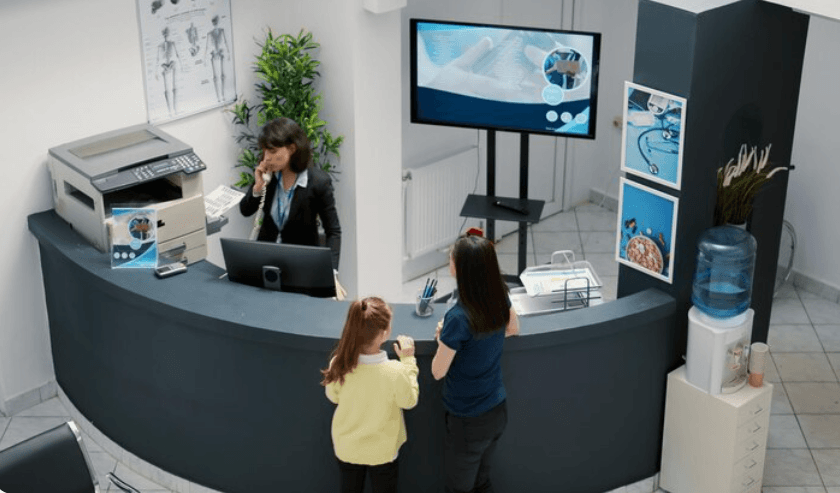
In modern offices and buildings, receptionists juggle everything from greeting guests to handling access requests and security checks. As workplaces grow more complex, the pressure on reception teams continues to rise. At the same time, expectations around safety and accountability have never been higher. Businesses want to know exactly who is entering their premises, when, and why.
This is where video entry tools for reception step in. By combining real-time video, audio communication, and access control, these systems offer a faster way to manage visitor flow. As part of a broader access control ecosystem, video intercom technology is transforming how reception teams operate. Let’s take a closer look!
Traditional Visitor Screening vs Modern Video Entry Workflows
There is a significant contrast between older methods and modern solutions. The shift towards video entry tools for reception is about improving how work gets done.
Traditional reception workflows:
- Manual sign-ins using paper logs or basic digital systems
- Phone-based verification with no visual confirmation
- High reliance on staff availability at the desk
- Frequent interruptions that disrupt other tasks
- Delays during peak visitor or delivery periods
- Limited audit trails or inconsistent record-keeping
These methods can still function in low-traffic environments, but they often break down in busy or multi-tenant settings where speed and accuracy are essential.
Modern video entry workflows:
- Real-time video verification before granting access
- Seamless integration with access control systems and directories
- Ability to screen visitors remotely via desktop or mobile devices
- Faster decision-making with clear visual and audio context
- Reduced interruptions thanks to streamlined communication
- Automated logging for compliance and review
With video entry tools for reception, staff can instantly see who is at the door, speak to them, and make informed decisions without leaving their desk. This not only speeds up visitor processing but also improves consistency and accountability.
As organisations look for ways to improve efficiency while maintaining high security standards, more are shifting towards office video intercom systems as a core part of their operations.

What Makes a Visitor Verification Workflow Truly Efficient?
An efficient visitor verification workflow results from thoughtful system design and seamless integration. While video entry tools for reception provide the foundation, the real value comes from how each component works together.
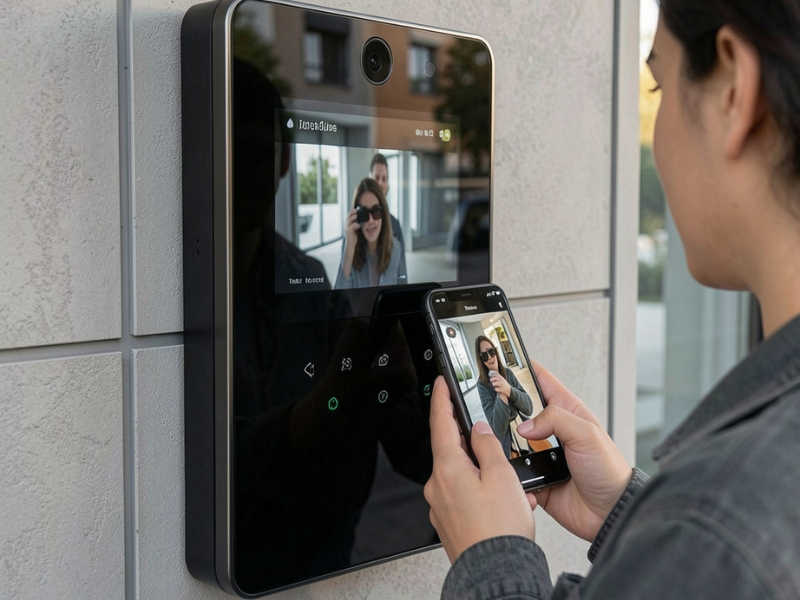
At the front end, entry point hardware plays a crucial role. Door stations equipped with high-quality video cameras and two-way audio allow visitors to initiate contact easily. Clear visuals and reliable audio ensure reception staff can quickly assess the situation without confusion or delays.
Behind the scenes, the reception interface is just as important. Whether it’s an indoor monitor, a desktop application, or a mobile app, the interface needs to deliver instant notifications and intuitive controls. Staff should be able to answer calls, view live video, and unlock doors within seconds.
Integration with access control systems is where workflows become truly powerful. Doors, gates, and even lifts can be controlled remotely, allowing reception teams to manage access without physically moving around the building. This is particularly valuable in larger sites or multi-level offices.
Key elements of an effective workflow include:
- Clear communication flow with two-way audio and live video
- Instant access to directories or tenant lists
- Remote door or gate release functionality
- Automated logging of visitor interactions
- Secure audit trails for compliance and reporting
When these components are aligned, video entry tools for reception enable a smooth, consistent process with high security standards. Instead of juggling disconnected tools, reception teams benefit from a unified system that supports both speed and accuracy.

Read more: Industrial Alarm Siren Systems for Commercial Security
Step-by-Step: How Video Entry Tools Speed Up Reception Screening
To fully appreciate the impact of video entry tools for reception, it helps to break down a typical visitor interaction from start to finish. The difference in speed and efficiency becomes clear when you compare each step.
- Visitor initiates contact. The process begins when a visitor arrives at the entry panel and presses a call button. This action immediately triggers the system, eliminating the need for manual sign-ins or waiting for attention at the front desk.
- Directory selection. Visitors can easily navigate a digital directory to find the correct tenant, department, or reception desk. This reduces confusion and ensures calls are directed to the right person without unnecessary delays or miscommunication.
- Instant notification. Reception staff receive an alert instantly on their chosen device, whether it’s a desk monitor, computer, or mobile phone. This real-time notification ensures that no visitor is left waiting during busy periods.
- Live video feed. As soon as the call is received, a live video stream shows who is at the door. This visual context allows staff to quickly assess the situation before answering.
- Two-way communication. Reception staff can speak directly with the visitor using built-in audio, creating a natural and efficient interaction. This eliminates the need for separate phone calls and helps clarify the visitor’s intent immediately.
- Quick verification. With both video and audio available, staff can confirm identity, purpose, or delivery details within seconds. This step is far more reliable than voice-only verification.
- Fast decision-making. Because all relevant information is presented at once, reception teams can make quick, confident decisions. There’s no need to put visitors on hold or chase down additional details through other channels.
- Remote access control. Doors or gates can be unlocked directly from the interface with a single action. This removes the need for staff to leave their desk.
- Optional escalation. If further verification is required, the call can be transferred to another staff member or tenant. This ensures that the right person handles the decision without disrupting reception operations.
- Automatic logging. Every interaction is automatically recorded, including timestamps, images, and access actions. This creates a reliable audit trail that can be used for reporting, compliance, or reviewing incidents if needed.
This streamlined process dramatically reduces the time it takes to screen each visitor. More importantly, it ensures consistency. By implementing video entry tools for reception, organisations can eliminate bottlenecks, reduce manual tasks, and create a smoother experience.

Why Video Entry Tools Are Transforming Offices and Multi-Tenant Spaces
The benefits of video entry tools for reception extend far beyond convenience. They have a direct impact on operational efficiency, security, and overall user experience across a wide range of environments.
In busy offices, these tools help manage peak visitor periods without overwhelming reception staff. Instead of juggling multiple phone calls and in-person requests, staff can handle everything from a single interface. This leads to faster throughput and fewer delays.
Security is another major advantage. Visual verification adds an extra layer of protection, ensuring that only authorised individuals are granted access. This is particularly important in environments where sensitive information or assets are involved.
From a visitor’s perspective, the experience is also improved. Guests and delivery drivers receive quicker responses, reducing wait times and confusion at entry points.
These systems are highly adaptable and can be used across different settings, including:
- Corporate offices with high visitor traffic
- Medical clinics requiring controlled access
- Co-working spaces with multiple tenants
- Warehouses and logistics facilities manage deliveries
Because video entry tools for reception can scale across multiple entry points and buildings, they’re ideal for growing organisations. Whether it’s a single office or a large commercial site, the same principles apply – faster reception visitor screening, better security, and a more professional experience.
Read more: Why Choose KNX for Commercial Building Automation?
Retrofit Without the Headache: Smarter Infrastructure for Video Entry
One of the biggest challenges businesses face when upgrading to video entry tools for reception is infrastructure. Many offices operate in existing buildings with legacy wiring, making upgrades seem complex, expensive, or even disruptive.
Traditional rewiring projects can involve significant downtime, structural changes, and high installation costs. For businesses that rely on continuous operations, this simply isn’t practical.
That’s where solutions like the Akuvox 2-Wire IP Intercom Kit come into play. Designed specifically for retrofit scenarios, this system enables full IP video intercom functionality using existing 2-wire cabling. There’s no need to rip out walls or install entirely new infrastructure.
The advantages are clear. Installation is faster and far less disruptive, allowing businesses to upgrade without interrupting daily operations. Costs are also reduced, as existing cabling is reused rather than replaced.
Despite its retrofit-friendly design, the system still delivers modern capabilities. Businesses can enjoy all the benefits of IP-based communication, including high-quality video, remote access, and integration with broader access control systems.
For organisations looking to modernise their office video intercom systems, this approach offers the perfect balance – future-ready technology without the headaches of a full rebuild.
Best Practices for Implementing Video Entry Tools for Reception Workflows
Successfully implementing video entry tools for reception requires more than just installing hardware. To get the best results, businesses need to align technology with real-world workflows.
- Map out visitor journeys before selecting a system
- Position entry panels for clear visibility and lighting
- Train reception staff on fast, consistent verification processes
- Integrate systems with access control and directories
- Enable mobile access for flexibility and remote screening
- Define clear policies for different visitor types
- Regularly review logs and refine workflows
These steps ensure that the system supports how your team actually works, rather than forcing them to adapt to rigid technology.
A well-planned implementation also helps avoid common pitfalls. For example, poorly positioned cameras can slow down verification, while a lack of training can lead to inconsistent decisions. By focusing on both technology and process, businesses can unlock the full potential of video entry tools for reception.
Ultimately, the goal is simple: create a workflow that is fast, reliable, and easy for staff to use every day.
To Sum Up,
The shift from manual visitor screening to intelligent, video-based workflows is transforming how reception teams operate. As demands on front desk staff continue to grow, businesses need solutions that improve both speed and security without adding complexity. Video entry tools for reception enable real-time verification, remote access control, and automated logging. They streamline visitor management while reducing interruptions and human error.
Solutions like the Akuvox 2-Wire IP Intercom Kit make this transition even more accessible for businesses working with existing infrastructure. With minimal disruption and modern capabilities, it’s a practical way to upgrade reception workflows.
Looking to modernise reception workflows with integrated video entry and automation systems? DHS provides smart access and commercial automation solutions for offices, apartments, and commercial facilities across Australia and New Zealand.


2 Comments
[…] Read more: Smart Video Entry Systems for Reception & Visitor Management […]
[…] Learn more: Smart Video Entry Systems for Reception & Visitor Management […]