Designing the best intercom system for NDIS homes is about communication, safety, independence, and dignity. In Specialist Disability Accommodation (SDA), communication systems are deeply integrated into daily living, shaping how participants interact with their environment and how carers deliver support.
Unlike standard residential setups, SDA homes must cater to a wide range of physical, cognitive, and sensory needs. This means communication tools must be intuitive, reliable, and adaptable. In this guide, we’ll explore everything about setting the best intercom system for NDIS homes – from essential components and layout design to installation, costs, and real-world outcomes.
Why Choosing the Right Intercom System Matters More Than Ever
Before diving into technical details, it’s important to understand why intercom systems are such a critical part of SDA environments.
In many disability homes, participants rely on carers for assistance throughout the day and night. Whether it’s help with daily tasks, medication, or urgent situations, communication must be immediate and dependable. Without a proper system, participants may struggle to get attention quickly, and carers may find it difficult to manage multiple requests efficiently.
A thoughtfully designed NDIS intercom system provides a structured and reliable communication flow. Instead of relying on ad hoc solutions like mobile phones or verbal calls, everything is centralised and consistent. This improves not only response times but also the overall quality of care.
Additionally, modern SDA homes often aim to promote independence. Participants should be able to initiate communication easily without feeling dependent or restricted. The best intercom system for NDIS homes supports this goal by giving users control in a simple, accessible way.
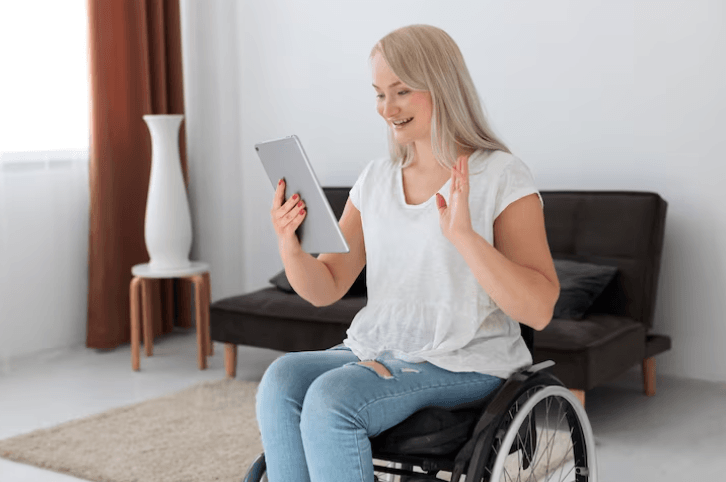
What Defines the Best Intercom System for NDIS Homes?
Not all intercom systems are suitable for SDA applications. While many systems may work well in standard residential or commercial settings, they often fall short in terms of accessibility, durability, and long-term scalability.
The best intercom system for NDIS homes is one that is purpose-built to meet the unique demands of disability living environments.
A high-performing system should incorporate the following:
- Ease of Use
User experience is critical. Interfaces should feature large, clearly labelled buttons, simple navigation, and minimal steps to perform key actions. For participants with limited mobility or cognitive challenges, even small usability improvements can make a big difference.
- High Reliability
In SDA homes, downtime is not acceptable. Systems must operate consistently under daily use, including during peak times or emergencies. This often means choosing proven hardware and stable network configurations.
- Scalability and Flexibility
Needs can evolve over time. A home may require additional rooms, new devices, or integration with other technologies such as automated doors or emergency alert systems. A scalable solution ensures the system remains relevant over the long term.
- Low Maintenance Requirements
Carers and support staff should not need to troubleshoot complex technical issues. Systems should be easy to manage, with straightforward interfaces and accessible support when needed.
- High-Quality Audio and Video
Clear communication is essential, particularly in high-pressure situations. Poor audio or lagging video can create confusion and delay responses.
When all these features are combined, the result is a system that genuinely enhances daily living – making it worthy of being called the best intercom system for NDIS homes.
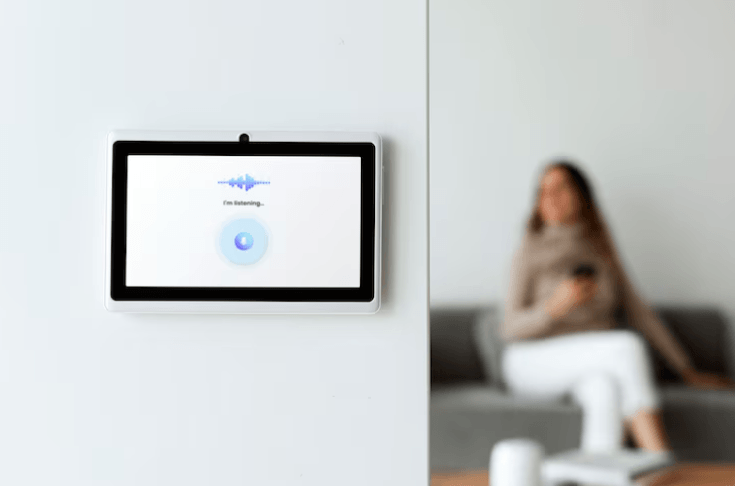
Breaking Down the Core Components of an SDA Intercom Setup System
To fully understand how an intercom system functions in an SDA home, look at each component in detail. These elements work together to create a seamless communication network across the property.
Door Station: The First Line of Communication
The door station is typically installed at the main entrance and serves as the interface between the home and the outside world.
Beyond basic communication, modern door stations offer:
- High-definition video for visitor identification
- Night vision capabilities for low-light conditions
- Integration with electronic door locks or gates
- Call routing to multiple indoor monitors
This ensures that participants and carers can safely verify visitors before granting access. In SDA settings, where safety and control are paramount, the door station plays a vital role in daily operations.
Main Indoor Monitor: The Central Control Hub
Located in a shared or staff-accessible area, the main indoor monitor serves as the system’s central command point.
Carers can use it to:
- Answer door calls and manage visitor access
- Monitor communication between rooms
- Prioritise and respond to participant requests
- Oversee multiple devices from a single interface
In larger SDA homes, this centralisation is particularly valuable. It reduces confusion and ensures that no call or alert goes unnoticed, reinforcing the reliability expected from the best intercom system for NDIS homes.
Room Stations: Empowering Participant Communication
Room stations are installed in each participant’s bedroom and are the most frequently used component of the system.
These devices are designed with accessibility in mind and typically allow users to:
- Call carers with a single press
- Communicate with other rooms (if enabled)
- Receive incoming calls or announcements
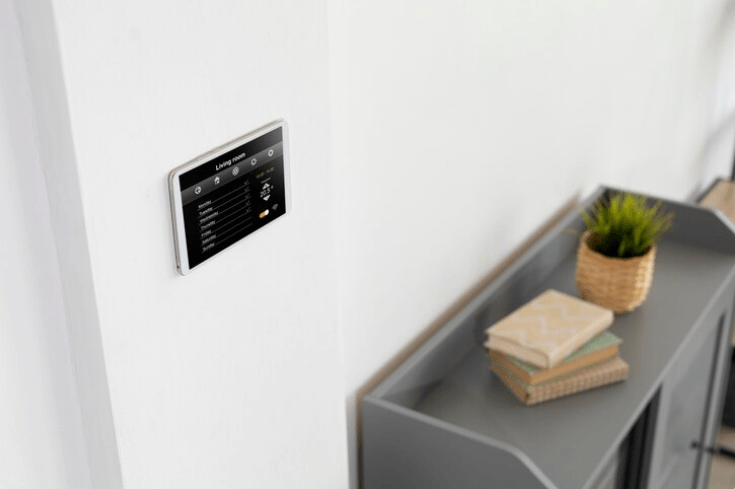
Some advanced setups may also include visual indicators, touchscreens, or integration with assistive technologies.
In many ways, room stations are the heart of an effective intercom system for disability homes, as they directly impact participant independence and comfort.
Network Infrastructure: The Backbone of the System
Behind the scenes, the network infrastructure ensures all devices communicate smoothly. Most modern systems use Power over Ethernet (PoE), which:
- Delivers both power and data through a single cable
- Simplifies installation and reduces clutter
- Improves system reliability and consistency
A well-planned network also allows for future upgrades and expansions without major rework. This is a key factor in delivering the long-term value expected from the best intercom system for NDIS homes.
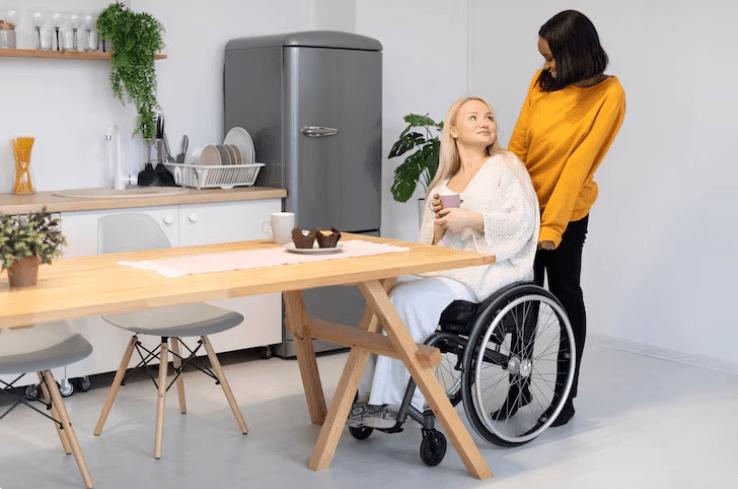
Why IP Intercom Systems Are the Smart Choice for SDA
As technology advances, IP-based intercom systems have become the preferred option for SDA projects. Compared to older analogue systems, IP intercom SDA solutions provide a range of benefits:
- Enhanced Reliability. Digital communication reduces interference and signal degradation, resulting in more consistent performance.
- Seamless Scalability. Adding new devices is straightforward, making it easy to expand the system as needed.
- Integrated Video and Audio. High-quality video enhances both communication and security, especially at entry points.
- Remote Management. Systems can be configured, monitored, and updated remotely, reducing the need for onsite visits.
- Smart Integration. IP systems can connect with other technologies such as automation systems, alarms, and access control.
These advantages make IP-based solutions the clear choice for anyone seeking the best intercom system for NDIS homes in today’s environment.
Typical Intercom Layout for 5–7 Bedroom SDA Homes
While every SDA project is unique, most follow a similar layout for intercom design.
A typical configuration includes:
- 1 × Door station
- 1 × Main indoor monitor
- 5–7 × Room stations
- 1–2 × PoE switches
This setup ensures that every participant has direct access to communication while maintaining a central control point for carers.
The layout is designed to minimise delays, reduce complexity, and ensure consistent coverage across the home. By following this proven structure, providers can confidently implement the best intercom system for NDIS homes without unnecessary complications.

Step-by-Step Installation Process Made Simple
Installing an intercom system in an SDA home requires careful coordination between builders, electricians, and technology providers.
Step 1: Planning the System Design
This phase involves:
- Determining device locations based on floor plans
- Identifying cable pathways and network requirements
- Ensuring compliance with SDA guidelines
Thorough planning helps avoid costly adjustments later.
Step 2: Pre-Configuration
Devices are configured offsite to:
- Assign IP addresses and device roles
- Set up call routing and permissions
- Test system functionality
This reduces installation time and ensures smoother deployment.
Step 3: Installation and Cabling
During installation:
- Devices are mounted in accessible locations
- Structured cabling is installed neatly and securely
- Network switches and power systems are configured
Attention to detail at this stage directly impacts long-term reliability.
Step 4: Commissioning and Testing
Final testing ensures:
- All communication pathways are functioning correctly
- Audio and video quality meet expectations
- Emergency features operate reliably
Only after thorough validation should the system be handed over for daily use.
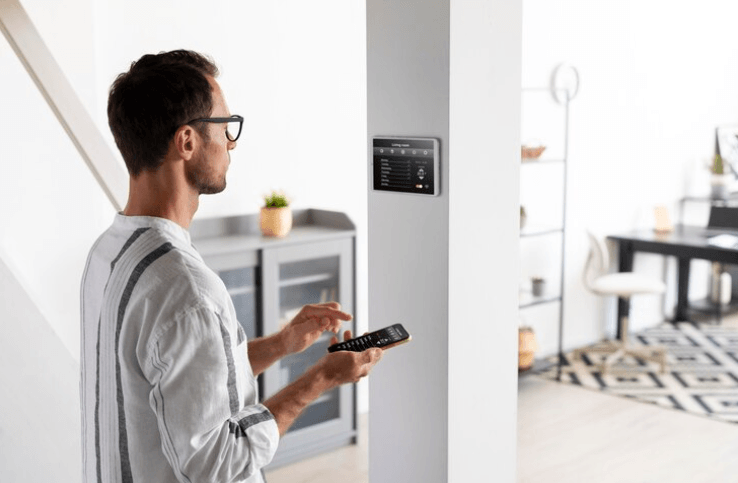
Common Mistakes That Can Cost You More Later
Even well-intentioned SDA projects can run into costly issues when critical details are overlooked during planning or installation. Small decisions made early around equipment, cabling, and scalability can lead to significant expenses and operational challenges down the track.
- Insufficient network planning: Failing to account for bandwidth and device capacity can limit performance.
- Low-Quality equipment choices: Cheaper systems may lead to frequent failures and higher maintenance costs.
- Poor installation practices: Incorrect cabling or improper device placement can cause recurring technical issues.
- No future-proofing: Systems that cannot scale may require full replacement sooner than expected.
Avoiding these mistakes is essential to achieving a truly effective best intercom system for NDIS homes.
How Much Does an NDIS Intercom System Cost?
Understanding the cost of an intercom system is essential for setting realistic budgets and avoiding unexpected expenses during your SDA project. While pricing can vary with system size and complexity, a clear breakdown helps you prioritise long-term value over short-term savings.
For a standard SDA home:
- Equipment: $2,500 – $3,500 AUD
- Installation: $2,500 – $4,000 AUD
Total Estimated Cost: $5,000 – $7,000 AUD
While upfront costs may seem significant, the long-term benefits in safety, efficiency, and reduced maintenance make it a worthwhile investment.
The Real Impact: Safety, Independence, and Better Care
A well-designed intercom system fundamentally improves how SDA homes function on a daily basis. By supporting faster responses, clearer communication, and greater autonomy, it directly enhances both participant well-being and the quality of care.
- Improved safety. Participants can quickly request help, reducing risks in emergencies.
- Faster response times. Carers can respond promptly and manage multiple requests more effectively.
- Greater independence. Participants gain more control over their environment and communication.
- Enhanced workflow for staff. Clear communication systems reduce stress and improve efficiency.
These outcomes highlight why choosing the best intercom system for NDIS homes is so important.
To understand the real-world impact on care delivery, see how this improves daily outcomes here: Improving Carer Response Time in SDA Homes.
Real-World Applications in SDA Projects
Across Australia, many SDA developments are already benefiting from modern intercom systems.
These systems enable:
- Reliable communication across multiple rooms
- Better coordination between carers and participants
- Improved overall living experiences
Each successful implementation reinforces the importance of selecting the best intercom system for NDIS homes from the outset. To see how it is implemented in a real project, read the full case study here: 7-Bedroom SDA Intercom Case Study
How to Choose the Right System for Your Project
Selecting the right intercom system requires careful consideration of both current needs and future flexibility within your SDA home. With so many options available, taking the time to evaluate usability, scalability, and support can make all the difference in achieving a reliable, long-term solution.
You can do that by asking these key questions:
- Is the system accessible to all participants?
- Can it grow with the property over time?
- Does it integrate with other smart technologies?
- Is local support available?
- Has it been tested in SDA environments?
By answering these questions, you can confidently identify the best intercom system for NDIS homes for your project.
Final Thoughts,
Choosing the best intercom system for NDIS homes is about more than technology – it’s about creating environments where people feel safe, supported, and empowered.
From improving communication to enhancing independence, the right system delivers meaningful, everyday benefits. With proper planning, quality components, and expert installation, you can ensure your SDA home is equipped for both current needs and future growth.
Ultimately, investing in the best intercom system for NDIS homes is an investment in better outcomes – for participants, carers, and the entire support network. Contact us today!