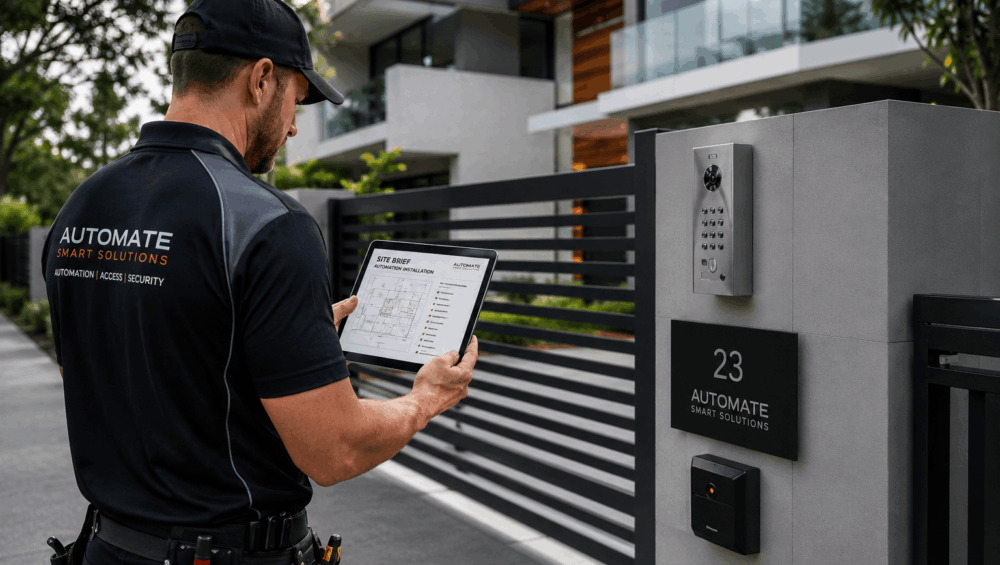
When people request pricing for automation projects, they often send a very short enquiry, such as “Need a gate motor quote” or “Want to upgrade an intercom.” While that may seem sufficient to begin discussions, vague requests often lead to inaccurate pricing and inconsistent proposals among suppliers. A proper site brief for automation quotes provides installers with the information they need to understand the project from the outset.
A structured brief of automatic gates, automatic doors, intercoms, access control, CCTV integration, or smart automation systems helps installers recommend more suitable solutions and provide more reliable pricing. It also reduces confusion during the planning phase. Using a proper automation quote checklist can save significant time and reduce the risk of expensive changes later in the project.
Why Poor Project Briefs Lead to Expensive Problems Later
Many automation projects become more complicated because the original project information was incomplete. Installers can only prepare quotes based on the details they receive, so when important information is missing, they must make assumptions about site conditions, infrastructure, power availability, integration requirements, or installation complexity.
Those assumptions often create major differences between quotes. One installer may assume the site already has suitable power and cabling available, while another may allow for trenching, electrical works, or network upgrades. As a result, clients may receive inconsistent pricing, even when the project scope is technically the same.
Incomplete project scoping also creates delays once work begins. Existing wiring may be damaged, or current systems may be incompatible with newer technology. In retrofit environments, undocumented modifications and ageing infrastructure frequently introduce hidden labour requirements during the quoting stage.
A clear site brief for automation quotes helps minimise these issues early. Better information allows installers to identify risks sooner and plan installation requirements more accurately. It also improves long-term project outcomes because installers can design systems with future upgrades and scalability in mind.
Well-prepared briefs also help reduce unnecessary variation costs. When expectations, infrastructure, and operational requirements are clearly documented upfront, installers can provide more realistic pricing and avoid major changes later in the process.
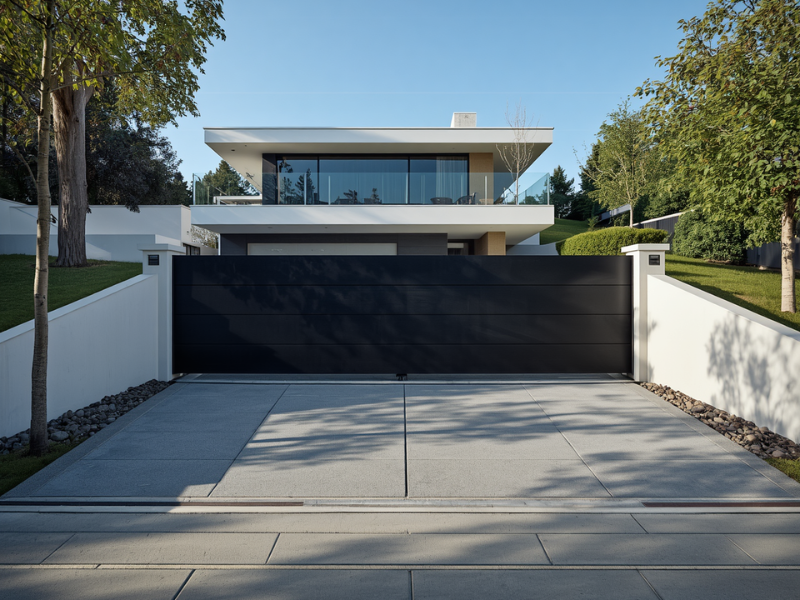
The Core Information Every Site Brief For Automation Quotes Should Include
A strong site brief for automation quotes does not need to be highly technical. However, it should provide enough information for installers to properly assess the site and understand the project goals. This stage is an important part of effective security project scoping because the quality of the information directly affects the accuracy of the quote.
Property Overview
Start by describing the property itself. Installers need basic context before they can recommend suitable products or estimate labour requirements.
Explain whether the site is residential, commercial, industrial, or mixed-use. Indicate whether the project is a new build or a retrofit upgrade. Include how many access points are involved and approximately how many people will use the system daily.
For example, a single residential driveway gate has very different operational requirements from those of a busy commercial loading dock or a multi-tenant apartment entry system.
Existing Infrastructure
The current infrastructure on-site strongly affects both compatibility and installation complexity. A detailed gate door intercom brief should explain which systems already exist and their condition.
Useful details may include:
- Existing gates, doors, or intercom systems
- Available cabling or conduits
- Internet or network access
- Nearby power sources
- Existing CCTV or access control systems
- Structural mounting limitations
Older infrastructure can significantly influence product selection, upgrade pathways, and installation timeframes.
Main Problems to Solve
A good site brief for automation quotes focuses on outcomes rather than only equipment. Explain the actual problems the project is trying to solve.
Common examples include unreliable visitor access, recurring gate failures, poor security visibility, accessibility concerns, delivery management issues, or outdated intercom systems that no longer meet operational needs.
This information helps installers recommend practical solutions rather than simply quoting hardware.
Desired Automation Outcomes
It is also important to explain what the finished system should achieve. Some projects focus on convenience, while others prioritise security, compliance, or remote management.
Desired outcomes may include smartphone access, cloud-based control, multi-user permissions, remote monitoring, alarm integration, CCTV connectivity, or improved accessibility for visitors and staff.
The clearer the project goals are, the easier it becomes for installers to recommend systems that genuinely suit the site.
Site Constraints
Finally, explain any site limitations that may affect installation planning. These could include narrow driveways, heritage restrictions, limited trenching access, heavy pedestrian traffic, coastal weather exposure, difficult cable routes, or restricted working hours.
Identifying these conditions early improves quote accuracy and helps installers plan more realistic installation approaches.
Read more: Budget Security Upgrades: How To Prioritise Entry, Security And Communication Improvements
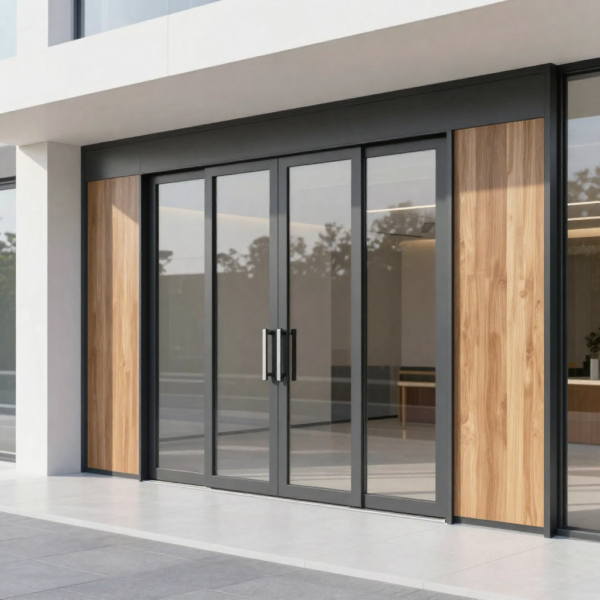
Photos, Videos and Site Plans: The Information That Improves Quote Accuracy Fast
Visual information can dramatically improve quote quality. In many cases, installers can identify potential installation challenges immediately by reviewing photos or short walkthrough videos before attending the site.
Photos help reduce assumptions about site conditions and allow installers to estimate labour requirements more accurately. They also reveal mounting limitations, structural obstacles, cable-routing challenges, and environmental exposure risks that may not be apparent from written descriptions alone.
Useful visual information often includes:
- Wide photos of entry points
- Close-up images of existing equipment
- Electrical switchboards
- Gate hinges and tracks
- Fence lines and mounting surfaces
- Existing intercom monitors
- Site maps or floor plans
| Asset | Why It Matters |
| Gate photos | Helps determine suitable motor types and mounting options |
| Door frame images | Assists with automation compatibility assessment |
| Existing intercom photos | Reveals wiring limitations and upgrade complexity |
| Site plans | Improves cable routing and infrastructure planning |
| Switchboard images | Helps identify available power capacity |
For example, a commercial property manager planning an accessibility upgrade may provide floor plans and entry photos to help installers assess compliance requirements before providing a quote. Resources such as Standards Australia are often referenced when planning compliant access systems.
In some cases, detailed visual documentation allows installers to provide preliminary pricing remotely, reducing the need for unnecessary early site visits.
Questions Installers Commonly Need Answered Before Quoting
Even when clients provide a detailed site brief for automation quotes, installers usually need clarification around several key operational and technical areas before finalising a proposal.
Is This a Retrofit or a New Installation?
Retrofit projects generally involve more investigation than new builds because existing infrastructure often introduces unknown variables.
Older sites may contain damaged cabling, undocumented modifications, ageing equipment, or structural limitations that complicate installation. New builds are typically easier because infrastructure can be designed around the automation system from the beginning.
Understanding whether the project is a retrofit helps installers assess risk levels and estimate labour more accurately.
Do You Need Integration With Existing Systems?
Integration requirements have a major impact on product selection and system design. Installers often need to know whether the automation system must connect with existing technologies such as CCTV, alarms, access control, lift systems, or smart home platforms.
Integration planning is a critical part of proper security project scoping because compatibility limitations can significantly affect installation timeframes and pricing.
Who Will Use the System Daily?
Different users create very different operational requirements. A residential family home, warehouse facility, apartment building, healthcare site, or school all require different levels of access control and management.
Installers often need to understand whether the system will be used mainly by residents, staff, contractors, tenants, visitors, or delivery drivers. High-traffic environments may require more advanced credential management and audit capabilities than lower-volume sites.
What Level of Security or Convenience Is Expected?
Some projects only require simple remote gate opening, while others need advanced cloud-based access management, user permissions, audit logs, and remote monitoring.
Clearly defining expectations early helps installers recommend systems that match both operational needs and budget expectations. Good scoping also reduces the risk of under-quoting or major scope changes later in the project.

Common Mistakes That Make Automation Quotes Less Accurate
Many automation quoting issues come from missing information rather than incorrect pricing. Avoiding a few common mistakes can significantly improve quote quality and project outcomes.
- Requesting quotes without site photos
Without visuals, installers must make assumptions about site conditions, cable paths, and infrastructure access. This usually creates broader pricing ranges and less accurate labour estimates.
- Not mentioning existing automation equipment
Older systems, partial upgrades, or undocumented modifications can heavily influence compatibility and installation complexity. Omitting this information often causes delays later.
- Forgetting future expansion plans
Projects often expand over time. Additional gate and door automation, cameras, or access credentials may be required later, so scalability should be discussed upfront.
- Ignoring network or internet limitations
Modern automation systems frequently rely on stable network connectivity. Weak Wi-Fi coverage or unavailable data cabling can affect system performance and installation requirements.
- Focusing only on product pricing
The cheapest hardware does not always deliver the best long-term result. Reliability, support, compatibility, environmental suitability, and scalability all matter.
- Leaving out compliance or accessibility requirements
Commercial projects may require accessibility compliance, emergency egress integration, or specific safety standards that influence system design and labour requirements.
- Not identifying all stakeholders early
Projects involving builders, IT teams, electricians, strata managers, or consultants require coordination. Missing stakeholders can delay approvals and complicate communication later.
A structured automation quote checklist helps reduce these common mistakes and improves long-term planning outcomes.
Read more: Automation Retrofit Mistakes That Create More Support Tickets Later
Example of a Simple but Effective Automation Quote Brief
A detailed site brief for automation quotes need not be complicated. Even a straightforward structure can significantly improve pricing accuracy and response times.
Example site brief for automation quotes:
- Property Type: Commercial warehouse with office entry and vehicle gate
Existing Systems: Manual sliding gate, ageing audio intercom, CCTV already installed
Main Challenges: Delayed visitor access and poor delivery management
Desired Outcomes: Smartphone-controlled gate access, video intercom, staff credentials, CCTV integration
Photos Attached: Front gate, driveway, switchboard, intercom location
Timeline: Installation required within three months
Budget Range: Mid-range commercial solution preferred
Preferred Contact Method: Email followed by a scheduled consultation
Even a simple format like this helps installers provide more accurate pricing, better product recommendations, and faster responses. A clear site brief for automation quotes also allows clients to compare proposals more consistently between suppliers.

What Happens After You Submit a Good Site Brief For Automation Quotes
Once a detailed site brief for automation quotes is submitted, installers usually follow a structured review process. First, they assess the supplied information and identify whether any clarification is required. Some straightforward projects can be quoted remotely when sufficient documentation is provided, while larger or more complex retrofit projects may still require a physical site inspection.
After the initial review, installers typically prepare preliminary recommendations based on the project goals, infrastructure conditions, and operational requirements. This may include product suggestions, proposed system layouts, estimated timelines, and pricing ranges.
For more advanced projects, additional consultation may be required to confirm integration requirements, access management needs, or infrastructure upgrades. Installers may also coordinate with electricians, builders, IT providers, or consultants, depending on the site’s complexity.
Well-prepared briefs reduce unnecessary revisions throughout this process. They also help experienced automation distributors and certified installers recommend more suitable long-term solutions rather than short-term fixes.
Read more: Gate Upgrade Proposals For Property Managers – How To Evaluate Properly
In Conclusion
A detailed site brief for automation quotes creates smoother projects, more accurate pricing, and better long-term automation outcomes. Whether the project involves gates, automatic doors, intercoms, access control, or complete smart automation systems, better information leads to better recommendations and fewer installation surprises. A structured automation quote checklist also makes it easier to compare proposals and plan future upgrades with confidence.
If you are preparing an automation project, DHS can help you develop a clearer project scope and connect you with experienced automation professionals across Australia and New Zealand. Contact the DHS team today to discuss your project requirements, request planning guidance, or submit your site brief for review.