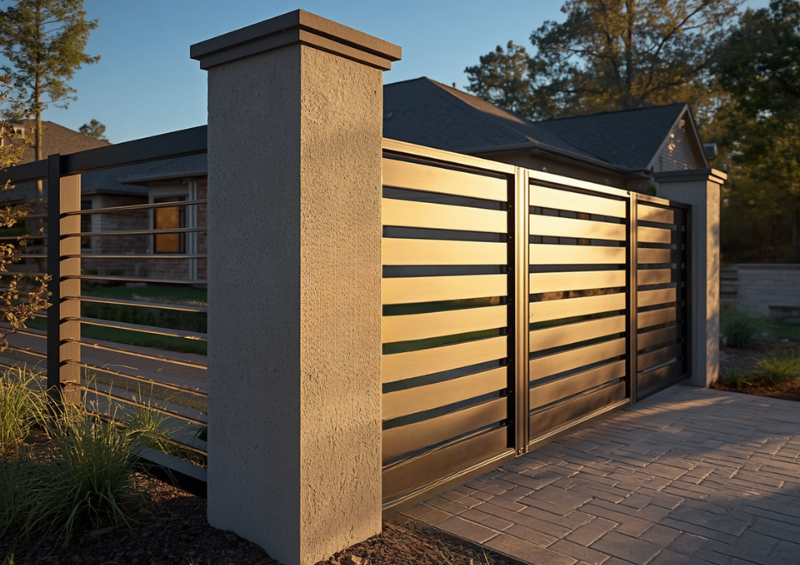
Selecting the right swing gate system is not just a technical decision. When it comes to underground vs above ground swing gate automation, the differences go far beyond where the motor is placed. Each system affects how your gate looks, how it performs, how much it costs to install, and how easy it is to maintain over time.
For specifiers, architects, and premium residential buyers, this decision is especially important. A poorly matched system can compromise design intent or create avoidable maintenance issues. A well-chosen system, on the other hand, enhances both functionality and property value.
This in-depth swing gate comparison will help you understand the real-world differences, using practical evaluation criteria and referencing solutions from Beninca and Nice where relevant.
Table of Contents
ToggleWhat Defines Underground and Above-Ground Systems
At the core of this comparison is a simple distinction: placement.
An underground swing gate motor is installed beneath the gate hinge, hidden inside a foundation box. The motor operates the gate through a pivot mechanism, making the automation invisible from the outside.
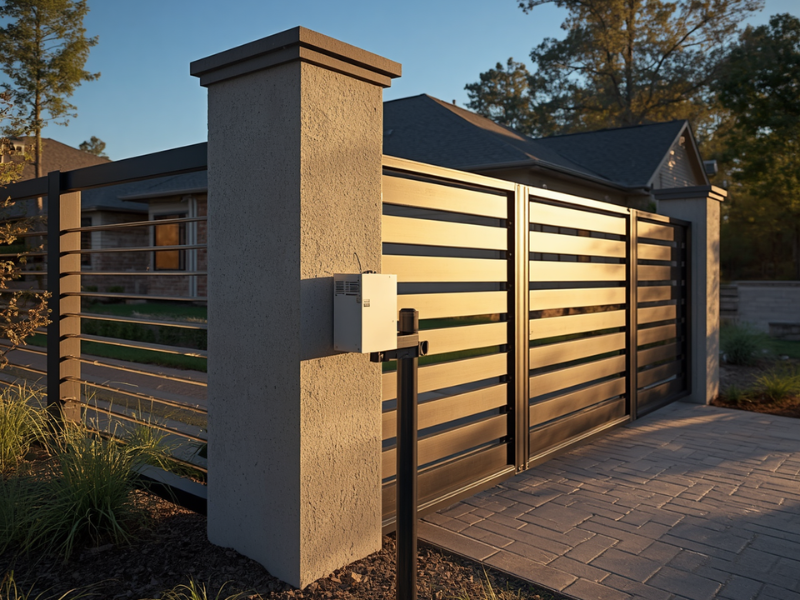
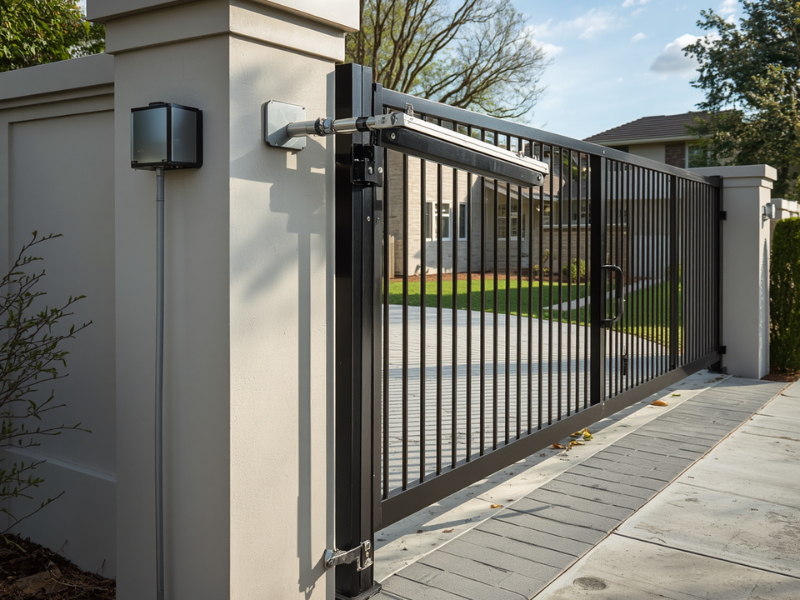
An above-ground gate opener is mounted on the gate post or leaf, typically driven by a linear actuator or an articulated arm. This makes the system visible but easier to install and service.
This difference in placement creates a ripple effect across every aspect of performance and ownership.
Why the Choice Impacts More Than Appearance
It’s easy to assume this decision is purely aesthetic—but it’s not.
Choosing between underground vs above ground swing gate directly affects:
- Installation complexity and cost
- Exposure to environmental conditions
- Ease of maintenance and servicing
- Compatibility with different gate designs
- Long-term reliability
Understanding these factors ensures you don’t overspend on unnecessary features—or underinvest in critical performance.
Aesthetics and Architectural Integration
For high-end residential projects, appearance often plays a major role.
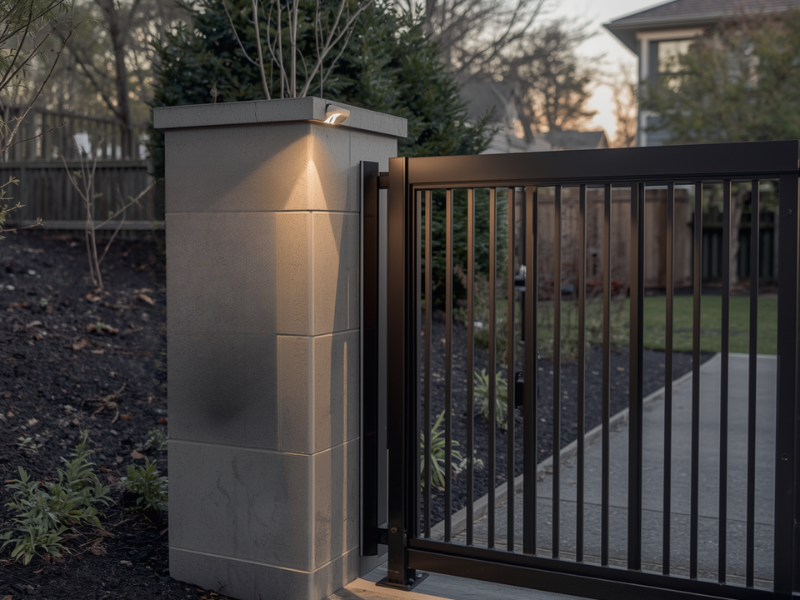
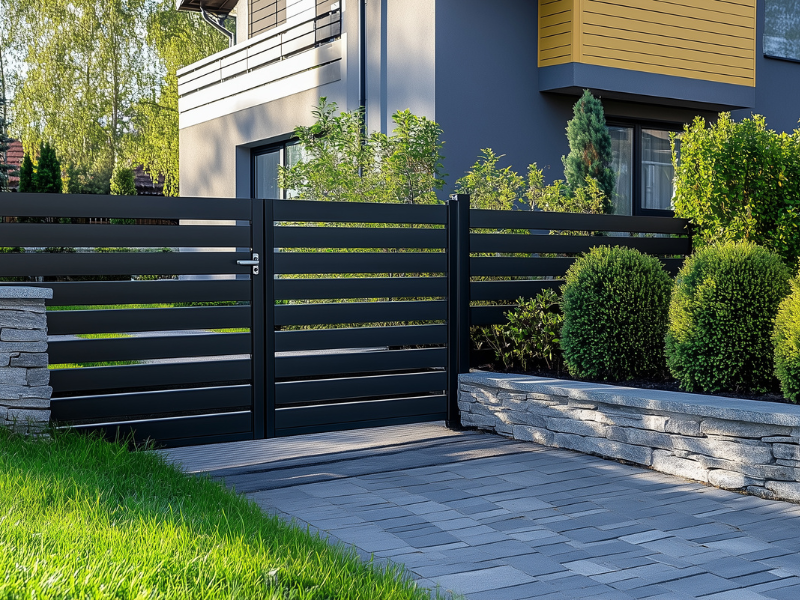
Underground systems provide a completely hidden solution. There are no visible motors, arms, or brackets—just the gate itself. This creates a clean, minimalist look that integrates seamlessly with modern or heritage architecture.
Above-ground systems are visible, but modern designs have improved significantly. Manufacturers like Nice offer sleek, compact units that reduce visual impact, while Beninca focuses on durable, well-engineered housings.
Still, when aesthetics are the top priority, underground automation remains the premium choice.
Underground vs Above Ground Swing Gate: A Practical Comparison
The most meaningful way to compare these two systems is to examine their performance in real-world scenarios.
Underground systems stand out for their clean and discreet appearance. They are ideal for architecturally designed homes where visual harmony is a priority. On the other hand, above-ground systems offer a balance between performance, affordability, and ease of maintenance.
From a cost perspective, underground systems require a higher upfront investment due to excavation work and additional installation. Above-ground systems, by comparison, are more budget-friendly and accessible to a wider range of homeowners.
Installation complexity is another key difference. Underground motors require precise setup and careful planning, especially regarding drainage and foundation work. Above-ground systems can typically be installed with minimal structural modifications.
When it comes to maintenance, above-ground systems clearly have the advantage. Their exposed design allows technicians to quickly diagnose and fix issues, whereas underground systems may require partial disassembly to access the motor.
Durability depends largely on installation quality and environmental conditions. While both systems can be long-lasting, underground motors are more vulnerable if exposed to water ingress. Above-ground motors generally handle harsh weather conditions more effectively.
Underground vs Above Ground Swing Gate: Comparison Table
| Category | Underground Gate Automation | Above-Ground Gate Automation |
| Installation Complexity & Planning | Requires excavation, concrete foundations, precise hinge alignment, underground cabling, and drainage systems. Longer installation time and higher cost. Best for new builds or major renovations. | Mounted directly onto existing structures with minimal site modification. Faster installation and lower labour costs. Ideal for retrofit projects. |
| Drainage & Water Management | Critical consideration. Exposed to rainwater runoff, groundwater seepage, and flooding. Requires drainage channels, waterproof enclosures, and inspection access to prevent damage. | Not affected by underground water issues. More forgiving in areas with poor drainage and requires less planning for water management. |
| Maintenance & Accessibility | Harder to access. Servicing involves opening underground boxes, making maintenance more time-consuming and less convenient. | Easy to access with full visibility. Faster inspections, simpler repairs, and generally lower maintenance costs. |
| Durability & Environmental Exposure | Must withstand moisture, humidity, dirt, debris, and underground temperature changes. | Exposed to sunlight (UV), rain, wind, and possible physical impact. |
| Performance & Power | Provides smooth, natural movement aligned with the hinge. Quiet operation and minimal visual impact. | Offers flexibility for various gate sizes and weights. Easier adjustment of force and speed. Handles irregular or heavy gates better. |
| Opening Angles & Space Efficiency | Can achieve wider opening angles (often over 100°) due to hinge-based operation. Ideal for tight or complex spaces. | May be limited by arm geometry, mounting position, and structural constraints. |
| Compatibility With Gate Types | Best suited for custom-built, symmetrical, and architecturally integrated gates. | Highly adaptable. Works with existing gates, asymmetrical designs, and a wide range of materials and weights. |
| Safety & Control Features | Supports modern features like obstacle detection, sensors, soft start/stop, and access control integration. | Offers the same safety and control capabilities, with easier access for setup and maintenance. |
| Cost Breakdown (Upfront vs Lifecycle Value) | Higher upfront costs due to installation complexity, civil works, and drainage infrastructure. May require more specialised servicing over time. | Lower upfront costs, faster installation, and reduced labour. Easier maintenance can lead to better long-term value and lower lifecycle costs. |
Underground vs Above Ground Swing Gate: Cost Comparison in Australia
Cost plays a major role in the decision-making process for residential projects. In Australia, installing an underground swing gate system can range from approximately AUD $3,500 to over $8,000, depending on the complexity of the project and site conditions. This estimate typically includes excavation, drainage setup, and labour.
Above-ground systems are significantly more affordable, with installation costs typically ranging from AUD $1,500 to $4,000. The simpler setup reduces labour requirements and eliminates the need for structural modifications.
Over time, maintenance costs can further widen this gap. Underground systems may incur higher expenses if drainage issues arise. Above-ground systems tend to be more economical in the long term due to their accessibility and straightforward design.
From an investment perspective, underground systems may add aesthetic value to high-end properties, while above-ground systems provide better overall value for everyday use.
Underground vs Above Ground Swing Gate: Which Option Should You Choose?
Choosing the right system between underground vs above ground swing gate ultimately depends on your priorities and the specific conditions of your property. If your goal is to achieve a seamless, high-end look that complements a modern architectural design, an underground system may be worth considering. This is especially true if the budget is not a limiting factor and proper drainage can be ensured.
However, if practicality, cost-efficiency, and ease of maintenance are more important, an above-ground system is likely the better choice. It offers reliable performance, faster installation, and lower long-term costs, making it suitable for most residential properties in Australia.
Environmental conditions should also influence your decision. In areas prone to heavy rain or poor drainage, above ground systems provide a safer and more durable solution.
When Underground Automation Is the Right Choice
Underground systems are ideal for:
- Premium residential properties
- Projects where aesthetics are critical
- New constructions with planned infrastructure
- Situations requiring wide opening angles
They offer a clean, high-end solution but require proper planning and investment.
When Above-Ground Automation Makes More Sense
Above-ground systems are better suited for:
- Retrofit installations
- Budget-conscious projects
- Sites with limited construction flexibility
- Applications requiring easy maintenance
They provide reliable performance with fewer installation challenges.
Comparing Beninca and Nice Swing Automation
Both Beninca and Nice offer strong solutions in both categories.
Beninca is known for:
- Robust engineering
- High durability
- Strong performance under load
Nice focuses on:
- Advanced control systems
- Smooth and quiet operation
- Modern, user-friendly design
The choice depends on whether your priority is strength, control, or design integration.
Common Mistakes to Avoid When Choosing Your Gate
One of the most common mistakes homeowners make is choosing a system based solely on appearance. While underground motors may look more appealing, ignoring practical factors such as maintenance and environmental conditions can lead to costly issues later on.
Another frequent oversight is underestimating the importance of proper installation. Even the best system can fail if it is not installed correctly, particularly when it comes to drainage for underground motors.
It is also important to consider the weight and size of the gate. Different motors are designed to handle different loads, and selecting the wrong type can reduce efficiency and lifespan.
Finally, failing to plan for maintenance access can create unnecessary challenges in the future. Systems that are difficult to service often result in higher repair costs and longer downtime.
Final Thoughts: Choosing the Right Balance
There is no universal winner in the underground vs above ground swing gate automation debate.
Underground systems deliver unmatched aesthetics and seamless integration. Above-ground systems offer practicality, flexibility, and cost efficiency.
The right choice depends on your priorities—design, budget, maintenance, and site conditions.
By carefully evaluating these factors, you can select a system that delivers reliable performance, long-term value, and the right balance between form and function.