Commercial gate automation projects can be highly profitable, but they can also become expensive mistakes when key specification details are overlooked. One of the most common causes is poor commercial gate motor selection during the estimating stage. A motor that appears suitable on paper may be inadequate once real-world site conditions are considered.
Many estimators discover too late that gate automation projects are more complex than they initially seem. A structured approach helps eliminate guesswork. By following a proven process, estimators can improve quote accuracy. This 9-step commercial gate motor selection checklist provides a practical framework for evaluating gate automation projects before finalising specifications and pricing.
The 9-Step Commercial Gate Motor Selection Checklist for Accurate Estimating
Every commercial site has unique operational requirements that influence performance, compliance, and long-term reliability. The following checklist helps estimators assess the critical factors that affect commercial gate motor selection and overall project costs.
Step 1 – Confirm the Gate Type
The first step in any commercial gate motor selection process is identifying the gate design. Different gate types place very different demands on automation equipment.
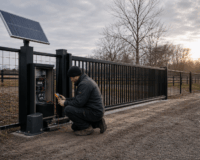
Sliding gates require motors capable of moving along a horizontal track, while swing gates rely on operator force during opening and closing cycles. Cantilever gates eliminate ground tracks but often require higher-capacity motors due to their structural design and weight distribution. On the other hand, bi-fold gates with multiple moving sections require specialised automation solutions.
Incorrectly identifying the gate type can result in selecting equipment that lacks the required operating characteristics. Before pricing any project, confirm exactly how the gate operates and whether any unique engineering considerations apply. The gate design directly influences motor capacity, mounting arrangements, safety devices, and installation labour requirements.
Read more: Automatic Sliding Gate Motor Selection & Installation
Step 2 – Verify Gate Dimensions and Weight
Accurate measurements are fundamental to successful commercial gate motor selection. Gate length, height, and overall weight determine the motor’s workload and operating performance.
Where possible, obtain manufacturer specifications or engineering documentation. If records are unavailable, conduct on-site measurements and consult with the client or builder to verify construction materials. Steel gates, aluminium gates, timber-clad designs, and decorative architectural gates can vary significantly in weight despite appearing similar in size.
Estimators should avoid making assumptions when gate weights are unknown. Underestimating weight often leads to selecting motors that operate near their maximum capacity. A small investment in accurate measurement can prevent costly specification errors later in the project.
Step 3 – Assess Site Layout and Installation Constraints
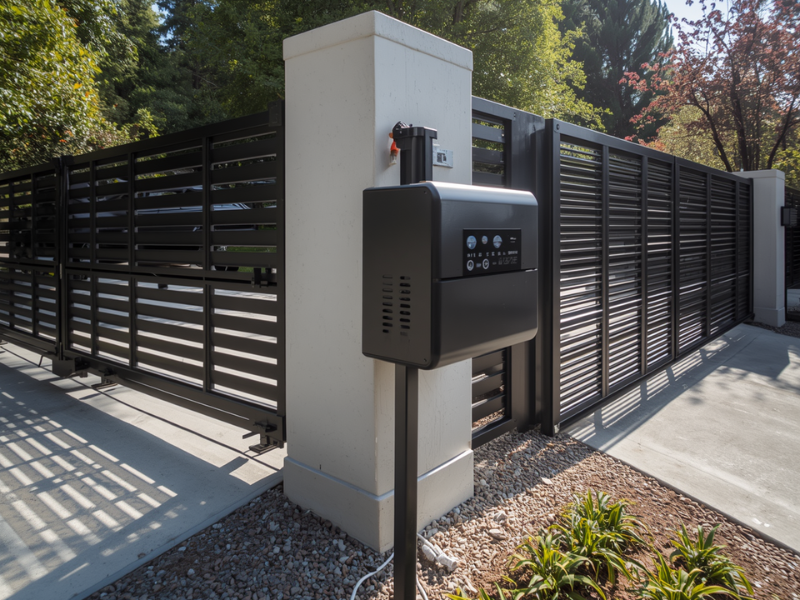
Site conditions can significantly impact both motor selection and installation costs. A gate that appears straightforward may present hidden challenges once physical constraints are evaluated.
Available runback space is particularly important for sliding gates. Insufficient clearance can require design modifications or alternative gate configurations.
Power availability should also be assessed early. Long cable runs, electrical upgrades, or new switchboard connections can increase project costs. Estimators should also identify access limitations that may affect installation equipment.
Considering these factors early improves commercial gate motor selection decisions and reduces the risk of unforeseen costs during installation.
Step 4 – Evaluate Traffic Volume and Duty Cycle Requirements
Duty cycle is one of the most overlooked factors in commercial automation projects. While a gate may physically move without issue, the real question is how often it must operate each day.
Commercial facilities often experience higher traffic volumes than residential properties. Industrial sites, logistics centres, warehouses, apartment complexes, hospitals, schools, and government facilities may require hundreds of cycles daily. Peak-hour traffic can create concentrated periods of intense use that place additional stress on automation equipment.
Motors designed for residential applications typically operate at much lower duty cycles. Applying residential-grade equipment to commercial environments often leads to overheating, premature wear, and frequent service calls. The resulting failures can damage both profitability and reputation.
Estimators should gather realistic usage data by asking clients about:
- Daily vehicle movements
- Shift changes
- Visitor traffic
- Delivery schedules
- Future operational growth
Proper commercial gate motor selection requires matching motor performance capabilities to expected usage patterns. Choosing a motor with adequate reserve capacity often provides better long-term value than selecting the lowest-cost option.
Step 5 – Plan for Future Site Growth
Many commercial facilities evolve over time. Vehicle numbers increase, operating hours expand, and access requirements become more complex.
A gate motor that adequately serves current needs may become undersized within a few years. During the estimating process, ask clients about planned expansions, additional buildings, increased staffing levels, or changes to site operations.
Forward-thinking commercial gate motor selection helps avoid premature upgrades and demonstrates a more strategic approach to project planning. While future-proofing should remain practical, allowing for reasonable growth often delivers greater long-term value.
Read more: Automatic Gate Planning for Multi-Unit Developments and Shared Driveways
Step 6 – Consider Environmental Conditions
Environmental factors can dramatically influence gate automation performance and equipment lifespan. Conditions that seem minor during installation can create ongoing reliability issues if not properly addressed.
Coastal sites expose equipment to salt air, accelerating corrosion and increasing maintenance demands. Wind loading can place additional stress on large gate panels, particularly swing gates. Industrial environments may introduce dust, chemicals, vibration, or airborne contaminants that affect moving components.
Flood-prone locations require careful consideration of motor placement, drainage design, and equipment protection. Similarly, extreme temperatures can influence motor efficiency and electronic component performance.
Effective commercial gate motor selection involves evaluating the operating environment and specifying equipment suited to local conditions. This approach reduces warranty claims, maintenance issues, and long-term ownership costs.
Step 7 – Specify Required Safety Systems
Safety systems are an essential component of every commercial gate automation project. They protect users, reduce liability risks, and help ensure compliance with applicable standards and regulations.
Safety beams detect obstacles in the gate path and prevent collisions. Safety edges provide additional protection by sensing contact with people or vehicles. Warning lights improve visibility and alert users when gates are operating.
Commercial facilities often require more comprehensive safety arrangements than residential installations due to higher traffic volumes and diverse user groups. Pedestrians, visitors, delivery drivers, and contractors may all interact with automatic gates.
When undertaking commercial gate motor selection, estimators should ensure all required safety devices are identified and included in the quote. Omitting these items can affect project profitability when they must be added later as variations.
Read more: How To Choose A Gate Motor For High-Cycle Residential Entrances
Step 8 – Identify Integration Requirements
Modern gate automation rarely operates as a standalone system. Commercial clients increasingly expect integration with wider security and access management infrastructure.
Potential integration requirements may include:
- Access control systems
- Video intercoms
- ANPR (Automatic Number Plate Recognition)
- CCTV platforms
- Building management systems
- Visitor management software
- Mobile credential platforms
Each integration introduces additional hardware, programming, testing, and commissioning requirements. Estimators should clearly identify all connected systems before finalising pricing.
Comprehensive commercial gate motor selection involves evaluating compatibility and ensuring that the proposed motor platform supports the required integrations.
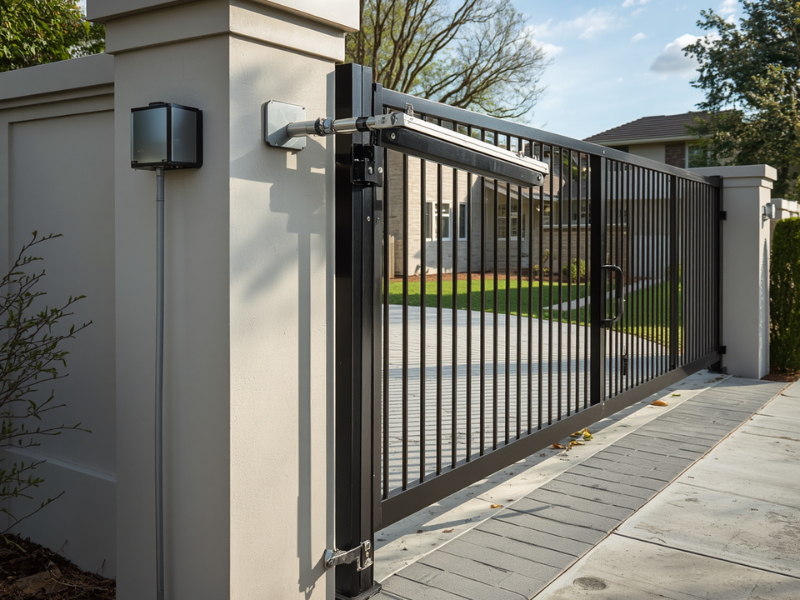
Step 9 – Include Commissioning, Testing and Handover Costs
Many underquoted projects fail to account for the time required after installation is physically complete. Programming, testing, documentation, and client training all require labour that should be included in the estimate.
Commissioning activities may involve safety testing, access control configuration, intercom integration, user setup, and fault verification. Larger commercial sites often require multiple stakeholder approvals before practical completion can be achieved.
User training is equally important. Site managers, security personnel, maintenance teams, and facility operators may all require instruction on system operation and emergency procedures.
A thorough commercial gate motor selection process should include realistic allowances for commissioning and handover activities. These tasks contribute directly to client satisfaction and long-term system reliability.
Common Underquoting Mistakes in Commercial Gate Motor Selection
Even experienced estimators can overlook critical factors that affect project profitability. Common mistakes include:
- Assuming residential-duty motors are sufficient. Commercial traffic volumes often exceed the capabilities of residential-grade automation equipment, leading to premature failures and warranty issues.
- Missing required safety devices. Safety beams, edges, warning lights, and compliance-related components are sometimes omitted during early estimating stages.
- Ignoring environmental conditions. Coastal exposure, industrial contaminants, wind loading, and flooding risks can all affect equipment selection and installation requirements.
- Underestimating cabling and integration work. Access control, CCTV, intercom systems, and networking requirements often involve more labour and materials than initially expected.
- Failing to account for commissioning time. Programming, testing, user training, and documentation can represent a significant portion of project delivery costs.
Avoiding these mistakes improves the outcomes of commercial gate motor selection and helps protect project margins.
How Estimators Can Protect Margin Without Overpricing
Accurate pricing does not require inflating costs. Instead, it involves gathering better information and making informed decisions about specifications from the beginning.
One of the most effective strategies is asking detailed pre-tender questions. Understanding traffic patterns, integration requirements, environmental conditions, and future growth plans helps eliminate uncertainty before pricing begins.
Site inspections remain one of the most valuable tools for estimating. Physical visits often reveal installation constraints, power challenges, drainage issues, and operational requirements that are not obvious from drawings alone.
Working closely with manufacturers and distributors can also improve the accuracy of commercial gate motor selection. Technical specialists can help validate specifications, identify risks, and recommend suitable commercial-grade solutions.
Finally, complex projects should include reasonable contingency allowances. Not every risk can be eliminated, but building appropriate flexibility into estimates helps protect profitability without unnecessarily increasing pricing.
FAQs
What is the most important factor in commercial gate motor selection?
There is no single factor, but gate weight, dimensions, and duty cycle are typically the most critical considerations. A motor must be capable of handling both the physical load and the expected operating frequency.
How do duty cycle requirements affect motor choice?
Duty cycle determines how often a motor can operate safely and reliably. Commercial sites often require high-cycle motors designed for continuous operation, unlike many residential systems.
What causes most commercial gate projects to be underquoted?
Common causes include inaccurate weight estimates, overlooked safety devices, underestimated integration requirements, and failure to account for commissioning and testing activities.
Should safety devices be included in every estimate?
Yes. Safety systems are essential for protecting users and meeting compliance obligations. They should be considered a standard part of commercial gate automation projects.
How can estimators improve the accuracy of gate automation quotes?
Using a structured checklist, conducting site inspections, verifying gate specifications, and consulting technical experts all help improve estimating accuracy and reduce project risk.
Final Thoughts: Better Commercial Gate Motor Selection Leads to Better Project Outcomes
Successful gate automation projects begin long before installation starts. By following a structured commercial gate motor selection process, estimators can identify hidden risks and reduce the likelihood of costly variations.
The nine-step checklist outlined above helps ensure key considerations such as gate type, weight, duty cycle, environmental conditions, safety requirements, integration needs, and commissioning costs are fully assessed before pricing is finalised.
When estimators make informed specification decisions, projects are more likely to achieve their goals for reliability, compliance, and profitability. Clients benefit from systems that perform as expected, while installers reduce callbacks and protect margins.
Need help selecting the right commercial gate automation solution? Contact DHS for technical advice and access to proven commercial-grade gate automation systems designed for demanding applications across Australia, New Zealand, and the Pacific region.