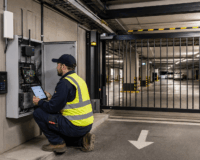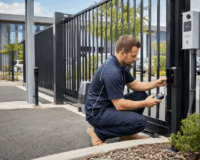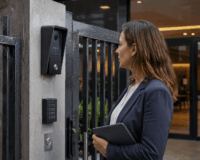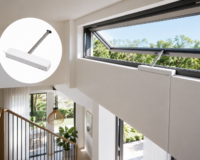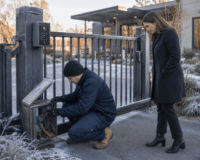
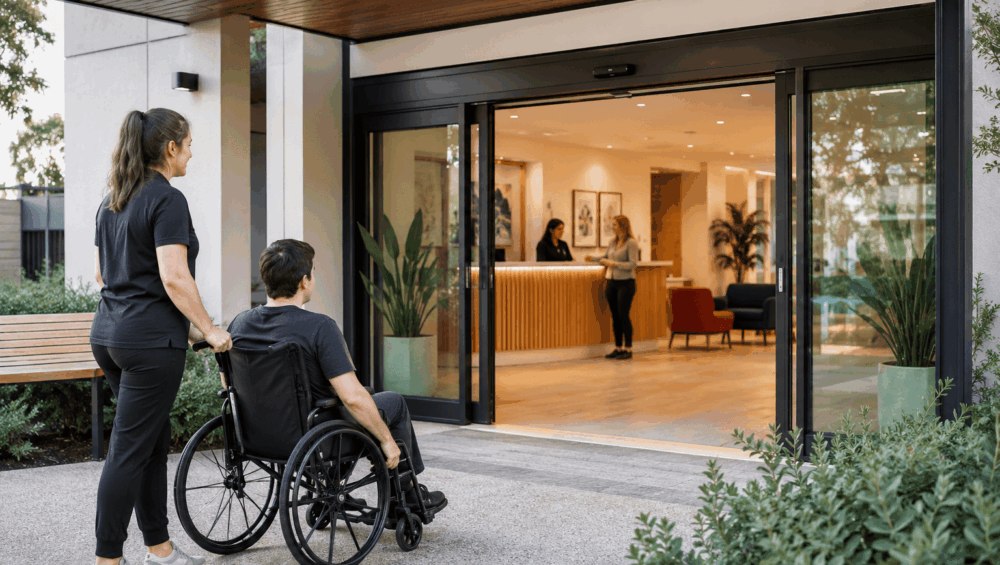
Creating welcoming, accessible environments is essential for therapy clinics and community centres. For many participants, therapists, and visitors, the arrival experience can shape how they feel before an appointment even begins. That is why automatic doors for NDIS therapy clinics are becoming a valuable upgrade. From reducing physical strain to improving safety and independence, automatic entry systems help make daily access smoother.
Modern automatic doors can also integrate with intercoms, access control systems, and wider smart building technology to help clinics manage security more efficiently. If your clinic or centre is planning an accessibility upgrade, DHS can help you explore tailored entrance automation solutions designed for Australian healthcare and community environments.
Why Entrance Accessibility Matters in NDIS-Focused Spaces
For NDIS-focused facilities, accessibility begins long before a therapy session or community activity starts. The entrance to a clinic or centre is often the first interaction participants and carers have with the environment.
Heavy manual doors, awkward entry points, or difficult access systems can create unnecessary stress, particularly for people using wheelchairs, walkers, or mobility scooters. Even for participants without physical mobility limitations, a difficult NDIS clinic entrance can increase anxiety, frustration, or feelings of dependence.
Automatic entry systems help create smoother and more dignified arrivals. Participants can move independently into the building without needing assistance, while carers and support workers can focus on helping individuals.
For therapists and clinic operators, accessible entrances also contribute to safer traffic flow and more efficient appointments. Clients arriving comfortably and on time help sessions run more smoothly throughout the day.
Community centres often experience varied foot traffic, including families with prams, elderly visitors, volunteers, and staff carrying equipment. Automatic doors for NDIS therapy clinics can improve convenience for all users while supporting inclusive access across the site.
Accessible, modern entry systems demonstrate that the organisation values inclusion, safety, and participant comfort. According to the National Disability Insurance Scheme (NDIS), home and environmental modifications can support greater independence and safety when appropriately planned around participant needs.
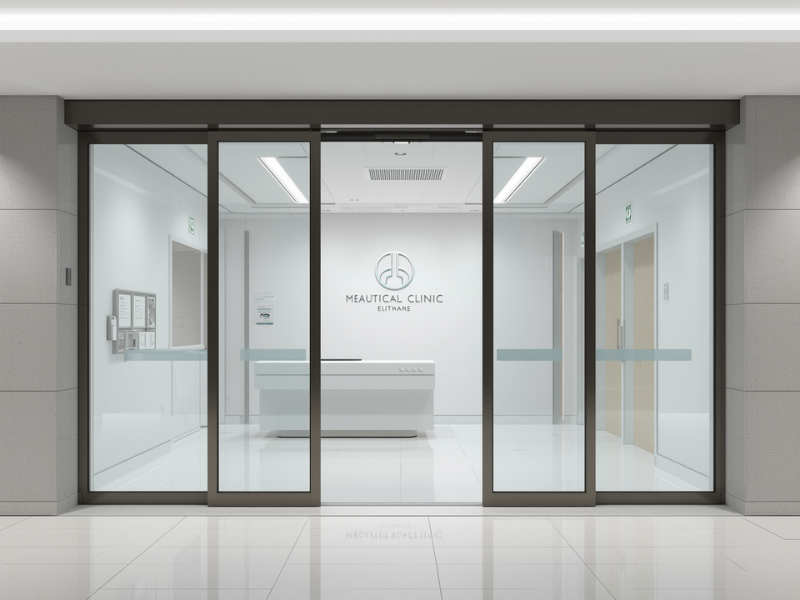
Common Access Challenges at Therapy Clinics and Community Centres
Many clinics and community facilities operate in buildings that were not originally designed with accessibility in mind. As a result, entrance areas can present practical challenges for participants, carers, and staff.
Heavy Manual Doors
Large entrance doors can be difficult to open for people with limited upper-body strength, arthritis, mobility impairments, or balance issues. Repeated strain can also affect carers and staff assisting multiple clients throughout the day.
Narrow Entry Points
Older clinics sometimes have narrow doorways that make manoeuvring wheelchairs, mobility scooters, or therapy equipment more difficult. Tight spaces can slow traffic flow and increase frustration during busy periods.
Awkward Handles and Hardware
Round knobs, stiff handles, or poorly positioned locks may be difficult for participants with dexterity limitations or limited grip strength. Even simple entry tasks can become barriers without accessible hardware.
Bad Weather Conditions
Rain, wind, and slippery entryways can create additional safety risks, especially when participants are trying to hold doors open while using mobility aids. Automatic doors for NDIS therapy clinics reduce the need for physical contact and improve smoother entry during poor weather.
Mobility Aids and Equipment
Therapy clinics regularly welcome clients using wheelchairs, walkers, crutches, and mobility scooters. Carers may also arrive carrying therapy tools, sensory equipment, or medical bags. Managing doors while handling equipment can quickly become impractical.
High-Traffic Entry Points
Community centres and busy clinics often experience heavy foot traffic during appointment changeovers, classes, or events. Manual doors can create bottlenecks, slow movement, and increase the risk of accidental collisions or congestion near entrances.
These access challenges may seem minor individually, but together they can significantly affect the facility’s overall usability and inclusiveness.
Where Automatic Doors Can Make the Biggest Difference
Automatic doors for NDIS therapy clinics can improve accessibility throughout many areas of a therapy clinic or community facility. Different spaces may benefit from different automation styles depending on traffic flow and operational needs.
- Main Entrances. Automatic sliding or swing doors at the primary entry point make it easier for participants, carers, visitors, and staff to arrive while improving overall community centre accessibility.
- Reception Access. Reception areas are often busy during appointment times. Automated entry helps reduce congestion and allows smoother movement into waiting areas.
- Therapy Room Entries. Some therapy rooms require easier wheelchair access or hands-free movement for participants using mobility aids or sensory equipment.
- Accessible Toilets. Automated toilet doors can enhance independence and dignity for participants who require accessible amenities, particularly in larger facilities.
- Community Activity Spaces. Multi-purpose rooms used for group programs, classes, or community events often experience high traffic and benefit from smoother access management.
- Back-of-House Staff Access. Staff-only areas can use automated access systems, combined with swipe cards, PIN entry, or smart access controls, to improve workflow and security.
By targeting the areas with the highest traffic or greatest accessibility needs, clinics can often achieve meaningful improvements without needing to automate every doorway in the building.
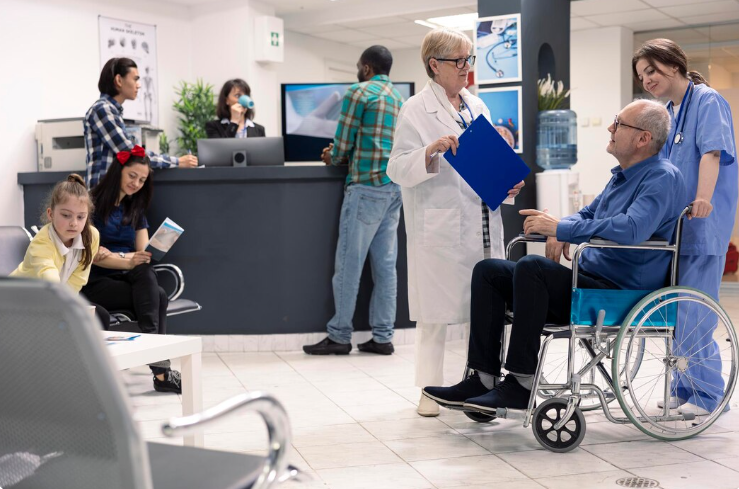
Benefits of Automatic Doors for NDIS Therapy Clinics
Therapy clinic automatic doors provide practical, operational, and accessibility benefits that extend well beyond convenience alone.
Improved Independence
Participants can enter and move through the facility with less reliance on carers or staff assistance. This supports dignity, confidence, and a more inclusive environment.
Reduced Physical Strain
Hands-free entry reduces physical effort for people who use mobility aids, carry equipment, or manage therapy materials. Staff also benefit from less repetitive strain during busy clinic hours.
Smoother Appointment Flow
Faster and easier movement through entrances can reduce delays, bottlenecks, and congestion during appointment changeovers or busy periods.
Better Staff Workflow
Clinic staff, therapists, and support workers often move between rooms carrying files, devices, or equipment. Automatic doors for NDIS therapy clinics improve efficiency and help maintain safer movement around the facility.
Safer Transitions
Automated entry systems can reduce sudden stops, awkward manoeuvring, or unsafe door handling that may increase the risk of trips, slips, or collisions.
Professional Client Experience
Modern entrance automation creates a welcoming and professional atmosphere for clients, carers, and visitors. It also demonstrates a visible commitment to accessibility and participant comfort.
In many clinics, automatic doors also support future-ready building upgrades by integrating with intercom and security systems, as well as broader smart building automation.
Read more: Automatic Doors For Mobility Aids | Safer & Easier Accessible Entry Solutions
Choosing the Right Automatic Door Setup for a Clinic or Centre
Different facilities require different entrance solutions depending on available space, building layout, traffic flow, and participant needs.
Sliding automatic doors are commonly used for main entrances because they provide wide, unobstructed access and work well in high-traffic environments. They are particularly useful where wheelchairs, mobility scooters, or prams regularly enter the building.
Swing door operators can be a practical option for smaller clinics or internal doorways where sliding systems are not suitable. These systems automate existing hinged doors while maintaining a familiar appearance.
Smart sensor activation allows doors to open automatically when movement is detected. This can improve convenience in busy entry points but requires careful sensor placement to avoid false triggers or unwanted operation.
Push-button activation offers more controlled operation and may suit internally accessible doors or lower-traffic areas. Large accessible push plates can improve usability for participants with mobility limitations.
Some clinics also integrate automatic doors with access control systems, swipe cards, or intercoms to improve security and manage restricted areas.
Low-energy automatic door systems are designed to operate at slower speeds and with reduced force, making them suitable for environments that prioritise safety and accessibility.
The best solution depends on the clinic’s specific needs, the building’s structure, and how participants and staff use the space daily.
Learn more: NDIS Friendly Entry Upgrades: Automatic Doors, Intercoms & Access Control
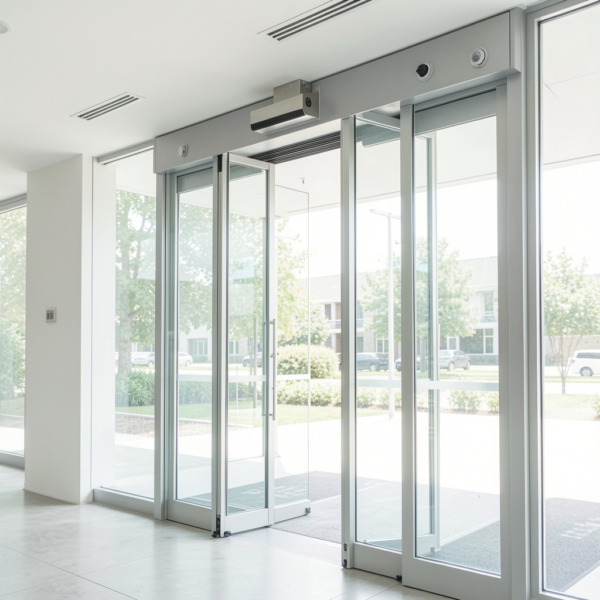
Accessibility, Safety and Compliance Considerations
When planning automatic doors for NDIS therapy clinics or community environments, accessibility and safety should always guide the design process.
A professional site assessment helps identify doorway dimensions, traffic flow patterns, clearance requirements, and potential hazards before installation begins. This ensures that the selected system suits both the building and its users.
Doorway width and surrounding clearances are particularly important for wheelchair users and participants using mobility aids. Proper spacing helps ensure safer, more comfortable movement through the entrance.
Sensor placement should be carefully planned to ensure doors open reliably without unexpected operation. Entry areas should also minimise slip risks through suitable flooring, drainage, and weather protection.
Emergency egress is another key consideration. Automatic doors should support safe evacuation pathways and continue to function appropriately during emergencies or power interruptions.
Important planning considerations may include:
- Doorway width and wheelchair clearance
- Sensor positioning and detection zones
- Safe opening and closing speeds
- Slip-resistant entry flooring
- Weather exposure and wind conditions
- Traffic flow during busy periods
- Emergency egress requirements
- Access control integration
- Ongoing servicing and maintenance access
Because every site is different, clinics should work with qualified automation professionals who understand accessibility-focused environments and Australian building requirements.
How Automatic Doors Support Staff, Carers and Visitors Too
While accessibility is often the primary reason for installing automated entry systems, the benefits extend to everyone using the facility.
Staff members carrying files, laptops, therapy tools, or medical equipment can move more efficiently throughout the building without stopping to manage heavy doors. This can improve workflow and reduce daily physical strain.
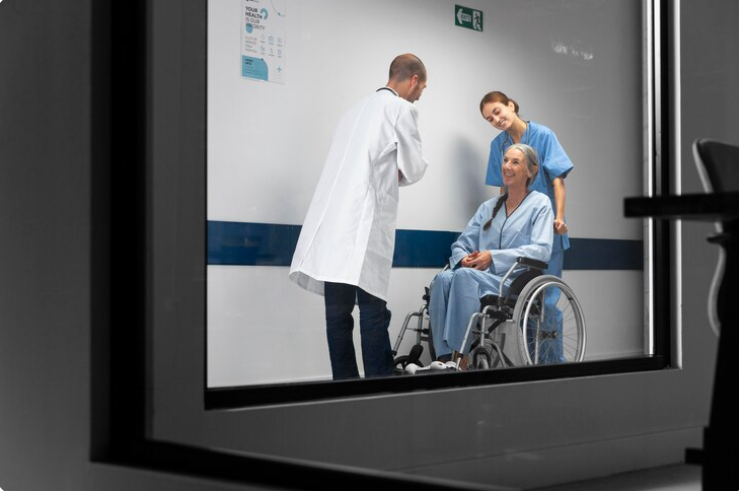
Carers and support workers also benefit when assisting participants through busy entrances or internal treatment areas. Hands-free access allows them to focus more fully on participant safety and comfort.
Visitors, volunteers, parents with prams, and elderly community members all experience easier movement through the site. In busy clinics or community centres, automatic doors can help create a calmer and more organised environment overall.
Rather than being viewed as a specialised accessibility feature, automatic doors for NDIS therapy clinics often become a practical whole-site improvement.
Planning an Upgrade Without Disrupting Clinic Operations
Careful planning can help clinics and community centres complete automation upgrades while minimising operational disruption.
- Conduct a Site Audit: Assess entrances, traffic flow, accessibility requirements, and operational priorities before selecting products.
- Choose Suitable Door Systems: Select door automation solutions that align with the building layout, participant needs, and expected daily usage.
- Schedule Installation Strategically: Plan installation during quieter periods, after hours, or as staged works to reduce disruption to appointments and programs.
- Train Staff on System Operation: Ensure staff understand how to operate, monitor, and safely manage the automated systems.
- Plan Ongoing Maintenance: Regular servicing helps maintain reliability, safety, and long-term performance.
- Allow for Future Integration: Consider whether the system may later integrate with access control, intercoms, or wider smart building technology.
With proper planning, many clinics can complete entrance upgrades smoothly while continuing normal operations.
Learn more: Creating Safer Home Entry For Disability Support | Fatigue-Friendly Access
FAQs
Are automatic doors suitable for small therapy clinics?
Yes. Many compact clinics use low-energy swing door operators or smaller sliding systems to improve accessibility without requiring major building changes or large entry areas.
Can automatic doors for NDIS therapy clinics be retrofitted to existing entrances?
In many cases, yes. Existing hinged or sliding doors can often be upgraded with automation systems, depending on the condition, size, and structure of the doorway.
What type of automatic door is best for a community centre?
The best option depends on traffic flow, available space, accessibility requirements, and building layout. Sliding doors are commonly used for busy public entrances.
Do automatic doors help people using mobility aids?
Yes. Automatic doors for NDIS therapy clinics reduce the physical effort required to enter buildings and improve safety for wheelchair users, walkers, mobility scooter users, and carers assisting participants.
Can automatic doors work with access control or intercom systems?
Yes. Many modern automatic door systems can integrate with swipe cards, keypads, intercom systems, and smart access control technologies for improved security and convenience.
Who should assess the site before installation?
A qualified automation or accessibility professional should assess the site to evaluate doorway suitability, safety requirements, traffic flow, and operational needs before installation.
In Conclusion
Creating accessible, welcoming environments is essential for modern healthcare, therapy, and community spaces. Well-designed automatic doors for NDIS therapy clinics and community centres can improve independence and create smoother experiences for participants, carers, staff, and visitors alike.
Whether you are upgrading an existing clinic or planning a new accessible community space, DHS can help you explore reliable entrance automation solutions tailored to your operational and accessibility needs.
Contact us today to discuss automatic door systems, intercom integration, and smart access solutions designed for Australian therapy clinics and community facilities.