When it comes to upgrading commercial security, many property owners and facility managers assume that improvement means a complete system overhaul. However, budgeting for alarm expansion offers a more practical and cost-effective alternative.
Replacing an entire alarm system can be disruptive and unnecessary if the existing setup still performs reliably. Instead, expanding your current system allows you to address specific vulnerabilities without discarding what already works.
By adopting a layered approach, businesses can integrate new technologies into their existing setup. This approach ensures improved protection while maintaining control over costs. In this guide, we’ll explore how budgeting for alarm expansion enables smarter, scalable upgrades for both operational needs and financial constraints.
Expand or Replace? How to Make the Smarter Call
Before committing to a major investment, evaluate whether your site truly needs a full replacement – or if budgeting for alarm expansion will deliver the results you need. In many commercial scenarios, expansion provides a more flexible and cost-effective path forward.
Expand commercial alarm systems if
- Your existing alarm panel is still functional and supported
If your current control panel continues to operate reliably and is compatible with add-on integrations, there’s no need to replace it. Many modern expansion devices are designed to work alongside legacy systems.
- Security gaps are mainly at the perimeter or external areas
If your vulnerabilities relate to outdoor coverage – such as blind spots, lack of visibility, or weak deterrence – these can often be resolved with targeted upgrades like sirens or external sensors, rather than a full system overhaul.
- You need to expand coverage across multiple zones or buildings
For businesses operating across large sites or multiple locations, expansion allows you to scale protection gradually. This is especially useful when you need to expand a commercial alarm system.
- Budget constraints require a staged approach
Instead of allocating a large upfront budget, expansion enables you to prioritise high-risk areas first and roll out improvements over time.
- Your system supports integration with newer technologies
If your setup can accommodate wireless protocols or modular upgrades, you can enhance functionality without replacing the core infrastructure.
Consider replacement if
- Your system is outdated or no longer supported
Legacy systems that cannot integrate with modern technologies will eventually limit your ability to improve security, making replacement unavoidable.
- Frequent faults or maintenance costs are increasing
If reliability is declining, ongoing repairs may become more expensive than investing in a new system.
- There is no integration pathway for modern devices
If your system cannot support wireless devices, automation, or remote monitoring, it may not meet current security expectations.
Many commercial sites sit comfortably in the “expand-first” category. For these environments, budgeting for alarm expansion provides a practical way to modernise security without unnecessary disruption.
Read more: Retrofit Apartment Entry Communication In Older Buildings With Limited Cabling
What Really Impacts the Cost of Alarm Expansion?
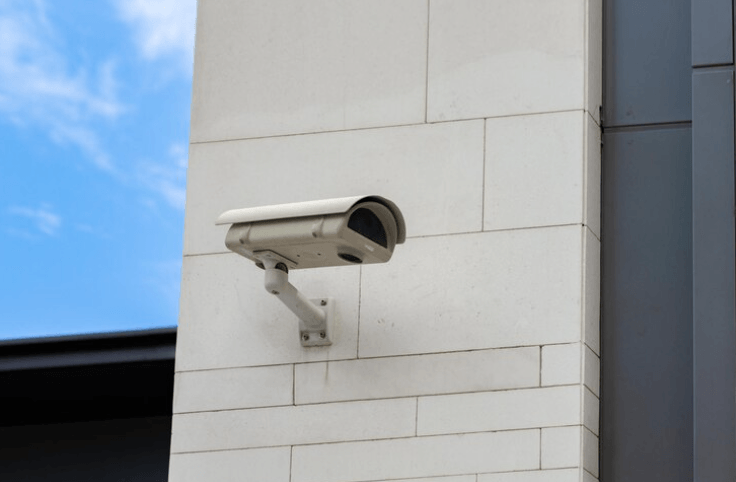
Understanding the true cost drivers is essential when budgeting for alarm expansion. It’s about how each component contributes to the overall system.
Hardware is often the most visible cost. This includes sensors, sirens, control modules, and other add-ons designed to enhance detection and response. However, integration costs can be just as high. If your system requires protocol upgrades or controller adjustments to support new devices, these changes can affect your budget.
Labour is another key factor. Traditional wired installations can be time-consuming and expensive, especially in large or complex commercial environments. This is where wireless technologies – particularly Z-Wave – offer a major advantage. By eliminating the need for extensive cabling, they significantly reduce installation time and cost.
The size and risk profile of your site also play a role. A large warehouse with multiple access points will require a different investment strategy compared to a small office.
Importantly, not all upgrades deliver equal value. High-visibility deterrents – such as an outdoor siren upgrade – often provide a strong return on investment by both preventing incidents and enhancing response effectiveness. Smart budgeting about prioritising upgrades that deliver the greatest impact per dollar spent.
Smart, Budget-Friendly Security Upgrades That Deliver Immediate Impact
When planning a staged security upgrade, focus on high-impact, cost-effective additions to get the most value from your investment. These upgrades can be implemented quickly and often deliver immediate improvements in both detection and deterrence.
Outdoor sirens (deterrence + visibility)
Outdoor sirens are among the most powerful yet cost-effective upgrades available. They provide an immediate audible and visual response when an alarm is triggered, drawing attention to the site and discouraging intruders from continuing their actions.
Beyond responding to incidents, their mere presence serves as a strong psychological deterrent. When installed in visible locations, they signal that the property is actively protected. This makes an outdoor siren upgrade an ideal first step in strengthening perimeter security.
Motion and multi-sensors
Motion sensors are essential for monitoring internal spaces, but modern multi-sensor devices take this a step further by combining multiple detection capabilities in a single unit. These may include motion, temperature, light, and even humidity sensing.
This multi-functionality reduces the need for multiple devices, lowering both hardware and installation costs. They are particularly useful in complex layouts with blind spots, allowing you to enhance coverage without redesigning the entire system.
Door/window and shock sensors
Entry points are among the most common targets for intruders, making them a priority in any upgrade plan. Door and window sensors provide immediate alerts when access points are opened, while shock sensors detect impact or tampering attempts before entry is even achieved.
These devices are ideal for retrofitting older buildings, as they can be added without major structural changes. Strengthening entry-point security is a simple yet highly effective way to expand a commercial alarm system.
Flood and environmental sensors
Commercial security isn’t limited to intrusion detection. Environmental risks – such as water leaks or flooding – can cause significant operational and financial damage.
Adding these sensors expands your system’s capabilities beyond security, helping to prevent costly incidents and downtime. This is particularly valuable for facilities such as warehouses, server rooms, and retail spaces with high-value inventory.
Panic buttons for staff
In environments where staff interact with the public – such as retail stores, healthcare facilities, or offices – panic buttons provide an essential safety measure.
These devices allow employees to trigger an alert instantly during emergencies, ensuring a rapid response from security teams or monitoring services. They are simple to install, easy to use, and add a critical layer of human safety to your system.
Together, these upgrades form a layered defence strategy. Rather than replacing your system, they allow you to strengthen it step by step – making budgeting for alarm expansion both practical and highly effective.

Why Staged Upgrades Make Financial Sense
A staged security upgrade approach is one of the most effective ways to manage costs while improving system performance. Instead of committing to a large upfront investment, businesses can spread expenses across multiple phases.
The first stage typically focuses on immediate vulnerabilities – such as perimeter security and entry points. This is where upgrades like outdoor sirens and door sensors deliver quick wins.
The second stage shifts attention to internal detection and automation. Adding motion sensors, environmental monitoring, and system triggers enhances overall coverage.
Finally, the third stage involves integration and optimisation – ensuring all devices work seamlessly together and provide actionable insights through monitoring platforms.
This phased approach offers several advantages. It reduces financial pressure by spreading costs over time, minimises disruption to daily operations, and allows businesses to evaluate performance before moving to the next stage.
For growing organisations or multi-site deployments, budgeting for alarm expansion through staged upgrades provides the flexibility needed to adapt as requirements evolve. It’s not a compromise – it’s a smarter way to invest in security.
Read more: Scaling Multi-Site Alarm System Across Commercial Clients
Planning Alarm Expansion Around Business Growth
One of the biggest mistakes businesses make when upgrading security systems and budgeting for alarm expansion is treating alarm expansion as a short-term fix rather than as part of a long-term operational strategy. As facilities grow, workflows change, staffing increases, and new access points are added, security requirements evolve.
For many commercial sites, the most cost-effective approach is not to replace the entire alarm infrastructure at once, but to design a staged expansion roadmap that supports future scalability. This is especially important for warehouses, offices, retail chains, medical facilities, and multi-building sites.
A well-planned alarm expansion strategy should account for future sensor additions, outdoor perimeter coverage, remote monitoring requirements, integration with access control systems, and smart automation capabilities. Wireless technologies such as Z-Wave make this significantly easier because additional devices can often be deployed without extensive rewiring.
Businesses should also consider how expansion affects monitoring workflows. For example, adding outdoor sirens and perimeter sensors may improve deterrence, while integrating flood or environmental sensors can reduce operational risk and insurance exposure.
Working with an experienced security integrator helps identify which components can be retained, which should be upgraded first, and how to avoid unnecessary infrastructure costs. In many cases, upgrading strategically in stages delivers stronger long-term value than committing to a full replacement immediately.
Read more: Perimeter Alarm Planning For Warehouses With Multiple Access Points
How Wireless Technology Transforms Budgeting for Alarm Expansion
Wireless solutions have become a key enabler for cost-effective upgrades, especially when budgeting for alarm expansion. By removing many of the traditional barriers associated with installation, they make it easier to enhance security without major disruption.
Key advantages of wireless integration
- No need for extensive rewiring. One of the biggest cost savings comes from eliminating the need for cabling. This significantly reduces labour time and avoids the challenges of working within finished or operational spaces.
- Faster and simpler installation. Wireless devices can often be installed and configured quickly, minimising downtime and allowing upgrades to be completed without interrupting business operations.
- Seamless integration with existing systems. Many wireless solutions are designed to work with compatible controllers, making it easier to add new devices.
- Scalability across sites and zones. Whether you’re expanding within a single building or across multiple locations, wireless systems make it easy to add new devices.
- Access to a broad ecosystem of devices. From sensors and sirens to automation tools, wireless protocols provide access to a wide range of compatible products.
Practical integration opportunities
By linking sensors directly to alarms and sirens, businesses can create immediate, coordinated responses to potential threats. For instance, motion or door sensors can instantly trigger an outdoor siren.
Beyond basic alerts, systems can also be configured to automate security responses, such as activating lights, sending notifications, or triggering multiple devices at once. Additionally, connecting the system to monitoring platforms enables remote access and control, allowing facility managers to receive real-time updates and respond quickly to any incidents.
By leveraging wireless technology, businesses can expand a commercial alarm system more efficiently and affordably. It removes many of the traditional limitations of upgrades within tight budgets.

A High-Impact Addition: Where the Vision Z-Wave Outdoor Siren Fits
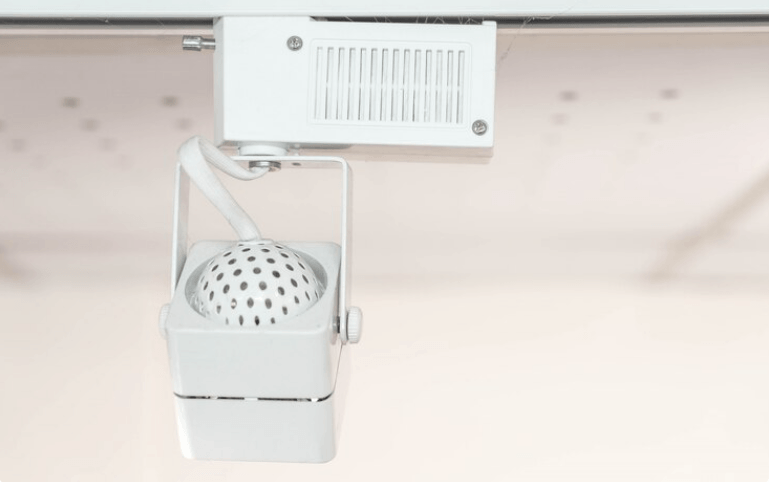
When evaluating upgrades, some devices offer disproportionate value compared to their cost – and the Vision Z-Wave Outdoor Siren is a perfect example.
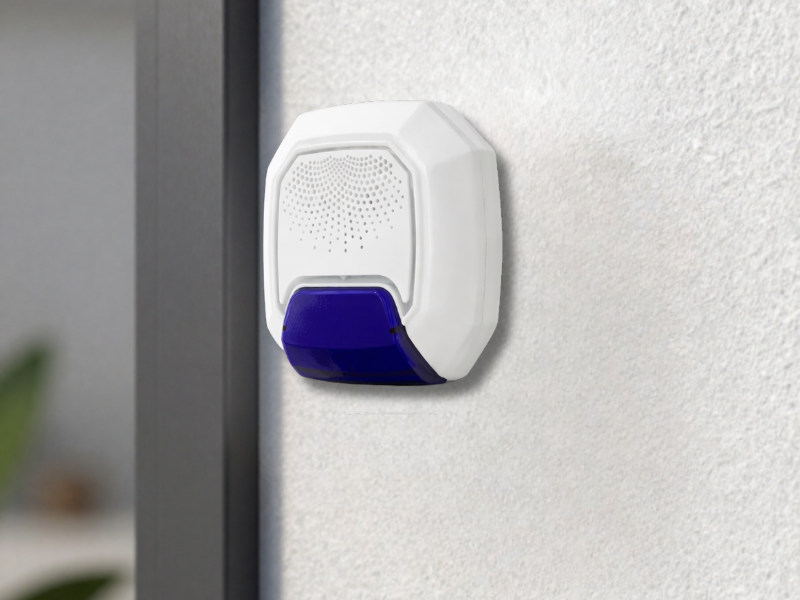
As part of a budgeting for alarm expansion strategy, this device delivers immediate benefits. Its powerful 115 dB siren and bright strobe light serve as a strong deterrent, alerting occupants and nearby individuals to potential threats. This visibility alone can significantly reduce the likelihood of incidents.
Because it’s fully wireless, installation is quick and cost-effective. There’s no need for complex wiring, making it ideal for retrofitting existing systems. Its long battery life also keeps maintenance costs low, supporting long-term efficiency.
Additional features – such as tamper alerts and seamless integration with Z-Wave systems – enhance overall security coverage. It doesn’t just add functionality; it amplifies the effectiveness of your existing setup.
In a staged upgrade plan, this type of outdoor siren upgrade is often best implemented early. It strengthens perimeter defence and works in conjunction with sensors and alarms.
Upgrade Your Commercial Alarm System Without Overspending
At its core, budgeting for alarm expansion is about making strategic decisions. It’s about recognising that you don’t need to replace your entire system to achieve meaningful improvements.
By focusing on targeted upgrades, adopting a staged approach, and leveraging wireless technology, businesses can enhance their security without overspending. Innovative devices like outdoor sirens, sensors, and panic buttons are small additions with a significant impact.
Digital Home Systems helps installers, integrators, and businesses design scalable security solutions using modern wireless technologies, outdoor sirens, smart sensors, and integrated alarm platforms. Explore our alarm siren solutions or contact our team to discuss the best upgrade path for your site.
Ready to upgrade without overspending? Contact us today and request technical support for your next alarm expansion project.
Frequently Asked Questions
Is it cheaper to expand or replace a commercial alarm system?
In many cases, expanding an existing alarm system is more cost-effective than a full replacement, especially if the core infrastructure remains reliable. Wireless technologies can significantly reduce installation costs and downtime.
What is the biggest cost factor in alarm expansion?
Labour and cabling infrastructure are often the highest costs in traditional alarm upgrades. Wireless alarm devices help reduce these expenses by minimising the need for rewiring.
Can wireless alarm devices integrate with older systems?
Yes, many modern wireless devices can integrate with compatible legacy systems using gateways, smart controllers, or hybrid alarm platforms.
How do I know if my current alarm system can be expanded?
A professional security assessment can determine whether your existing control panel, communication protocols, and infrastructure support expansion.
Are outdoor sirens worth budgeting for alarm expansion?
Outdoor sirens provide strong visual and audible deterrence, helping discourage intrusions before they escalate. They are often one of the highest-impact additions for commercial sites.
What types of businesses benefit most from staged alarm upgrades?
Warehouses, retail stores, offices, medical facilities, schools, and multi-site commercial operations often benefit from phased security upgrades, as they enable expansion without major operational disruption.