As smart homes evolve from simple convenience upgrades into fully integrated living environments, window automation has become one of the most important design decisions homeowners can make. Two solutions dominate this space: motorised windows vs motorised blinds. Both can be integrated into a smart window control system, yet they serve very different purposes.
Choosing the wrong one can lead to missed energy savings, unnecessary costs, or automation that feels limited rather than intelligent. This buyer’s guide will help you understand the real differences between motorised windows vs motorised blinds, evaluate which solution fits your needs, and decide whether a combined approach is the smartest investment for long-term automation.
Quick Answer – Motorised Windows vs Motorised Blinds: Which Is Better?
If you’re deciding between motorised windows and motorised blinds, the best option depends on your primary goal and the type of property you have.
Motorised windows are the better choice if your priority is natural ventilation and cooling. By automatically opening and closing, they help regulate airflow, reduce indoor heat, and improve air quality. This makes them particularly effective in warmer climates or in homes where passive cooling is important.
Motorised blinds, on the other hand, are more effective for blocking heat, controlling sunlight, and improving privacy. They are also easier to install in existing homes, as they do not require structural changes. For most homeowners looking for a quick and cost-effective upgrade, motorised blinds are usually the more practical solution.
If you are building a new home or planning a high-end smart home system, combining both motorised windows and blinds often delivers the best results. This allows you to manage both airflow and solar heat gain, creating a more efficient and comfortable indoor environment.
In short, choose motorised windows for ventilation, motorised blinds for light and heat control, and consider using both for a fully automated solution.
Understanding Motorised Windows
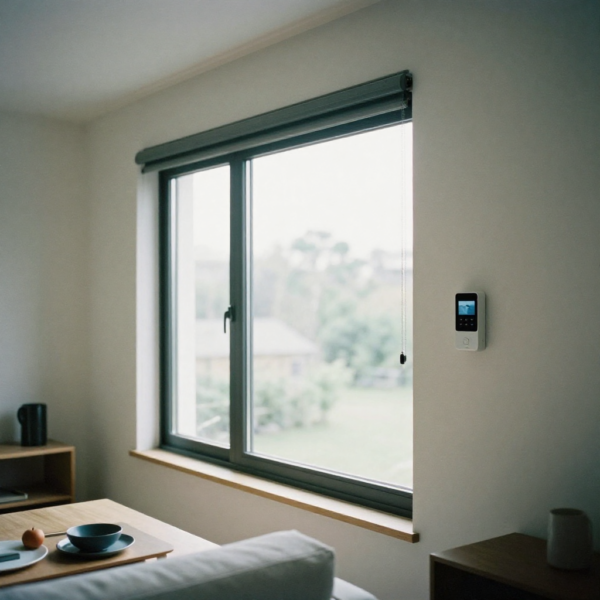
Motorised windows, also called automated windows, use electric actuators to open and close windows automatically. They are commonly installed in modern architectural homes, particularly where ventilation, passive cooling, or hard-to-reach windows are involved.
Within a smart window system, automated windows primarily manage airflow. They allow fresh outdoor air to replace warm or stale indoor air when conditions are favourable, reducing reliance on mechanical cooling.
Motorised windows are especially valuable in homes designed with sustainability and natural ventilation in mind.
When integrated into a smart window system, automated windows respond to a range of sensor inputs. These may include indoor temperature, outdoor temperature, air quality levels, wind speed, rain detection, and security status.
For example, a smart window system may open windows automatically in the evening when outdoor temperatures drop below indoor levels. As conditions change, the system closes windows again to maintain comfort and security.
This automation allows motorised windows to deliver value consistently, not just when someone remembers to open them.
Understanding Motorised Blinds
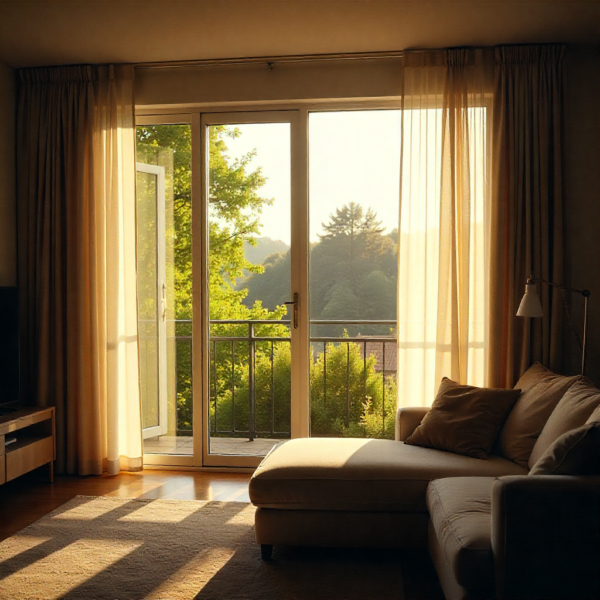
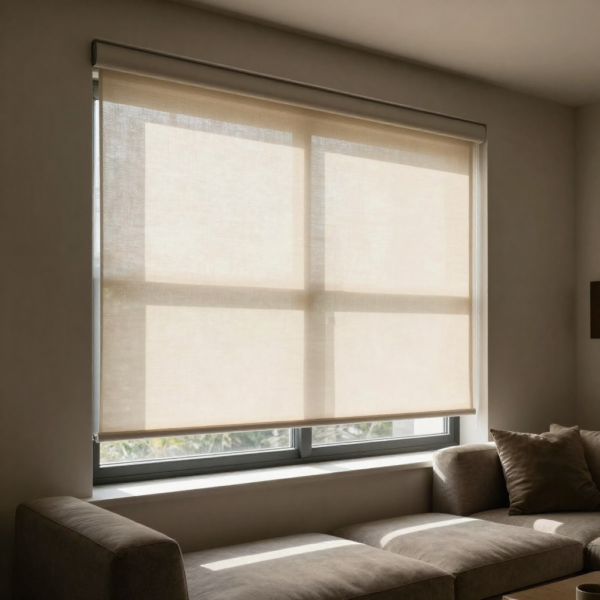
Motorised blinds, also called automated blinds, automate the control of sunlight rather than airflow. By raising, lowering, or tilting blinds automatically, they manage glare, privacy, and solar heat gain without opening the window itself.
Motorised blinds are one of the most popular components of a smart window system because they deliver immediate comfort improvements and are relatively easy to install.
They are particularly effective in homes with large glass areas or strong sun exposure.
Within a smart window system, motorised blinds are typically controlled using light sensors, sun-tracking algorithms, time schedules, or indoor temperature thresholds.
During peak sunlight hours, the smart window system automatically lowers the blinds to block excess heat and glare. As the sun moves or light levels drop, blinds adjust to allow natural light back into the space.
This proactive shading strategy reduces cooling demand and improves visual comfort throughout the day.
Buyer Consideration #1: Energy Efficiency
Energy efficiency is one of the main reasons buyers invest in a smart window system. However, motorised windows vs motorised blinds achieve energy savings in different ways.
Energy Efficiency with Motorised Windows
Motorised windows improve energy efficiency by enabling natural ventilation. When outdoor air is cooler than indoor air, opening windows allows heat to escape without using air conditioning.
In a smart window system, this process is automated, ensuring ventilation occurs only when beneficial. This can significantly reduce cooling energy consumption in suitable climates.
However, in hot conditions where outdoor air remains warm, automated windows may provide limited benefit.
Energy Efficiency with Motorised Blinds
Motorised blinds improve energy efficiency by preventing heat from entering the home. By blocking direct sunlight, they reduce solar heat gain and stabilise indoor temperatures.
A smart window system ensures blinds are adjusted at the right time of day, maximising energy savings without sacrificing daylight.
In many climates, automated blinds deliver more consistent energy performance than motorised windows alone.
Buyer Consideration #2: Climate and Location
Climate plays a major role in determining how effective a smart window system will be.
In hot climates where outdoor air remains warm throughout the day and night, motorised blinds are often the more effective solution. Blocking solar heat provides immediate and reliable benefits.
In temperate or coastal climates, where evenings are cooler, motorised windows can be extremely effective when controlled by a smart window system. Night-time ventilation becomes a powerful cooling strategy.
In variable climates, combining automated windows and automated blinds allows the smart window system to adapt automatically to seasonal conditions.
Buyer Consideration #3: Comfort and Lifestyle
Comfort is about more than temperature alone. Light quality, air freshness, privacy, and noise all influence how a space feels.
Electric blinds provide predictable visual comfort. They eliminate glare, maintain consistent lighting, and preserve privacy without manual adjustment. For many households, this type of automation feels intuitive and effortless.
Electric windows improve comfort by refreshing indoor air and reducing stuffiness. When managed by a smart window system, ventilation becomes automatic and consistent rather than sporadic.
The better solution between motorised windows vs motorised blinds depends on which aspects of comfort matter most to you.
Motorised Windows vs Motorised Blinds: Key Comparison
| Feature | Motorised Windows | Motorised Blinds |
|---|---|---|
| Primary Function | Ventilation & airflow control | Light blocking & heat control |
| Cooling Effect | ⭐⭐⭐⭐ – Allows natural airflow and reduces indoor heat | ⭐⭐ – Blocks sunlight but doesn’t improve airflow |
| Heat Reduction | ⭐⭐⭐ – Indirect (via ventilation) | ⭐⭐⭐⭐⭐ – Directly blocks solar heat gain |
| Energy Efficiency | High in well-ventilated homes | High for insulation and shading |
| Installation Complexity | High – requires structural integration | Low – easy retrofit for existing homes |
| Best for New Builds | ✅ Yes | ✅ Yes |
| Best for Existing Homes | ❌ Limited | ✅ Ideal |
| Cost Range | $$$$ (higher upfront cost) | $$–$$$ (more affordable) |
| Maintenance | Moderate (mechanical + weather exposure) | Low |
| Smart Home Integration | Advanced (often integrated with full systems) | Easy (works with most smart hubs) |
| Privacy Control | Limited | Excellent |
| Weather Protection | Must be managed carefully | Strong (can block sun, glare, UV) |
Real-Life Scenarios: When to Choose Motorised Windows vs Motorised Blinds
Choosing between motorised windows vs motorised blinds becomes much easier when you look at real-world use cases. Different property types and environments require different solutions.
Hot Climate Homes (e.g. Australia, coastal areas)
In warmer climates, managing indoor temperature is a top priority. Motorised windows can help release trapped heat by improving natural ventilation during cooler evenings. However, during peak sunlight hours, heat gain through windows becomes a major issue.
In this case, motorised blinds are often more effective during the day, as they block direct sunlight and reduce indoor heat buildup. The most efficient solution is often a combination of both: blinds to block heat during the day and automated windows to ventilate the space when temperatures drop.
Apartments and Urban Living
For apartments or properties in dense urban areas, installing motorised windows may not always be practical due to building restrictions. Noise, pollution, and safety concerns can limit how often windows are opened.
Motorised blinds are usually the better option in these environments. They provide excellent control over privacy, glare, and sunlight without requiring structural changes. They also integrate easily with existing smart home systems, making them a convenient upgrade.
New Builds and Smart Homes
If you are building a new home or designing a fully integrated smart home system, motorised windows offer greater long-term value. They can be built into the design from the outset and integrated with climate control systems to enable automated airflow management.
However, adding motorised blinds alongside windows creates a more complete solution. This allows the system to respond dynamically to both temperature and sunlight, improving comfort and energy efficiency.
Renovations and Retrofit Projects
For existing homes, motorised blinds are typically the most practical choice. They can be installed without major structural work and provide immediate benefits in terms of comfort and energy savings.
Motorised windows, while beneficial, are usually more complex and expensive to retrofit. Unless major renovations are already planned, blinds offer a faster and more cost-effective solution.
High-End Homes and Luxury Projects
In high-end residential projects, the goal is often to achieve both performance and comfort. In these cases, combining motorised windows and blinds delivers the best results.
Windows manage airflow and indoor air quality, while blinds control light, privacy, and heat. Together, they create a fully automated environment that adapts to changing conditions throughout the day.
Cost Considerations for Buyers
The upfront cost of motorised windows vs motorised blinds varies depending on scale, brand, and integration level.
Electric windows generally involve higher installation and system costs, particularly when integrated into a full smart window system.
Electric blinds are more affordable and scalable, making them attractive to buyers seeking immediate benefits with a lower initial investment.
Cost should always be evaluated alongside comfort, energy savings, and future expandability.
Who Should Choose Automated Windows?
Automated windows are ideal for buyers who:
-
Are building or renovating
-
Live in suitable climates
-
Value natural ventilation
-
Want advanced architectural integration
-
Plan to invest in a comprehensive smart window system
Who Should Choose Automated Blinds?
Automated blinds are ideal for buyers who:
-
Want reliable solar control
-
Need glare and privacy management
-
Are retrofitting an existing home
-
Prefer simpler automation
-
Want strong ROI with lower complexity
The Best Buyer Decision: Combining Both
In many high-performance homes, the best solution is not to choose one option, but to combine both motorised windows vs motorised blinds in a single smart window system.
Blinds manage sunlight during the day, while windows handle ventilation when conditions allow. The smart window system decides which strategy is most effective at any given time.
This layered approach delivers the highest level of comfort, efficiency, and automation maturity.
Final Verdict: Which Should You Choose?
There is no universal winner between motorised windows vs motorised blinds. Each plays a different role within a smart window system.
Motorised blinds deliver consistent solar control and easy automation. Motorised windows provide powerful ventilation and passive cooling when conditions are right. Together, they form an intelligent system that adapts automatically to climate, time, and lifestyle.
For buyers seeking long-term value, the smartest investment is not a single product, but a well-designed smart window control system that brings all elements together.