
In today’s world of modern architecture and smart technology, every small detail contributes to the comfort and atmosphere of a space. From the lighting to the air quality, everything is designed to create an experience. However, one element often overlooked in quiet or luxurious environments is the sound of a door. The loud slam or mechanical hum of a traditional door opener can disrupt peace and focus. That is why many establishments are turning to quiet automatic door openers or silent door openers — advanced systems designed to open and close doors smoothly, efficiently, and almost noiselessly. These systems not only improve accessibility but also elevate the ambience of any environment where silence, professionalism, and comfort matter.
What Is a Silent Door Opener?
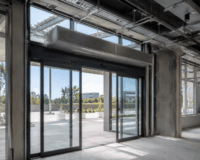
A quiet automatic door opener is a motorised mechanism that opens and closes a door automatically while minimising sound and vibration. Unlike traditional systems that use noisy gears or chains, silent openers often use brushless DC motors, belt drives, and vibration-dampening technology to ensure near-silent movement. They can be installed on swing doors, sliding doors, or folding doors, making them versatile for a wide range of applications.
In essence, a silent door opener combines automation with acoustic comfort — delivering effortless access without disturbing the environment’s peace. The smooth motion, soft start, and soft stop technology make these systems especially suitable for locations where silence and elegance are equally important.

A silent door opener isn’t just an ordinary automatic door motor with reduced sound. It’s a combination of smart engineering and acoustic control. The system usually uses a brushless DC motor, which eliminates the friction and electrical noise found in older motors. Instead of chain or gear drives, most silent openers rely on belt-drive systems or low-friction mechanisms that allow the door to glide effortlessly. They also use advanced sensors, vibration-absorbing mounts, and microprocessors that manage smooth acceleration and deceleration. The result is a door that opens with precision and closes gently, without the jarring noise associated with traditional systems.
In modern buildings, silent door openers are often integrated with broader systems such as access control and smart home automation. This allows doors to operate seamlessly within a connected environment, improving both convenience and security.
Why Silence Matters in Shared Environments

Libraries: Spaces of Focus and Calm
Libraries represent calm, study, and contemplation. Patrons visit to read, research, and think — all activities that depend on an undisturbed environment. A noisy door can interrupt concentration and disrupt the peaceful rhythm of a library. Installing a silent door opener helps maintain the stillness that encourages focus. Whether at the main entrance, between reading rooms, or at study areas, quiet automation provides a seamless experience that supports the library’s core purpose.
Hotels: Comfort, Privacy, and Luxury
In the hospitality industry, silence is synonymous with comfort. Guests expect tranquillity in their rooms and public areas. A clattering or banging door in the hallway can easily disturb sleep and diminish the guest experience. Silent door openers eliminate these disturbances, offering smooth transitions between spaces — from lobby entrances to guest room corridors or spa doors. For high-end hotels, the quiet operation of every component reinforces the brand’s attention to detail and luxury.
Meeting Rooms: Professionalism and Focus
In offices or conference centres, every sound can be a distraction. A door opening loudly during a presentation or video conference can break concentration and affect productivity. Quiet automatic door openers allow people to enter and exit discreetly, ensuring meetings proceed smoothly. These openers also integrate with smart systems, enabling hands-free access, occupancy control, and scheduling — features that enhance efficiency and silence.
Key Features to Look For
When choosing the right silent door openers, it’s essential to evaluate several performance and design features:
-
Noise Rating: Look for systems specifically marketed as “low-noise” or “silent.” Many top-tier openers operate below 45 decibels — about the sound of a quiet conversation.
-
Motor Type: Brushless DC motors are ideal because they are smoother and quieter than brushed motors.
-
Drive System: Belt drives and soft-close mechanisms help prevent the “click” or “slam” that can occur at the end of a closing cycle.
-
Door Compatibility: Consider whether you are using swing doors, sliding doors, or double doors, and ensure the operator supports your door’s size, material, and weight.
-
Vibration Control: Some models include anti-vibration mounting brackets to prevent mechanical sound transmission through the wall or floor.
-
Smart Integration: Modern systems often include wireless controls, keycard access, motion sensors, or remote management — ideal for hotels and offices.
-
Safety Features: Look for automatic stop or reverse mechanisms if an obstacle is detected, plus battery backup and fire compliance certifications.
-
Durability: Choose models rated for at least 500,000 open/close cycles for heavy-use environments.
-
Aesthetics: For hotels and modern libraries, a sleek, minimal operator housing that blends into the door frame can make a huge visual difference.
How to Choose the Right Silent Door Openers
To find the perfect fit for your application, start by identifying where and how the door will be used. A library entrance with heavy foot traffic requires a more robust system than a small meeting room door. Similarly, a hotel guest corridor might need motion sensors and access control features integrated into the system.
Here’s a simple step-by-step approach:
-
Define the environment: Determine how often the door will be used and how sensitive the surrounding space is to noise.
-
Measure door specifications: Know your door’s width, weight, and material.
-
Set a noise goal: For libraries, aim for ultra-silent models under 45 dB. For hotels and offices, up to 55 dB may be acceptable.
-
Select control options: Choose between motion sensors, push buttons, or card readers depending on the location.
-
Check compliance: Make sure the product meets local safety and accessibility standards.
-
Budget accordingly: While silent models are slightly more expensive than standard openers, they provide a superior return on investment through guest satisfaction, reduced maintenance, and better building performance.
Which Silent Door Opener Should You Choose?
Choosing the right silent door opener is not simply about selecting the quietest model. The most suitable system depends on how the space is used, how often the door is used, and the level of control required.
In environments such as libraries or study areas, the primary concern is maintaining an undisturbed atmosphere. In these settings, ultra-quiet sliding door systems are often the best choice, as they provide smooth, almost frictionless movement. Their design allows for continuous use without disrupting concentration.
For hotels, the focus shifts toward balancing silence, aesthetics, and user experience. Swing door openers with soft-start and soft-close functionality are commonly used in guest corridors and internal access points. These systems ensure that doors open and close gently, avoiding sudden noise while maintaining a premium feel.
In office and meeting room environments, flexibility and integration become more important. Silent door openers that can connect with access control systems, motion sensors, or scheduling systems provide added convenience. This allows doors to operate automatically during meetings or restricted hours without manual intervention.
For commercial entrances or high-traffic areas, durability should not be overlooked. Heavy-duty silent operators are designed to handle frequent use while maintaining low noise levels. These systems are particularly suitable for buildings where performance and reliability are important.
Recommended Product Types
Quiet Swing Door Openers
These are ideal for meeting rooms and hotel corridors. They feature smooth, slow-moving arms and soft-stop technology that prevents impact noise. Some models also support both manual and automatic operating modes, providing flexibility during maintenance or power outages.
Silent Sliding Door Operators
Perfect for library entrances or conference areas with glass partitions, silent sliding systems use belt drives and rubber rollers to achieve nearly frictionless movement. They take up less space, add a modern aesthetic, and operate quietly and efficiently.
Heavy-Duty Commercial Silent Operators
For main entrances or double glass doors in hotels, heavy-duty openers with advanced DC motors and noise-reducing gears provide reliable performance even during high traffic hours. These models often include wireless connectivity, safety sensors, and soft-closing control to minimise disturbance.
Compact Automatic Door Kits for Retrofitting
If you’re upgrading an existing door, compact retrofit kits can be added to transform it into a silent automatic door without extensive structural work. These are excellent for small libraries or meeting rooms where simplicity and cost-efficiency are key.
Installation and Maintenance Tips
Proper installation has a huge impact on noise levels. Before fitting the opener, ensure the door is well-balanced, hinges are lubricated, and the frame is secure. A misaligned or heavy door will make even the quietest motor noisy. Use anti-vibration mounts or rubber spacers to prevent motor noise from transferring into the wall or ceiling.
Adjust the opening and closing speeds for the environment — slower operation is usually quieter. For libraries, set the door to open and close gradually. For hotel entrances, a moderate speed ensures both convenience and silence.
Regular maintenance is also crucial. Dust buildup on tracks, worn rollers, or loose screws can cause additional sound. Schedule periodic checks to clean sensors, tighten fittings, and inspect belts or gears. A well-maintained door will continue to operate silently for years.
Practical Examples
Libraries: A sliding glass door with a silent motor allows visitors to move between reading rooms without creating noise. Automatic motion sensors ensure the door opens only when needed, minimizing unnecessary movement and maintaining air stability in quiet areas.
Hotels: In premium hotels, installing silent swing door operators in corridors or spa entrances elevates the luxury experience. Guests appreciate the seamless, soundless motion that reflects attention to detail and comfort.
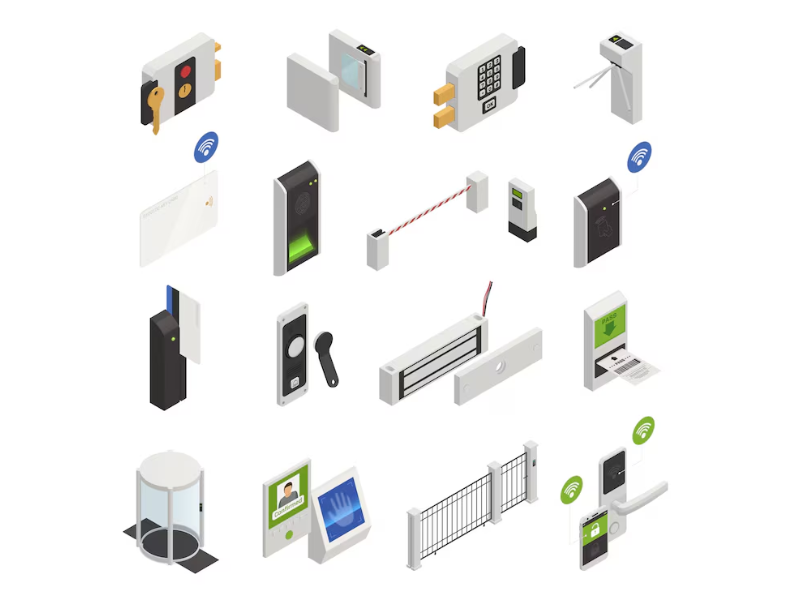
Meeting Rooms: In corporate environments, silent automatic doors eliminate distractions during presentations or video conferences. The system can be integrated with access control, ensuring only authorized personnel can enter without disrupting the flow of meetings.
Get full installation guidance for quiet automatic door openers in high-traffic environments.
Cost of Silent Door Openers in Australia
The cost of silent door openers in Australia can vary depending on the type of system, installation complexity, and level of automation required. While these systems are generally more expensive than standard door openers, they offer long-term value.
For smaller applications such as meeting rooms or low-traffic areas, basic silent door opener systems typically range from AUD $800 to $2,000. These solutions are suitable for retrofit projects requiring minimal structural changes.
In mid-range commercial environments, including offices and hotel interiors, costs typically range from AUD $2,000 to $3,500. These systems often include enhanced features such as soft-close technology, motion sensors, and integration with access control systems. The additional investment reflects both improved performance and greater flexibility in daily operation.
For high-end or heavy-duty applications, such as hotel entrances or large public spaces, the cost can exceed AUD $4,000. These advanced systems are designed for continuous use and typically include premium components such as brushless DC motors, advanced vibration control, and smart system integration. While the upfront cost is higher, these systems deliver superior durability and long-term reliability.
It is also important to consider installation and maintenance costs. More complex systems may require professional installation and periodic servicing to ensure optimal performance.
When evaluating cost, it is best to consider the overall value rather than focusing solely on the initial price. A well-designed silent door opener system can significantly improve both the functionality and atmosphere of a space.
Common Mistakes to Avoid
-
Underestimating door weight: Choosing a motor not rated for your door’s size will increase noise and wear.
-
Skipping vibration isolation: A quiet motor can still transmit sound through the frame if mounted directly to a wall or metal structure.
-
Ignoring routine maintenance: Dirt and loose hardware are major causes of unwanted noise.
-
Improper speed settings: Setting the door to move too fast or slam shut can generate unwanted impact sounds.
-
Using residential units in commercial spaces: Always select a model rated for your usage frequency and environment.
Conclusion
Silent or quiet automatic door openers are one of the most impactful yet underappreciated upgrades you can make in modern buildings. They enhance accessibility, preserve quietness, and project a sense of quality and sophistication that users immediately notice. Whether you manage a library that demands silence, a hotel that prioritizes guest comfort, or a meeting space that values focus and professionalism, choosing a quiet automatic door opener ensures smooth, seamless, and silent operation.
In the end, a silent door isn’t just about convenience — it’s about respect for the environment it serves. When the door opens without a sound, everyone can stay focused on what truly matters.