
Repeated after-hours intrusions are a clear warning sign that something is wrong with your security setup. In a warehouse, office, retail space, or industrial facility, recurring incidents often lead to theft, vandalism, and even rising insurance premiums. What starts as a one-off event can quickly turn into a pattern.
Effective security upgrades for after hours intrusions focus on identifying weak points and strengthening them with smarter, more proactive systems. Instead of simply reacting after the fact, modern solutions are designed to prevent incidents before they escalate. They give you control, visibility, and peace of mind.
Why Repeat Intrusions Happen: Uncovering the Weak Points
To make effective security upgrades for after hours intrusions, first, we need to understand why intrusions keep happening. Most sites experiencing repeat incidents share similar vulnerabilities.
- Delayed detection systems – Many traditional systems only trigger alarms after an intruder has already gained entry. This delay gives offenders time to act before any response begins.
- Lack of visible deterrents – Sites without obvious security features – such as external sirens, lighting, or signage – often appear to be easy targets. Intruders tend to avoid locations that look actively protected.
- Poor perimeter control – Gaps in fencing, unsecured gates, or weak access points make it easier for unauthorised individuals to enter without being noticed.
- No escalation path in alarm systems – A single alarm event without layered responses (such as lighting, sirens, or alerts) often isn’t enough to deter determined intruders.
- Limited system integration – When sensors, alarms, and access control systems operate independently, they can’t respond in a coordinated way.
Intruders are opportunistic. If they can access a site once without consequence, they’re far more likely to return. From their perspective, it becomes a low-risk, high-reward scenario.
That’s why security upgrades for after hours intrusions should focus on eliminating these weaknesses and making your site less appealing to a target.

From Reactive to Proactive: Rethinking Your Security Strategy
Traditional security systems are often reactive: they record events, trigger alarms, and notify stakeholders after something has already gone wrong. While this can help with evidence collection, it doesn’t stop the intrusion itself.
A proactive approach, on the other hand, is designed to prevent incidents from happening in the first place. This shift is at the heart of modern security upgrades for after hours intrusions.
A strong proactive strategy is built around four key principles:
- Detection – Identifying threats as early as possible
- Deterrence – Discouraging intruders from proceeding
- Delay – Slowing down unauthorised access
- Response – Acting quickly and effectively
By layering these elements, you create a system that interrupts intrusion attempts before they escalate. For example, detecting movement at the perimeter can instantly trigger a siren and lights. This often causes the intruder to leave before any damage is done.
Instead of simply documenting incidents, proactive systems reduce the likelihood of their occurrence.
Core Security Upgrades for After Hours Intrusions
If you’re dealing with repeated incidents, move beyond quick fixes and consider a structured upgrade plan. The following solutions form the foundation of effective security upgrades for after hours intrusions.
Smart perimeter sensors
Sensors are your first line of defence in security upgrades for after hours intrusions. Motion detectors, vibration sensors, and door/window contacts can identify suspicious activity before an intruder even enters the building.
When placed strategically around entry points and vulnerable areas, these devices provide early detection, giving your system time to respond immediately.
Read more: Perimeter Alarm Planning For Warehouses With Multiple Access Points
Outdoor siren deterrence
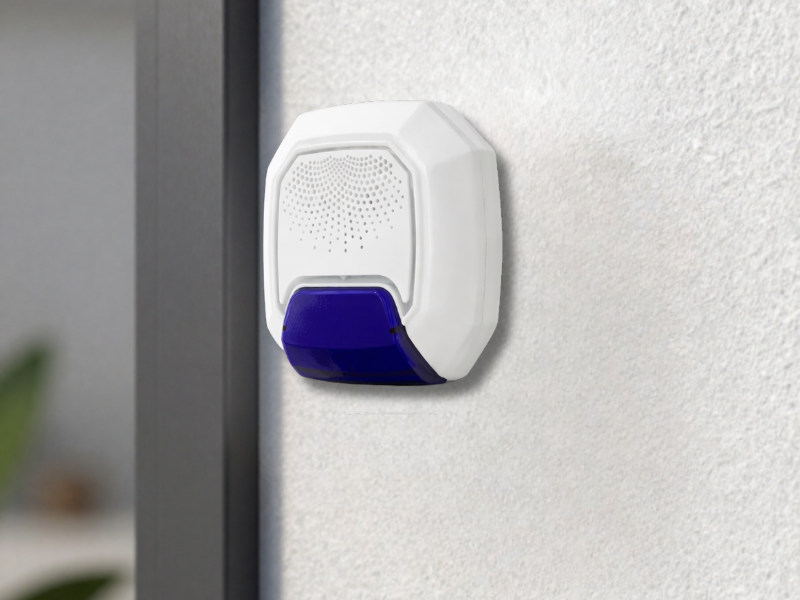
A powerful outdoor siren is one of the most effective deterrents available. Loud audible alarms combined with flashing visual strobes create immediate attention and discomfort for intruders.
This type of outdoor siren deterrence works on a psychological level – most offenders will abandon their attempt rather than risk being seen or caught.
Automated gates and access control
Controlling entry points is critical in security upgrades for after hours intrusions. Automated gates and smart access systems allow you to restrict access after hours, schedule lock times, and even manage entry remotely.
By eliminating easy access, you reduce the chances of unauthorised entry.
Read more: Access Control Integration Systems: Complete Guide For Smart Security & Alarm Automation (2026)
Smart intercom systems
For sites that require occasional after-hours access, intercom systems add a layer of verification. Instead of granting access blindly, you can confirm identities before allowing entry.
This is especially useful for mixed-use facilities or sites with multiple users.
Integrated automation platforms
The real power of modern security lies in integration. Platforms that use technologies like Z-Wave enable all devices, including sensors, sirens, lights, and access controls, to work together seamlessly.
This enables automated workflows such as: Sensor triggered → Siren activated → Lights on → Notification sent
When systems communicate and respond as one, your security becomes faster, smarter, and far more effective.
Together, these site security upgrades create a layered defence that addresses every stage of an intrusion attempt.
How Outdoor Sirens Influence Intruder Behaviour
One of the most overlooked aspects of security is human psychology. Intruders look for easy opportunities. Quiet, dark, and unnoticed environments are ideal for them.
This is where outdoor sirens make a significant impact. A high-decibel alarm paired with a flashing strobe instantly changes the situation. Instead of operating in silence, the intruder is exposed, disoriented, and under pressure.
Modern solutions like the Vision Z-Wave Outdoor Siren are designed specifically for this purpose. With a powerful 115 dB alarm and bright visual alerts, it elicits an immediate, unmistakable response.
Because it’s wireless and easy to integrate into existing systems, it’s a practical upgrade for many sites. Its weather-resistant design also ensures reliable performance in harsh outdoor conditions of Australian environments.
Most importantly, sirens don’t just alert – they deter.
When combined with sensors, they activate within seconds of detecting unusual activity. This rapid response is often enough to stop intrusions before they escalate.
In the context of security upgrades for after hours intrusions, outdoor sirens are one of the simplest yet most effective ways to change intruder behaviour.
Read more: Outdoor Siren Value For Commercial Clients: How Monitoring Providers Present It
Building a Fast and Effective Intrusion Response Workflow
Even the best equipment won’t deliver results without a well-planned response workflow. The goal is to ensure every detection triggers an immediate and coordinated reaction.
A typical automated response chain might look like this:
- Trigger: Detection event
Everything begins with accurate and timely detection. Sensors placed around the perimeter or at key entry points detect unusual activity, such as motion, vibration, or unauthorised access. Early detection gives your system a crucial head start before an intruder can move deeper into the site.
- Immediate response
As soon as a threat is detected, the system should react instantly. This typically includes activating an outdoor siren and switching on external or internal lighting. The sudden noise and visibility create immediate pressure on the intruder, often causing them to abandon the attempt.
- Notification
At the same time, alerts are sent to the relevant people – site managers, security personnel, or a monitoring service. These notifications should be real-time and accessible via mobile devices, ensuring that someone is always aware of what’s happening.
- Access control reaction
Smart access systems can automatically respond by locking gates, restricting internal movement, or isolating certain areas. This adds another layer of protection by physically limiting where an intruder can go.
- Verification
Finally, cameras or intercom systems allow for quick verification of the situation. Instead of guessing whether an alert is genuine, you can visually confirm the threat and decide whether to contact authorities or dismiss a false alarm.
Speed is critical across every stage. The faster your system detects, reacts, and communicates, the less opportunity an intruder has to act. A well-designed after hours intrusion response actively disrupts and prevents incidents in real time.
Read more: Apartment Gate Automation Systems: Intercom Gate Door Release Workflow Guide (2026)
Planning Your Security Upgrades for After Hours Intrusions: Where to Start First
Upgrading your security system doesn’t have to be overwhelming. In fact, taking a staged and strategic approach often delivers better results than trying to change everything at once.
When planning security upgrades for after hours intrusions, it’s important to focus on the areas that will have the greatest immediate impact.
- Prioritise high-risk entry points
Start by identifying where intrusions have already occurred or are most likely to occur. This might include back entrances, loading docks, side gates, or poorly lit areas. Strengthening these points first ensures you’re addressing the most vulnerable parts of your site.
- Focus on visibility and deterrence
Visible security measures can be just as important as detection. Add outdoor sirens, lighting, and clear warning signage. This alone can deter opportunistic intruders, as they are far less likely to target a location that appears to be monitored.
- Ensure compatibility and integration
Rather than installing standalone devices, choose systems that can work together as part of a unified solution. Integrated platforms in your security upgrades for after hours intrusions allow sensors, alarms, and access control to communicate and respond automatically.
- Plan for scalability
Your security needs may evolve over time, especially as your business grows or site usage changes. Selecting systems that can be easily expanded ensures you won’t need to start from scratch later.
- Work with experienced professionals
Partnering with certified installers or trusted distributors can make a significant difference. They can assess your site, recommend the right technologies, and ensure everything is configured correctly. This reduces the risk of gaps or inefficiencies in your system.
Case Study Example – Upgrading Security After Repeated Warehouse Intrusions
A medium-sized warehouse facility experienced multiple after-hours intrusion attempts over a six-month period. While the existing alarm system successfully generated alerts, the site continued to suffer perimeter breaches due to the absence of visible deterrents or automated response mechanisms.
The business initially relied on internal motion detectors and CCTV recording systems. However, by the time monitoring personnel reviewed footage or security staff arrived on-site, the intruders had already entered and exited the property.
To strengthen the site’s security posture, the integrator implemented layered security upgrades for after hours intrusions:
- Outdoor Z-Wave sirens positioned near loading bays and side access points
- Smart perimeter motion sensors for early detection
- Automated gate access control with remote management
- Integrated alarm workflows linked to mobile notifications
- Smart lighting automation triggered during intrusion events
Once deployed, the upgraded system immediately improved deterrence visibility across the property. If perimeter sensors detected movement after hours, the outdoor sirens activated automatically while the site lighting illuminated key access areas. At the same time, alerts were sent directly to management and monitoring personnel.
The result was a significantly faster response workflow and a stronger psychological deterrent for potential intruders. The business reduced incidents of repeated intrusion while improving staff confidence and overall site visibility.
This type of layered security approach is increasingly common across warehouses, offices, retail facilities, and commercial sites looking to move from reactive monitoring toward proactive intrusion prevention.
Choosing the Right Commercial Security Upgrades
Not every business requires the same level of security infrastructure. The right commercial security upgrades for after hours intrusions depend on several operational and environmental factors, including property size, risk exposure, access patterns, staffing hours, and existing infrastructure.
For businesses experiencing perimeter breaches or attempted break-ins, outdoor deterrence solutions should typically be prioritised first. Outdoor sirens, perimeter sensors, and automated lighting provide visible and audible responses that can deter intruders before entry.
Sites with multiple access points or frequent contractor activity may benefit more from integrated access control systems. Automated gates, smart credentials, and remote management tools allow businesses to better manage who can enter the property after hours while maintaining audit trails for security investigations.
Warehouses, retail facilities, and multi-building commercial sites often benefit from integrated automation platforms that unify alarms, sensors, cameras, and notifications into a single workflow. This reduces response delays and improves situational awareness during incidents.
When planning upgrades, businesses should also consider future scalability. Wireless technologies such as Z-Wave can simplify expansion without extensive cabling, making it easier to add additional sensors, sirens, or automation devices as security requirements evolve.
The most effective security systems are designed as part of a coordinated strategy rather than isolated device installations. By combining detection, deterrence, automation, and access control, businesses can create a more resilient after-hours security environment.
Turning Vulnerable Sites Into Secure Environments
Repeated break-ins are a sign that your site is an easy target. The good news is that this can be changed.
With the right security upgrades for after hours intrusions, you can shift from being vulnerable to being highly resistant. Facing early detection, strong deterrence, and automated response, intruders are far more likely to avoid your site.
Solutions such as outdoor sirens, smart sensors, automated gates, and integrated platforms work together to form a comprehensive defence system. Instead of reacting after damage is done, you’re actively preventing incidents. If you’re ready to take the next step, explore integrated smart security solutions through DHS.
Digital Home Systems provides integrated commercial security and alarm solutions designed to improve intrusion prevention, perimeter protection, and after-hours response workflows.
From outdoor sirens and smart sensors to access control and automation platforms, our solutions help installers, integrators, and businesses build smarter, layered security systems for commercial environments.
Contact the DHS team to discuss the right upgrade strategy for your next project.
FAQs
What are the best security upgrades for after hours intrusions?
The most effective upgrades typically include outdoor sirens, perimeter sensors, access control systems, automated lighting, and integrated alarm automation platforms. Layered systems provide better deterrence and faster response times.
How do outdoor sirens help prevent break-ins?
Outdoor sirens create immediate audible deterrence when suspicious activity is detected. They increase visibility, disrupt intruders, and alert nearby staff, security personnel, or occupants.
What is a layered commercial security system?
A layered security system combines multiple technologies such as alarms, access control, sensors, intercoms, cameras, and automation workflows to improve overall protection and reduce single points of failure.
Are wireless security upgrades suitable for commercial buildings?
Yes. Modern wireless technologies such as Z-Wave can support scalable commercial security deployments while reducing installation complexity and retrofit costs.
What businesses benefit most from after-hours intrusion upgrades?
Warehouses, retail stores, offices, construction sites, workshops, storage facilities, and multi-tenant commercial buildings commonly benefit from improved after-hours security systems.


1 Comment
[…] common risk scenarios such as after-hours warehouse break-ins, unauthorised access to construction sites, or trespassing in industrial yards. In these […]