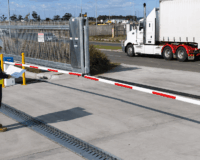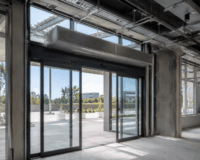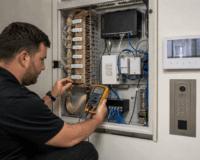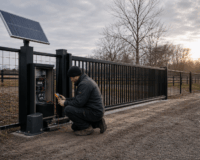
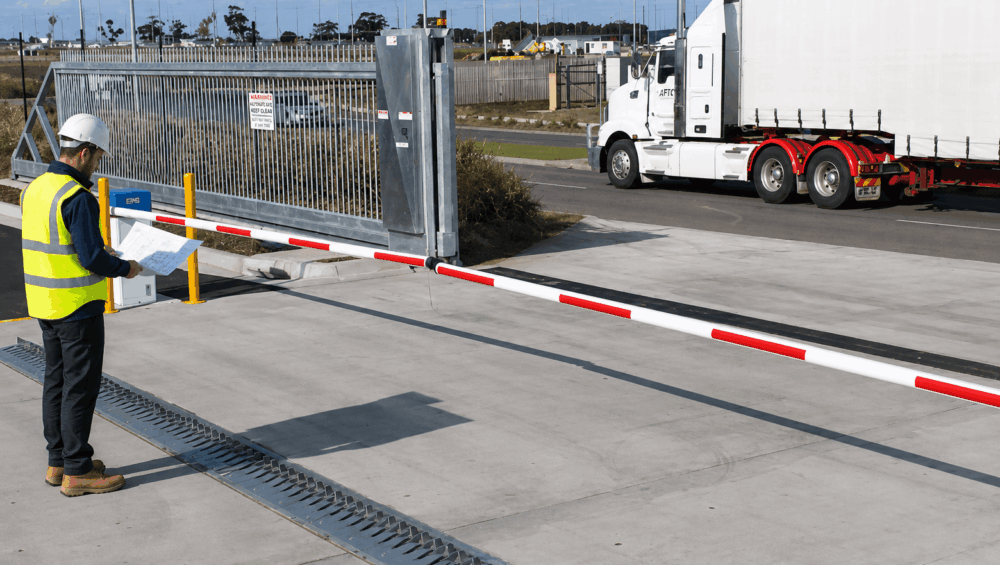
Boom gates have become one of the most common vehicle access solutions for commercial buildings, including commercial car parks. They provide reliable traffic control while integrating with access control systems and modern security infrastructure.
However, accurately estimating commercial boom gate installation cost involves much more than selecting a boom gate operator and barrier arm. For estimators, one of the biggest risks is underquoting when project documentation simply shows a boom gate symbol without defining the surrounding infrastructure or operational requirements.
This guide provides a practical framework for preparing preliminary budgets while identifying the hidden costs that often emerge later in the project. Keeps reading!
Defining the Boom Gate Scope Before Pricing
Before selecting equipment, estimators should clearly understand what the boom gate is expected to achieve. Defining the operational scope early helps prevent costly variations and ensures the proposed solution matches the client’s operational requirements.
A few key questions should be answered before pricing begins:
- Is the project for entry control, exit control or both?
- How many traffic lanes require engineering entrance automation?
- Will residents, staff, visitors and delivery vehicles use different access methods?
- Will entry and exit barriers operate independently or as a coordinated system?
- Is the boom gate connecting to an existing access control system or a completely new installation?
- Will the system be managed locally, remotely or by reception staff?
Regarding lane dimensions, the boom arm length, expected traffic volume, operating frequency and available clearance around the cabinet all influence equipment selection.
It is also essential to determine whether the boom gate forms part of a larger integrated project. Many commercial developments combine boom gates with intercoms, CCTV, licence plate recognition, access control and building management systems. These integration requirements affect both equipment selection and commissioning time.
The required security level is equally important. A simple traffic management barrier at a staff car park requires different hardware and programming compared with a high-security commercial entrance designed to prevent tailgating or unauthorised vehicle access.
Read more: Australian Standards for parking facilities
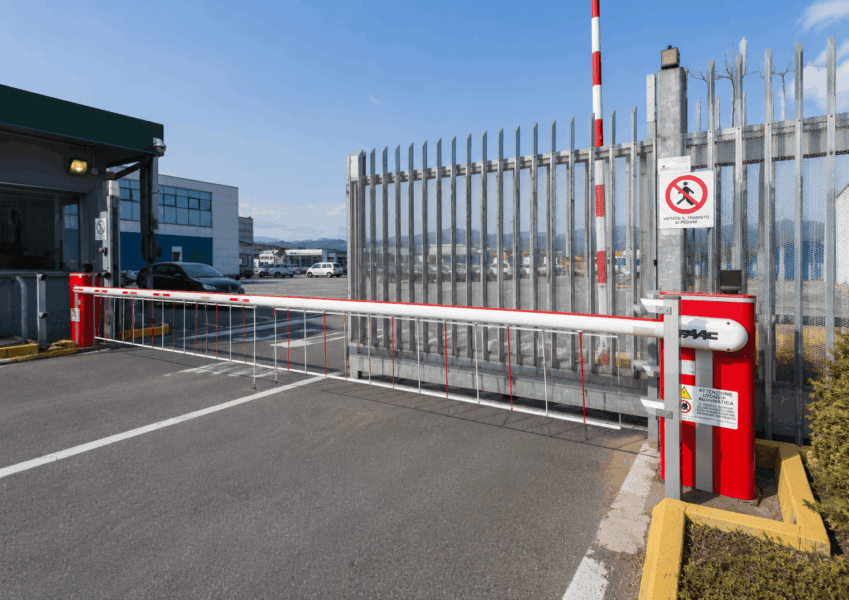
Core Equipment Included in a Commercial Boom Gate Budget
Every commercial project begins with the equipment package, but many quotations overlook accessories that are essential for safe and compliant operation.
Typical equipment allowances for the commercial boom gate installation cost include:
- Boom gate operator and barrier arm. The operator should be selected according to arm length, opening speed, operating cycles and expected daily vehicle movements. High-traffic sites require commercial-duty operators capable of continuous operation.
- Arm supports, skirts and protective accessories. Longer boom arms often require end supports or articulated configurations to maintain stability. Protective padding, warning signage and skirts may also be specified to improve visibility and pedestrian safety.
- Safety photocells and presence sensors. These devices detect vehicles or pedestrians within the operating area, helping prevent the barrier from closing on an obstruction.
- Vehicle detection systems. Induction loops remain the most common solution for vehicle presence detection and automatic exit control, although radar and above-ground sensors are increasingly used where cutting finished pavement is undesirable.
- Remote controls and manual operation devices. Depending on the project, users may require remotes, key switches, push buttons or manual release mechanisms for emergency operation.
- Battery backup and emergency systems. Battery backup allows operation during power failures, while emergency release mechanisms ensure vehicle access if electrical faults occur.
- Access control interfaces. Communication modules allow integration with card readers, smartphone access, licence plate recognition, intercom systems and central management software.
Although two boom gate operators may appear similar on a specification sheet, their duty cycles can differ significantly. A low-volume private office entrance may only require occasional operation, whereas hospitals, distribution centres and high-density apartment developments demand equipment designed for frequent cycling throughout the day.
Longer barrier arms also increase mechanical loading and may require reinforced components or additional supports. Wind exposure can further limit permissible arm lengths and operating speeds.
Rather than allowing only for the operator itself, estimators should list every required accessory separately to ensure supplier quotations remain directly comparable.
Main Cost Breakdown for a Commercial Boom Gate Installation
A realistic budget should separate each major work package instead of relying on a single lump-sum allowance. This approach provides greater pricing transparency and reduces the likelihood of missing important project components.
Equipment Supply
Equipment normally includes the boom gate operator, barrier arm, mounting hardware, safety devices and all required control accessories.
Rather than selecting the least expensive operator, estimators should consider lane width, anticipated operating cycles, security requirements and desired opening speed. Higher-quality operators generally provide greater reliability, especially on busy commercial sites.
Optional items such as illuminated boom arms, folding arms for low-clearance areas, protective skirts, battery backup and enhanced control devices should be clearly identified as separate cost items.
Concrete Foundations and Protective Infrastructure
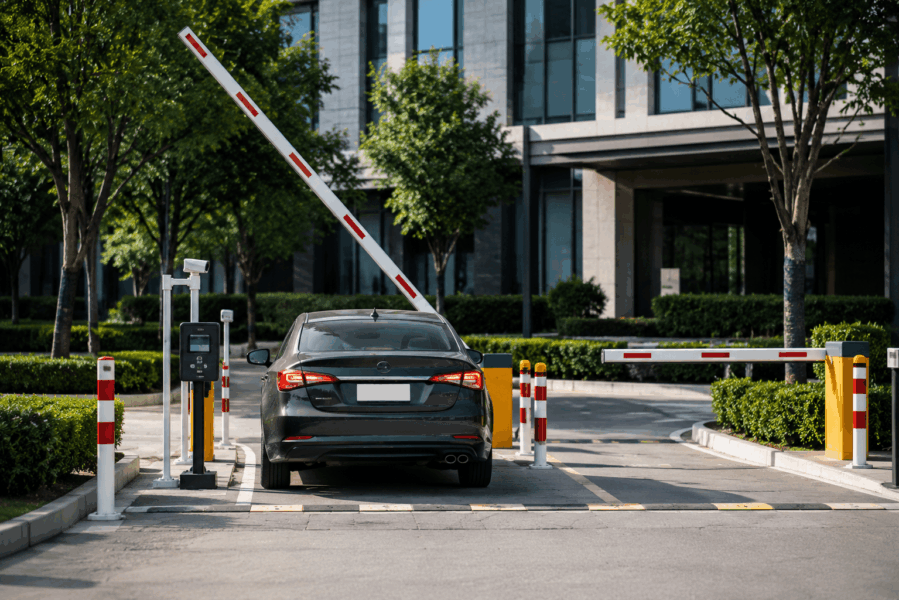
Most boom gate cabinets require reinforced concrete footings designed to suit the manufacturer’s installation requirements. Civil works may include excavation, reinforcement, concrete placement, anchor bolts and equipment mounting. Depending on site layout, protective bollards or raised traffic islands may also be required to shield the cabinet from accidental vehicle impacts.
It is important to establish whether these works fall under the builder’s scope or the automation contractor’s responsibility to avoid duplicated or omitted allowances.
Electrical Supply and Underground Conduits
Each boom gate requires a compliant electrical supply, together with underground conduits for both power and communication cabling. Infrastructure may include new switchboard circuits, isolation switches, weatherproof junction boxes, network cabling and conduits linking multiple barrier locations.
Where trenching is required through completed asphalt or concrete, installation costs can increase substantially compared with projects where conduits are installed during early construction.
Access Control and Intercom Integration
Many commercial boom gates operate as part of a larger security solution rather than as standalone barriers. Entry may be authorised using proximity cards, key fobs, smartphone credentials, PIN keypads, licence plate recognition or visitor intercoms, with each access method requiring different hardware, cabling and software configuration.
Estimators should also confirm which contractor is responsible for supplying and programming the access control platform. In some projects, the boom gate contractor only provides a dry-contact interface, while another specialist completes the access control programming. Clarifying these responsibilities early helps avoid overlap, additional labour and commissioning delays.
Labour, Programming and Commissioning
Installation costs extend well beyond mounting the boom gate cabinet. Labour should include mechanical installation, electrical wiring, alignment of the boom arm, installation of accessories, controller programming, safety testing and final commissioning.
Commissioning often requires additional time where multiple barriers operate together or integrate with third-party systems such as access control, CCTV or building management platforms. In addition, testing should always be carried out under normal operating conditions to verify reliable vehicle detection and correct interaction with other systems before handover.
Traffic Management and Site Access
Installation within operating commercial car parks often presents additional logistical challenges, such as temporary lane closures, traffic controllers, after-hours work, spotters and temporary vehicle diversions. These elements may all be required to maintain safe vehicle movement during installation.
These costs are particularly relevant for hospitals, shopping centres, apartment buildings and logistics facilities where vehicle access cannot simply be suspended during construction.

Project Conditions That Increase Installation Costs
Even when identical boom gate equipment is specified, site conditions can significantly affect the final commercial boom gate installation cost.
Some of the most common cost drivers include:
- Long or wide traffic lanes – Longer boom arms may require upgraded operators, reinforced hardware or revised lane layouts.
- High operating cycles – Busy commercial entrances require heavy-duty operators designed for continuous operation and faster opening speeds.
- Finished road surfaces – Cutting existing asphalt, decorative paving or concrete increases labour and reinstatement costs.
- Limited electrical infrastructure – New switchboard circuits, extended cable runs and network upgrades often add substantial infrastructure costs.
- Multi-system integration – Combining boom gates with intercoms, CCTV, access control, licence plate recognition or building management systems increases programming and coordination.
- Restricted installation hours – Night works, weekend access and staged construction frequently increase labour costs.
- Harsh environmental conditions – Coastal environments, strong winds and constant sun exposure may require upgraded finishes or specialised equipment.
- Complex traffic management – Dual barriers, traffic lights, anti-tailgating systems and vehicle counting introduce additional devices and programming.
These variables should ideally be identified during the tender review or site inspection rather than being hidden within a general contingency allowance.
How Estimators Can Build a More Reliable Commercial Boom Gate Installation Cost Allowance
Preparing reliable estimates for commercial boom gate installation cost becomes much easier when the budget is divided into logical work packages instead of relying on a single boom gate allowance. A practical budgeting structure includes:
- Boom gate equipment supply
- Safety and vehicle detection devices
- Access control interfaces
- Electrical and communication infrastructure
- Concrete and civil works
- Mechanical and electrical installation
- Programming and commissioning
- Traffic management
- Documentation and training
- Contingency or provisional sums
This approach makes supplier comparisons much more transparent. One quotation may include vehicle loops, commissioning and access control wiring, while another may only cover the barrier itself.
A written responsibility matrix should also identify which contractor is responsible for electrical supply, concrete foundations, conduits, network connections, access control programming and road-surface reinstatement.
Where project documentation remains incomplete, provisional sums supported by clearly documented assumptions provide greater pricing accuracy than simply increasing equipment margins.
Working with experienced automation specialists during the tender stage also helps confirm operator sizing, integration requirements and realistic installation allowances before the final budget is submitted. Whether the project is a standalone boom gate or part of larger gate & door solutions, early technical input often prevents expensive variations later.
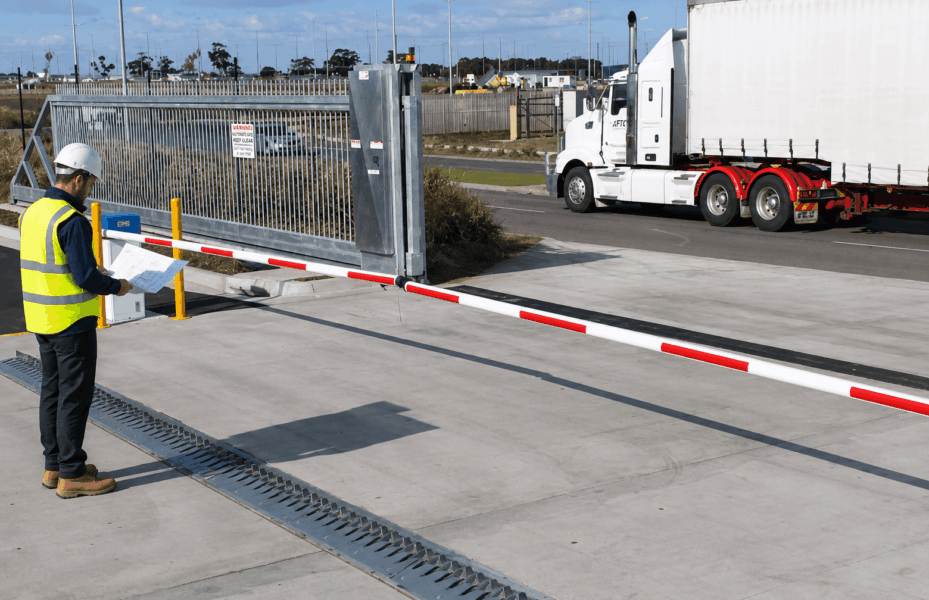
In Conclusion
Understanding commercial boom gate installation cost requires more than simply pricing a boom gate operator. Successful estimates account for equipment selection, civil works, electrical infrastructure, vehicle detection, access control integration, commissioning and site-specific conditions that influence both labour and materials.
For estimators, separating each work package and clearly defining contractor responsibilities creates more accurate budgets and fewer unexpected variations during construction.
If you’re preparing a commercial tender or need expert advice on boom gate automation, Digital Home Systems can assist with system design, equipment selection, integration planning and complete commercial vehicle access solutions. Our team works with builders, estimators, electricians and project managers to deliver reliable, scalable boom gate systems tailored to each project’s operational and security requirements. Contact us now!
Frequently Asked Questions
What is normally included in a commercial boom gate installation cost?
A standard allowance generally includes the boom gate operator, barrier arm, standard controls, installation, programming and commissioning. Civil works, power supply, access control integration and traffic management may be priced separately depending on project scope.
Does a boom gate require vehicle detection loops?
Vehicle loops are commonly used for safety, vehicle presence detection and automatic exit operation. However, radar and above-ground detection systems may be suitable alternatives where cutting the pavement is not practical.
Is an entry boom gate more expensive than an exit boom gate?
Not necessarily. Entry barriers often require readers, intercoms or licence plate recognition, while exit barriers may rely solely on vehicle detection. The required access method usually has a greater impact on cost than whether the barrier is positioned at the entry or exit.
Who should provide the concrete footing and electrical supply?
Either the builder or the automation contractor may provide these works, but responsibility should always be clearly defined within the project scope before pricing begins.