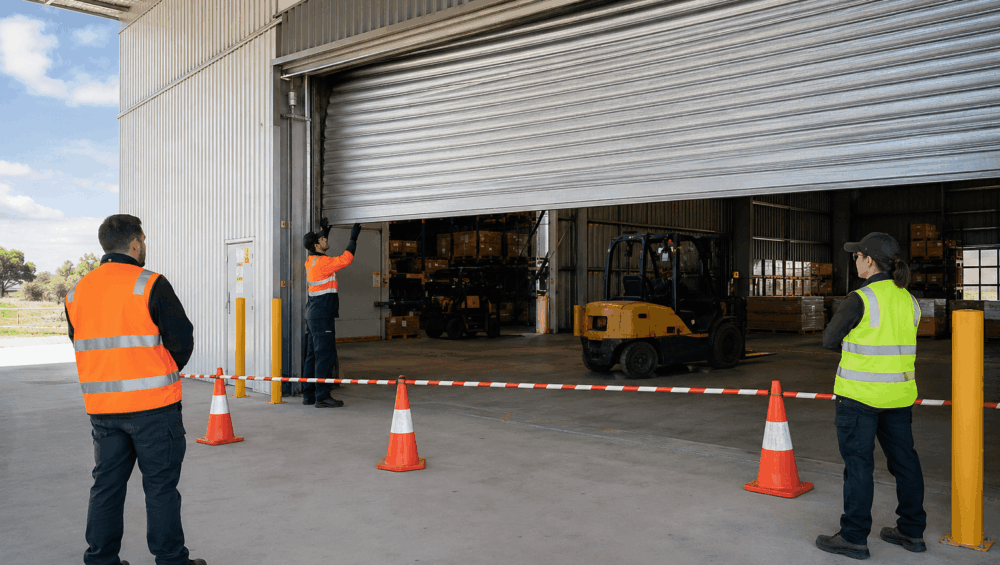
Warehouse roller doors play a critical role in maintaining site security and ensuring smooth daily operations. When a roller door jams, the consequences can be immediate. Deliveries may be delayed, and security vulnerabilities may emerge within minutes. In many cases, incorrect troubleshooting or repeated attempts to force the door open can cause additional damage. That’s why knowing the right response is essential for warehouse managers, facility supervisors, and maintenance teams.
This guide explains the most common causes of roller door failures, outlines the immediate safety measures staff should take, and provides a practical emergency commercial roller door repair checklist to help minimise downtime while waiting for professional assistance.
Why Warehouse Roller Doors Jam Without Warning
Many warehouse operators assume roller doors fail suddenly, but most breakdowns develop over time. Heavy daily usage, environmental conditions, accidental impacts, and ageing components all contribute to unexpected failures.
Common causes of emergency roller door callouts include:
- Damaged or bent guide tracks
- Broken torsion springs or balancing systems
- Motor or gearbox failures
- Electrical control faults
- Debris or foreign objects lodged in tracks
- Forklift or vehicle impact damage
- Poor maintenance practices
- Wear and tear from high-cycle operation
Different faults often produce different warning signs. A damaged track may cause the curtain to bind or become misaligned during movement. Electrical faults can leave the door completely unresponsive. Broken springs may cause the door to feel unusually heavy or suddenly drop. Motor failures often present as humming sounds, intermittent operation, or complete loss of movement.
Understanding these symptoms helps maintenance teams provide more accurate information when requesting commercial roller door repair services.
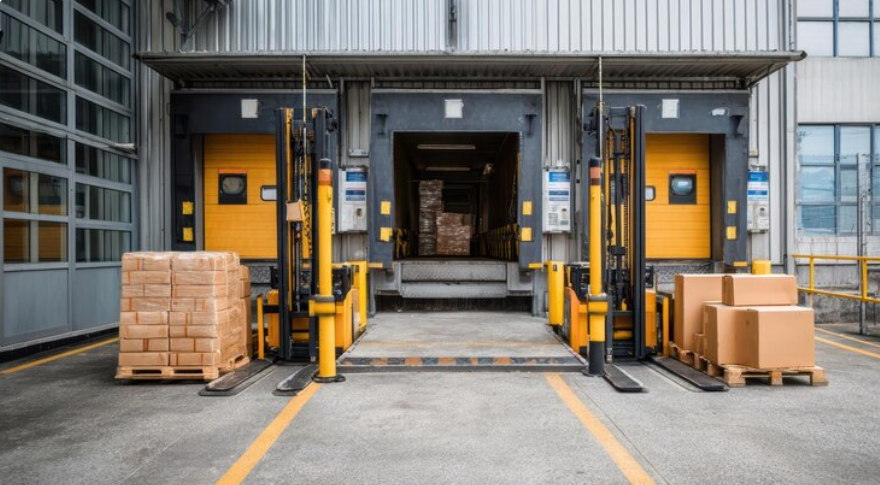
Safety First – What Staff Should Do Immediately
When a warehouse roller door jams unexpectedly, the priority should always be to protect people and prevent further damage to the door system. Pressing controls or attempting a quick fix to restore operations can often worsen the fault and increase repair costs.
Stop All Door Operation
As soon as the fault is discovered, all attempts to operate the roller door should stop immediately. Repeated activation of the controls can place additional strain on motors, gearboxes, springs, and tracking systems. What may have started as a minor obstruction or alignment issue can quickly escalate into a major mechanical failure if the door is forced through its operating cycle.
Secure the Area
Once the door has been taken out of service, the surrounding area should be secured. Warehouse staff, visitors, and forklift operators should be kept clear of the affected entrance until the situation has been assessed. If the door is partially open or appears unstable, establish a temporary safety perimeter to reduce the risk of injury and prevent accidental contact with damaged components.
Moreover, to manage the risk of psychosocial hazards in the workplace, businesses need to identify and control hazards associated with plant and machinery to minimise workplace risks, making it essential to isolate faulty roller doors until repairs can be completed.
Assess Security Risks
The position of the door can significantly affect the level of risk facing the site. A door stuck open may leave stock, vehicles, and equipment exposed, while a door stuck closed can disrupt loading schedules and access to critical areas. A partially open door often presents both security and safety concerns.
Identifying these risks early allows managers to implement temporary measures while awaiting repair assistance.
Notify Relevant Personnel
Prompt communication is essential during a roller door emergency. Warehouse supervisors, office managers, building managers, maintenance contractors, and security personnel should all be informed as soon as possible. Early notification ensures the appropriate people can coordinate repairs, adjust operational plans, and minimise disruption to daily business activities.
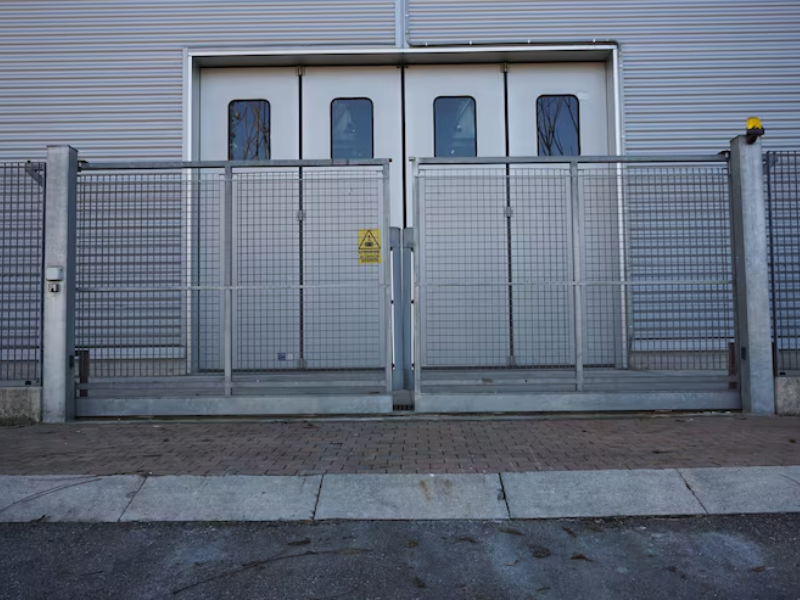
Emergency Commercial Roller Door Repair Checklist
While waiting for a technician to arrive, a structured visual assessment can help identify useful information about the fault. The goal is not to repair the door, but to gather details that help the repair provider diagnose the problem more efficiently, so they arrive prepared with the appropriate tools and replacement parts.
Step 1: Identify the Door’s Position
The first step is to determine whether the door is fully open, fully closed, or stuck somewhere in between. The position of the curtain often provides valuable clues about the underlying fault. For example, a door that stops midway through its travel may indicate track misalignment, obstructions, spring problems, or motor-related faults. Recording the door’s position before any further assessment can help technicians understand what occurred during the failure.
Step 2: Check for Obvious Obstructions
Many roller door faults are caused by objects interfering with the door’s movement. Staff should visually inspect the tracks and surrounding area for debris, damaged pallets, packaging materials, or foreign objects that may have become lodged in the guide rails. Any inspection should be performed from a safe distance, without placing hands or tools into moving components.
Step 3: Look for Signs of Impact Damage
In busy warehouse environments, accidental contact from forklifts, trucks, or loading equipment is a common cause of roller door problems. Visible signs of impact damage may include bent guide tracks, a misaligned curtain, dents in the bottom rail, or distortion of structural components. Even seemingly minor impacts can affect door alignment and prevent normal operation.
Step 4: Check the Power Supply
Before assuming a mechanical fault has occurred, it is worth verifying that power is available to the system. Tripped circuit breakers, switched-off isolators, activated emergency stop buttons, or power interruptions can all prevent a door from operating. A simple electrical issue may sometimes appear identical to a major mechanical breakdown.
Step 5: Listen for Unusual Noises
If the door attempted to operate before stopping, unusual sounds may provide important clues. Grinding noises can indicate worn mechanical components, while clicking sounds may point to electrical control issues. A humming motor that fails to move the door could suggest a gearbox fault or mechanical obstruction. Any unusual sounds should be noted and reported to the repair technician.
Step 6: Determine Whether Manual Operation Is Safe
Some commercial roller doors are equipped with manual override systems for emergency situations. However, manual operation should be considered only when specifically recommended by the manufacturer, and there are no visible signs of structural damage. If springs, tracks, or other critical components appear damaged, attempting to move the door manually may pose serious safety risks and should be avoided.
Step 7: Document the Fault
Accurate documentation can significantly reduce troubleshooting time. Taking photographs and videos of the door, recording the time of the incident, and noting any warning messages or unusual behaviour provides technicians with valuable information before they arrive on site.
Step 8: Contact a Qualified Repair Technician
When requesting commercial roller door repair services, provide as much information as possible, including the type of door, its current position, any visible damage, unusual noises, error messages, and site access requirements. This helps technicians prepare for the callout.
Step 9: Implement Temporary Site Security Measures
If the door cannot be repaired immediately, temporary security arrangements may be required. Depending on the circumstances, businesses may need to redirect access through alternative entry points, install temporary barriers, increase security patrols, or restrict after-hours access. These measures help protect the premises and maintain business continuity until permanent repairs can be completed.
Read more: Warehouse Security Alarm Systems: Best Perimeter Protection Setup For 2026

Warning Signs That Professional Repair Is Urgently Required
| Symptom | Potential Issue | Priority |
| Door drops suddenly | Spring failure | Critical |
| Door stuck halfway | Track or motor fault | High |
| Burning smell | Electrical issue | Critical |
| Loud grinding | Mechanical failure | High |
| Visible track damage | Impact damage | High |
These symptoms should never be ignored. Spring failures can create serious safety hazards, while electrical faults may present fire risks. Visible track damage often worsens quickly if operation continues. Any of these conditions warrant immediate professional attention and urgent commercial roller door repair intervention.
Read more: Automatic Door Safety Requirements In Australia: What Homeowners & Businesses Must Know
The Cost of Delaying Commercial Roller Door Repair
Delaying repairs may appear to save money initially, but the long-term costs are often far greater.
Operational delays can affect loading schedules, delivery commitments, and customer service performance. Warehouses may experience significant productivity losses when access points become unavailable.
Security vulnerabilities also increase. Open or partially open doors can expose inventory, vehicles, and equipment to theft, vandalism, and weather-related damage.
Workplace safety risks increase as staff resort to workarounds to maintain operations. Additionally, small faults often develop into larger mechanical failures when left unresolved, increasing repair costs and downtime.
For logistics facilities and distribution centres, prompt commercial roller door repair is often the most cost-effective solution.
Preventing Future Roller Door Emergencies
The most effective way to reduce emergency callouts is through proactive maintenance.
Regular servicing allows technicians to identify worn components before they fail. High-cycle warehouse doors benefit from scheduled maintenance programs tailored to usage levels.
Routine inspections should include checking tracks, rollers, springs, motors, safety devices, and control systems. Staff should also be encouraged to report unusual noises, slower operation, or visible damage as soon as symptoms appear.
Impact incidents involving forklifts or vehicles should always be documented and inspected, even when damage appears minor. A practical monthly inspection checklist should include:
- Visual track inspection
- Curtain alignment check
- Motor operation assessment
- Safety device testing
- Control station inspection
- Obstruction removal
- Documentation of any abnormalities
Preventative maintenance significantly reduces the likelihood of unexpected commercial roller door repair emergencies.
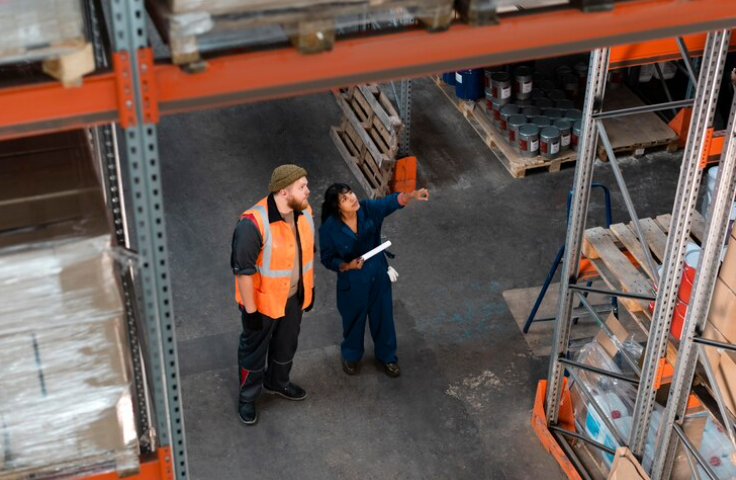
Choosing the Right Commercial Roller Door Repair Partner
Warehouse operators should look for technical support with proven industrial experience, rapid emergency response capabilities, and access to common replacement parts. Strong knowledge of compliance requirements, workplace safety standards, and high-cycle door systems is equally important.
The best providers also offer preventative maintenance programs, detailed reporting, and clear communication throughout the repair process. A reliable commercial roller door repair partner helps minimise downtime, improve reliability, and support long-term business continuity.
Frequently Asked Questions
Can a jammed commercial roller door be repaired on the same day?
In many cases, yes. Same-day repairs are often possible when replacement parts are readily available, and the damage is not extensive. Emergency service providers can frequently restore operation quickly for common faults such as electrical issues, minor track problems, or component failures.
Is it safe to force a roller door open manually?
No. Forcing a door open can worsen existing damage and create serious safety risks. Manual operation should only be attempted with the manufacturer’s approval and when no structural or spring-related faults are present.
What causes roller doors to jam most often?
The most common causes include damaged tracks, worn components, electrical faults, broken springs, obstructions, impact damage, and inadequate maintenance.
How much does commercial roller door repair typically cost?
Costs vary depending on the nature of the fault, door size, required parts, and urgency of the response. Minor adjustments may be relatively inexpensive, while major mechanical or structural repairs can require a larger investment.
Should warehouse staff attempt troubleshooting before calling a technician?
Basic visual checks can be helpful, but staff should avoid dismantling components or attempting complex repairs. Safety should always come first, and qualified technicians should handle diagnosis and repair work.
In Conclusion
A jammed warehouse roller door can quickly disrupt operations, create safety risks, and expose facilities to security vulnerabilities. Responding correctly in the first few minutes is critical to limiting damage and reducing downtime. By following a structured emergency response process, documenting symptoms, and engaging qualified technicians promptly, businesses can ensure faster and more effective commercial roller door repair outcomes.
Need Expert Commercial Roller Door Repair Support?
Whether you’re managing a warehouse, logistics facility, industrial site, or commercial premises, DHS can help connect you with reliable door & window automation solutions and industry expertise. Contact us today to discuss roller door automation and preventative maintenance strategies to keep your business moving safely and efficiently.
Read more: Secure Sliding Gates For Warehouses And Logistics Centers