

Industrial facilities feature complex environments, ranging from sprawling warehouses and logistics hubs to manufacturing plants with multiple access points. These sites often cover large areas and house valuable assets, equipment, and inventory. This complexity comes with increased vulnerability to unauthorised access, after-hours intrusion, vandalism, and even safety breaches.
That’s why relying on a single security measure is often not enough. Modern industrial security depends on a layered approach in which multiple systems work together. Within this framework, external sirens for industrial properties play a critical role. They provide immediate, high-impact alerts that support both security and safety outcomes.
In this article, we’ll explore how external sirens fit into real-world industrial security strategies to become a well-designed, layered system.
Understanding Layered Security in Industrial Environments
Layered security is often referred to as defence-in-depth. It is a strategic approach used in commercial and industrial settings to protect assets through multiple, overlapping safeguards. Rather than relying on a single line of defence, this method ensures that if one layer fails, others are in place to compensate.
In industrial environments, layered perimeter security typically includes:
- Perimeter protection: Physical barriers such as fencing, gates, and access control systems, often supported by sensors that detect unauthorised entry.
- Detection systems: Technologies such as motion detectors, surveillance cameras, and alarm systems that detect suspicious activity.
- Response mechanisms: Actions triggered by detection, including alerts, notifications, monitoring services, and audible alarms.
Each layer is designed to complement the others. For example, a motion sensor may detect movement, but without a response mechanism, it cannot actively deter an intruder. This is where external sirens for industrial properties come into play. They bridge the gap between detection and action.
Audible and visual alerts are especially important in large-scale environments where visual monitoring alone may not be sufficient. Sirens ensure that when something happens, it’s immediately noticed, not just by systems, but by people.
The Role of External Sirens in Industrial Security Systems
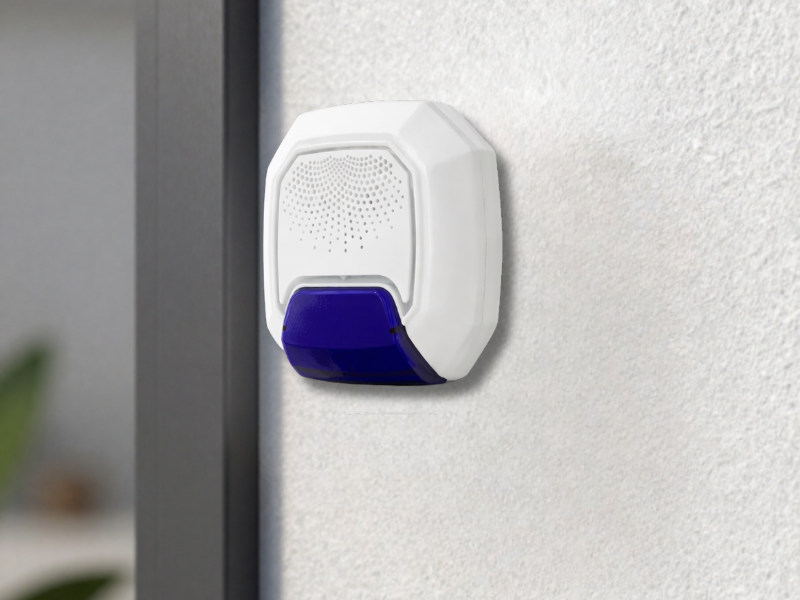
External sirens for industrial properties serve a dual purpose: they act as a visible deterrent and an immediate escalation tool when an incident occurs. Their presence alone can discourage opportunistic intruders, while their activation creates urgency and visibility during security events.
- Visible Deterrence
The presence of an industrial outdoor siren, especially one with a strobe light, indicates that the property is actively monitored. This alone can deter intruders before they even attempt entry. In many cases, visible security measures reduce the likelihood of opportunistic crimes.
- Immediate Incident Escalation
Once triggered, sirens produce loud audible alerts (often exceeding 100 dB), instantly drawing attention to the situation. This creates pressure on intruders, making it far less likely they’ll continue their activity. It also signals that the event has been detected and is being acted upon.
- Alerting On-Site Personnel
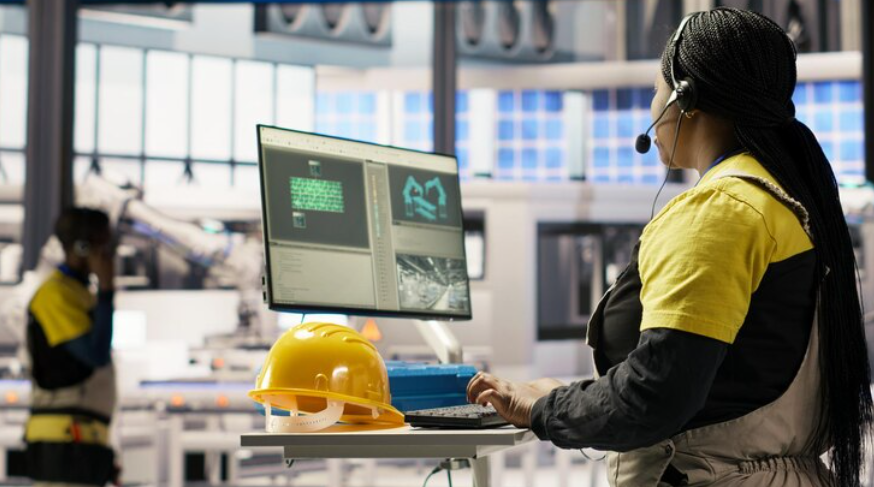
Industrial sites are often noisy and cover a large area. This means staff may not always notice mobile alerts or system notifications. External sirens for industrial properties provide a clear, unmistakable warning that reaches across large areas, ensuring personnel are aware of potential threats or incidents.
- Supporting Emergency Protocols
Beyond security, sirens can be integrated into broader safety procedures. Whether it’s a lockdown scenario, equipment malfunction, or environmental hazard, an external siren can serve as an immediate and effective alert mechanism.
Use Case: How External Sirens Fit Into a Layered Industrial Setup
Imagine a large logistics warehouse operating on the outskirts of a city. The site includes multiple loading bays, fenced perimeters, and several access points. After hours, the facility relies on a combination of motion sensors, cameras, and automated alarms to maintain security.
Late at night, a perimeter sensor detects movement near a restricted access gate. The system verifies the event using sensor logic and camera input. Within seconds, an external siren activates – emitting a loud alarm while a bright strobe light flashes across the area.
The intruder, now exposed and under pressure, abandons the attempt and leaves the site. Simultaneously, alerts are sent to the site manager and monitoring service, enabling further action if required.
In this scenario, the siren plays a crucial role:
- It reduces response time by acting instantly
- It prevents escalation by deterring the intruder early
- It functions independently, even before human intervention
Solutions like the Vision Z-Wave Outdoor Siren are particularly well-suited to these environments. With wireless deployment, strong audible output, and high-visibility strobe lighting, they integrate seamlessly into layered security systems. Their compatibility with sensors and controllers allows them to respond automatically to a wide range of triggers.
Case Study: Layered Security Upgrade for a Warehouse Facility
A distribution warehouse operating across evening shifts was experiencing repeated after-hours trespassing incidents around loading dock areas and perimeter access points. While CCTV cameras were already installed, the site relied heavily on passive monitoring, which often delayed responses.
To improve site protection, the facility implemented a layered industrial security upgrade that combines external sirens, motion-detection sensors, automated gate control, and mobile security notifications. Outdoor sirens with integrated strobe lighting were positioned near loading bays, perimeter fencing, and vehicle entry points.
The system was configured so that when perimeter motion sensors detected unauthorised activity outside operating hours, multiple actions were triggered simultaneously. External sirens were activated immediately; security personnel received mobile alerts; CCTV recording zones were prioritised; and access control systems automatically secured vulnerable entry points.
This coordinated response created a much stronger deterrent effect compared to relying on silent alarms. The visible and audible alarm response made intruders aware they had been detected immediately.
Following the upgrade, the warehouse reported faster incident response times, fewer false alarms requiring manual investigation, and improved confidence among staff working late shifts. The project also demonstrated how external sirens can play a valuable role within broader industrial security automation strategies.
For industrial facilities managing large outdoor areas, loading zones, and multiple access points, integrating external sirens into a layered security framework can significantly strengthen both operational security and response efficiency.
Read more: Designing Perimeter Alert Systems for Warehouses Using Z-Wave Outdoor Sirens
Key Considerations When Deploying External Sirens for Industrial Properties
Choosing and deploying the right external sirens for industrial properties requires careful planning. To maximise effectiveness, several factors need to be considered:
- Coverage and Placement: Sirens should be positioned strategically to cover key entry points, vulnerable zones, and blind spots. Mounting height and direction also matter. Devices should be visible and unobstructed to maximise both deterrence and audibility.
- Audibility Across Large Areas: Industrial sites can be noisy, with machinery and environmental sounds competing for attention. Selecting a siren with sufficient decibel output ensures alerts are heard clearly across the entire site.
- Weather Resistance and Durability: Outdoor environments demand robust equipment. Look for sirens with high IP ratings (such as IP66) to withstand dust, rain, and harsh Australian conditions.
- Integration With Existing Systems: Compatibility is key. Sirens should work seamlessly with sensors, control panels, and automation platforms to enable coordinated responses.
- Power and Maintenance Requirements: Battery-operated sirens offer flexible installation but require periodic maintenance. Long battery life and low-battery alerts help minimise downtime and ensure consistent performance.
Read more: Deployment Guide: Installing Outdoor Sirens on Large Commercial Sites
Integration With Smart Security Ecosystems
As industrial security systems become more advanced, integration is essential. Modern setups rely on connected devices that communicate and respond dynamically to different events.
External sirens for industrial properties are now part of this broader ecosystem. They can be integrated with:
- Motion sensors and door/window sensors to trigger alerts during unauthorised access
- Flood or environmental sensors to warn of hazards such as water leaks or equipment failures
- Smart controllers and automation platforms that coordinate responses across multiple devices
This level of integration allows for more intelligent and responsive security strategies. For example, a siren can be programmed to activate only after multiple triggers are confirmed, reducing false alarms while maintaining rapid response capabilities.
Technologies like Z-Wave and KNX play a significant role in enabling this connectivity. Devices such as the Vision Z-Wave Outdoor Siren are designed to work with certified Z-Wave controllers, ensuring reliable communication and interoperability.
With this setup, users can create customised automation scenarios, such as:
- Triggering a siren when both motion and door sensors are activated
- Activating a panic alarm using a smart button
- Linking sirens to broader building management systems
This flexibility makes external sirens for industrial properties not just reactive tools, but integral components of a smart, connected security network.
Read more: Specifying Outdoor Sirens for Industrial Facilities: What Integrators Must Consider

Benefits of External Sirens in Industrial Security Planning
Incorporating external sirens into your security design offers a range of practical advantages:
- Stronger Deterrence: Visible and audible alerts discourage intruders before incidents occur, reducing overall risk.
- Faster Incident Awareness: Immediate alerts ensure that both on-site personnel and remote managers are aware of issues as they happen.
- Cost-Effective Security Layer: Adding a siren enhances existing systems without requiring major infrastructure changes, making it a smart investment.
- Scalability: Sirens can be deployed across multiple zones, buildings, or facilities to support growth and expansion.
- Improved Safety Outcomes: Beyond security, sirens contribute to workplace safety by providing clear alerts during emergencies or hazardous situations.
Choosing the Right External Sirens for Industrial Properties
Not all external sirens are designed for the same environment. Industrial properties such as warehouses, manufacturing facilities, logistics centres, and construction sites often require more robust alarm siren solutions that operate reliably in harsh outdoor conditions.
One of the first considerations is whether a wired or wireless siren is the better fit. Wired sirens may suit new industrial developments where cabling infrastructure is already planned, while wireless solutions can simplify upgrades for existing facilities. Wireless technologies like Z-Wave also make it easier to expand layered security systems over time.
Weather resistance is another critical factor. External sirens for industrial properties are frequently exposed to rain, dust, heat, and fluctuating temperatures, making IP-rated enclosures essential for long-term reliability. High-visibility strobe lighting can also enhance effectiveness by providing both audible and visual deterrence during alarms.
Tamper protection and battery backup capabilities are equally important. If power is interrupted or an intruder attempts to disable the device, backup power and anti-tamper alerts help maintain security continuity.
Integration capability should also be evaluated carefully. Modern industrial alarm systems increasingly connect external sirens with smart sensors, CCTV systems, access control, gate automation, and mobile notifications. This allows businesses to create automated workflows where perimeter breaches trigger multiple security responses simultaneously.
Ultimately, the right external siren should not operate as a standalone device. It should function as part of a fully integrated industrial security ecosystem designed to improve visibility, response coordination, and overall site protection.
Frequently Asked Questions
What are external sirens used for in industrial security systems?
External sirens for industrial properties provide immediate audible and visual alerts during security breaches or emergencies. In industrial environments, they help deter intruders, alert on-site personnel, and improve incident response times across large facilities such as warehouses, factories, and logistics centres.
Why are external sirens important in layered security systems?
External sirens strengthen layered security by adding an active deterrent component to surveillance and access control systems. When integrated with sensors, cameras, and automation platforms, sirens help enable faster, more coordinated security responses.
Can external sirens integrate with CCTV and access control systems?
Yes. Modern external sirens can integrate with CCTV, motion sensors, gate automation, access control systems, and smart security platforms. This allows multiple security actions to occur automatically when suspicious activity is detected.
Are wireless external sirens suitable for industrial properties?
Wireless external sirens are often ideal for industrial retrofits because they reduce installation complexity and minimise disruption to operations. Technologies like Z-Wave also allow businesses to expand their security systems more easily over time.
What features should industrial outdoor sirens include?
External sirens for industrial properties should include high-decibel alarm output, visual strobe lighting, weather-resistant construction, tamper protection, and battery backup functionality. Integration compatibility with broader security systems is also important.
Where should external sirens be installed on industrial sites?
External sirens are commonly installed near entry gates, loading docks, perimeter fencing, parking areas, and high-risk access points. Placement should maximise both visibility and audible coverage across the property.
Can external sirens help reduce after-hours intrusions?
Yes. Visible and audible alarm activation can discourage unauthorised access before incidents escalate. External sirens are particularly effective when combined with motion detection and perimeter monitoring systems.
What industries benefit most from external siren security systems?
External sirens are commonly used in warehouses, manufacturing facilities, logistics hubs, construction sites, commercial buildings, and other industrial environments where perimeter security and rapid incident awareness are critical.
In Summary,
In today’s complex industrial environments, security is no longer about isolated systems. It’s about integration, responsiveness, and layered protection. External sirens for industrial properties play a vital role in this strategy, bridging the gap between detection and action.
By serving as both a deterrent and a real-time alert, external sirens enhance every stage of the security process. They reduce response times, prevent incidents from escalating, and ensure that threats are both seen and heard.
Solutions like the Vision Z-Wave Outdoor Siren demonstrate how modern technology can deliver highly effective protection. When integrated with sensors, controllers, and automation platforms, they become a powerful part of a smarter security ecosystem.
If you’re planning or upgrading your industrial security system, now is the time to think beyond the basics! Digital Home Systems supplies integrated industrial security and alarm solutions designed for warehouses, factories, logistics facilities, and commercial properties. From external sirens and smart sensors to access control and perimeter automation, our solutions help create faster response times and stronger site protection.
Contact DHS today to request a technical service and discover how to integrate external sirens for industrial properties with a layered security solution!
Read more: Outdoor Siren Sound Coverage Planning for Industrial Properties


1 Comment
[…] escalation path in alarm systems – A single alarm event without layered responses (such as lighting, sirens, or alerts) often isn’t enough to deter determined […]