Mixed-use developments are becoming increasingly popular in modern cities. By combining residential spaces, offices, retail stores, entertainment venues, and public facilities into a single development, these complexes create vibrant communities where people can live, work, and socialize in one location. However, managing security in such dynamic environments is challenging. This is where Access Control Systems play a crucial role.
Access Control Systems are essential for protecting people, property, and sensitive areas within mixed-use developments. These systems help regulate who can enter specific locations, when they can enter, and how access is granted. In environments where multiple groups of users share the same infrastructure, an advanced and flexible access management solution becomes vital.
This article explores how Access Control Systems work in mixed-use developments, their benefits, key features, technologies, and best practices for implementation.
Table of Contents
ToggleUnderstanding Mixed-Use Developments
Mixed-use developments are buildings or complexes that integrate multiple functions within the same property. Typically, they include:
- Residential apartments or condominiums
- Commercial offices
- Retail shops and restaurants
- Hotels or serviced apartments
- Parking facilities
- Entertainment and recreational spaces
While this model improves convenience and urban efficiency, it also introduces complex security requirements. Residents need privacy, businesses require restricted access to offices, and public areas must remain open and accessible.
Because of these overlapping needs, security cannot rely on traditional locks or manual monitoring. Instead, Access Control Systems provide a structured and automated approach to managing movement within the property.
What Are Access Control Systems?
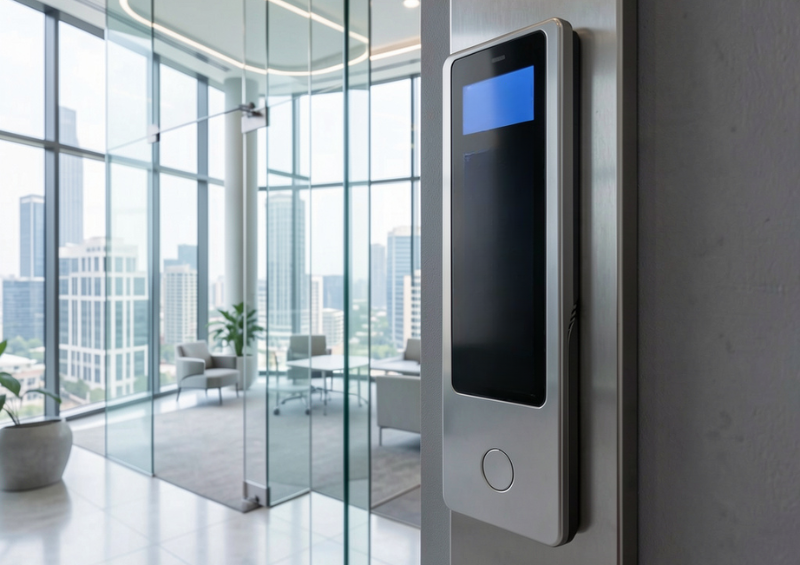
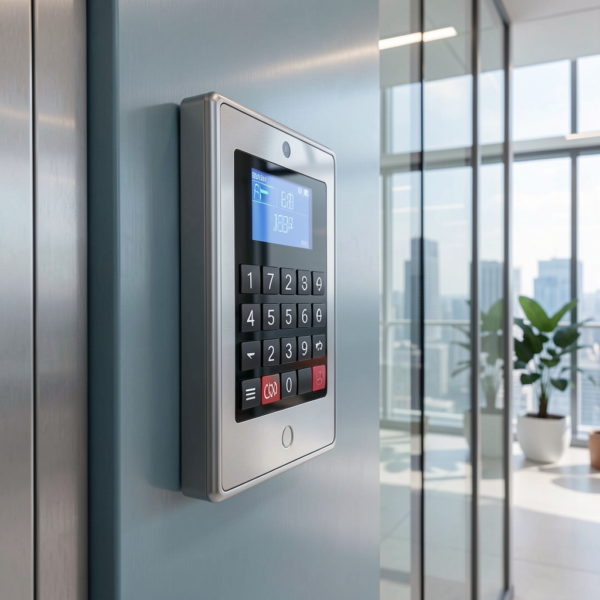
Access Control Systems are security solutions designed to regulate entry to buildings, rooms, or restricted zones. These systems verify a user’s identity before granting permission to access specific areas.
Common authentication methods include:
- Keycards or RFID cards
- PIN codes
- Mobile credentials
- Biometric identification such as fingerprint or facial recognition
Modern Access Control Systems are typically integrated with software platforms that allow administrators to manage permissions, monitor entry logs, and adjust security policies in real time.
For mixed-use developments, this centralized control ensures that residents, employees, visitors, and maintenance personnel each have the appropriate level of access.
Why Mixed-Use Developments Need Access Control Systems
Unlike single-purpose buildings, mixed-use developments must accommodate multiple groups with different access needs. Without proper management, security vulnerabilities can arise quickly.
Access Control Systems help address several key challenges:
Managing Multiple User Groups
Residents, office workers, retail employees, visitors, and service providers all require different access permissions. Access Control Systems allow administrators to assign role-based access rights.
Protecting Private Areas
Residential floors, office suites, and storage rooms need to remain restricted. Access Control Systems ensure only authorized individuals can enter these areas.
Maintaining Public Accessibility
While some zones must remain secure, others—such as shopping areas—must stay open to the public. Access Control Systems enable seamless separation between public and private spaces.
Improving Operational Efficiency
Automated access reduces the need for security staff to manually monitor every entry point.
Enhancing Safety and Emergency Response
In emergencies, administrators can quickly unlock exits, restrict entry, or track building occupancy.
Key Components of Access Control Systems
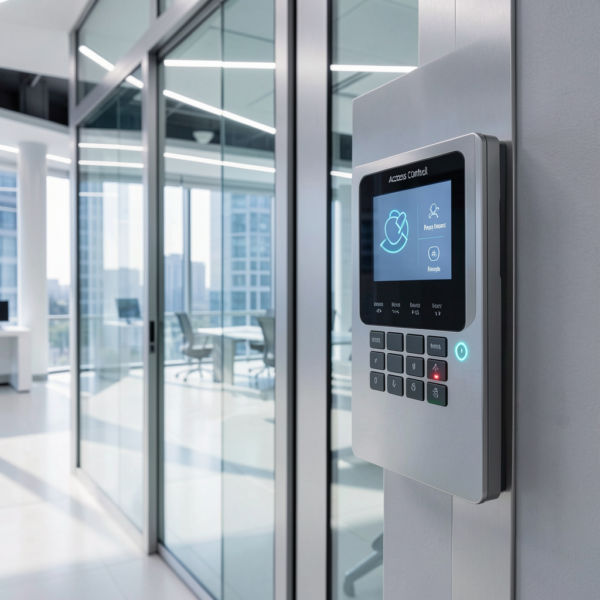
To function effectively, Access Control Systems rely on several interconnected components.
Access Credentials
Credentials are used by individuals to verify their identity. These may include keycards, mobile apps, PIN codes, or biometric data.
Card Readers and Sensors
Installed at entry points, readers scan credentials and transmit the data to the system for verification.
Access Control Panels
The control panel acts as the system’s brain. It processes authentication data and determines whether to grant or deny access.
Management Software
The software platform allows administrators to configure permissions, track activity logs, and manage users.
Electric Locks and Door Controllers
These devices physically secure doors and gates, unlocking only when access is approved.
Together, these components create a comprehensive Access Control System that can secure entire buildings or large complexes.
Types of Access Control Systems
Several types of Access Control Systems can be deployed in mixed-use developments. Each offers different levels of security and flexibility.
Discretionary Access Control (DAC)
With DAC, the owner of a resource determines who can access it. While simple, this approach is often too flexible for large developments.
Mandatory Access Control (MAC)
MAC enforces strict rules based on security classifications. It is typically used in government or high-security environments.
Role-Based Access Control (RBAC)
RBAC is the most common model for mixed-use developments. Access permissions are assigned based on user roles, such as resident, employee, or visitor.
Attribute-Based Access Control (ABAC)
ABAC evaluates multiple attributes—such as time, location, and user role—before granting access. This allows for highly dynamic security policies.
Modern Technologies Used in Access Control Systems
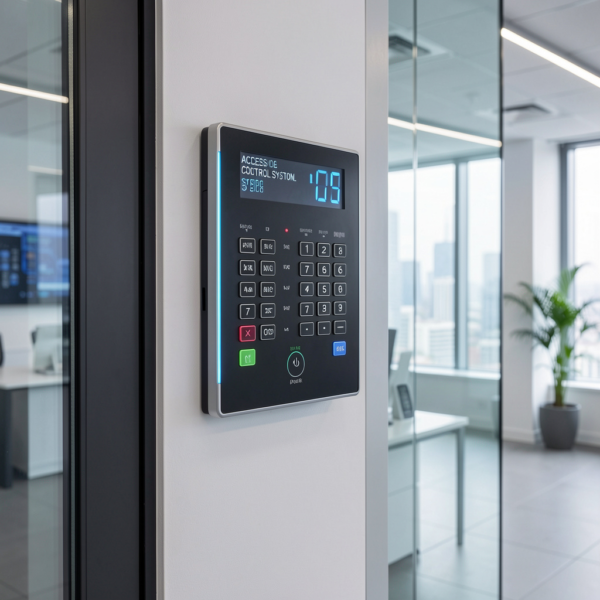
Technological advancements have transformed Access Control Systems into smart, integrated security solutions.
Mobile Access
Many systems now allow users to unlock doors using smartphone apps or digital credentials stored in mobile wallets.
Cloud-Based Management
Cloud platforms allow administrators to manage access permissions remotely, making it easier to oversee large developments.
Biometric Authentication
Fingerprint scanners and facial recognition systems provide high-security authentication while eliminating the need for physical credentials.
Integration with IoT Devices
Access Control Systems can integrate with building automation systems, enabling coordinated responses to security events.
Artificial Intelligence
AI-powered analytics can detect unusual access patterns and alert security teams to potential threats.
Benefits of Access Control Systems for Mixed-Use Developments
Implementing Access Control Systems offers a wide range of benefits.
Improved Security
By restricting access to authorized individuals, these systems significantly reduce unauthorized entry.
Better User Experience
Residents and employees can move through the building smoothly without relying on physical keys.
Centralized Management
Administrators can control access permissions from a single platform.
Detailed Activity Logs
Access Control Systems maintain records of entry and exit events, which can be useful for audits and investigations.
Scalability
As mixed-use developments expand, new users and access points can be easily added.
Integration with Other Security Systems
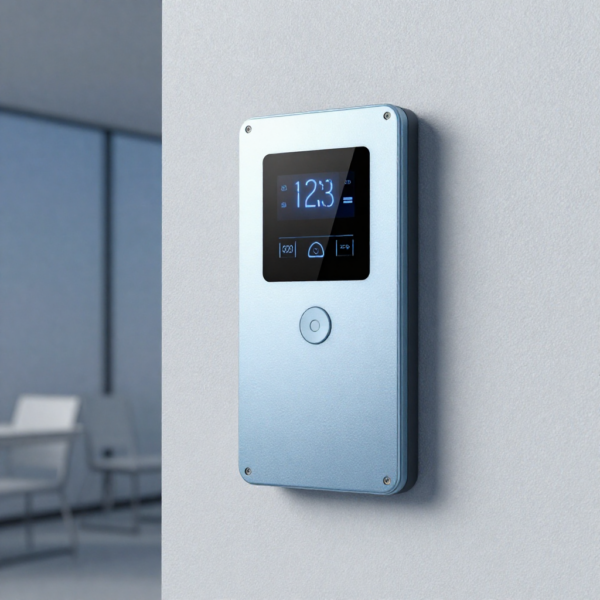
Access Control Systems are most effective when integrated with other building security technologies.
Video Surveillance
Integration with CCTV cameras allows administrators to verify access events visually.
Alarm Systems
If unauthorized access is detected, alarms can be triggered automatically.
Visitor Management Systems
Temporary credentials can be issued to guests and revoked after their visit.
Elevator Control Systems
Access Control Systems can restrict elevator access to certain floors, ensuring residents and office workers can only reach authorized levels.
Access Control for Residential Areas
Residential sections of mixed-use developments require a high level of privacy and safety.
Access Control Systems in these areas typically include:
- Secure lobby entrances
- Resident keycard or mobile access
- Elevator floor restrictions
- Visitor management systems
These features ensure that only residents and approved guests can enter living areas.
Access Control for Commercial and Office Spaces
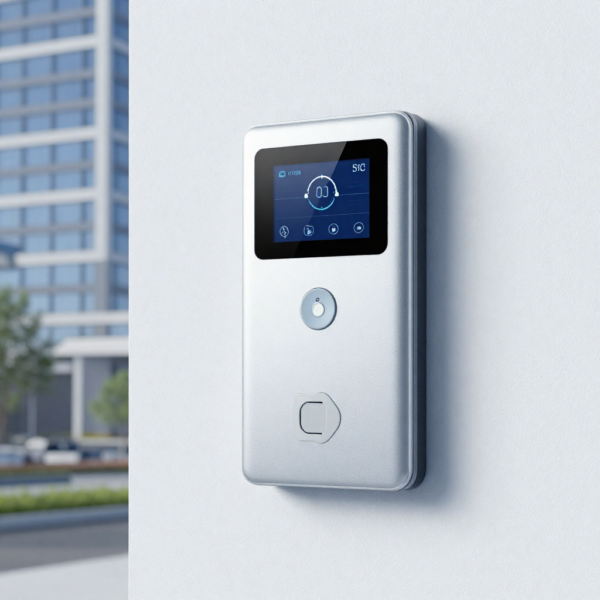
Businesses within mixed-use developments often require separate security policies.
Access Control Systems allow office managers to:
- Restrict access to workspaces
- Manage employee credentials
- Secure meeting rooms and data centers
- Track employee entry and exit times
This level of control helps companies maintain security while operating within shared facilities.
Retail and Public Area Access Management
Retail spaces and public areas must remain accessible while still maintaining security.
Access Control Systems help manage:
- Back-of-house storage areas
- Staff-only corridors
- Delivery entrances
- Loading docks
By separating public and operational spaces, businesses can maintain smooth operations without compromising security.
Best Practices for Implementing Access Control Systems
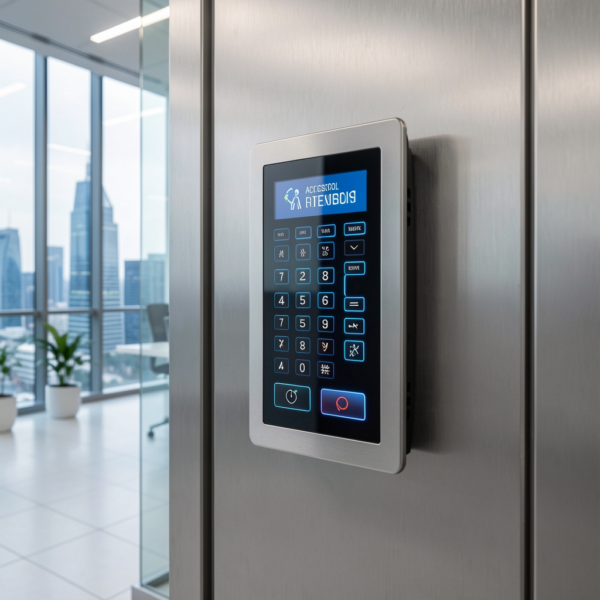
Successfully deploying Access Control Systems in mixed-use developments requires careful planning.
Conduct a Security Assessment
Identify all entry points, sensitive areas, and potential security risks before installation.
Define Access Levels
Create clear access roles for residents, employees, visitors, and contractors.
Use Scalable Solutions
Choose systems that can grow as the development expands.
Train Staff and Residents
Ensure users understand how to use credentials and follow security protocols.
Regularly Review Permissions
Access rights should be updated whenever residents move out or employees leave.
Challenges in Access Control for Mixed-Use Developments
Despite their advantages, Access Control Systems can present certain challenges.
Complex User Management
Managing thousands of users across multiple zones requires efficient software and clear policies.
System Integration
Integrating access control with other building technologies may require specialized expertise.
Privacy Concerns
Biometric systems must comply with data protection regulations.
Initial Investment
Installing advanced Access Control System may require significant upfront costs, although the long-term benefits often outweigh these expenses.
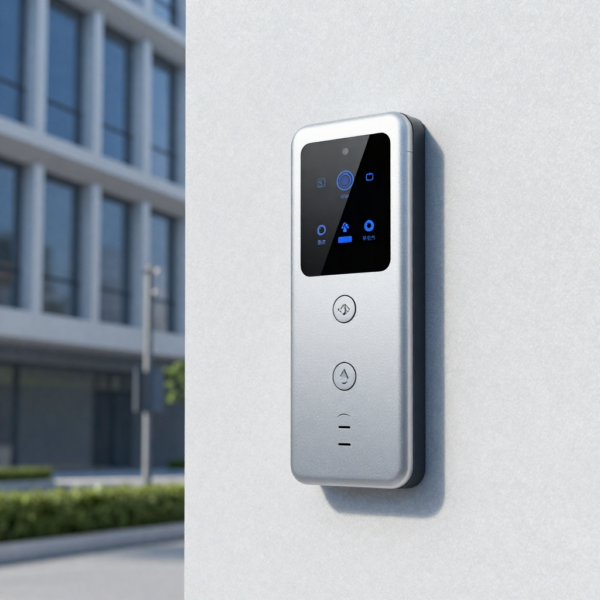
Future Trends in Access Control Systems
The future of Access Control Systems is being shaped by digital transformation and smart building technologies.
Touchless Access
Post-pandemic security trends are accelerating the adoption of touchless entry systems.
Smart Building Integration
Access Control Systems are increasingly connected to lighting, HVAC, and energy management systems.
Advanced Analytics
Data from access logs can be used to improve building operations and security planning.
Unified Security Platforms
Future systems will combine access control, surveillance, and cybersecurity into a single platform.
These innovations will continue to enhance safety and efficiency in mixed-use developments.
Conclusion
Mixed-use developments offer a modern solution for urban living, but they also introduce complex security challenges. With residents, employees, visitors, and customers sharing the same space, effective security management becomes essential.
Access Control Systems provide the technology needed to regulate movement, protect sensitive areas, and maintain a safe environment for everyone within the development. By integrating advanced authentication methods, centralized management platforms, and smart building technologies, these systems offer a scalable and reliable approach to modern property security.
As cities continue to evolve and mixed-use developments grow in popularity, Access Control System will remain a critical component of building infrastructure—ensuring safety, efficiency, and convenience for all users.