Table of Contents
ToggleAutomatic Door Installation Melbourne: Making Everyday Access Easier
These recent automatic door installation Melbourne projects show how Digital Home Systems helped improve accessibility for NDIS-related homes in Werribee and Geelong. For many homes, a sliding door is one of the most used access points in the property. It connects living areas to outdoor spaces, provides fresh air, and often becomes the main everyday entry between indoor and outdoor areas. But for people with limited mobility, disability support needs, or accessibility requirements, manually opening and closing a sliding door can become difficult, unsafe, or inconvenient.
This is where a professional automatic door installation Melbourne service can make a meaningful difference.
Digital Home Systems recently completed automatic sliding door automation works for NDIS-related residential projects in Werribee and Geelong. Both projects involved working with a builder to supply and install suitable door automation equipment for homes where improved access was required. The goal was simple: make the sliding door easier to operate while keeping the setup practical, reliable, and suitable for everyday residential use.
These projects show how the right automatic sliding door installation can support accessibility, comfort, and independent living.
Project Background: Builder-Led NDIS Door Automation Works
The Automatic Door Installation Melbourne projects were organised through a builder managing accessibility upgrades for residential clients. Digital Home Systems was contacted to provide a door automation solution for sliding doors, including the required equipment, installation service, internal push button, and wireless remote controls.
The Werribee project was completed first. After the successful installation, the same type of setup was then discussed for a similar home in Geelong.
This type of Automatic Door Installation Melbourne is common in accessibility upgrades because every home is slightly different. Even when two projects look similar, the final setup may depend on the existing door, track condition, available space above the door, power access, wall layout, user needs, and whether external operation is required.
For these jobs, the focus was on automating a single sliding leaf door with simple internal control and remote operation. The builder also confirmed that no external access control and no motion sensor were required for the Geelong project, which helped keep the installation focused on the user’s actual needs.
The Challenge: Turning a Manual Sliding Door Into an Accessible Entry Point
A standard sliding door can be heavy or awkward for some users to operate. Even when the door rolls smoothly, opening it manually may require grip strength, balance, body movement, or assistance from another person.
For NDIS and accessibility-related projects, the door automation system needs to be easy to use, dependable, and suitable for the way the occupant moves around the home. It also needs to be installed neatly because most projects are inside finished residential properties, not new commercial buildings.
The main challenges for these installations included:
- Making sure the automation system suited the existing sliding door
- Keeping the installation neat and suitable for a home environment
- Providing simple control using an internal push button and wireless remotes
- Allowing the builder to coordinate the door replacement or upgrade timeline
- Checking whether additional items were required only after seeing actual site conditions
- Completing the installation without overcomplicating the access solution
In the Werribee job, the project was completed and the customer was provided with an update, video reference, and invoice for the additional installation items. The Geelong project was then quoted based on the similar setup, with final installation time depending on site conditions.
The Solution: Automatic Sliding Door Installation With Push Button and Remotes
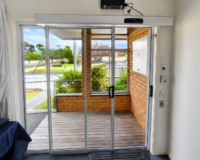
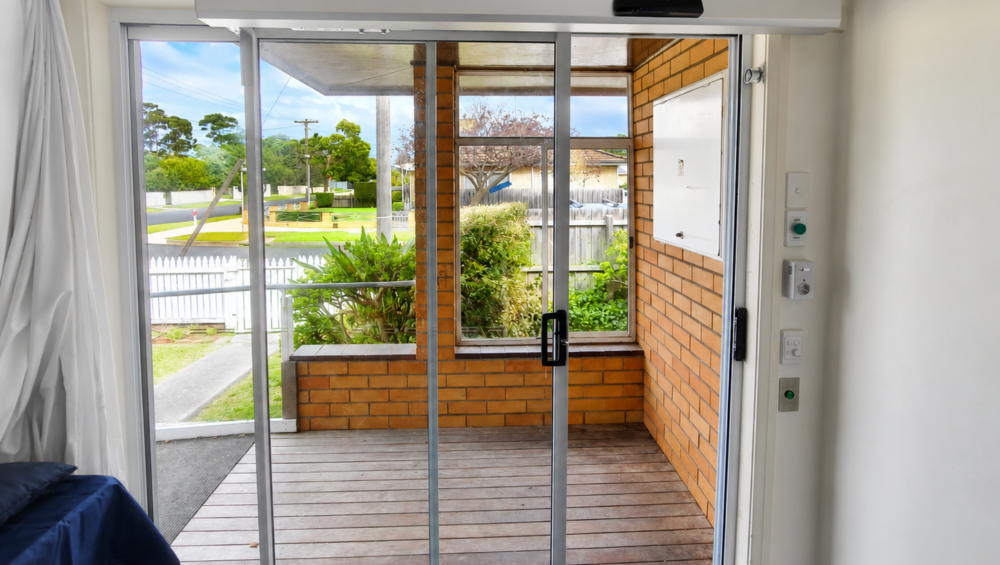
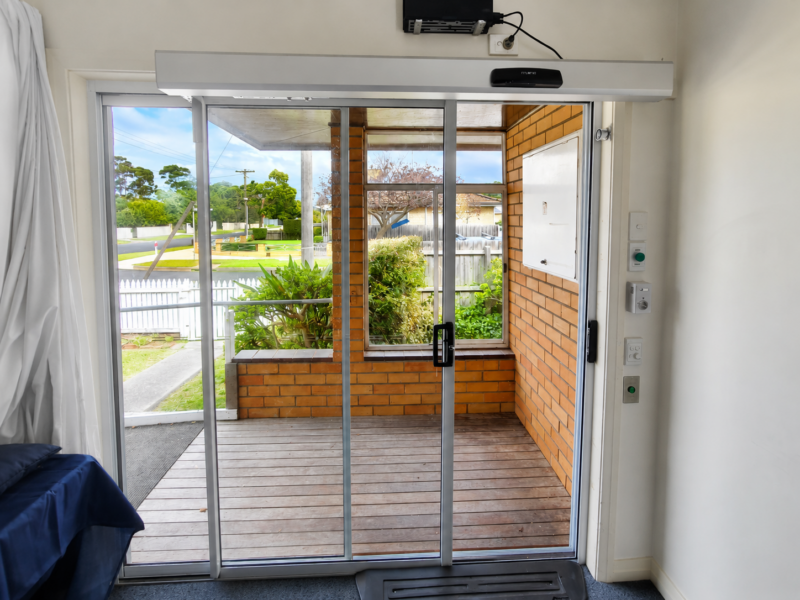
Digital Home Systems supplied and installed an automatic sliding door operator setup suitable for a single sliding leaf door. The system included a sliding door automation kit, internal push button, and wireless remotes.
For the user, this means the sliding door can be operated without needing to manually pull the door open or closed. Instead, the user can activate the door using a button or remote control.
This type of Automatic Door Installation Melbourne is especially useful for homes where accessibility, mobility, or assisted living support is important. It can help reduce physical effort and make everyday movement through the home easier.
The selected setup was practical because it avoided unnecessary extras. In the Geelong project notes, the builder confirmed:
- Internal push button required
- No external access required
- Three wireless remotes required
- No motion sensor required
- No electrical work required because a previous opener had been in place
- New sliding door had been installed
This is an important part of good automatic door installation Melbourne. Not every site needs sensors, external keypads, access control readers, or complex smart home integration. Sometimes the best result is a clean, simple system that solves the real access problem.
Why Site Conditions Matter
One of the biggest lessons from these projects is that automatic door automation should not be priced or planned only from photos. Photos and videos are very helpful, but the final installation can still depend on what the installer finds on site.
For example, the installer may need to check the sliding door alignment, track condition, wall structure, headroom above the door, mounting surface, available power point, and whether any additional brackets or aluminium sections are needed.
In the Geelong project, an optional aluminium set was noted as something that may be required depending on site conditions. This approach protects both the customer and the builder because it keeps the quote transparent. If the item is not needed, it is not charged. If the site requires it for a proper installation, the builder already understands why it may be added.
This is why Digital Home Systems often separates supply costs from installation and additional site-dependent items. It allows the builder to proceed with the main equipment while still allowing flexibility for the installer to make the final setup safe, neat, and reliable.
Working With Builders on Accessibility Projects
For builders managing NDIS-related upgrades, coordination is one of the most important parts of the job. The door itself may be replaced by one trade, power may already exist or need to be confirmed, and the automation installer may need to attend after the new door is installed.
On automatic door installation Melbourne projects, the builder confirmed the door installation timeline and provided photos so the automation work could be planned properly. Digital Home Systems then confirmed supply, estimated installation time, travel, and possible additional items.
This type of communication helps avoid delays. It also means the builder can keep the end client updated and arrange access to the site at the right time.
For automatic door installation Melbourne projects, especially in residential accessibility work, the best results usually come when the builder, installer, and client all understand the scope before installation day.
The Result: Easier Access and a Practical Automated Door Setup
The completed Werribee installation gave the home a more accessible sliding door setup with convenient automatic operation. The door could be controlled using the installed push button and wireless remotes, helping make the entry point easier to use in daily life.
The Geelong project followed a similar plan, using the Werribee job as a reference for pricing and setup. Because the site requirements were similar, the same general approach could be used while still allowing for final checks once the installer attended the property.
For the end user, the benefit is not just automation. It is the ability to move through the home with less effort, less reliance on manual door operation, and more confidence using an everyday access point.
For the builder, the benefit is working with a supplier and installer who can provide both the equipment and the practical installation support needed for accessibility projects.
When Should You Consider Automatic Sliding Door Automation?
Automatic Door Installation Melbourne may be suitable if a manual sliding door is difficult to open, the user has limited mobility, the property needs an NDIS-related access upgrade, or the homeowner wants a more convenient way to move between indoor and outdoor areas.
It can also be helpful in homes where carers, family members, or support workers need a simple and reliable way to assist with access.
Before choosing a system, it is important to check whether the existing door is suitable for automation. A professional installer can assess the door condition, available mounting space, control options, safety requirements, and whether push buttons, remotes, sensors, or access control devices are needed.
Need Automatic Door Installation in Melbourne?
Digital Home Systems supports builders, homeowners, property managers, and accessibility project teams with automatic door and gate solutions across Melbourne and surrounding areas.
Whether you need an automatic door installation Melbourne NDIS door automation, push button access, wireless remote operation, or a complete automatic door installation service, our team can help recommend the right setup for your site.
Every property is different, so we take the time to understand the door, the user requirements, and the project timeline before recommending a solution.
For automatic door installation Melbourne projects, contact Digital Home Systems to discuss your sliding door automation requirements and get practical advice for your next accessibility upgrade.