
Balancing resident convenience and secure entry has become one of the biggest challenges for modern residential buildings. Residents expect fast, seamless access, yet property managers must also ensure safety and control at every entry point. Outdated systems often create friction, leading to missed visitors, delivery issues, and potential security risks. This is where a well-defined building entry policy needs to be combined with smart technology. By aligning clear rules with modern systems, buildings can deliver both ease of use and strong protection. In this guide, we’ll explore how to design policies that integrate effectively with today’s intercom and gate workflows.
The Shift in Resident Expectations
Resident expectations have changed dramatically over the past decade due to the rise of smart home technology and mobile-first lifestyles. Today, convenience is the baseline.
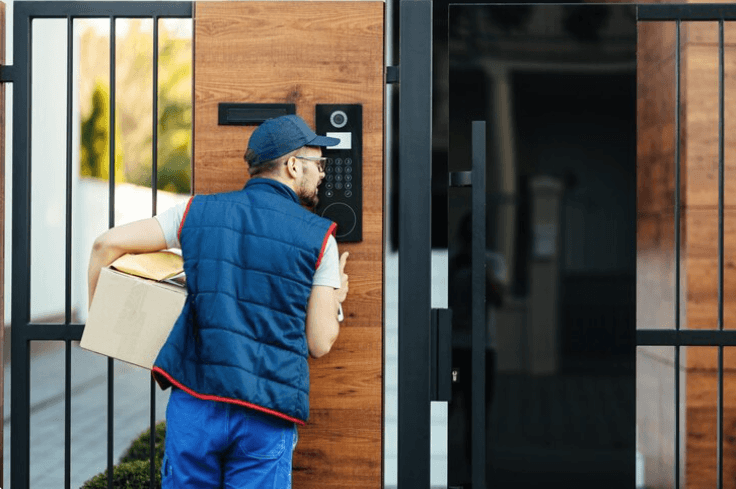
Modern residents expect to manage access directly from their smartphones, whether they’re at home or away. They want the ability to instantly verify visitors via video, grant remote access, and receive real-time notifications when someone arrives. For deliveries, convenience is even more critical. With the growth of online shopping, residents expect seamless parcel handling without being physically present.
Traditional intercom systems struggle to meet these expectations. Audio-only communication, fixed indoor units, and a lack of integration with gates or doors create delays and inefficiencies. Residents may miss visitors simply because they aren’t near the intercom. Also, deliveries often go unattended or require repeated attempts.
In contrast, modern smart entry systems provide a connected experience. Video verification, mobile access, and integrated workflows enable residents to control entry from anywhere. These systems transform the way people interact with their building.
As expectations evolve, so too must policies. A static building entry policy designed for older systems can’t support modern behaviours. To truly achieve resident convenience and secure entry, policies must be flexible, technology-driven, and aligned with real-world usage.
What Is a Secure Entry Policy?
A secure entry policy – often referred to as a building entry policy – is a set of rules that governs how people access a residential property. It defines who can enter, how access is granted, and under what conditions entry is allowed.
At its core, a strong policy includes three key elements:
- Who can access the building: Residents, authorised visitors, staff, contractors, and delivery personnel
- How access is granted: Intercom approval, mobile credentials, key fobs, or temporary codes
- When access is allowed: Time-based permissions for cleaners, maintenance teams, or restricted hours for visitors
Consistency is critical. Policies must apply uniformly across all users to avoid confusion and loopholes. Without clear guidelines, buildings risk inconsistent access practices that undermine security.
Poorly defined policies can lead to several risks. Unauthorised access becomes more likely when residents share entry codes or allow unknown visitors in. Tailgating – where someone follows another person through a secure door – can go unchecked without proper controls. Delivery handling can also become a vulnerability if parcels are left unattended or access is granted too freely.
Ultimately, a well-structured policy is the foundation of secure resident access. When combined with the right technology, it ensures that convenience does not come at the expense of safety.
Common Conflicts Between Convenience and Security
Achieving resident convenience and secure entry isn’t always straightforward. Many buildings struggle because they lean too far in one direction – either prioritising ease of access or focusing too heavily on security controls.
Below are some of the most common conflicts:
- Too much convenience creates security gaps. When access is overly simplified, risks increase. Unrestricted access codes or permanently open doors may make life easier for residents, but they also expose the building to unauthorised entry.
- Shared credentials weaken control. Residents often share PIN codes or access cards with visitors, friends, or service providers. This makes it difficult to track who is entering the building and when.
- Excessive security reduces usability. On the other hand, overly strict systems can frustrate residents. Delayed visitor entry, complicated approval processes, or limited access hours can negatively impact the living experience.
- Missed deliveries and visitor delays. Without efficient workflows, residents may miss important deliveries or struggle to grant access quickly, especially when away from home.
- Manual processes create bottlenecks. Buildings that rely on reception staff or manual logs often experience delays during busy periods.
- Lack of audit trails. Without proper tracking, it becomes difficult to monitor entry activity or investigate incidents.
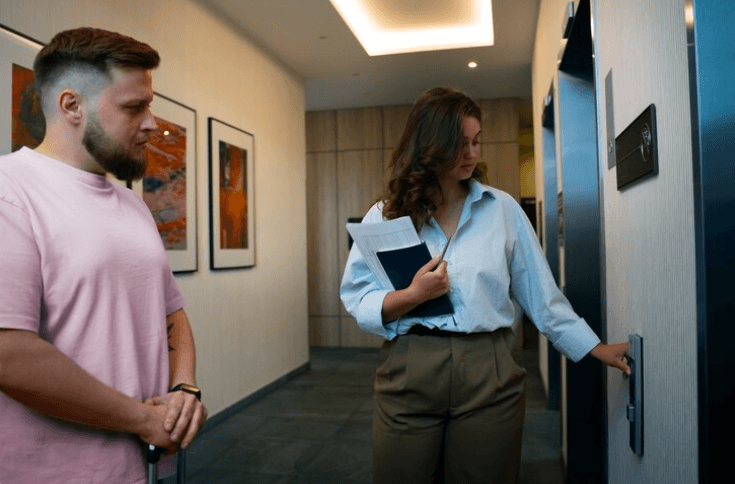
- Disconnected systems reduce effectiveness. When intercoms, gates, and access control systems operate independently, workflows become fragmented. For example, granting access via an intercom may not automatically open the gate or door.
The key takeaway is that resident convenience and secure entry should not be treated as opposing forces. Instead, the solution lies in structured, well-designed workflows that balance both priorities effectively.
Designing a Balanced Resident Convenience and Secure Entry
Creating the ideal balance between resident convenience and secure entry starts with designing a workflow that aligns policy with technology. Rather than forcing residents to adapt to rigid systems, the workflow should support natural, everyday interactions.
A well-designed intercom and gate workflow ensures that every step – from visitor arrival to entry approval – is seamless, secure, and efficient.
Here are the key elements of an effective workflow:
- Resident-controlled access. Residents should have full control over who enters the building. This includes the ability to approve or deny access in real time via mobile devices or indoor monitors.
- Flexible approval methods. Access requests can be managed through smartphones or in-unit screens, ensuring residents can respond whether they’re at home or away.
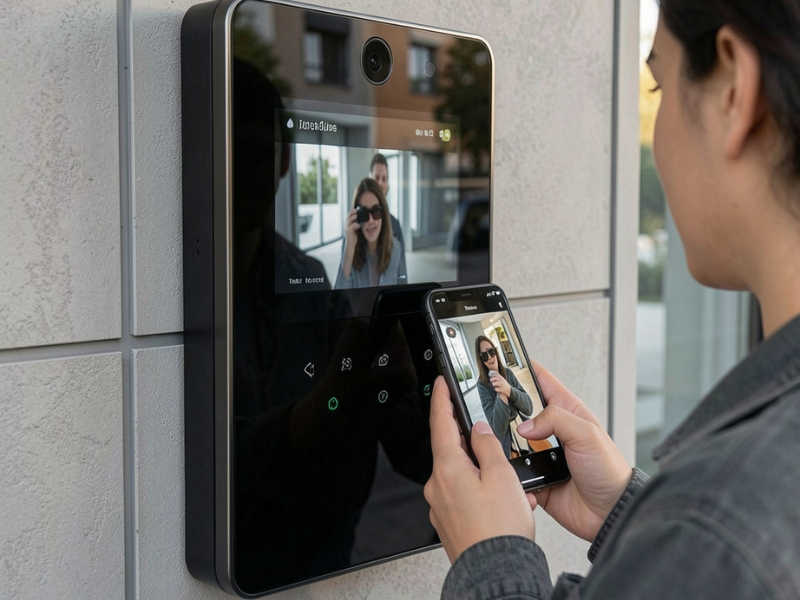
- Visitor verification steps. Video and audio communication allow residents to confirm a visitor’s identity before granting entry, adding an extra layer of security.
- Time-based permissions. Temporary access can be scheduled for cleaners, contractors, or regular service providers. This ensures access is only available when needed.
- Delivery management systems. Dedicated workflows for deliveries – such as temporary access credentials or secure drop-off points – help prevent missed parcels and reduce risk.
- Integrated gate and door automation. Entry points should work together. Once a visitor is verified, the system can automatically unlock doors or open gates, creating a smooth, synchronised experience.
- Minimised friction for residents. The goal is to make access quick and intuitive without compromising control. Fewer steps, faster responses, and clear communication all contribute to a better experience.
When workflows are designed thoughtfully, they eliminate the need for trade-offs. Instead of choosing between convenience and security, buildings can achieve both simultaneously.

Technology’s Role in Enforcing Entry Policies
Modern technology plays a crucial role in turning policy into action. Without the right tools, even the most well-defined building entry policy can be difficult to enforce consistently.
Today’s smart systems automate many aspects of access control, ensuring that rules are applied reliably and without constant human intervention.
Key technologies include:
- Video intercom systems: Provide real-time visual verification, allowing residents to identify visitors before granting access.
- Mobile access control: Enables residents to manage entry remotely, improving both convenience and responsiveness.
- Audit logs and event tracking. Every interaction is recorded for a transparent history of who entered the building and when.
- System integration. The most effective solutions integrate intercoms, gates, and access control systems into a single ecosystem, ensuring smooth, consistent intercom gate door release workflows.
Solutions like the Akuvox 2-Wire IP Intercom Kit demonstrate how technology can bridge the gap between old infrastructure and modern functionality. These systems enable remote access, smart verification, and scalable policy enforcement, all while maintaining ease of use.
By reducing reliance on manual processes, technology ensures that policies are followed automatically. This not only improves security but also enhances the overall resident experience.
Why Retrofit Solutions Are Essential for Existing Buildings
While new developments can integrate smart systems from the ground up, many existing buildings face infrastructure limitations. Rewiring an entire property can be costly, time-consuming, and disruptive to residents.
This is where retrofit entry solutions become invaluable.
Retrofit technologies allow buildings to upgrade their systems without major structural changes. They provide a practical pathway to achieving resident convenience and secure entry without the challenges of a full overhaul.
Key benefits include:
- Lower costs compared to full rewiring. By using existing cabling, buildings can significantly reduce installation expenses.
- Minimal disruption to residents. Upgrades can be completed without major construction work or long periods of downtime.
- Faster deployment timelines. Retrofit systems can be installed and operational much more quickly than traditional upgrades.
The Akuvox 2-Wire IP Intercom Kit is a strong example of this approach. It leverages existing 2-wire infrastructure while delivering full IP functionality, enabling modern features like mobile access, video verification, and integrated workflows.
This makes it particularly well-suited for:
- Older apartment buildings
- Strata-managed properties
- Multi-tenant residential complexes
By adopting retrofit solutions, buildings can modernise their entry systems without the barriers typically associated with large-scale upgrades.
Best Practices for Property Managers and Committees
Implementing effective resident convenience and secure entry strategies requires more than just technology. Property managers and committees play a vital role in establishing and maintaining strong systems.
Here are some best practices to follow:
- Establish a clear, documented building entry policy: Ensure all rules are clearly defined and communicated to residents.
- Standardise access rules across the building: Consistency helps prevent confusion and reduces security gaps.
- Avoid shared or static access credentials: Encourage the use of individual, trackable access methods.
- Implement audit and monitoring processes: Regularly review access logs to identify unusual activity.
- Educate residents on secure usage: Provide guidance on using systems responsibly and safely.
- Regularly review and update workflows: Adapt policies as technology and resident needs evolve.
- Work with certified installers: Proper system integration is essential for reliable performance and long-term success.
By combining strong governance with the right tools, buildings can create a secure and user-friendly environment for all residents.
Final Thoughts,
At its core, resident convenience and secure entry are complementary goals that create a better living experience for everyone. Success comes from combining three key elements: clear policies, well-designed workflows, and integrated technology. Each component supports the others.
Modern solutions like the Akuvox 2-Wire IP Intercom Kit make this alignment achievable, even for older buildings, by enabling retrofit upgrades, smart verification, and scalable access control.
As residential buildings continue to evolve, those that invest in smarter entry systems will stand out. They’ll offer safer environments, smoother daily interactions, and a higher standard of living.