
Building a smart home no longer means committing to major renovations, tearing open walls, or replacing electrical wiring throughout the house. For many homeowners, renters, and property investors, the biggest barrier to home automation has always been the assumption that rewiring is unavoidable, expensive, and disruptive. This belief was true in the past, when automation systems relied heavily on central control panels and dedicated wiring. Today, however, that reality has changed completely.
Modern smart automation solutions are built with retrofitting in mind. Wireless communication, battery-powered sensors, compact modules, and cloud-based control platforms have removed the need for invasive electrical work. As a result, creating a budget-friendly smart home is no longer limited to new builds or luxury properties. It is now achievable in apartments, older houses, rental properties, and even temporary living spaces.
Instead of focusing on infrastructure changes, modern smart home design focuses on usability, flexibility, and incremental improvement. A smart home can now be built gradually, starting with a single room or function and expanding only when it makes sense. This shift is what makes smart automation practical for everyday households, not just technology enthusiasts.
Why a Budget-Friendly Smart Home No Longer Requires Rewiring
Traditional automation systems depended on control wiring that connected switches, sensors, and actuators back to a central hub. While reliable, these systems required walls to be opened and cables to be installed throughout the property. For existing homes, this often meant extensive labour costs, long installation times, and unavoidable disruption.
Modern smart automation solutions eliminate these barriers by working with what already exists. Wireless protocols allow devices to communicate without new cabling, while retrofit modules are designed to fit behind existing switches or inside standard electrical enclosures. Battery-powered devices remove the need for power wiring altogether, making them ideal for sensors, remotes, and security components.
This technological shift is the foundation of a budget-friendly smart home. Instead of rebuilding the home around automation, automation adapts to the home. This approach dramatically lowers cost, reduces installation complexity, and makes smart technology accessible to a much wider audience.
Core Principles of Smart Automation Solutions for Existing Homes
The most successful smart home projects share one key trait: they are purpose-driven. Rather than automating everything at once, they focus on specific problems that automation can solve efficiently. These might include lights being left on, heating running when nobody is home, or doors needing to be locked manually every night.
Effective smart automation solutions follow several core principles. First, they reuse existing infrastructure wherever possible. Light fittings, switches, power outlets, doors, and HVAC wiring are not replaced unless absolutely necessary. Second, they rely on open or widely supported platforms that allow devices from different brands to work together. Third, they prioritise reliability and ease of use over advanced features that add complexity but little real value.
By following these principles, a budget-friendly smart home remains flexible. Devices can be added, removed, or replaced without forcing a full system redesign. This flexibility protects your investment and prevents costly mistakes.
Using Existing Electrical Infrastructure to Reduce Smart Home Costs
Lighting is often the most logical starting point for automation because it delivers immediate convenience and energy savings. Smart switches and dimmers are designed to fit into standard wall boxes and connect to existing wiring. Once installed, they allow lights to be controlled manually, remotely, or automatically, without changing how the home is wired.
This approach is particularly effective because it preserves familiar behaviour. Family members or guests can still use physical switches, while automation runs quietly in the background. For homeowners aiming to build a budget-friendly smart home, this balance between traditional use and smart control is critical.
Smart bulbs offer an alternative when replacing switches is not possible. These bulbs screw into existing fittings and connect wirelessly to a hub or app. While they are not ideal for every room, they are useful for lamps, bedrooms, and rental properties. Used selectively, they are a cost-effective addition to many smart automation solutions.
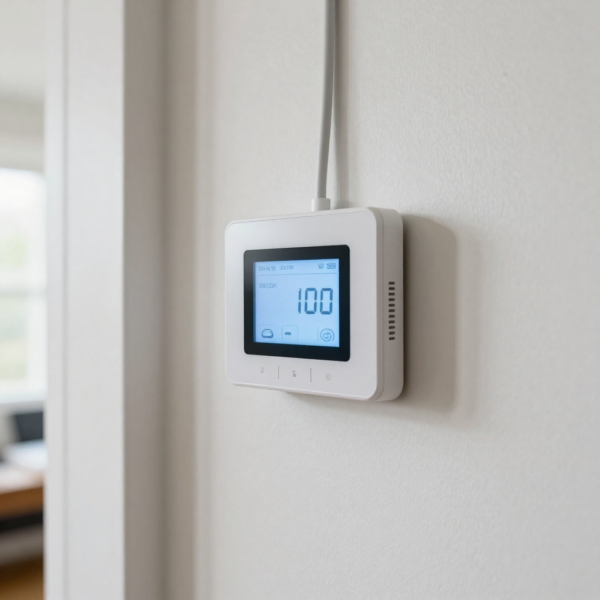
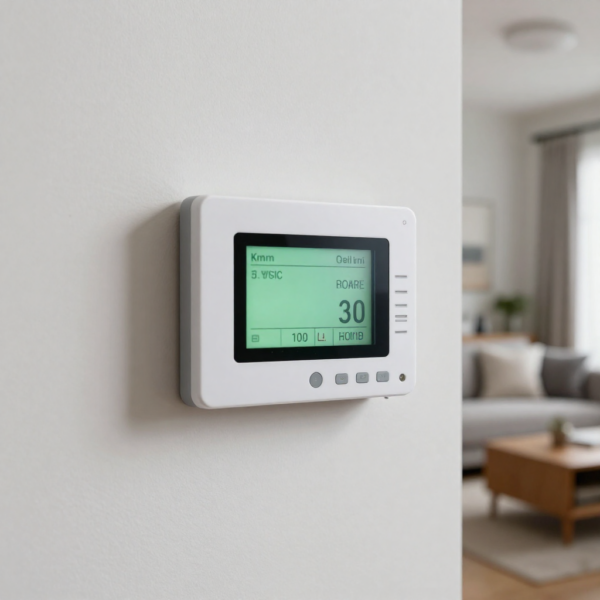
Climate control is another area where existing infrastructure can be reused effectively. Most heating and cooling systems already have basic thermostat wiring. Smart thermostats are designed to connect to these same terminals, adding scheduling, remote access, and automation without altering the underlying system. Wireless temperature sensors further enhance control by providing room-level data without new wiring.
Smart Automation Solutions That Deliver the Most Value on a Budget
Not all smart devices offer the same return on investment. The most effective smart automation solutions focus on areas that impact daily routines. Lighting automation reduces wasted energy and improves convenience. Climate automation improves comfort while lowering utility bills. Security and access automation improve peace of mind without requiring professional monitoring or complex wiring.
Smart plugs are one of the most underestimated tools in a budget-friendly smart home. By plugging into an existing outlet, they allow almost any appliance to become smart. Lamps, heaters, fans, coffee machines, and entertainment systems can all be controlled remotely or scheduled automatically. This avoids replacing working appliances and keeps costs low.
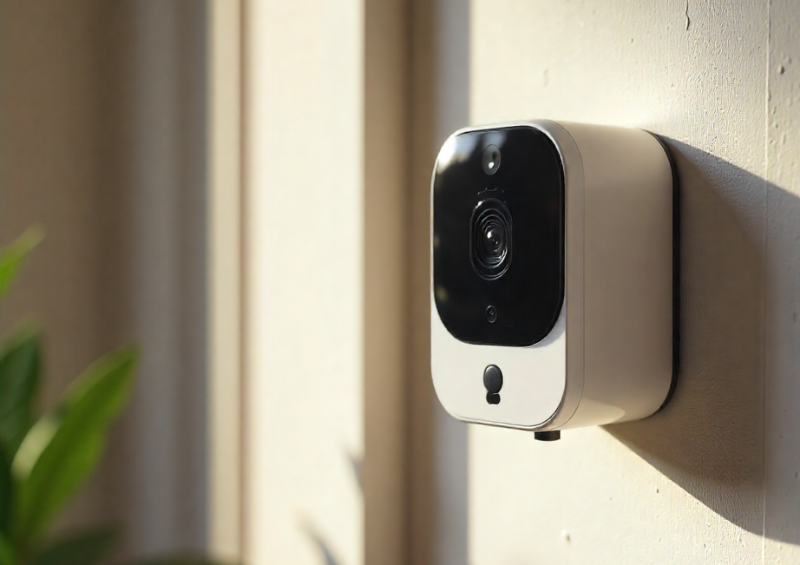
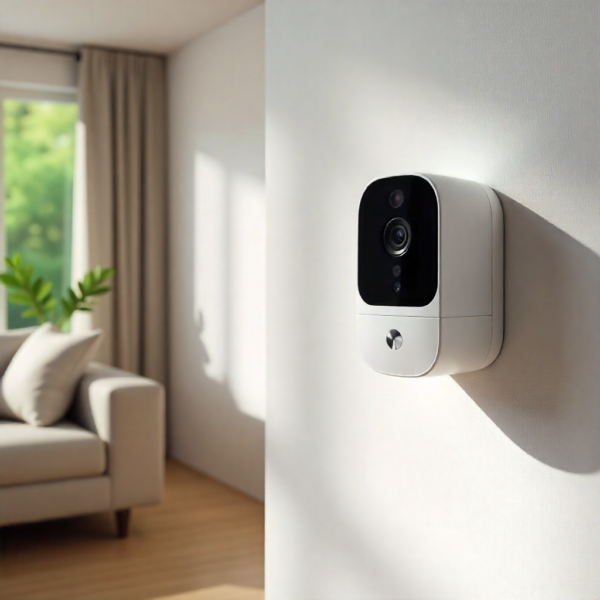
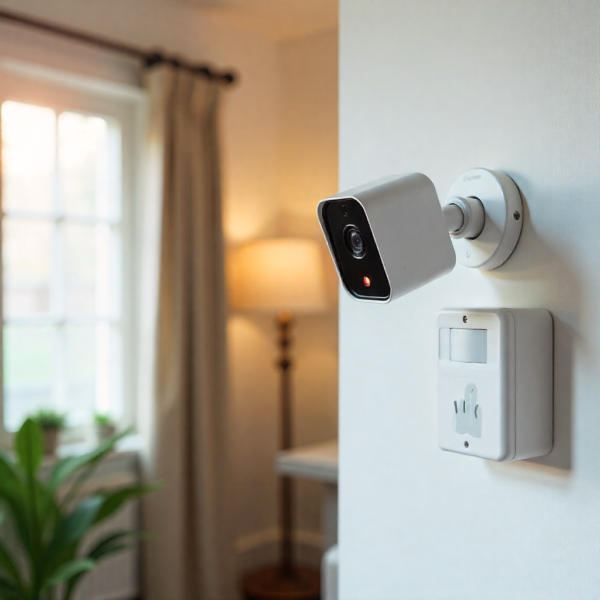
Security automation has also become significantly more accessible. Battery-powered cameras, motion sensors, and door or window sensors can be installed without drilling or cabling. Smart locks and video doorbells are designed to retrofit onto existing doors, improving access control and security without structural changes. These solutions are especially valuable in apartments and rental properties, where permanent installation is restricted.
Installation Tips to Build a Smart Home Without Structural Changes
Installation costs are one of the most common reasons smart home projects exceed budget. Choosing devices designed for DIY or simple retrofit installation helps avoid unnecessary labour costs. Many modern devices are designed to be installed using existing wall boxes, brackets, or mounting points.
Testing automation in a single room before expanding is another important strategy. This allows you to confirm compatibility, network performance, and real-world usefulness before committing to additional devices. A staged approach is central to building a budget-friendly smart home, as it prevents spending money on features that may not deliver value.
It is also important to document your setup as you go. Keeping track of devices, platforms, and automation rules makes future expansion easier and avoids confusion as the system grows.
Common Mistakes That Increase Costs in a Budget-Friendly Smart Home
One of the most common mistakes is trying to automate everything at once. Over-automation increases complexity and often results in unused features. Another frequent issue is choosing devices that are not compatible with each other, leading to additional hubs, replacements, or workarounds.
Platform lock-in is another hidden cost. Proprietary ecosystems may seem attractive initially, but they can limit future expansion and force upgrades when support changes. Choosing flexible smart automation solutions protects your investment and keeps long-term costs under control.
How to Scale Smart Automation Solutions Gradually Over Time
A smart home should evolve naturally. Starting with entry points, main living areas, and climate control delivers immediate benefits. Additional rooms, devices, and automation rules can then be added as needs change.
This gradual approach spreads costs over time and allows homeowners to adapt their system without pressure. A budget-friendly smart home is not defined by how much technology it contains, but by how well that technology fits daily life.
Long-Term Reliability and Maintenance Without Extra Wiring
Battery-powered devices remove the need for wiring but require maintenance. Choosing devices with long battery life and standardising battery types reduces both cost and effort. Regular checks help prevent unexpected failures.
Network reliability is equally important. Strategic router placement or the use of mesh Wi-Fi systems can often solve connectivity issues without rewiring. Reliable connectivity ensures that smart automation solutions perform consistently.
Is a Budget-Friendly Smart Home Right for Renters and Older Homes?
Renters and owners of older homes often benefit the most from no-rewire automation. Portable, battery-powered, and non-invasive devices can be installed and removed easily. This makes them ideal for temporary living situations or heritage properties where modifications are restricted.
A budget-friendly smart home allows renters to enjoy modern convenience without risking lease violations or property damage.
Final Thoughts: Building a Practical Smart Home Without Rewiring
Building a smart home no longer requires major renovation or high upfront investment. By focusing on smart automation solutions designed for retrofitting and wireless operation, homeowners can create a budget-friendly smart home that improves comfort, efficiency, and security.
The key is not to automate everything, but to automate thoughtfully. When technology is applied with purpose, smart homes become practical tools that enhance everyday living—without rewiring, without disruption, and without unnecessary expense.
Whether you’re starting with a single room or planning a gradual whole-home upgrade, choosing the right smart devices from the beginning ensures long-term reliability, compatibility, and value. Upgrade your home with confidence and invest in smart automation solutions that fit your lifestyle, your space, and your budget.
Shop smart automation solutions for building a budget-friendly smart home without costly rewiring