Home insurance is designed to protect homeowners from financial loss, but insurers increasingly look beyond traditional risk factors such as location and building materials. Today, risk prevention plays a major role in how insurers assess properties, premiums, and claims. This is where Smart Automation Solutions are making a measurable impact.
Smart automation is no longer just about convenience or lifestyle upgrades. It is now a powerful tool for improving home safety, reducing risk, and demonstrating proactive risk management to insurance providers. From smart security systems and water leak detection to fire monitoring and access control, automation technologies can directly influence insurance benefits.
This buyer’s guide explains how smart devices improve home insurance outcomes, what types of systems insurers value most, and how homeowners can choose and implement automation strategically to maximise protection, savings, and peace of mind.
Table of Contents
ToggleWhy insurers care about smart automation
Insurance companies assess risk. The lower the likelihood of damage, theft, or loss, the more favourable the insurance terms tend to be. Traditionally, insurers relied on static factors such as postcode, construction type, and past claims history.
Smart automation introduces dynamic risk reduction. Automated systems detect threats early, respond automatically, and notify homeowners in real time. This significantly reduces the severity and cost of incidents.
As a result, insurers increasingly recognise smart automation as a risk-mitigation tool rather than a luxury feature.
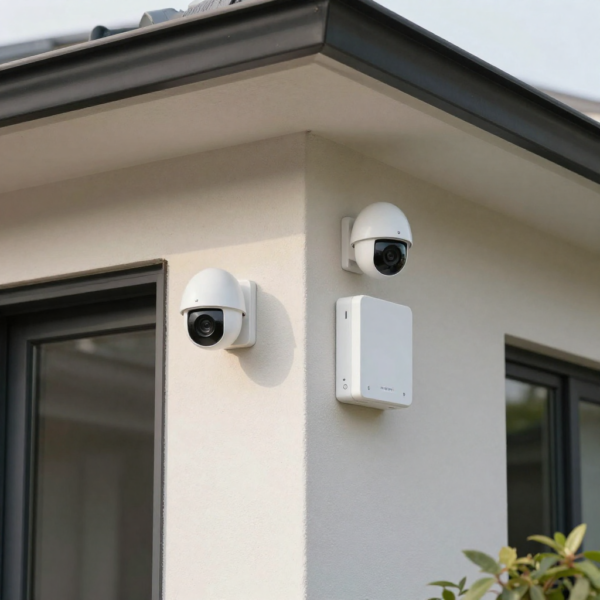
Understanding Smart Automation Solutions in the home
Smart automation solutions refer to connected systems that monitor, control, and respond to events automatically or remotely. These systems typically integrate sensors, controllers, and software platforms.
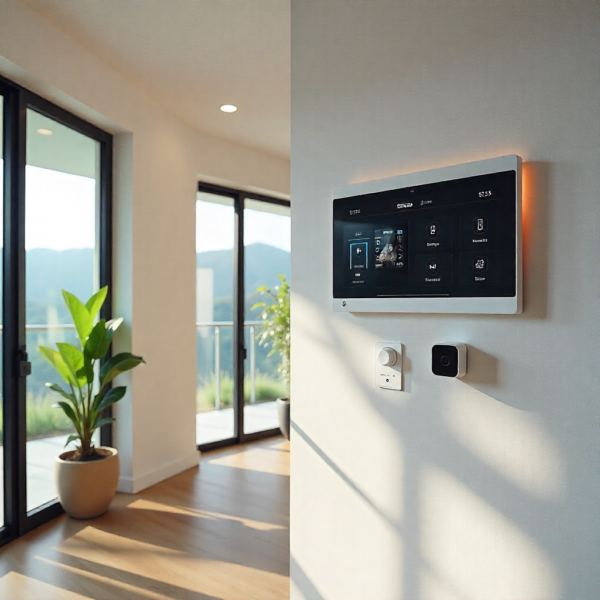
Common examples include smart security alarms, automated door locks, smoke and heat detectors, water leak sensors, and environmental monitoring devices. These systems can operate independently or as part of a unified smart home ecosystem.
What sets smart automation apart is its ability to act proactively. Instead of reacting after damage occurs, automation aims to prevent or minimise loss.
The link between automation and insurance risk reduction
Insurance claims often arise from a few high-impact events: burglary, fire, water damage, and liability incidents. Smart devices directly target these risk areas.
Early detection reduces damage severity. Automated alerts reduce response times. Remote access enables homeowners to act even when away.
From an insurer’s perspective, a home equipped with smart automation is statistically less likely to generate costly claims.
Smart security systems and burglary prevention
Burglary remains one of the most common insurance claims for homeowners. Traditional alarms help, but smart security systems take protection further.
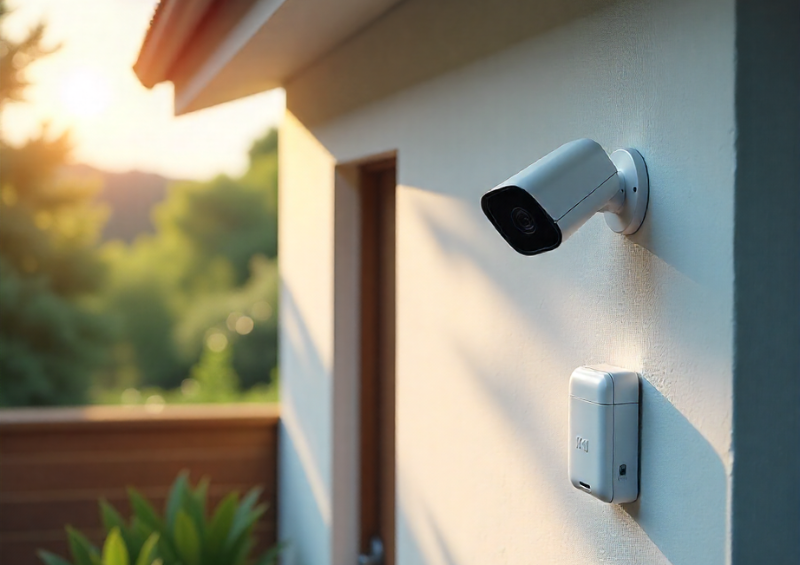
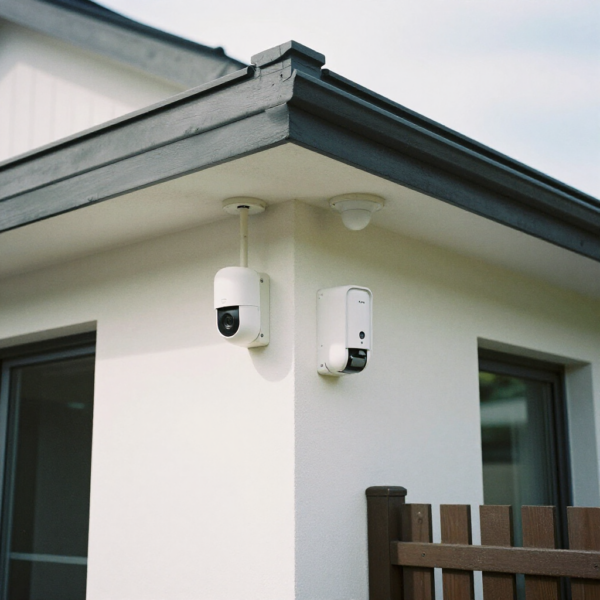
Smart devices include motion sensors, door and window sensors, cameras, and smart lighting that work together. These systems provide real-time alerts, video verification, and remote monitoring.
Some systems can automatically trigger lights, lock doors, or notify security services when suspicious activity is detected. This layered approach significantly reduces successful break-ins.
How smart security impacts insurance benefits
Insurers value deterrence and verification. Homes with visible security measures and monitored systems are lower risk.
Smart automation solutions provide event logs, camera footage, and proof of forced entry, which can simplify claims processing and reduce disputes.
In some cases, insurers offer lower premiums or policy incentives for homes with certified or monitored security systems.
Fire detection and prevention through smart automation
Fire damage is one of the most expensive types of insurance claims. Early detection is critical.
Smart smoke and heat detectors provide faster alerts than traditional alarms. They can notify homeowners remotely, trigger automated responses, and integrate with other systems.
For example, smart automation solutions can turn off HVAC systems to reduce smoke spread or unlock doors to assist evacuation.
Reducing fire-related insurance risk
From an insurance perspective, the ability to detect and respond to fire early dramatically reduces claim size.
Smart fire monitoring demonstrates proactive risk management. Insurers are more confident insuring properties where fire detection is continuous and connected.
For homeowners, this translates into improved safety and potentially better insurance terms.
Water leak detection and damage prevention
Water damage is one of the most frequent and costly home insurance claims. Burst pipes, leaking appliances, and unnoticed leaks can cause extensive damage.
Smart automation solutions address this risk through water leak sensors and automated shutoff valves. These systems detect leaks early and can stop water flow automatically.
By preventing prolonged water exposure, automation significantly reduces damage severity and repair costs.
Why insurers value smart water management
Water-related claims are expensive and often preventable. Insurers recognise that early detection and automatic shutoff reduce losses.
Homes with smart water leak detection systems present a lower risk profile. Some insurers actively recommend or incentivise these solutions.
For homeowners, the return on investment is often immediate, especially when a single prevented incident avoids major repairs.
Smart access control and liability reduction
Access control is not only about security—it also affects liability risk.
Smart locks and automated access systems ensure doors are locked properly and access is controlled. Temporary access permissions reduce the risk of unauthorised entry.
Smart automation solutions also provide audit trails, showing when doors were opened and by whom. This can be valuable in liability or theft claims.
Environmental monitoring and home protection
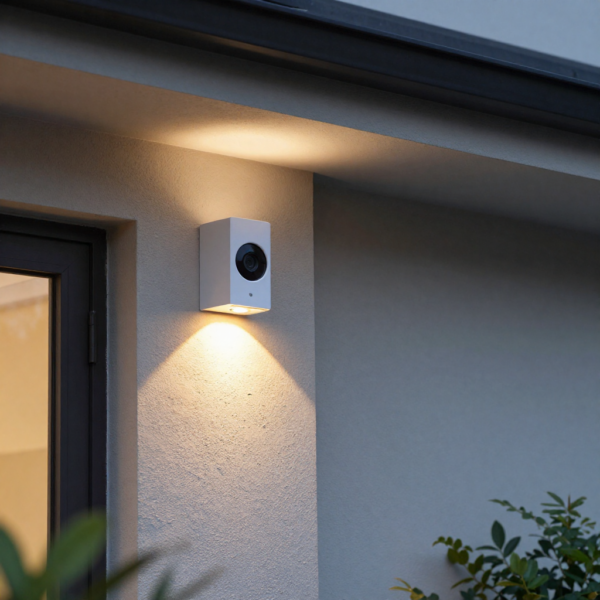
Smart automation extends beyond security and water management. Environmental sensors monitor temperature, humidity, and air quality.
Extreme temperatures can damage pipes, electronics, and building materials. Smart systems can alert homeowners to heating failures or abnormal conditions.
By maintaining stable environments, automation reduces the risk of secondary damage that may lead to insurance claims.
Remote monitoring and response advantages
One of the most powerful aspects of smart devices is remote access.
Homeowners can monitor their property from anywhere, receive instant alerts, and take action immediately. This is especially valuable for holiday homes or properties left unoccupied for extended periods.
Insurers recognise that remote monitoring reduces response time, which directly lowers claim severity.
Smart automation and unoccupied home policies
Insurance policies often include stricter conditions for unoccupied homes. Risks increase when properties are left unattended.
Smart automation solutions help mitigate these risks by providing continuous monitoring and alerts.
This can make it easier to comply with policy conditions and avoid denied claims due to lack of supervision.
Data, evidence, and smoother insurance claims
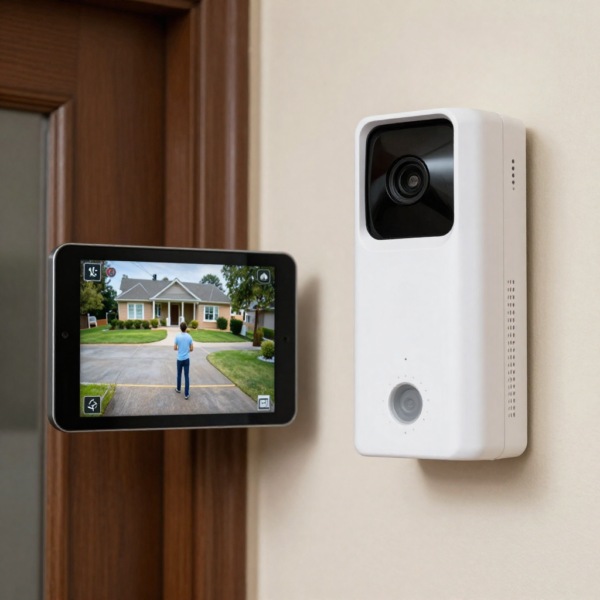
Insurance claims often depend on evidence. Smart automation systems generate data logs, timestamps, and recordings.
This documentation can support claims by proving when an event occurred, how it happened, and what actions were taken.
Clear evidence reduces disputes and speeds up claim resolution, benefiting both homeowners and insurers.
Do smart automation solutions lower insurance premiums
Whether smart automation lowers premiums depends on the insurer and policy. Not all insurers offer direct discounts.
However, even when premiums remain unchanged, automation can still provide financial benefits by reducing claims, excess payments, and uninsured losses.
In some cases, insurers offer incentives, endorsements, or preferred terms for homes with certified automation systems.
What insurers typically look for in smart systems
Insurers focus on reliability, certification, and proper installation. DIY systems may not carry the same weight as professionally installed solutions.
Systems that provide continuous monitoring, automated response, and documented performance are more likely to be recognised.
When selecting smart devices, homeowners should consider systems designed for long-term reliability rather than novelty features.

Choosing smart automation with insurance in mind
Not all smart devices contribute equally to insurance benefits. Buyers should prioritise systems that address major risk categories.
Security, fire detection, water management, and access control deliver the most insurance-relevant value.
Integration is also important. Unified systems provide better coverage and more comprehensive risk reduction than standalone devices.
Installation quality and ongoing maintenance
Even the best smart automation solutions can fail if installed incorrectly or poorly maintained.
Sensors must be positioned correctly, devices kept updated, and batteries replaced as needed. Regular testing ensures systems remain functional.
Insurers are more confident when automation systems are professionally installed and maintained.
Privacy and data security considerations
Smart automation systems collect data. Homeowners must ensure that systems use secure communication and reputable platforms.
Data breaches or compromised systems introduce new risks. Choosing trusted brands and following cybersecurity best practices is essential.
Insurers may consider cybersecurity as part of overall risk assessment in the future.
Cost vs long-term insurance value
Smart automation involves upfront investment, but the long-term value often outweighs the cost.
Preventing a single major claim can justify years of system operation. Reduced damage, faster claims, and improved safety all contribute to financial benefit.
For many homeowners, smart automation is an investment in resilience rather than a discretionary upgrade.
Smart automation for different home types
Detached homes, apartments, and multi-dwelling properties all benefit from smart automation, but priorities may differ.
Detached homes often focus on perimeter security and water management. Apartments may prioritise fire detection and access control.
Understanding property-specific risks helps tailor smart automation solutions effectively.
Future trends: automation and insurance integration
The relationship between insurance and smart device is evolving.
Some insurers are beginning to partner with technology providers, offering devices or monitoring services as part of insurance packages.
In the future, dynamic insurance models may adjust premiums based on real-time risk data from smart automation systems.
Who benefits most from smart automation insurance advantages
Homeowners in high-risk areas benefit significantly, but even low-risk properties gain value through prevention and evidence.
Owners of high-value homes, rental properties, and holiday homes also benefit from enhanced monitoring and control.
Ultimately, anyone seeking to reduce risk and improve insurance outcomes can benefit from smart devices.
Buy Smart Automation Solutions to reduce home insurance risk
Final thoughts on smart automation and home insurance
Insurance is about managing risk, and Smart Automation Solutions are powerful tools for reducing that risk proactively.
By detecting threats early, responding automatically, and providing clear evidence, smart automation improves safety, resilience, and insurance outcomes.
For homeowners looking beyond convenience and focusing on long-term protection, investing in smart automation is a strategic decision that aligns safety, technology, and financial security.