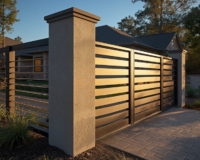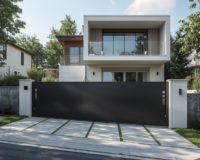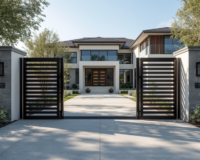
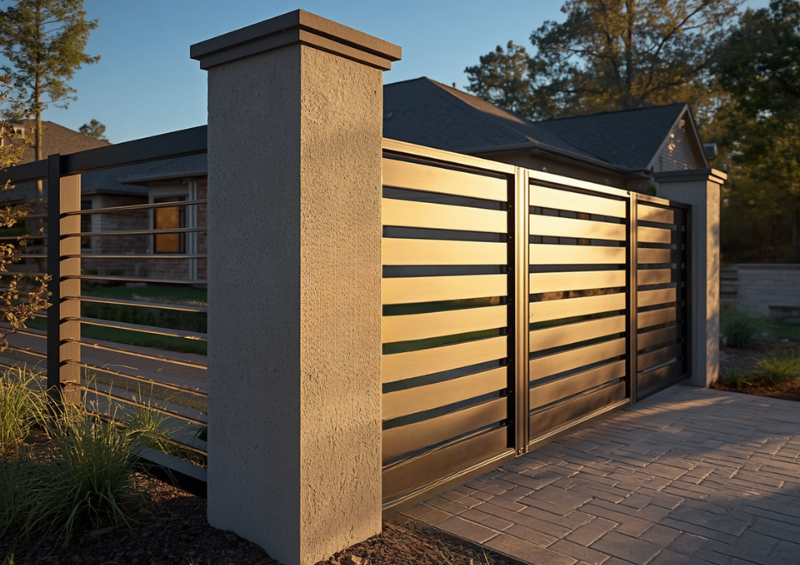
Selecting the right swing gate system is not just a technical decision—it’s a balance between aesthetics, engineering, cost, and long-term usability. When it comes to underground vs above ground swing gate automation, the differences go far beyond where the motor is placed. Each system affects how your gate looks, how it performs, how much it costs to install, and how easy it is to maintain over time.
For specifiers, architects, and premium residential buyers, this decision is especially important. A poorly matched system can compromise design intent or create avoidable maintenance issues. A well-chosen system, on the other hand, enhances both functionality and property value.
This in-depth swing gate comparison will help you understand the real-world differences, using practical evaluation criteria and referencing solutions from Beninca and Nice where relevant.
Table of Contents
ToggleWhat Defines Underground and Above-Ground Systems
At the core of this comparison is a simple distinction: placement.
An underground swing gate motor is installed beneath the gate hinge, hidden inside a foundation box. The motor operates the gate through a pivot mechanism, making the automation invisible from the outside.
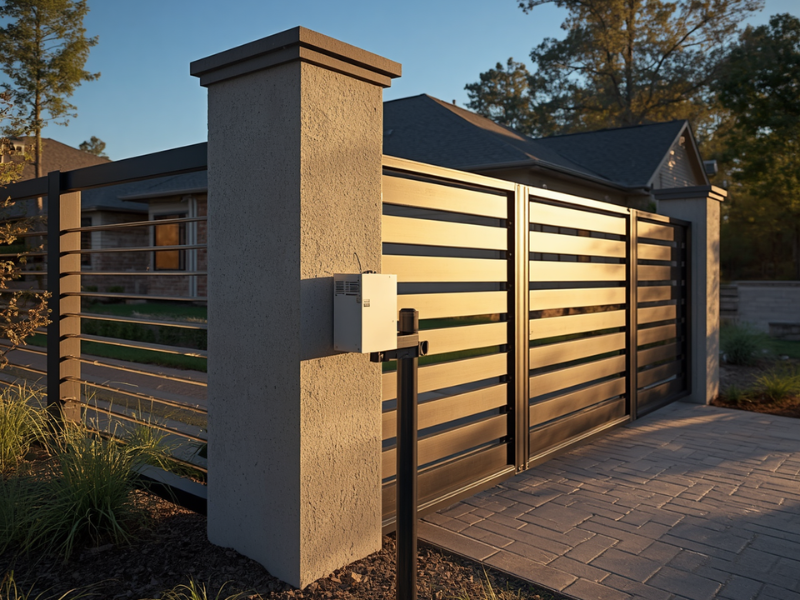
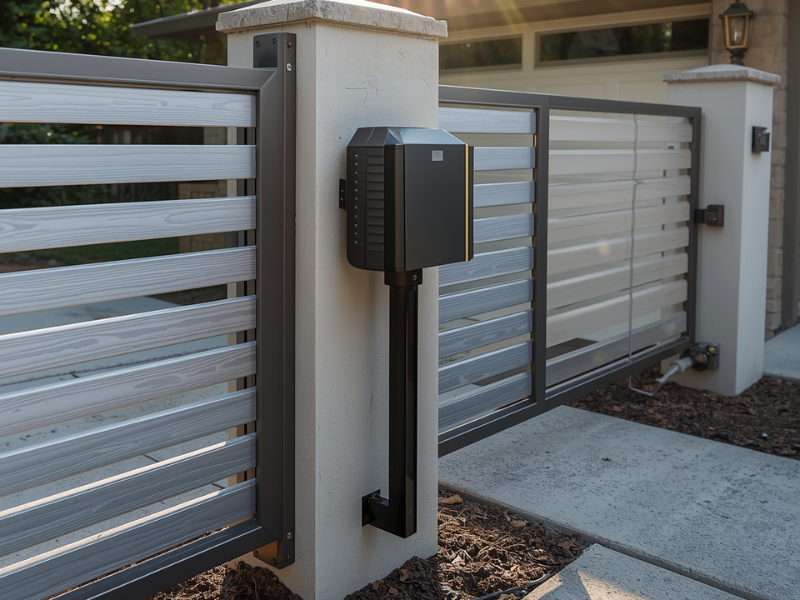
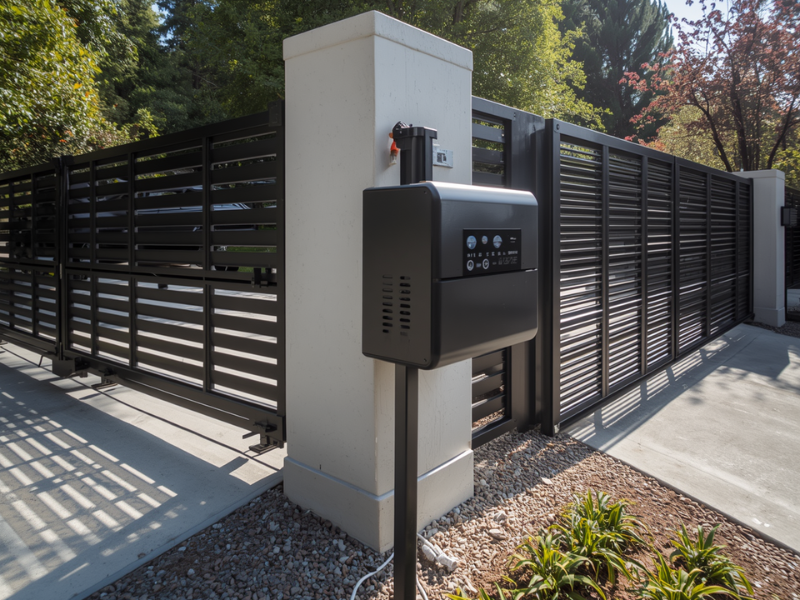
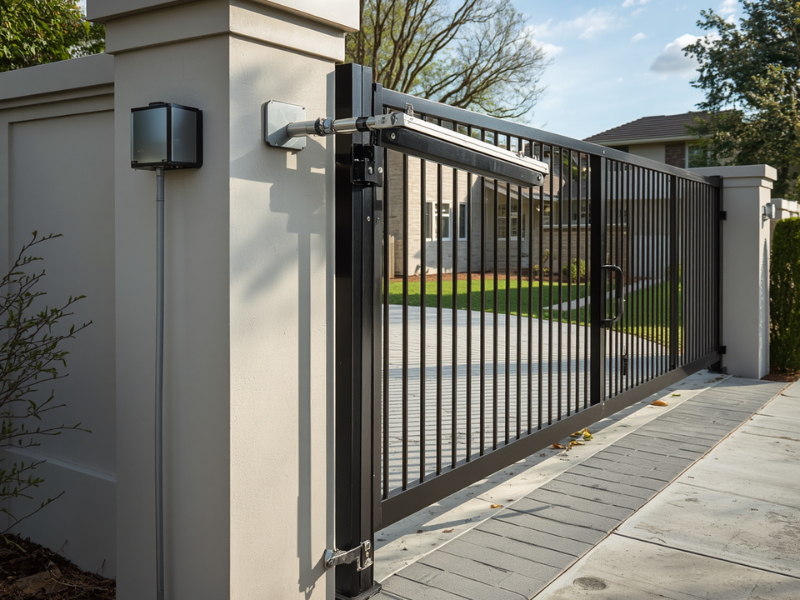
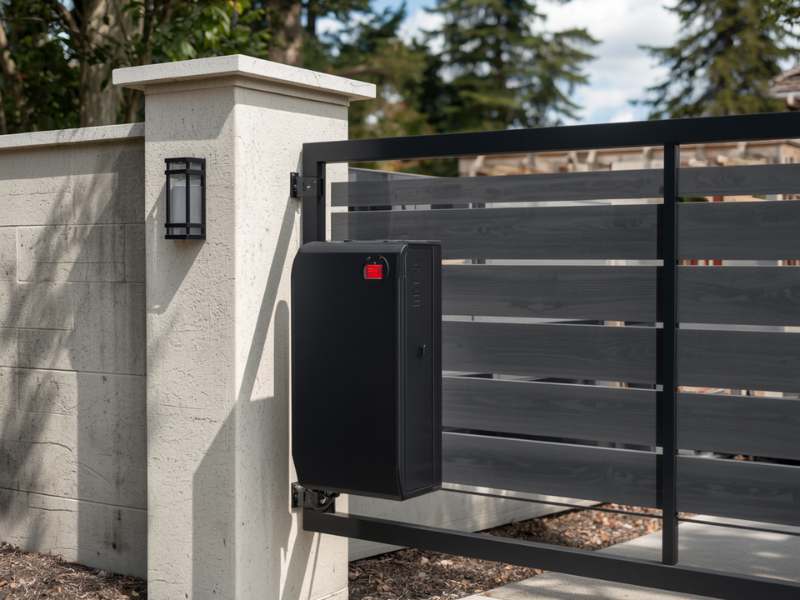
An above-ground gate opener is mounted on the gate post or leaf, typically using a linear actuator or articulated arm. This makes the system visible but easier to install and service.
This difference in placement creates a ripple effect across every aspect of performance and ownership.
Why the Choice Impacts More Than Appearance
It’s easy to assume this decision is purely aesthetic—but it’s not.
Choosing between underground and above-ground automation directly affects:
- Installation complexity and cost
- Exposure to environmental conditions
- Ease of maintenance and servicing
- Compatibility with different gate designs
- Long-term reliability
Understanding these factors ensures you don’t overspend on unnecessary features—or underinvest in critical performance.
Aesthetics and Architectural Integration
For high-end residential projects, appearance often plays a major role.
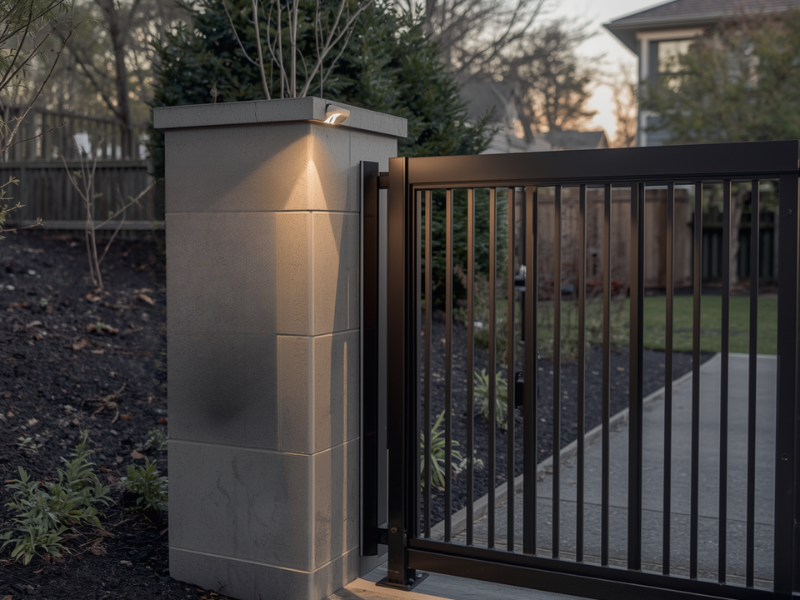
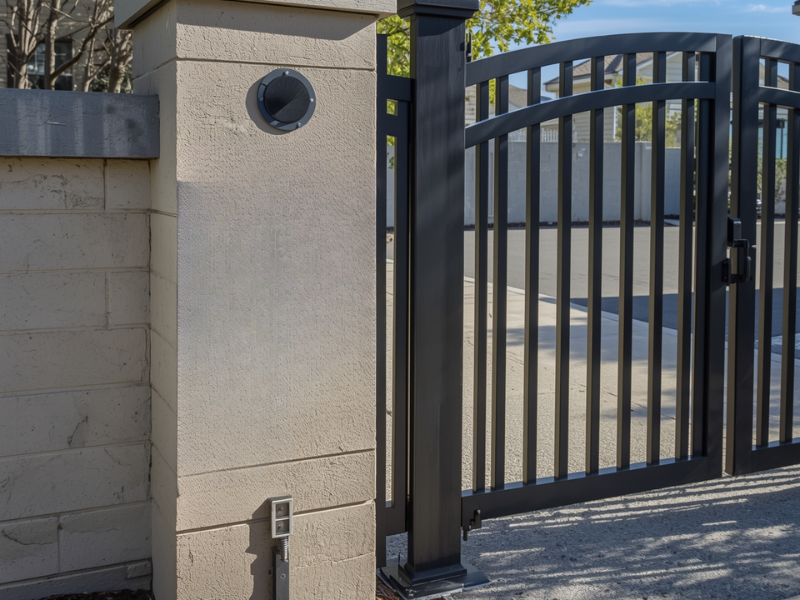
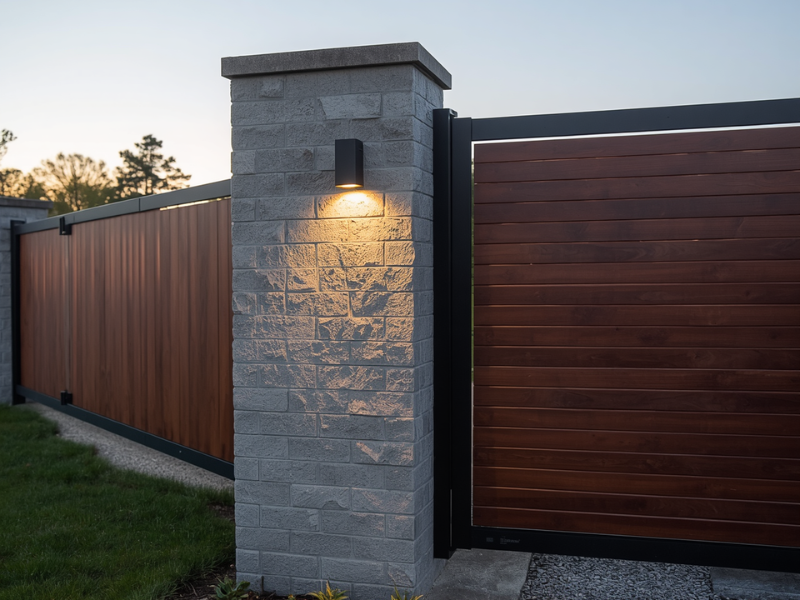
Underground systems provide a completely hidden solution. There are no visible motors, arms, or brackets—just the gate itself. This creates a clean, minimalist look that integrates seamlessly with modern or heritage architecture.
Above-ground systems are visible, but modern designs have improved significantly. Manufacturers like Nice offer sleek, compact units that reduce visual impact, while Beninca focuses on durable, well-engineered housings.
Still, when aesthetics are the top priority, underground automation remains the premium choice.
Installation Complexity and Planning Requirements
Installation is where the biggest practical differences appear.
Underground systems require:
- Excavation and concrete foundation work
- Precise alignment with gate hinges
- Electrical cabling routed underground
- Drainage systems to prevent water accumulation
This level of preparation increases installation time and cost. It also means underground systems are best suited for new builds or major renovations.
Above-ground systems are far simpler:
- Mounted directly onto existing structures
- Minimal site modification required
- Faster installation process
- Lower labor costs
For retrofit projects, above-ground automation is usually the more practical option.
Drainage and Water Management: A Critical Factor
One of the most important considerations for underground systems is water management.
Because the motor sits below ground level, it is exposed to:
- Rainwater runoff
- Groundwater seepage
- Flooding in poorly drained areas
Without proper drainage, water can damage internal components and shorten system lifespan.
A successful underground installation must include:
- Drainage channels or soakaways
- Waterproof enclosures
- Regular inspection access
Above-ground systems avoid this issue entirely, making them more forgiving in environments with poor drainage.
Maintenance and Long-Term Accessibility
Maintenance is often overlooked during purchase—but it has a major impact over time.
Underground motors are harder to access. Servicing requires opening underground boxes, which can be inconvenient and time-consuming.
Above-ground systems offer full visibility and easy access, making:
- Routine inspections quicker
- Repairs simpler
- Maintenance costs lower
For properties where long-term convenience is a priority, above-ground systems provide a clear advantage.
Durability and Environmental Exposure
Each system type faces different environmental challenges.
Underground systems must withstand:
- Moisture and humidity
- Dirt and debris accumulation
- Temperature variations below ground
Above-ground systems are exposed to:
- Sunlight and UV radiation
- Rain and wind
- Physical impact
High-quality systems from Beninca and Nice are designed to handle these conditions, but the type of exposure still influences long-term durability.
Performance and Power Considerations
In terms of performance, both systems can deliver reliable operation—but they behave differently.
Underground systems provide:
- Smooth, natural movement aligned with the hinge
- Minimal visual interference
- Quiet operation
Above-ground systems offer:
- Greater flexibility for different gate sizes and weights
- Easier adjustment of force and speed
- Better handling of irregular or heavy gates
For demanding or non-standard installations, above-ground systems often provide more practical performance.
Opening Angles and Space Efficiency
Underground systems have a key advantage when it comes to opening angles.
Because they operate directly at the hinge point, they can achieve wider opening angles—often exceeding 100 degrees—depending on installation.
Above-ground systems may be limited by:
- Arm geometry
- Mounting position
- Structural constraints
If your site requires maximum opening flexibility, underground automation may be the better choice.
Compatibility With Gate Types and Designs
Your gate design plays a crucial role in system selection.
Underground motors work best with:
- Custom-built gates
- Symmetrical designs
- Architecturally integrated projects
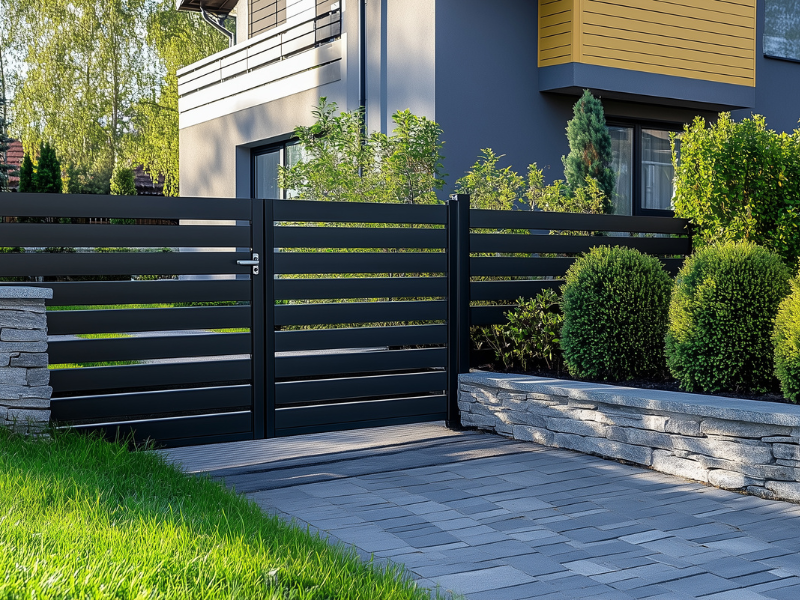
Above-ground systems are more adaptable and can be used with:
- Existing gates
- Asymmetrical designs
- Lightweight or heavy materials
This versatility makes above-ground systems suitable for a wider range of applications.
Cost Breakdown: Upfront vs Lifecycle Value
Cost is one of the biggest factors in this underground vs above ground swing gate automation comparison.
Underground systems typically involve:
- Higher installation costs
- Additional civil work
- Drainage infrastructure
Above-ground systems offer:
- Lower upfront costs
- Faster installation
- Reduced labor expenses
However, lifecycle value should also be considered. A system that is easier to maintain and service may offer better long-term savings.
Safety and Control Features
Both system types can support modern safety features, including:
- Obstacle detection
- Safety sensors and photocells
- Soft start and stop
- Integration with access control systems
There is little difference in capability—only in how easily components can be accessed and maintained.
When Underground Automation Is the Right Choice
Underground systems are ideal for:
- Premium residential properties
- Projects where aesthetics are critical
- New constructions with planned infrastructure
- Situations requiring wide opening angles
They offer a clean, high-end solution but require proper planning and investment.
When Above-Ground Automation Makes More Sense
Above-ground systems are better suited for:
- Retrofit installations
- Budget-conscious projects
- Sites with limited construction flexibility
- Applications requiring easy maintenance
They provide reliable performance with fewer installation challenges.
Comparing Beninca and Nice Swing Automation
Both Beninca and Nice offer strong solutions in both categories.
Beninca is known for:
- Robust engineering
- High durability
- Strong performance under load
Nice focuses on:
- Advanced control systems
- Smooth and quiet operation
- Modern, user-friendly design
The choice depends on whether your priority is strength, control, or design integration.
Common Mistakes to Avoid
Many buyers make avoidable errors when choosing between these systems.
They select underground automation without planning drainage. Or they choose above-ground systems for high-end projects where aesthetics are critical.
Another common mistake is focusing only on upfront cost instead of long-term value.
Avoiding these pitfalls ensures better performance and fewer surprises.
A Practical Decision Framework
To choose the right system, ask yourself:
- Is visual appearance a priority?
- Do you have the budget for complex installation?
- Is easy maintenance important?
- Are you working on a new build or retrofit?
- What are the environmental conditions?
Answering these questions helps align your choice with your actual needs.
Final Thoughts: Choosing the Right Balance
There is no universal winner in the underground vs above ground swing gate automation debate.
Underground systems deliver unmatched aesthetics and seamless integration. Above-ground systems offer practicality, flexibility, and cost efficiency.
The right choice depends on your priorities—design, budget, maintenance, and site conditions.
By evaluating these factors carefully, you can select a system that delivers reliable performance, long-term value, and the right balance between form and function.