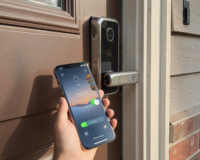
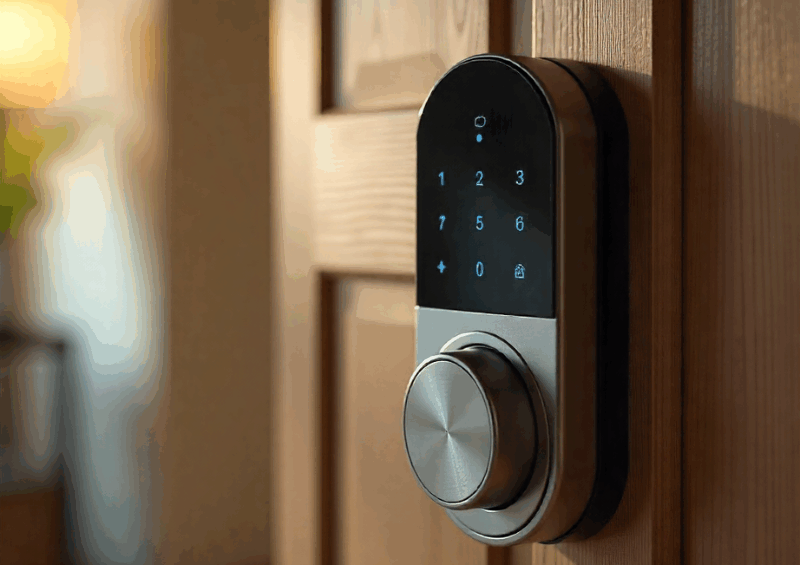
In today’s increasingly connected world, homes are evolving from simple living spaces into smart environments capable of responding intelligently to your lifestyle. One of the most powerful upgrades in this transformation is the integration of access control systems with modern smart home hubs. When combined with wireless protocols such as Z-Wave, Zigbee, and wired building automation standards like KNX, your home’s entry points can become more secure, more convenient, and deeply automated.
Whether you are a homeowner, installer, security professional, or smart home enthusiast, understanding how to bridge access control hardware with smart hubs is essential for building a modern and resilient home automation ecosystem. This guide explains integration methods, hardware compatibility, setup workflows, best practices, troubleshooting steps, and future trends—all written to help you achieve a seamless, secure, and intelligent access control network.
Understanding Modern Access Control Systems in Smart Homes
Access control systems are no longer limited to commercial buildings. In a smart home environment, these systems manage who can enter your property and how they authenticate access. They protect doorways, gates, garages, and even internal rooms.
Modern residential access control systems typically include:
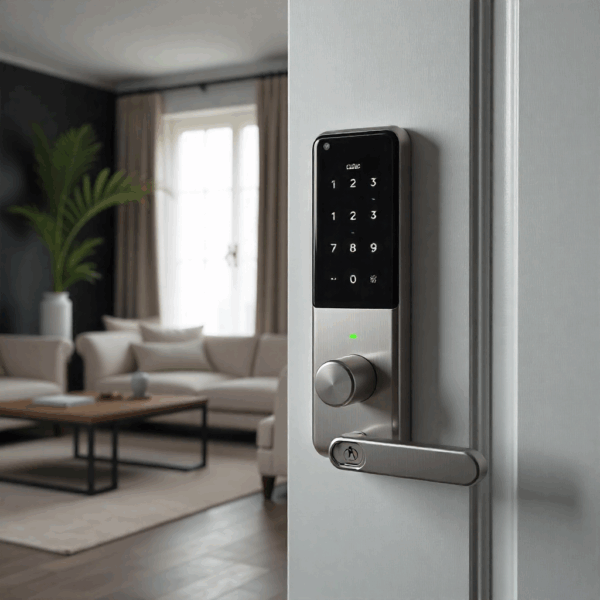
Electronic Door Locks
Such as smart deadbolts, mortise locks, and electromagnetic locks.
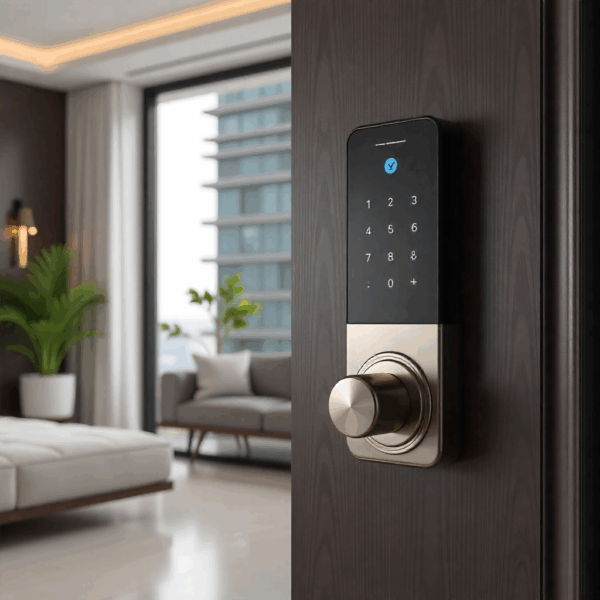
Keypads and Touch Panels
Useful for PIN-based unlocking and multi-user control.
RFID and Card Readers
Common in office-style access that’s now entering luxury homes.
Biometric Readers
Including fingerprint, facial recognition, and palm-vein scanners.
Intercom and Video Doorbell Systems
Combining visitor communication with remote unlocking features.
Gate and Garage Access Modules
Controlling swing gates, sliding gates, roller doors, and tilt garages.
The goal of integrating these devices with a smart home hub is to automate, monitor, and control your entry points in a unified interface.
Why Connect Access Control Systems With Smart Home Hubs?
Integrating access control systems with smart home hubs unlocks powerful benefits, including convenience, security, and automation. Some essential advantages include:
Unified Management
Control doors, sensors, cameras, lights, and alarms from a single interface instead of juggling multiple apps.
Remote Access
Lock or unlock your home from anywhere using the internet.
Event-Based Automation
For example:
-
Unlocking a smart door triggers hallway lighting.
-
A gate opens automatically when your car arrives home.
-
A security breach triggers alarms or camera recording.
Enhanced Monitoring
Receive alerts for:
-
Wrong access codes
-
Failed biometric attempts
-
Door forced open
-
Door left unlocked or ajar
Multi-Protocol Compatibility
Using Z-Wave, Zigbee, or KNX smart hubs expands your options for connecting wider home automation devices.
Access Logs and History Tracking
Know exactly when guests, cleaners, or family members entered or left.
Overview of Smart Home Protocols for Access Control Integration
Before you begin integration, it helps to understand the three major home automation protocols used for access control connectivity.
Z-Wave Access Control Integration
Z-Wave is one of the most popular wireless protocols for residential automation. It is ideal for smart locks and access systems because of its reliability and low power consumption.
Why Z-Wave Works Well With Access Control Systems
-
Uses AES-128 or S2 encryption for secure communication
-
Mesh networking allows large homes to maintain strong signal reliability
-
Broad device compatibility with major smart home hubs
-
Designed for low bandwidth, making it perfect for locks and sensors
Common Z-Wave Devices for Access Control
-
Smart deadbolts
-
Z-Wave door controllers
-
Keypad locks
-
Garage controllers
-
Entry sensors
-
Power relays for gates or strike plates
Most modern smart locks (e.g., Yale, Schlage, Danalock) offer Z-Wave modules for seamless integration.
Zigbee Access Control Integration
Zigbee is another mesh-based wireless protocol similar to Z-Wave, but often preferred in ecosystems like Philips Hue, Amazon Echo, SmartThings, and Aqara.
Key Advantages of Zigbee for Access Control
-
Fast response time
-
Low energy usage
-
Highly scalable network (supports thousands of devices)
-
Strong manufacturer support
-
Ideal for sensors, door locks, and access devices
Popular Zigbee Devices for Access Control
-
Zigbee smart locks
-
Door/window sensors
-
Motion and occupancy sensors (helpful for entry automation)
-
Zigbee relays and contact modules
-
Video doorbell bridges supporting Zigbee
Zigbee is especially strong in Asian and European markets.
KNX Access Control Integration
KNX is a wired home and building automation standard used primarily in high-end homes, villas, commercial structures, and luxury smart buildings.
Why KNX Is Powerful for Access Control Systems
-
Very stable hardwired communication
-
KNX Secure (intrusion-proof encrypted communication)
-
Supports professional-grade access control hardware
-
Can integrate RFID, biometric systems, intercoms, and door controllers
-
Works with large-scale systems requiring long-term reliability
Typical KNX Access Control Hardware
-
Keypads
-
Biometric readers
-
RFID readers
-
KNX-enabled electric strikes and maglocks
-
Touch panels with access controls
-
Gate controllers with KNX relays
KNX requires certified specialists for setup but provides unmatched performance in premium installations.
Learn why KNX is the smartest choice for secure home automation—read our full guide here.
How Your Smart Home Hub Manages Access Control Systems
Smart home hubs act as the “central brain” bridging your access control devices with your automation routines.
Common hubs supporting access control include:
-
SmartThings (Z-Wave, Zigbee)
-
Hubitat Elevation (Z-Wave, Zigbee)
-
Home Assistant (Z-Wave, Zigbee, KNX with add-ons)
-
Fibaro Home Center (Z-Wave)
-
Vera / Ezlo (Z-Wave)
-
KNX IP Interfaces (KNX)
-
Amazon Echo (Zigbee)
-
Aqara Hub (Zigbee)
A hub allows your access control systems to:
-
Sync states (locked/unlocked, opened/closed)
-
Share status with other devices
-
Execute automation routines
-
Provide push notifications
-
Synchronize access permissions
-
Store logs and event data
Once connected, the hub becomes the command center for your entire access control network.

How to Integrate Access Control Systems With Smart Home Hubs
Below is a step-by-step workflow that works for nearly all access control hardware across Z-Wave, Zigbee, and KNX ecosystems.
Step 1: Identify Your Smart Home Protocol
Determine whether your access control hardware supports:
-
Z-Wave
-
Zigbee
-
KNX
-
Or IP/Wi-Fi (may require a bridge)
If your smart lock or access system is not natively compatible, you may need:
-
A relay module
-
A protocol converter
-
A smart hub with multi-protocol support
Step 2: Prepare Your Access Control Device
For a smart lock, ensure:
-
Fresh batteries installed
-
Device is in pairing mode
-
Factory reset if previously paired
-
Within range of your hub or repeaters
For KNX devices:
-
Ensure they are configured in ETS software
-
Confirm group addresses
-
Verify link with KNX IP interface
Step 3: Pair the Device With Your Smart Hub
Z-Wave Devices
Initiate inclusion mode on your hub → activate pairing on the lock or controller.
Zigbee Devices
Place the hub in discovery mode → reset the lock → it joins automatically.
KNX Devices
Use ETS to configure → connect KNX/IP interface → sync with Home Assistant or KNX controllers.
Step 4: Assign Room, Labels, and Permissions
-
Label the door or gate location
-
Configure user codes for keypads
-
Set time-based access for visitors or cleaners
-
Enable logging and real-time notifications
Step 5: Integrate With Automation Routines
Examples of useful automations after integrating access control systems:
Home Arrival Scenes
-
Door unlocks
-
Porch light turns on
-
Air conditioning activates
Night Security Mode
-
Locks all doors
-
Closes the garage
-
Arms sensors
Gate + Garage Integration
-
Gate opens when your car approaches
-
Garage door opens automatically afterward
Visitor Access
-
When doorbell rings → send notification → unlock remotely
Emergency Automation
-
Fire alarm triggers unlocking of all doors
-
Lights turn on to assist evacuation
Step 6: Test For Reliability and Security
Test the following:
-
Lock/unlock commands
-
Door state reporting
-
Automation timing
-
Access logs
-
Security encryption (Z-Wave S2, Zigbee 3.0, KNX Secure)
Always confirm that remote unlocking requires authentication to prevent unauthorized access.
Common Compatibility Challenges and How to Solve Them
Even with powerful technology, users often experience several challenges. Below are solutions.
Devices Fail to Pair
Possible causes:
-
Too far from the hub
-
Wrong protocol version (Z-Wave vs Z-Wave Plus)
-
Device not reset properly
-
Zigbee channel interference
Fixes
-
Move hub closer
-
Reset device
-
Check supported frequencies
-
Add repeaters
Delay or Slow Response
-
Weak mesh network
-
Too many Zigbee devices on 2.4 GHz congestion
-
Interference from Wi-Fi
-
KNX bus voltage issues
Fixes
-
Add stronger repeaters
-
Rebuild mesh
-
Use wired KNX backbone where possible
Automation Fails Randomly
-
Automation logic conflicts
-
Door sensors misreporting
-
Poor network signal
Fixes
-
Re-test automations
-
Replace batteries
-
Strengthen mesh or wiring
Door Status Not Updating
Door sensors are essential for automation.
-
Replace or re-pair the sensor
-
Check contact alignment
-
Verify KNX group addresses
Best Practices for Reliable Access Control Integration
To ensure long-term stability:
Use Repeaters
Z-Wave and Zigbee rely heavily on mesh nodes.
Update Firmware
Devices improve with updates.
Avoid Wi-Fi Overlapping Channels
Zigbee uses channels 11–26 on 2.4 GHz.
Use KNX for Critical Access Points
Wired reliability is unmatched.
Enable Multi-Factor Unlocking
PIN + biometric + app unlock increases security.
Backup Your Configuration
Use your hub’s backup tools to prevent data loss.
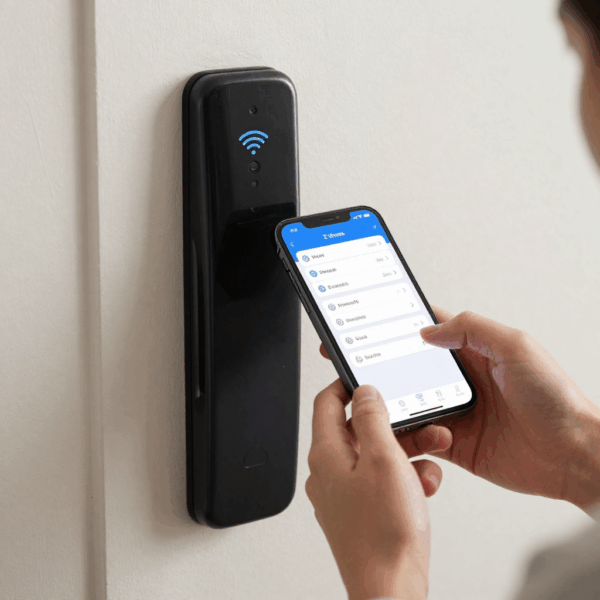
Future Trends in Access Control and Smart Home Integration
The future of access control systems is heading toward:
Matter Compatibility
Unifying Zigbee, Z-Wave, and Wi-Fi in a single ecosystem.
AI-Based Access Monitoring
Detect suspicious door events using AI video analytics.
Cloudless Local Automation
Hubs like Hubitat and Home Assistant prioritizing privacy.
Advanced Biometrics
FaceID-style front door recognition.
Seamless Guest Access
Temporary digital keys for Airbnb, cleaners, and deliveries.
Encrypted Access Across All Protocols
Z-Wave S2, Zigbee 3.0, KNX Secure becoming mandatory.
Final Thoughts
Integrating access control systems with smart home hubs enables a powerful, secure, and deeply personalized home automation experience. Whether you use Z-Wave for wireless smart locks, Zigbee for sensor-rich environments, or KNX for professional-grade building automation, the right setup can transform how you manage entry, monitor access, and protect your home.
With proper planning, robust hardware, reliable mesh networks, and secure encryption, modern access control integration can deliver seamless convenience and top-tier security—ensuring your home is smart, safe, and future-ready.
Upgrade your home security today with premium access control systems, smart hubs, sensors, and automation accessories from trusted Australian suppliers.👉 Explore smart security products now and choose the perfect solution for your home.