Automatic doors are now a standard feature in modern buildings, improving accessibility, hygiene, and user convenience across healthcare, commercial, retail, and public environments. While powered operation is the primary function, the emergency manual operation of an automatic swing door opener is equally important—and in many cases more critical from a life-safety perspective.
During events such as power failures, fire alarms, equipment faults, or evacuation scenarios, occupants must be able to exit freely and safely without relying on automation. Building codes, accessibility standards, and fire engineering principles all emphasise that automated doors must never become a barrier to egress.
This in-depth guide explains how emergency manual operation works in an automatic swing door opener, the engineering principles behind safe manual use, compliance requirements, testing methods, and best practices for long-term reliability. Whether you are a facility manager, installer, specifier, or building owner, understanding these principles is essential for maintaining both safety and compliance.
What Is an Automatic Swing Door Opener?
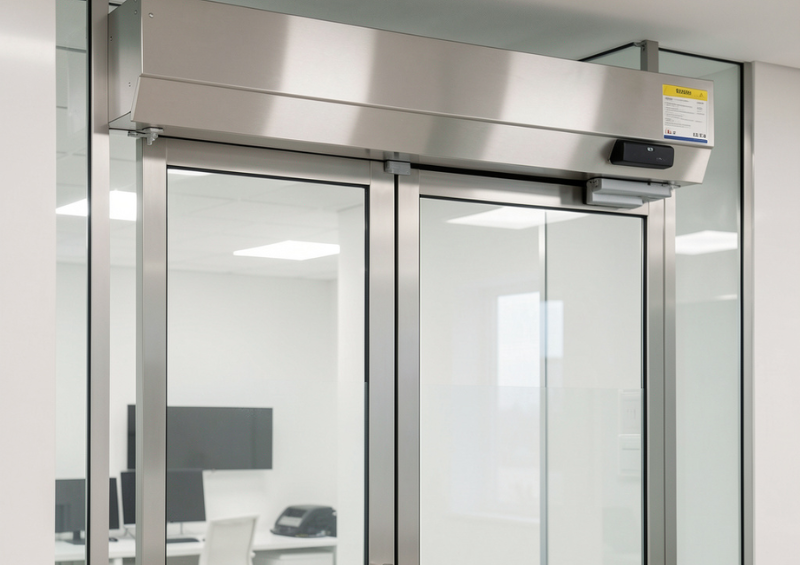
An automatic swing door opener is a motorised operator that automates the opening and closing of a hinged door leaf. Unlike sliding doors, swing operators work with traditional hinged doors and are widely used where space constraints or accessibility requirements favour a swing configuration.
Typical Applications
Automatic swing operators are commonly installed in:
- Hospitals and medical centres
- Office buildings
- Schools and universities
- Government facilities
- Aged care environments
- Accessible public entrances
- Cleanrooms and laboratories
Core System Components
A standard automatic swing door opener system includes:
- Operator motor and gearbox
- Electronic control board
- Activation devices (push plates, sensors, access control)
- Safety presence sensors
- Mechanical arm or slide rail
- Door closer function
- Power supply
Critically, modern operators are designed to allow safe manual operation at any time, particularly during emergencies.
Why Emergency Manual Operation Is Critical
Automatic doors must always support safe egress. If powered systems fail or are intentionally disabled during an emergency, occupants must still be able to open the door easily by hand.
Common Emergency Scenarios
Manual operation becomes essential during:
- Power outages
- Fire alarm activation
- System faults or controller failure
- Building evacuation
- Maintenance servicing
- Safety sensor malfunction
- Network or access control failure
Life-Safety Objectives
Emergency manual capability ensures:
- Unobstructed exit paths
- Compliance with the NCC and fire codes
- Accessibility continuity
- Reduced legal liability
- Occupant confidence and safety
In short, if an automatic swing door opener cannot be safely operated manually, the installation is not compliant.
How Automatic Swing Door Openers Respond to Power Failure
Power loss is the most common trigger for emergency manual mode.
Expected Fail-Safe Behaviour
When mains power is removed, a properly configured automatic swing door opener should:
- Allow the motor to freewheel or back-drive
- Remove powered resistance
- Maintain controlled closing via the closer function
- Allow the door to be pushed open manually
- Release any fail-safe locking devices
Back-Drive vs Mechanical Release
Different operators use different methods:
Back-Driveable Operators
- Motor can be manually pushed through
- No physical clutch required
- Smooth transition to manual mode
- Preferred in most modern designs
Clutch or Mechanical Release Systems
- Operator disengages mechanically
- May be triggered electrically or by fault
- Slightly more complex
High-quality operators are engineered to minimise manual resistance during power loss.

Fail-Safe vs Fail-Secure Locking Considerations
Door locking behaviour is just as important as operator behaviour.
Fail-Safe Configuration (Most Egress Doors)
In fail-safe mode:
- Lock releases when power is lost
- Door can be opened immediately
- Required for most escape paths
- This is the default expectation for public and commercial egress doors.
Fail-Secure Configuration (Special Cases Only)
In fail-secure mode:
- Lock remains locked without power
- Used in high-security internal areas
- Must still allow mechanical egress via handle or panic bar
Integration Risks
Improper coordination between the automatic swing door opener and the locking hardware is one of the most common compliance failures.
Manual Opening Force Requirements
Even when manual operation is available, excessive force can create accessibility and safety problems.
Accessibility Expectations
In manual mode, the door should:
- Open smoothly
- Require reasonable push force
- Not bind or stick
- Close in a controlled manner
- Be operable by most users
Factors That Increase Manual Force
Manual usability is affected by:
- Door closer spring tension
- Operator back-drive resistance
- Door weight and size
- Hinge condition
- Air pressure differentials
- Weather seals
- Misalignment
Proper commissioning of the automatic swing door opener is essential to keep manual force within acceptable limits.

Free-Swing Mode and Its Role in Emergencies
Many advanced operators include a free-swing mode, which is particularly useful in healthcare and high-traffic environments.
What Free-Swing Does
When activated:
- Operator removes motor resistance
- Door behaves like a standard manual door
- Automation re-engages when triggered
- Often linked to fire alarm input
Benefits
Free-swing mode:
- Reduces wear in high-traffic areas
- Improves accessibility
- Simplifies evacuation behaviour
- Maintains familiar door feel
This feature is especially common in hospital corridor doors.
Fire Alarm Interface and Emergency Behaviour
Fire system integration is a critical part of any automatic swing door opener installation.
Typical Fire Alarm Responses
When the fire panel activates, the door system may be configured to:
- Disable automatic opening
- Switch to manual mode
- Release magnetic locks
- Close and remain closed
- Open and hold (in smoke control strategies)
Best Practice Integration
Fire interface should be:
- Hardwired (not network-only)
- Supervised where required
- Tested during commissioning
- Verified during routine maintenance
- Coordinated with fire engineer design
Failure to integrate correctly can create serious compliance risks.
Accessibility Requirements in Manual Mode
Emergency manual operation must still meet accessibility principles.
Key Accessibility Goals
Even without power:
- Door must remain operable
- Opening force must remain within acceptable limits
- Clear opening width maintained
- Handles reachable and usable
- Door movement predictable
High-Risk Accessibility Failures
Watch for:
- Over-tight closers
- Heavy door leaves
- Poor arm geometry
- Incorrect mounting height
- Binding hinges
- Air pressure imbalance
Regular force testing is strongly recommended for critical entrances.
Mechanical Features That Enable Safe Manual Operation
High-quality automatic swing door opener units include specific engineering features.
Back-Driveable Motor Design
Allows the door to be pushed without fighting the gearbox.
Adjustable Closing Control
Maintains safe closing speed during manual use.
Low-Friction Arm Geometry
Reduces mechanical resistance.
Intelligent Control Logic
Automatically switches modes during faults or alarms.
Balanced Spring Systems
Helps maintain acceptable opening force.
When selecting an operator, mechanical design quality matters as much as electronic features.
Maintenance Requirements for Reliable Emergency Operation
Manual performance can degrade over time if maintenance is neglected.
Monthly Checks
- Observe door movement
- Listen for grinding or binding
- Verify smooth manual push
- Check for physical damage
Quarterly Service
- Simulate power failure
- Test fire alarm interface
- Inspect closer adjustment
- Check hinges and pivots
- Verify sensor alignment
Annual Compliance Review
- Measure opening force
- Perform full safety test
- Review fire integration
- Check operator wear
- Update service records
Preventive maintenance is essential for life-safety systems.
Testing Emergency Manual Function Properly
Testing should be part of both commissioning and routine maintenance.
Recommended Test Procedure
- Disconnect mains power
- Attempt manual door opening
- Measure opening force
- Verify smooth travel
- Confirm controlled closing
- Trigger fire alarm input
- Verify lock release
- Document results
Signs of Good Performance
A properly configured automatic swing door opener should:
- Open smoothly by hand
- Require consistent force
- Not stick mid-travel
- Close without slamming
- Maintain proper alignment
Documented testing helps demonstrate compliance.
Common Installation Mistakes to Avoid
Many emergency operation failures stem from preventable errors.
Over-Tight Door Closers
Creates excessive push force.
Incorrect Arm Geometry
Increases resistance and wear.
Poor Hinge Maintenance
Causes binding and uneven motion.
Ignoring Stack Pressure
Air-conditioned buildings can create significant pressure loads.
Missing Fire Interface
Leaves doors in unsafe states during emergencies.
Using Incorrect Lock Types
Fail-secure locks on egress doors are a frequent compliance issue.
Attention to detail during installation prevents costly retrofits later.
Compliance and Regulatory Considerations
Automatic swing door opener installations must align with multiple Australian frameworks.
Key Standards and Codes
Projects typically consider:
- National Construction Code (NCC)
- AS 1428 accessibility requirements
- Fire engineering reports
- AS/NZS electrical standards
- Door hardware standards
Documentation Expectations
Maintain records for:
- Commissioning tests
- Force measurements
- Fire interface verification
- Maintenance history
- Product certifications
Good documentation protects building owners and facility managers.
Designing for Different Building Types
Emergency manual requirements vary by environment.
Healthcare Facilities
Focus on:
- Very low opening force
- Quiet manual operation
- Free-swing functionality
- Frequent fire integration
- High reliability
Commercial Offices
Focus on:
- Reliable fail-safe egress
- Moderate traffic durability
- Access control coordination
- After-hours security
Retail Entrances
Focus on:
- High cycle durability
- Simple manual usability
- Fast recovery after outages
- Customer safety
Accessible Public Buildings
Focus on:
- Strict AS 1428 compliance
- Low opening force
- Clear signage
- Predictable behaviour
Always match the automatic swing door opener specification to the building risk profile.
Future Trends in Emergency Door Operation
Automatic door technology continues to advance.
Smart Self-Diagnostics
Operators will increasingly report:
- Excessive manual force
- Mechanical wear
- Fault conditions
- Service alerts
Battery-Assisted Operation
Some systems now include backup power for controlled opening cycles.
Predictive Maintenance via IoT
Remote monitoring will flag issues before failure occurs.
Ultra-Low Force Designs
Manufacturers are focusing heavily on accessibility optimisation.
These innovations will further improve safety outcomes.
Conclusion
Emergency manual operation is one of the most critical—yet frequently overlooked—elements of any automatic door installation. A properly specified and maintained automatic swing door opener must always allow safe, smooth manual use during power loss, fire events, or system faults.
By understanding fail-safe behaviour, ensuring proper mechanical setup, integrating correctly with fire systems, and performing regular testing, building owners and integrators can maintain compliance, accessibility, and life safety.
Investing in correct design and ongoing maintenance today ensures your automatic swing door opener will perform reliably when it matters most—during an emergency.