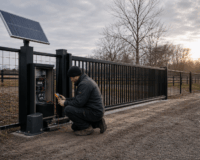
Automatic gates rely heavily on gate sensors to operate safely. These sensors detect vehicles, people, and obstacles to prevent accidents, property damage, and equipment failure. While many buyers focus on motor power or gate design, sensor performance is just as critical—especially outdoors, where weather conditions can directly affect reliability.
Rain, fog, heat, glare, and direct sunlight all influence how safety sensors for gates perform. Without proper planning and protection, weather-related interference can lead to false triggers, missed detections, or system shutdowns.
This buyer’s guide explains how different weather conditions affect gate sensors, the most common problems caused by environmental exposure, and practical protection tips to ensure reliable, long-term performance. Whether you manage a residential driveway, commercial entrance, or industrial site, understanding weather impacts is essential when choosing and installing gate sensors.
Table of Contents
ToggleUnderstanding how gate sensors work
Gate sensors are designed to detect movement or presence within a defined area around a gate. They act as a safety layer, ensuring the gate stops, reverses, or refuses to close when an obstacle is detected.
Common types of safety sensors for gates include photocells (infrared beam sensors), loop detectors, pressure edges, radar sensors, and smart vision-based sensors. Each type operates differently and reacts uniquely to environmental conditions.
Because most automatic gates are installed outdoors, sensors are continuously exposed to changing weather. This makes environmental resilience a key factor when selecting gate sensors.
Why weather matters for gate sensor reliability
Outdoor environments are unpredictable. Sensors may face heavy rain one day, bright sunlight the next, followed by fog, dust, or extreme heat.
Weather affects gate sensors in two main ways. First, it can interfere with detection signals, such as infrared beams or radio waves. Second, it can physically degrade sensor components over time through moisture ingress, corrosion, or UV damage.
Reliable gate sensors are designed to withstand environmental challenges, but correct selection, placement, and protection are just as important as sensor quality.
Rain and moisture: the most common challenge
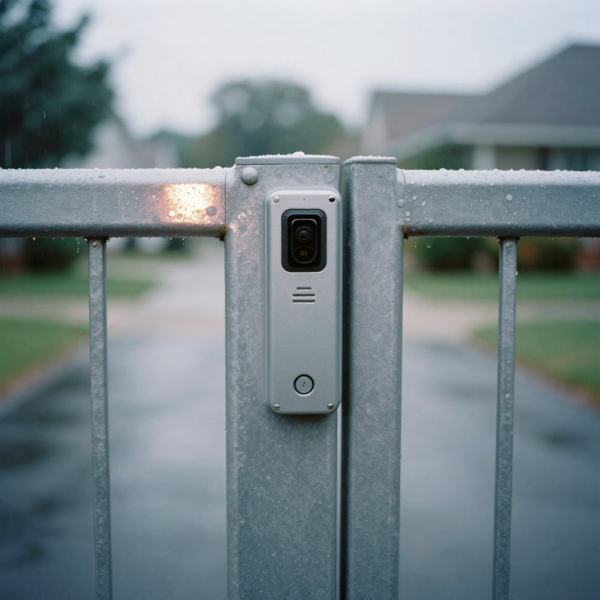
Rain is one of the most frequent causes of gate sensor issues. Heavy rainfall, splashing water, and prolonged moisture exposure can interfere with sensor operation if not properly managed.
Photocell sensors, which rely on infrared beams between a transmitter and receiver, are particularly sensitive to water droplets. Rain can scatter or refract the beam, causing false detections or temporary signal loss.
Moisture can also penetrate poorly sealed housings, leading to corrosion, short circuits, or long-term failure of safety sensors for gates.
How rain affects different types of gate sensors
Not all gate sensors react to rain in the same way.
Photocells may experience beam disruption during heavy rain or water pooling on lenses. Loop detectors, which are embedded in the ground, are less affected by rain but can suffer if water enters damaged conduit or poorly sealed junctions.
Radar and microwave sensors are generally more rain-tolerant but can still be affected by heavy downpours or water movement in the detection zone.
Understanding how each sensor type responds to rain helps buyers choose the right solution for their environment.
Fog and mist: invisible interference
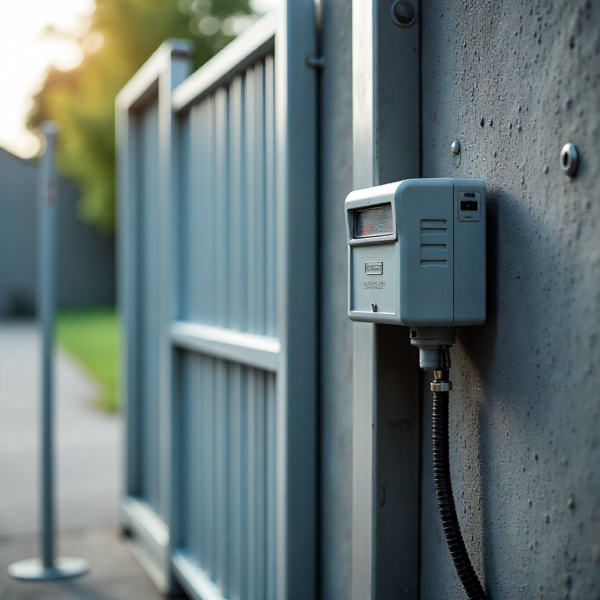
Fog and mist present a unique challenge because they are less visible but can still interfere with detection.
Infrared-based gate sensors are most affected by fog, as tiny water droplets suspended in the air scatter the infrared beam. This can reduce detection range or cause intermittent false triggers.
Fog-related issues are more common in coastal regions, valleys, or areas with frequent temperature changes. In these environments, choosing fog-resistant safety sensors for gates is especially important.
Sunlight and glare: an underestimated problem
Direct sunlight is one of the most underestimated threats to gate sensor performance.
Photocell sensors can be overwhelmed by strong sunlight, particularly during sunrise or sunset when the sun aligns directly with the sensor beam. This alignment can “blind” the receiver, preventing it from detecting the transmitter.
Reflective surfaces such as metal gates, vehicles, or nearby walls can amplify sunlight interference, causing inconsistent gate behavior.
Heat and temperature extremes
Extreme heat affects gate sensors both electronically and mechanically.
High temperatures can cause electronic components to drift out of calibration, reducing sensitivity or detection accuracy. Plastic housings may warp or degrade over time under constant heat exposure.
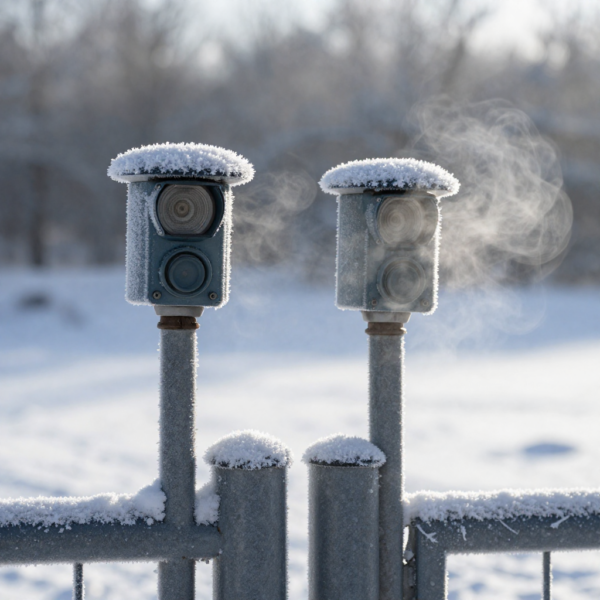
Cold temperatures can also affect performance by causing condensation inside housings or stiffening cables and seals. In regions with large temperature swings, sensor durability is critical.
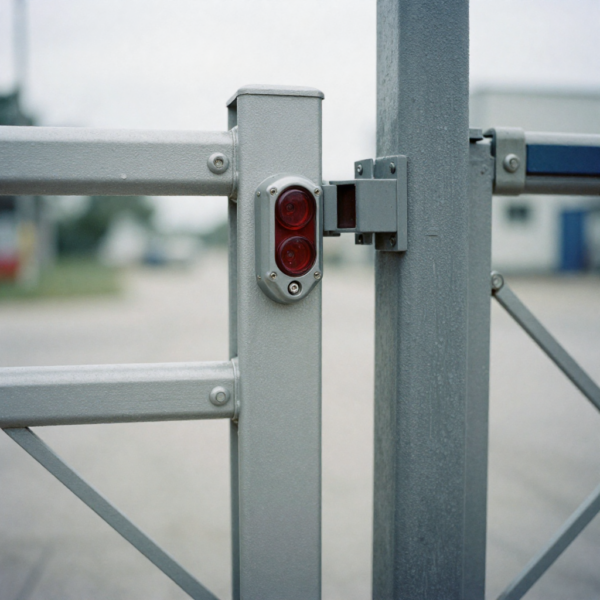
Dust, dirt, and debris accumulation
Weather often brings secondary challenges such as dust, dirt, leaves, and insects.
Dust buildup on sensor lenses can reduce detection range, while insects nesting inside housings can block sensors or damage internal components.
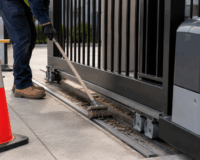
Regular cleaning and protective housing design play a major role in maintaining reliable gate sensors over time.
Choosing weather-resistant safety sensors for gates
Not all sensors are designed equally. When buying gate sensors for outdoor use, weather resistance should be a top priority.
Look for sensors with high IP ratings, indicating strong protection against dust and water ingress. UV-resistant housings help prevent degradation from sunlight.
Temperature tolerance ratings are also important, especially for installations in extreme climates. Sensors designed specifically for outdoor gate automation typically offer better long-term reliability.
Proper placement to minimise weather impact
Sensor placement has a significant influence on how weather affects performance.
Mounting photocells too close to the ground increases exposure to splashing water, mud, and debris. Placing them too high may reduce detection effectiveness for small obstacles.
Orientation matters as well. Avoid aligning sensors directly with the path of the rising or setting sun. Where possible, angle sensors slightly or use sun shields to reduce glare.
Using protective housings and covers
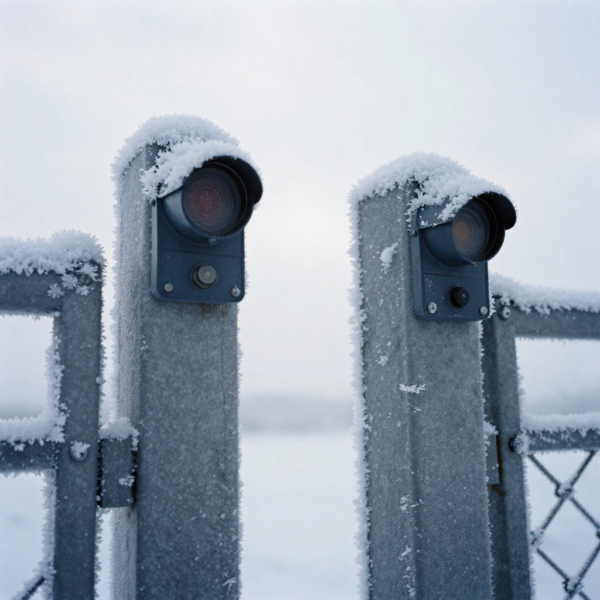
Protective accessories can greatly improve sensor performance in harsh conditions.
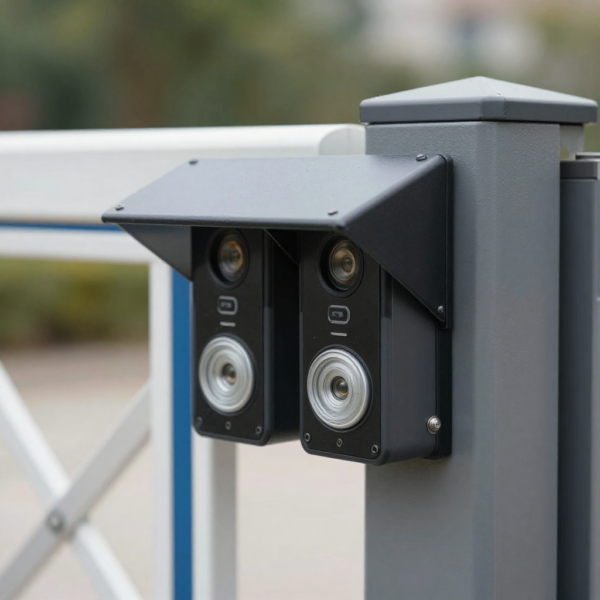
Rain hoods, sun shields, and weather covers help reduce direct exposure to rain and sunlight. These accessories are especially useful for photocells installed in exposed locations.
For loop detectors and underground sensors, proper conduit sealing and drainage are essential to prevent water ingress during heavy rain.
Adjusting sensitivity and detection settings
Modern gate sensors often allow sensitivity adjustment. This feature is valuable for adapting to changing weather conditions.
Reducing sensitivity slightly can prevent false triggers caused by rain or fog, while still maintaining safety. Increasing sensitivity may be necessary in environments with frequent sunlight interference.
Adjustments should be made carefully and tested under real conditions to ensure safety is not compromised.
Combining multiple sensor types for reliability
In challenging environments, relying on a single sensor type may not be sufficient.
Combining photocells with loop detectors or pressure edges provides redundancy. If one sensor is temporarily affected by weather, the other can maintain safety.
This layered approach is common in commercial and industrial installations, where reliability is critical.
Regular maintenance as weather protection
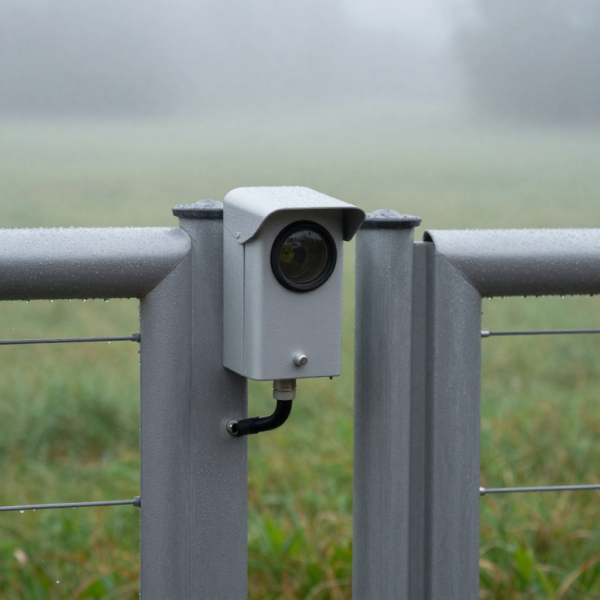
Even the best sensors require maintenance, especially outdoors.
Regular cleaning of lenses, inspection of seals, and checking cable integrity help prevent weather-related failures. After heavy storms or extreme weather events, sensors should be inspected for damage or misalignment.
Scheduled maintenance extends the lifespan of safety sensors for gates and ensures consistent performance.
Common weather-related gate sensor problems
Weather-related sensor issues often present as intermittent faults, making them difficult to diagnose.
Common symptoms include gates refusing to close, reversing unexpectedly, or failing to detect obstacles. These problems are often blamed on control boards or motors, but sensors are frequently the root cause.
Understanding how weather affects gate sensors helps buyers and installers identify problems more quickly.
Residential vs commercial considerations
Residential gate installations often prioritise convenience and cost, but weather resistance is still essential.
Commercial and industrial sites typically face higher traffic volumes and stricter safety requirements. In these environments, sensor redundancy and robust weather protection are more critical.
Buyers should match sensor quality and protection level to the demands of the site.
Coastal and high-humidity environments
Coastal areas introduce additional challenges such as salt spray and high humidity.
Salt accelerates corrosion and can damage electronic components. Sensors used in these environments should feature corrosion-resistant materials and sealed housings.
High humidity increases the risk of condensation inside sensor housings, making proper sealing and ventilation important.
Sunlight protection strategies for photocells
Sunlight interference can often be managed with simple strategies.
Using polarised or filtered photocells reduces sensitivity to ambient light. Installing sensors with narrow beam angles also helps minimise glare.
Physical shading, such as mounting sensors behind posts or adding sun visors, is an effective and low-cost solution.
Fog-resistant sensor technologies
Some sensor technologies perform better in foggy conditions than traditional infrared photocells.
Microwave and radar-based sensors are less affected by fog and mist, making them suitable for locations with frequent low-visibility weather.
While these sensors may cost more, their reliability in difficult conditions can justify the investment.
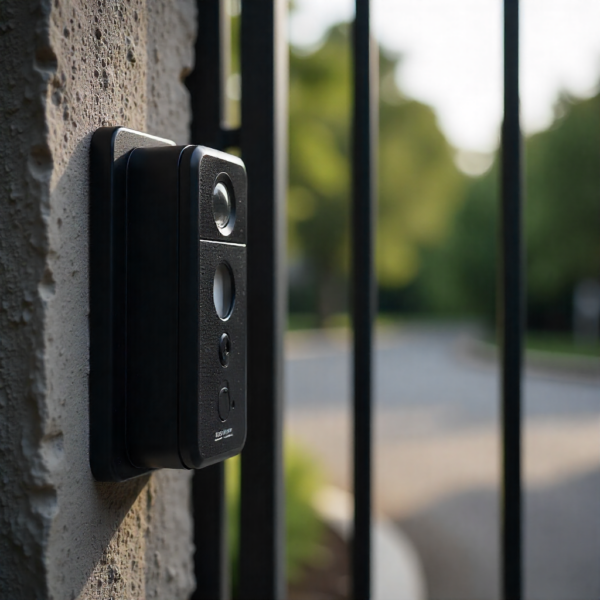
Installation quality and weather resilience
Even the best sensors can fail if installed poorly.
Improper cable sealing, loose mounting, or incorrect alignment increases vulnerability to weather-related issues.
Professional installation ensures that safety sensors for gates are positioned, sealed, and configured correctly for outdoor use.
Cost vs long-term reliability
Weather-resistant sensors may cost more upfront, but they often reduce long-term costs.
Fewer false alarms, less downtime, and reduced maintenance callouts contribute to better overall value.
For buyers, investing in quality gate sensors designed for outdoor environments is usually more economical in the long run.
Future trends in weather-resistant gate sensors
Advances in sensor technology continue to improve weather resilience.
Smart sensors with adaptive algorithms can adjust sensitivity based on environmental conditions. Improved materials and sealing techniques are extending sensor lifespan in harsh climates.
As gate automation becomes more connected, weather monitoring and diagnostics may play a larger role in sensor management.
Who should prioritise weather-resistant gate sensors
Any property with an outdoor automated gate should prioritise weather-resistant sensors.
This is especially important for properties in regions with heavy rainfall, strong sunlight, fog, or temperature extremes.
Homeowners, facility managers, and installers all benefit from understanding weather impacts when selecting gate sensors.
Buy Safety Sensors for Gates designed for outdoor weather conditions
Final thoughts on weather and gate sensor performance
Weather plays a major role in the performance and reliability of gate sensors. Rain, fog, sunlight, and temperature extremes can all interfere with detection if sensors are not properly chosen, installed, and maintained.
By selecting high-quality safety sensors for gates, planning installation carefully, and applying simple protection strategies, buyers can significantly reduce weather-related issues.
For anyone investing in automatic gate systems, understanding and managing environmental factors is essential for long-term safety, reliability, and peace of mind.