
KNX stands out as one of the most established and widely adopted standards in building automation. Unlike many consumer-focused smart home solutions, KNX is built for professional-grade installations. It offers high reliability, flexibility, and interoperability across different manufacturers.
However, many property owners and even some integrators remain unclear about what KNX is, how it works, and whether it is the right choice for their project. This guide provides a comprehensive overview of KNX systems and how they compare to other smart home technologies.
What is KNX? – What You Should Know

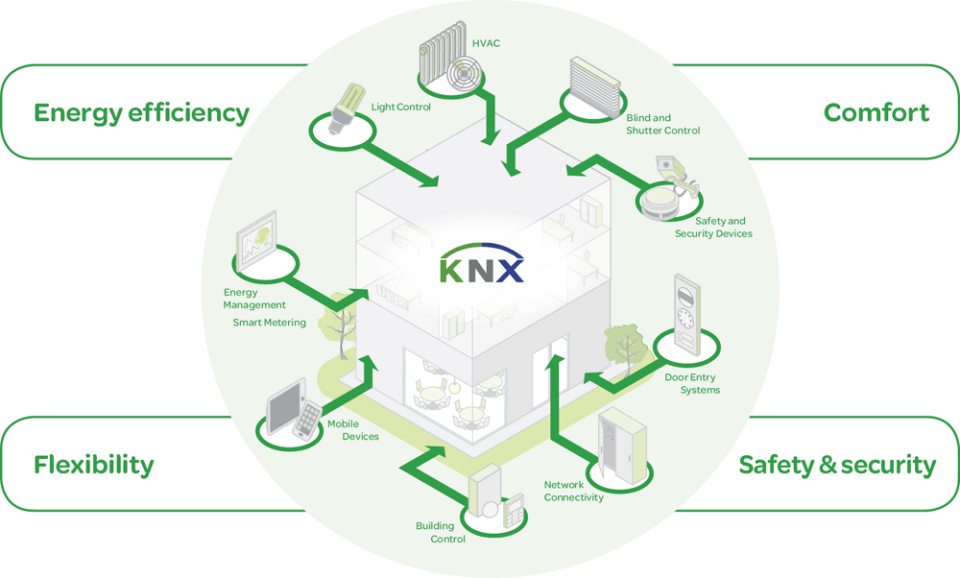
KNX is a standardised protocol for building automation that allows different devices and systems to communicate with each other. Developed and maintained by the KNX Association, this technology facilitates the integration of various building systems, including lighting, heating, ventilation, air conditioning (HVAC), security, and energy management. The primary objective of KNX is to provide a flexible, scalable, and interoperable solution for building automation.
The journey of KNX began in the early 1990s when three major European initiatives—EIB (European Installation Bus), BatiBUS, and EHS (European Home Systems)—merged to form a single standard. This convergence aimed to address the growing need for a unified approach to building automation. In 1999, the KNX Association was established, and the protocol was officially recognised as an international standard in 2006 (ISO/IEC 14543).
How Does a KNX System Work?
At the core of a KNX system is a communication protocol that connects all devices through a shared network. This network is often based on a dedicated bus cable, although the KNX solution can also operate over IP or wireless connections in some configurations.
Each device in the system, such as switches, sensors, and actuators, communicates using standardised KNX messages. When a user presses a switch or when a sensor detects a change, a signal is sent through the network to trigger the appropriate response. For example, a motion sensor can automatically turn on lights, or a thermostat can adjust temperature settings based on occupancy.
The system is configured using specialised software, allowing integrators to define how devices interact with each other. This flexibility enables highly customised automation scenarios tailored to specific building requirements.
Where Is KNX Used?
KNX is widely used across different types of buildings due to its flexibility and scalability. In residential properties, it enables homeowners to control lighting, climate, and security systems from a single platform. This not only improves convenience but also enhances energy efficiency.
In commercial environments, KNX is often used to manage office buildings, hotels, and retail spaces. It allows facility managers to centrally monitor and control multiple systems, improving operational efficiency and reducing energy consumption.
Industrial and large-scale projects also benefit from KNX, particularly where reliable and integrated control systems are required. In these environments, KNX can be combined with other technologies to create a comprehensive building management solution.
Key Features of KNX Technology
Interoperability
One of the standout features of KNX is its interoperability. KNX-certified devices from different manufacturers can seamlessly work together, ensuring a cohesive and efficient building automation system. This interoperability is achieved through rigorous testing and certification processes, guaranteeing that all KNX devices adhere to the same communication protocol and standards.
Scalability
KNX technology is highly scalable, making it suitable for a wide range of applications, from small single-family homes to large commercial buildings. The system can be easily expanded or modified without major reconfiguration, enabling future-proof solutions that adapt to changing needs.
Flexibility
KNX offers unparalleled flexibility in building automation. The system can be tailored to meet specific requirements, whether it’s controlling lighting, HVAC, security, or multimedia systems. Users can easily add new devices or functionalities without disrupting the existing setup.
Reliability and Security
Reliability and security are paramount in building automation, and KNX excels in both areas. The system uses robust communication protocols and encryption mechanisms to ensure secure data transmission between devices. Additionally, KNX devices are designed to operate reliably in various environmental conditions, minimizing the risk of system failures.
Energy Efficiency
Energy efficiency is a critical consideration in modern building design, and KNX contributes significantly to this goal. By intelligently controlling lighting, HVAC, and other systems, KNX helps optimise energy consumption, reducing costs and minimising the environmental impact.
Applications of KNX Technology
Lighting Control
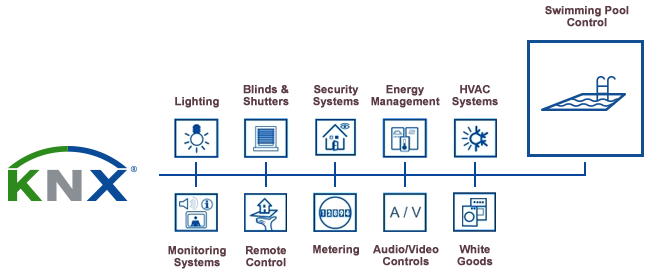
KNX technology enables sophisticated lighting control solutions that enhance comfort, convenience, and energy efficiency. Automated lighting systems can adjust brightness levels based on occupancy, daylight availability, and predefined schedules. This not only improves the user experience but also reduces energy consumption by ensuring lights are only on when needed.
HVAC Control
Efficient management of heating, ventilation, and air conditioning systems is crucial for maintaining a comfortable indoor environment. KNX allows for precise control of HVAC systems, ensuring optimal temperature and air quality. Integration with other building systems, such as windows and shading, further enhances energy efficiency by minimizing heating and cooling losses.
Security Systems
KNX technology plays a vital role in enhancing building security. The system can integrate various security devices, such as alarms, access control, and surveillance cameras, into a unified platform. This allows for centralized monitoring and control, enabling quick responses to security incidents and improving overall safety.
Energy Management
Energy management is a key focus of KNX technology. The system provides detailed insights into energy consumption, allowing building owners and managers to identify inefficiencies and implement corrective measures. Automated control of lighting, HVAC, and other systems ensures that energy is used efficiently, reducing operational costs and environmental impact.
Shading Control
Automated shading systems are another important application of KNX technology. By controlling blinds, shutters, and curtains based on factors such as sunlight intensity and room occupancy, KNX helps optimize natural light usage and reduce the need for artificial lighting and HVAC systems. This not only enhances comfort but also contributes to energy savings.
Audio/Video Control
In modern buildings, multimedia systems are becoming increasingly prevalent. KNX technology allows for seamless integration and control of audio and video devices, creating a cohesive and immersive user experience. From home theaters to conference rooms, KNX ensures that multimedia systems operate smoothly and efficiently.
Integrating KNX Protocol into Your Home Automation System
Steps for Implementing KNX Protocol:
- Define Objectives: Determine your goals for automating your home.
- Plan: Develop a layout plan for your home and decide on the placement of KNX devices.
- Install: Set up KNX devices and connect them through the KNX bus system.
- Configure: Utilize software such as ETS to program the functionalities of each KNX device.
Required Tools and Resources:
To integrate KNX into your home automation system, you will need KNX-compatible devices, a KNX bus (whether twisted pair, RF, or powerline), and configuration software.