Sloped driveways are a common feature in modern residential and commercial properties, especially in areas with uneven terrain or architectural constraints. While they offer benefits such as improved drainage and efficient land use, they can create significant challenges when it comes to installing gate systems.
Traditional swing gates often struggle on slopes due to clearance issues, uneven ground, and limited opening space. This is where Sliding Gate Automation provides a superior solution. By operating horizontally, sliding gates eliminate the need for vertical clearance and adapt seamlessly to sloped environments.
In this comprehensive guide, we will explore how sliding gate automation works, why it is ideal for sloped driveways, and how to choose, install, and maintain the right system for long-term performance.
What is Sliding Gate Automation?
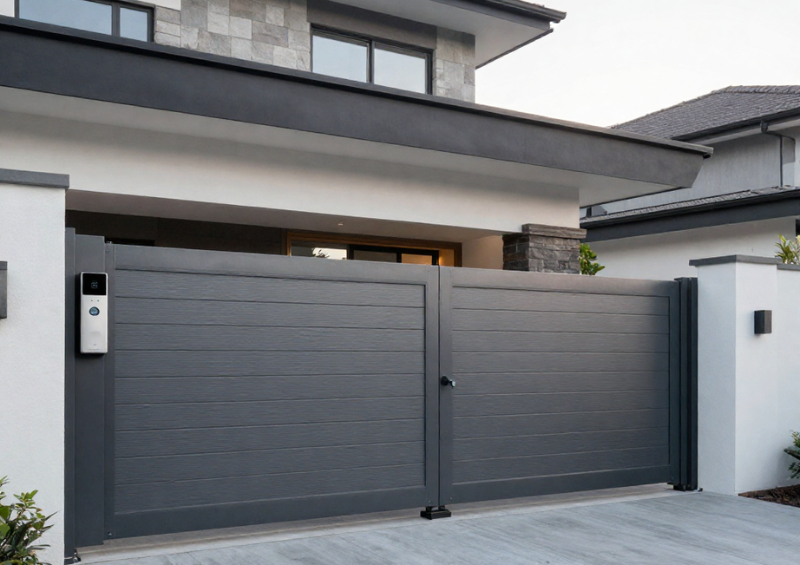
Sliding Gate Automation refers to a motorized gate system that moves horizontally along a track or rail. Instead of swinging open, the gate slides to the side, making it ideal for properties where space is limited or terrain is uneven.
Key Components:
- Gate motor – Powers the movement of the gate
- Track or rail system – Guides the gate along its path
- Control unit – Manages operation and settings
- Remote or access control system – Enables user control
- Safety sensors – Detect obstacles and prevent accidents
These components work together to provide smooth, efficient, and secure gate operation.
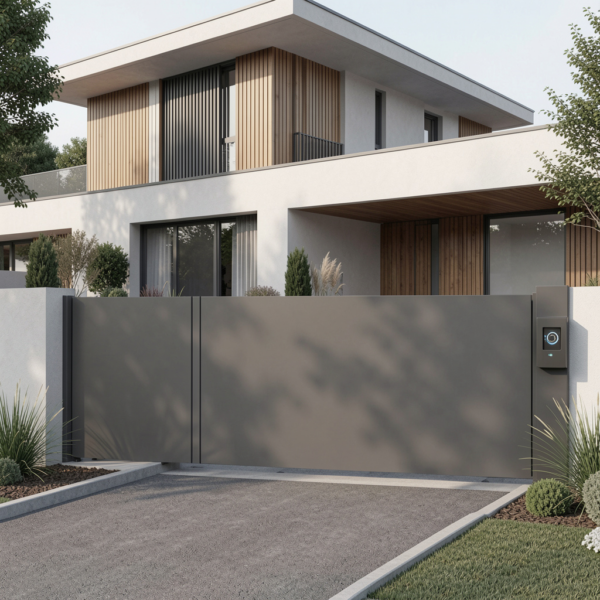
Why Sliding Gate Automation is Ideal for Sloped Driveways
No Ground Clearance Issues
Swing gates require a flat surface to open properly. On a slope, they can scrape the ground or fail to open fully. Sliding gates eliminate this problem entirely.
Consistent Performance
Sliding gates operate smoothly regardless of incline, ensuring reliable performance even on steep driveways.
Space Efficiency
They require no additional space for opening, making them perfect for tight or restricted areas.
Improved Safety
Reduced risk of collisions with vehicles or pedestrians compared to swing gates.
Types of Sliding Gate Systems
Track Sliding Gates
These gates run on a ground track and are supported by wheels. They are cost-effective but require regular maintenance.
Cantilever Sliding Gates
These do not rely on a ground track. Instead, they are supported by rollers, making them ideal for uneven or sloped surfaces.
Telescopic Sliding Gates
Multiple panels slide together, allowing for wider openings in limited spaces.
Each type of Sliding Gate Automation can be customized to suit specific driveway conditions.
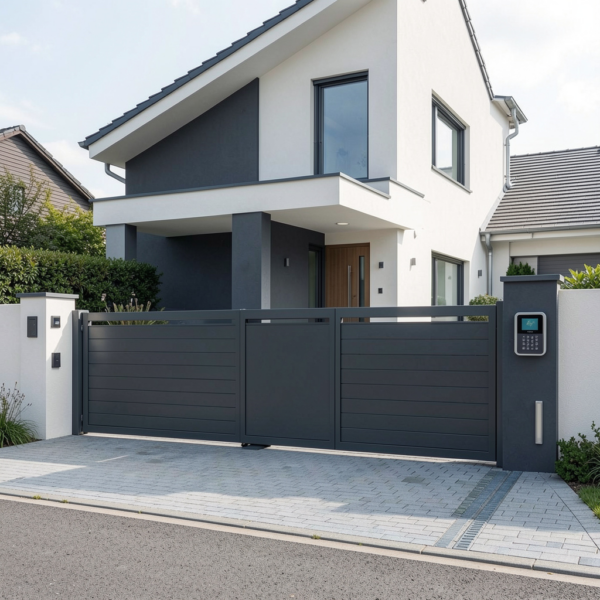
Key Benefits of Sliding Gate Automation
Enhanced Security
Automated gates provide controlled access and can integrate with security systems.
Convenience
Operate gates remotely without leaving your vehicle.
Durability
Designed to withstand heavy usage and harsh weather conditions.
Increased Property Value
Adds a modern and secure feature to your property.
Low Maintenance
Compared to swing gates, sliding gates generally require less upkeep.
Design Considerations for Sloped Driveways
When installing Sliding Gate Automation on a sloped driveway, careful planning is essential to ensure long-term performance and reliability. Unlike flat surfaces, slopes introduce additional stress on both the mechanical and structural components of the system.
Slope Angle and Direction
The angle of the slope plays a critical role in determining the type of gate system you should use. Steeper inclines may cause traditional track systems to struggle due to uneven pressure on the wheels. In such cases, a cantilever sliding gate is often the better option, as it does not rely on ground tracks and can operate smoothly regardless of surface conditions.
Additionally, the direction of the slope—whether uphill or downhill relative to the gate’s movement—can impact motor performance. Gates moving against gravity may require more powerful motors to maintain smooth operation.
Ground Surface and Stability
The condition of the ground beneath the gate is another important factor. Uneven or unstable surfaces can cause misalignment over time, leading to operational issues. A reinforced concrete foundation is typically recommended to provide a stable base for both the gate and the motor system.
Drainage and Water Management
Water accumulation is a common issue in sloped driveways. Without proper drainage, water can collect along the track or near the motor, causing corrosion or mechanical failure. Installing drainage channels or ensuring proper slope grading can help prevent these problems.
Space Requirements for Sliding
Sliding gates require sufficient lateral space to open fully. In properties with limited side clearance, telescopic sliding gates may be a practical alternative. These systems allow multiple gate panels to slide together, reducing the space needed.
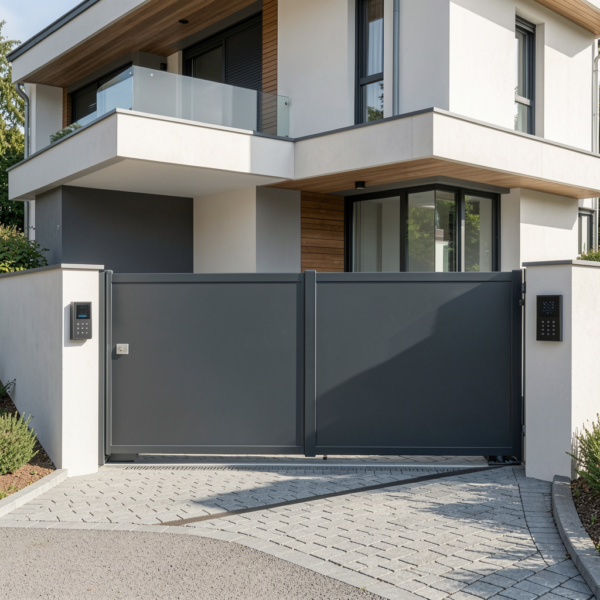
Choosing the Right Motor for Sliding Gate Automation
Selecting the right motor is one of the most critical decisions when implementing Sliding Gate Automation, especially on sloped driveways where additional force may be required.
Motor Power and Gate Weight
The weight of the gate directly influences the type of motor needed. Heavier gates require more powerful motors to ensure smooth and consistent operation. On sloped surfaces, this becomes even more important, as the motor must overcome gravitational resistance.
A motor that is too weak may lead to slow operation, overheating, or premature wear, while an oversized motor can result in unnecessary energy consumption and higher costs.
Duty Cycle and Usage Frequency
Consider how often the gate will be used. Residential properties typically require lower-duty motors, while commercial or industrial sites with frequent access need high-duty cycle motors designed for continuous operation.
Environmental Conditions
Weather conditions can also affect motor performance. In areas with heavy rain, dust, or extreme temperatures, it is important to choose a motor with appropriate protection ratings (such as IP-rated enclosures) to ensure durability.
Smart Features and Connectivity
Modern motors often include smart features such as remote control via mobile apps, integration with home automation systems, and programmable settings. These features enhance convenience and allow for better control of your gate system.
Installation Best Practices
Proper installation is essential for ensuring the long-term performance of your Sliding Gate Automation system. Even the highest-quality components can fail if not installed correctly.
Site Preparation
Before installation begins, the site must be properly prepared. This includes leveling the ground, installing a solid foundation, and ensuring that all measurements are accurate. Any errors at this stage can lead to alignment issues later.
Track or Cantilever Alignment
For track systems, the rail must be perfectly straight and level to prevent the gate from derailing or experiencing uneven movement. For cantilever systems, the support posts and rollers must be precisely aligned to maintain balance.
Electrical Setup
The motor and control system require a stable power supply. Proper wiring, grounding, and protection against electrical surges are essential to prevent damage and ensure safe operation.
Testing and Calibration
After installation, the system should be thoroughly tested. This includes checking the opening and closing speed, verifying sensor functionality, and ensuring that safety features are working correctly. Fine-tuning these settings helps optimize performance.
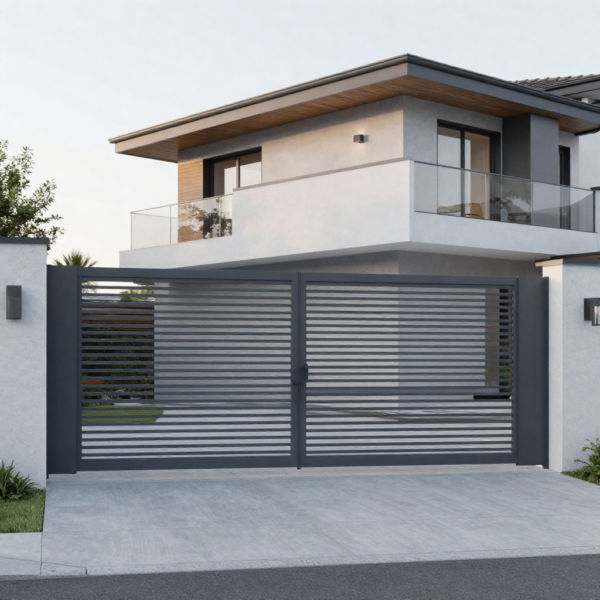
Safety Features in Sliding Gate Automation
Modern systems include advanced safety features:
- Obstacle detection sensors
- Auto-stop and reverse functions
- Manual override
- Warning lights
These features protect users and prevent accidents.
Integration with Smart Technology
Sliding Gate Automation can integrate with:
- Smart home systems
- Intercom systems
- CCTV cameras
- Mobile apps
This allows remote control and enhanced security.
Maintenance Tips for Long-Term Performance
Regular maintenance is key to keeping your Sliding Gate Automation system operating smoothly, especially in sloped environments where components may experience additional stress.
Routine Cleaning
Debris such as dirt, leaves, and small stones can accumulate along the track or around the gate mechanism. Regular cleaning prevents obstruction and ensures smooth movement.
Lubrication of Moving Parts
Lubricating rollers, hinges, and other moving components reduces friction and wear. This not only improves performance but also extends the lifespan of the system.
Inspection of Components
Periodic inspections help identify potential issues before they become major problems. Check for signs of wear, corrosion, or misalignment in both mechanical and electrical components.
Motor and Electrical Maintenance
Ensure that the motor is functioning properly and that all electrical connections are secure. If you notice unusual noise or inconsistent operation, it may be time for professional servicing.
Seasonal Maintenance
Weather changes can impact gate performance. For example, heavy rain can affect drainage, while extreme heat may impact motor efficiency. Adjust maintenance routines accordingly.
Common Challenges and Solutions
Uneven Ground
Use cantilever systems to avoid track issues.
Debris Accumulation
Clean tracks regularly to prevent obstruction.
Power Failures
Install backup power systems.
Motor Wear
Choose high-quality motors and maintain regularly.
Cost Considerations and ROI
Factors Affecting Cost:
- Gate size and material
- Automation system type
- Installation complexity
- Additional features
ROI Benefits:
- Improved security
- Increased convenience
- Enhanced property value
- Reduced maintenance costs
Environmental and Weather Considerations
Sliding gates must withstand various conditions.
Key Considerations:
- Rain and drainage
- Wind resistance
- Temperature variations
Choosing the right materials and system ensures durability.
Future Trends in Sliding Gate Automation
The future of Sliding Gate Automation includes:
- AI-based access control
- IoT integration
- Solar-powered systems
- Advanced safety features
These innovations will enhance efficiency and user experience.
Best Practices for Choosing the Right System
- Assess driveway slope and layout
- Choose appropriate gate type
- Ensure compatibility with existing systems
- Work with experienced professionals
Want to learn more about gate motors?👉 Read this technical guide to sliding gate motors
Conclusion: A Smart Solution for Sloped Driveways
Sliding Gate Automation is the ideal solution for properties with sloped driveways. It eliminates clearance issues, improves safety, and enhances convenience.
By selecting the right system and ensuring proper installation and maintenance, you can enjoy a reliable, long-lasting solution that adds value to your property.