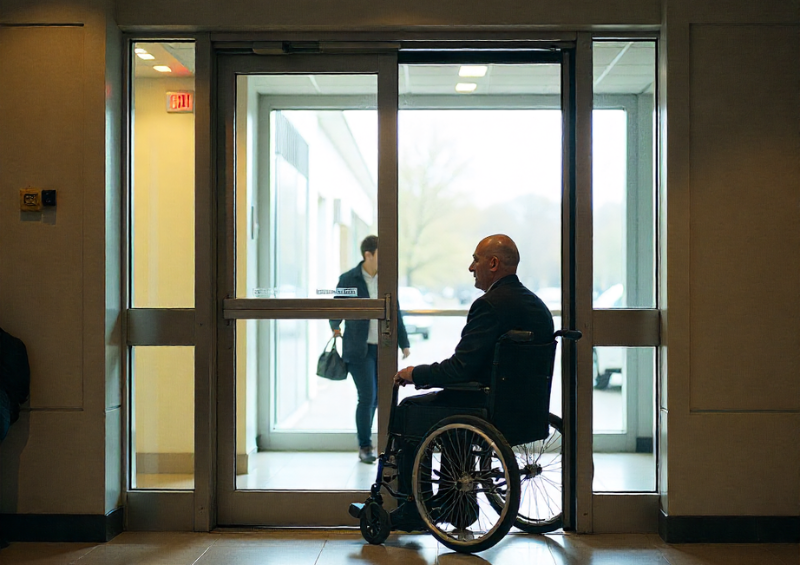
Fire safety and accessibility are two critical considerations in modern building design. As regulations become stricter and buildings become more complex, doors are no longer just passive barriers. In many environments, they are active safety components designed to control fire spread, protect occupants, and ensure safe evacuation. This is where fire-rated automatic doors, especially those using an Automatic Swing Door Opener, play a vital role.
This buyer’s guide explains what fire-rated automatic swing doors are, how they work, how automatic swing door openers integrate with fire safety systems, and when they are required. It is written for building owners, facility managers, architects, and buyers who need a clear understanding before selecting or upgrading door automation in fire-rated applications.
Understanding fire-rated doors in modern buildings
Fire-rated doors are specifically engineered assemblies designed to resist fire and smoke for a defined period of time. Their primary purpose is to compartmentalize a building during a fire, slowing the spread of flames and smoke to protect occupants and provide safe evacuation routes.
A fire-rated door is not just a door leaf. It is a complete system that includes the door, frame, hinges, seals, hardware, and closing mechanisms. Each component must meet strict testing standards to achieve a certified fire rating.
Fire-rated doors are commonly found in stairwells, corridors, plant rooms, fire exits, and areas separating different fire compartments within a building.
What makes a door fire-rated
A door becomes fire-rated only after being tested and certified as a complete assembly. Fire ratings are typically expressed in minutes, such as thirty, sixty, or ninety minutes, indicating how long the door can withstand fire exposure under test conditions.
Key characteristics of fire-rated doors include fire-resistant core materials, intumescent seals that expand when exposed to heat, and self-closing mechanisms that ensure the door is closed during a fire.
When automation is added, such as an Automatic Swing Door Opener, the automation equipment must be compatible with the fire-rated door assembly and not compromise its certification.
The role of automatic doors in fire safety
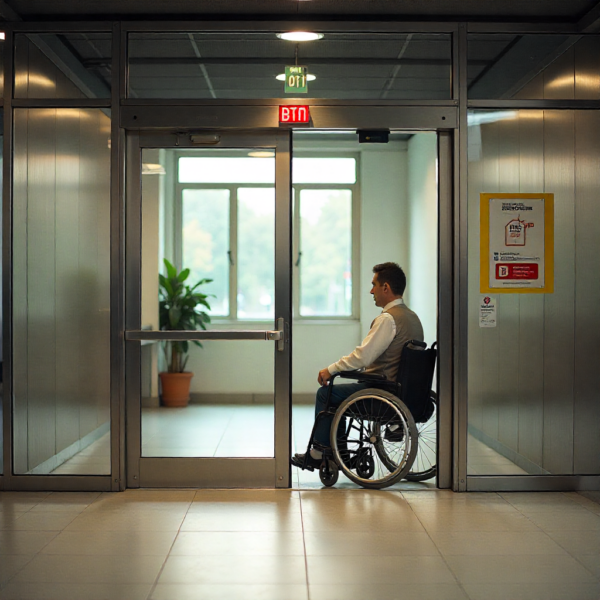
Automatic doors are often associated with convenience and accessibility, but in fire-rated applications, their role is more complex. An automatic swing door must operate normally during everyday use while defaulting to a safe state during a fire event.
In most fire-rated scenarios, the safe state is a closed position. This means that even if the door is automated, it must close automatically when a fire alarm is triggered or when power is lost.
This dual-function requirement makes fire-rated automatic swing doors fundamentally different from standard automatic swing doors.
What is an Automatic Swing Door Opener
An Automatic Swing Door Opener is a motorized device that opens and closes a hinged door automatically. It is commonly used to provide accessibility, hands-free operation, and controlled access.
Automatic swing door openers can be surface-mounted or concealed, and they can be activated by push buttons, sensors, access control systems, or building management systems.
In fire-rated applications, the automatic swing door opener must be specifically approved for use with fire-rated doors and must integrate correctly with fire alarm systems.
How fire-rated automatic swing doors work
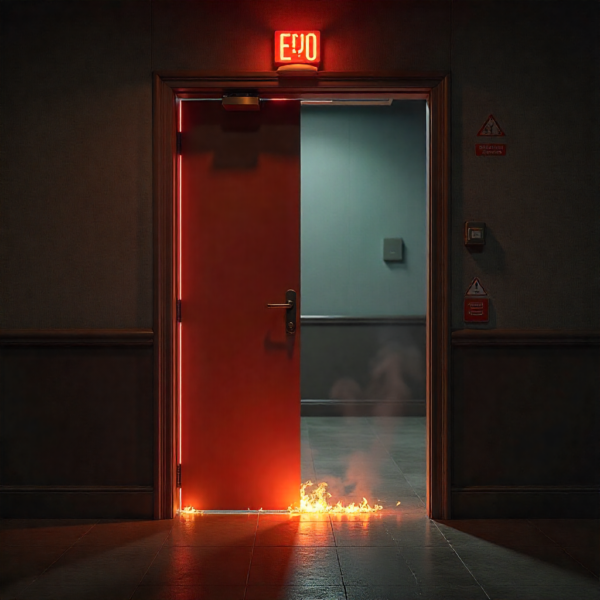
Fire-rated automatic swing doors operate in two distinct modes: normal operation and fire mode.
In normal operation, the door functions like any other automated door. It opens on command, stays open for a programmed time, and closes smoothly.
In fire mode, which is triggered by a fire alarm signal or power failure, the door automation disengages or changes behavior to ensure the door closes fully and remains closed. This is critical for maintaining the fire compartment.
The Automatic Swing Door Opener is designed to fail-safe, meaning it will not hold the door open during a fire unless specifically allowed by code and protected by additional safety measures.
Integration with fire alarm and building systems
Fire-rated automatic doors are typically connected to the building’s fire alarm system. When the fire alarm is activated, a signal is sent to the door controller.
This signal overrides normal operation and forces the door into its fire-safe state. In most cases, this means releasing any hold-open function and allowing the door closer to shut the door.
Proper integration ensures that even doors used frequently for accessibility or traffic flow do not compromise fire safety during an emergency.
Power failure and fail-safe behavior
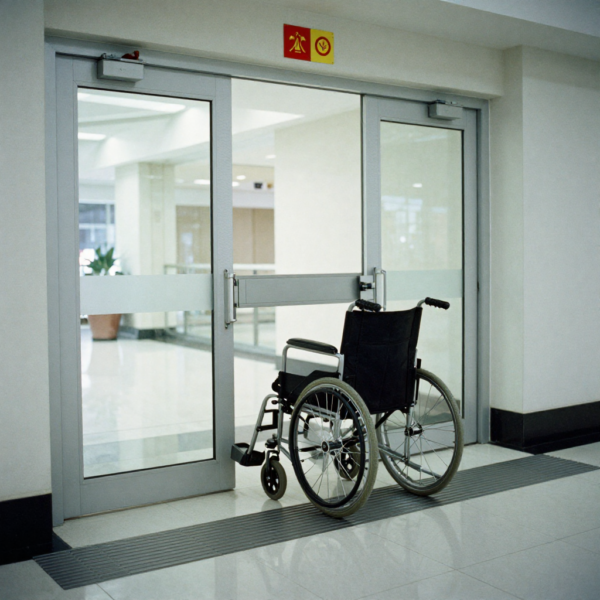
One of the most important aspects of a fire-rated automatic door is its response to power loss. Building codes generally require fire-rated doors to close automatically if power is interrupted.
Automatic swing door openers designed for fire-rated use are engineered so that loss of power causes the door to close, either through a built-in spring mechanism or by disengaging the motor.
This ensures that even in worst-case scenarios, such as fire-related power outages, the door continues to perform its protective function.
Hold-open functions and fire-rated compliance
In some buildings, doors are required to remain open during normal operation for accessibility or traffic flow. This is common in corridors or healthcare facilities.
Fire-rated doors can use electromagnetic hold-open devices that keep the door open under normal conditions but release automatically when a fire alarm is triggered.
When used with an Automatic Swing Door Opener, the hold-open function must be certified and properly connected to the fire alarm system. Unauthorized or improvised hold-open solutions are a common cause of compliance failures.
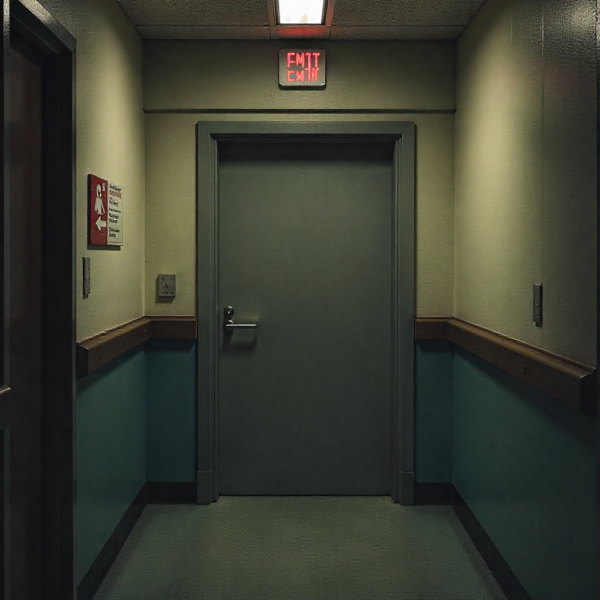
Accessibility requirements and fire-rated doors
Accessibility regulations often require doors to be easy to open for people with disabilities. Automatic swing door openers are widely used to meet these requirements.
Fire-rated automatic swing doors must balance accessibility with fire safety. This means the door must be easy to open during normal use but still close reliably during a fire.
Modern automatic swing door openers allow adjustable opening force, speed, and delay, making it possible to meet both accessibility standards and fire safety codes.
Common locations where fire-rated automatic doors are required
Fire-rated automatic swing doors are commonly required in commercial buildings, healthcare facilities, schools, residential apartment buildings, and public spaces.
Typical locations include stairwell entrances, fire-isolated corridors, plant rooms, basement access points, and exits connecting different fire compartments.
In many of these areas, accessibility is also required, making the automatic swing door opener an essential component rather than an optional upgrade.
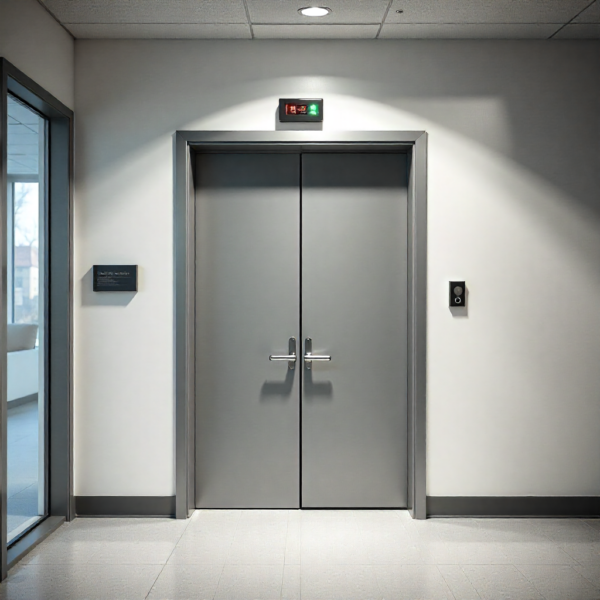
When you need a fire-rated automatic swing door opener
You need a fire-rated automatic swing door opener when a door must meet both fire resistance and automatic operation requirements.
This often applies when an existing fire-rated door must be upgraded for accessibility, or when new construction requires automated access through fire compartments.
It is important to understand that not all automatic door openers are suitable for fire-rated doors. Only models tested and approved for fire-rated use should be considered.
Key standards and regulations to be aware of
Fire-rated automatic doors are governed by a combination of building codes, fire safety standards, and accessibility regulations. These vary by country and region but generally include requirements for fire resistance, self-closing behavior, and system integration.
Buyers should ensure that both the door assembly and the automatic swing door opener comply with relevant standards and are supported by certification documentation.
Consulting with local authorities or fire engineers during the planning stage helps avoid costly modifications later.
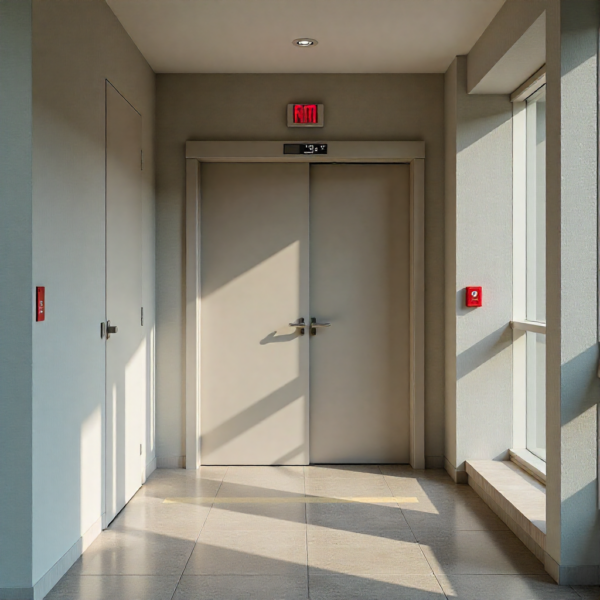
Choosing the right Automatic Swing Door Opener for fire-rated use
Selecting the correct automatic swing door system is critical. Buyers should look for products explicitly approved for use on fire-rated doors.
Important factors include compatibility with door weight and size, fail-safe operation, fire alarm integration capability, and certification for fire-rated applications.
Durability and reliability are also essential, as fire-rated doors are often part of critical safety infrastructure.
Installation considerations for fire-rated automatic doors
Installation must be carried out by qualified professionals familiar with both door automation and fire safety requirements.
Improper installation can void fire ratings, even if certified components are used. Cable routing, mounting methods, and adjustments must follow manufacturer guidelines precisely.
After installation, the door should be tested in both normal and fire modes to confirm correct operation.
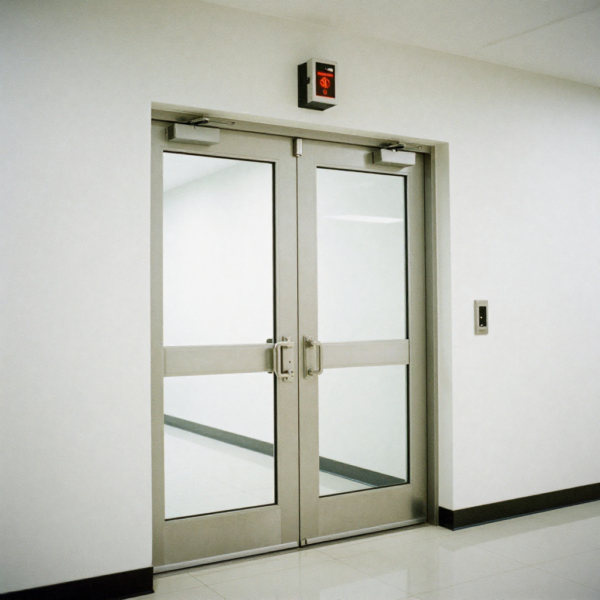
Testing, commissioning, and ongoing maintenance
Fire-rated automatic doors require regular testing and maintenance. This includes functional testing of the automatic swing door opener, fire alarm integration, and self-closing behavior.
Routine inspections help identify wear, misalignment, or control issues that could compromise safety.
Many regulations require documented maintenance records for fire-rated doors, making professional servicing an important consideration for buyers.
Retrofitting existing fire-rated doors with automation
Retrofitting is a common scenario, especially in older buildings that need accessibility upgrades.
Not all fire-rated doors can be retrofitted with automation. The door construction, frame condition, and existing hardware must be evaluated to ensure compatibility.
Using an approved automatic swing door opener designed for retrofits helps maintain compliance while improving usability.
Common mistakes buyers should avoid
One of the most common mistakes is assuming that any automatic door opener can be installed on a fire-rated door. This can lead to non-compliance and serious safety risks.
Another mistake is failing to integrate the door properly with the fire alarm system. Without this integration, the door may not respond correctly during an emergency.
Ignoring maintenance requirements is also risky, as even a properly installed system can fail if not maintained.
Cost considerations and long-term value
Fire-rated automatic doors typically cost more than standard doors due to certification, specialized hardware, and installation requirements.
However, the long-term value is significant. They enhance safety, improve accessibility, and help buildings meet regulatory requirements.
Choosing a reliable automatic swing door opener reduces maintenance costs and extends the life of the door system.
Who should invest in fire-rated automatic swing doors
Fire-rated automatic swing doors are essential for building owners responsible for public safety, accessibility, and regulatory compliance.
They are particularly valuable in healthcare, education, multi-residential, and commercial environments where both fire protection and ease of access are critical.
For buyers planning new construction or major renovations, integrating fire-rated automatic doors from the outset is more efficient than retrofitting later.
Final thoughts on fire-rated automatic doors and automation
Fire-rated automatic doors represent the intersection of safety, accessibility, and modern building design. When implemented correctly, they protect lives without compromising usability.
The Automatic Swing Door Opener plays a central role in making fire-rated doors practical and compliant in everyday use. It allows doors to function seamlessly while ensuring they perform their critical safety role during emergencies.
For buyers, understanding how these systems work and when they are required is key to making informed decisions. With the right products, professional installation, and proper maintenance, fire-rated automatic swing doors become a reliable and essential part of a safe building environment.