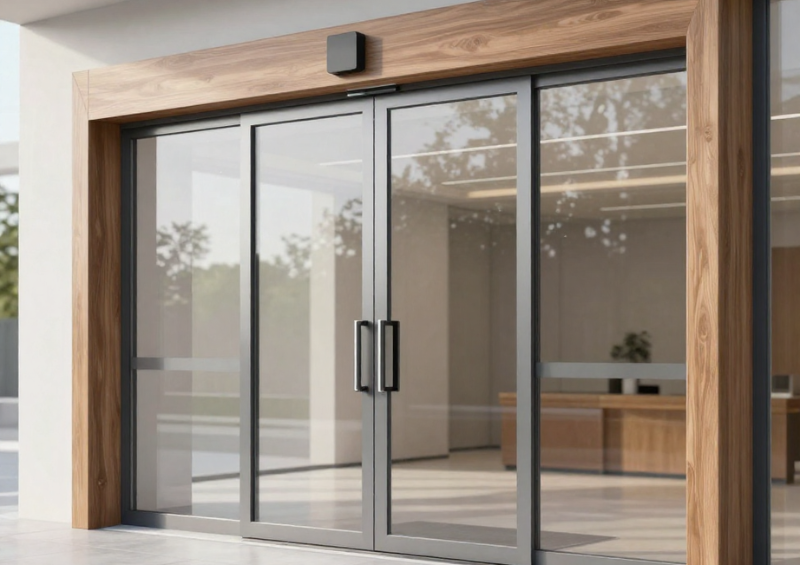
When designing or upgrading an Automatic Sliding Door, most people focus on the motor, sensors, or control system. While these components are critical, one equally important factor is often overlooked—the door leaf material.
The door leaf is the physical panel that moves along the track, and its material directly influences performance, durability, energy efficiency, and user experience. From lightweight glass panels to heavy steel doors, the material you choose can determine how smoothly your automatic sliding door operates and how long it lasts.
In this comprehensive guide, we’ll explore different door leaf materials, their characteristics, and how they impact automation systems in real-world applications.
What is a Door Leaf in an Automatic Sliding Door?
In an Automatic Sliding Door, the door leaf refers to the panel (or panels) that slide horizontally to open and close. These panels are connected to the motorized track system and guided by rollers.
Key Functions of the Door Leaf:
- Provides physical access control
- Contributes to insulation and energy efficiency
- Affects overall system weight and balance
- Impacts aesthetics and user experience
Choosing the right material is essential for ensuring optimal performance and compatibility with the automation system.
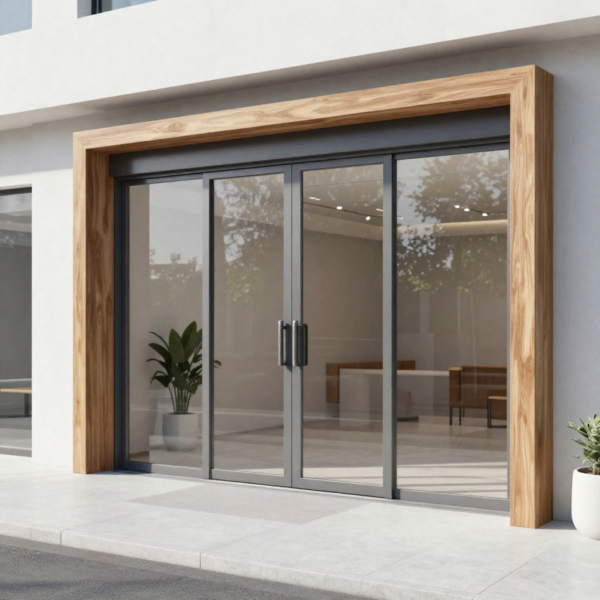
How Door Leaf Materials Affect Automatic Sliding Door Performance
The performance of an Automatic Sliding Door is not determined solely by its motor or control system—the door leaf material plays a critical role in how the entire system behaves over time. Every material introduces different physical properties such as weight, rigidity, friction, and thermal behavior, all of which directly impact automation.
Weight and Load Distribution
One of the most important factors is weight. Heavier door leaves place greater demand on the motor, rollers, and track system. This can lead to:
- Increased energy consumption
- Faster wear on mechanical components
- Reduced operational lifespan
For example, a steel door leaf may provide excellent security but requires a high-torque motor to function efficiently. In contrast, lightweight materials like aluminum or glass composites allow for smoother operation with less strain on the system.
Proper load distribution is equally important. Uneven weight can cause misalignment, leading to jerky motion or premature failure of rollers and tracks.
Friction and Movement Efficiency
Different materials interact differently with track systems. The surface finish, rigidity, and structural design of the door leaf influence how smoothly it slides.
- Lightweight aluminum and glass systems tend to glide more easily
- Heavier materials may require reinforced tracks and rollers
- Poor material selection can result in increased friction and noise
In high-traffic environments such as shopping centers or airports, smooth operation is essential to maintain efficiency and user satisfaction.
Structural Stability and Flexibility
Some materials are more rigid, while others offer flexibility. A door leaf that is too flexible may warp over time, especially under temperature changes or heavy usage.
For instance:
- Glass panels require strong framing to maintain stability
- Wooden doors may expand or contract due to humidity
- Composite materials offer better dimensional stability
A stable structure ensures that the Automatic Sliding Door maintains alignment and operates consistently.
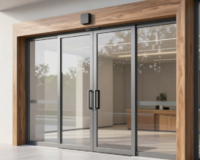
Glass Door Leaves: Modern and Versatile
Glass door leaves are widely used in modern Automatic Sliding Door systems, particularly in commercial and high-end residential settings. However, their impact on automation goes beyond aesthetics.
Weight vs Transparency Balance
While glass appears light and minimal, it can be surprisingly heavy—especially when using laminated or double-glazed panels. This means the automation system must be carefully calibrated to handle the load without compromising speed or efficiency.
Safety Enhancements
Modern glass doors are typically made from tempered or laminated glass, which improves safety by preventing dangerous shattering. This is essential in high-traffic areas where user safety is critical.
Automation Compatibility
Glass doors work exceptionally well with automatic systems because they:
- Provide smooth sliding motion
- Integrate easily with frameless designs
- Allow precise sensor detection due to clear visibility
However, proper alignment and high-quality rollers are crucial to prevent vibration or misalignment.
Energy Efficiency Considerations
Glass alone is not the best insulator, but advancements such as double glazing and low-emissivity coatings have improved thermal performance. These features are important in climate-controlled environments.
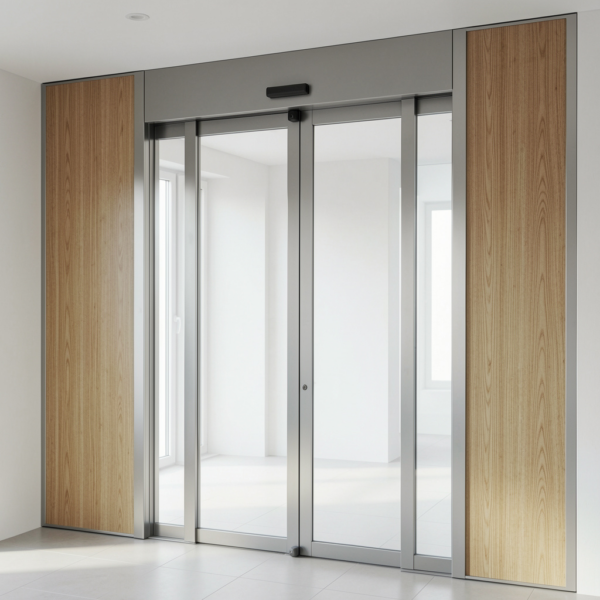
Aluminum Door Leaves: Lightweight and Durable
Aluminum is one of the most commonly used materials in Automatic Sliding Door systems due to its versatility and performance benefits.
Lightweight Advantage
Aluminum’s lightweight nature significantly reduces the load on automation components. This allows for:
- Smaller, more energy-efficient motors
- Faster opening and closing speeds
- Reduced wear on tracks and rollers
This makes aluminum ideal for high-frequency use environments.
Corrosion Resistance
Unlike steel, aluminum does not rust, making it suitable for outdoor installations or areas with high humidity. This ensures long-term reliability with minimal maintenance.
Design Flexibility
Aluminum frames can support various infill materials, including glass, panels, or composites. This flexibility allows designers to balance aesthetics with functionality.
Thermal Limitations
One drawback is that aluminum is not a strong insulator. However, modern systems often include thermal breaks to improve energy efficiency.
Steel Door Leaves: Strength and Security
Steel door leaves are commonly used in industrial and high-security applications where strength is a priority.
Impact on Automation Systems
Due to their weight, steel doors require:
- High-powered motors
- Reinforced tracks and rollers
- Strong support structures
This increases both installation cost and energy consumption.
Durability and Security
Steel provides unmatched durability and resistance to forced entry. For warehouses, factories, and secure facilities, this makes it an ideal choice.
Operational Considerations
However, the increased weight can lead to:
- Slower operation speeds
- Higher noise levels
- Greater mechanical stress
Proper system design is essential to ensure smooth operation.
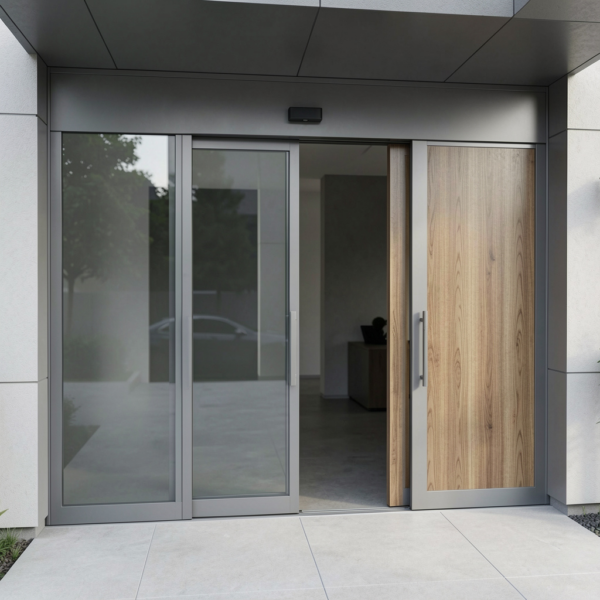
Wooden Door Leaves: Aesthetic Appeal and Insulation
Wooden door leaves offer a unique aesthetic, but they introduce specific challenges in Automatic Sliding Door systems.
Environmental Sensitivity
Wood reacts to changes in temperature and humidity, which can cause expansion or contraction. This may lead to:
- Misalignment
- Increased friction
- Reduced automation efficiency
Weight and Maintenance
Wood is generally heavier than aluminum and requires regular maintenance to prevent warping or damage.
Best Use Cases
Wood is best suited for interior applications where environmental conditions are controlled.
Composite Materials: The Best of Multiple Worlds
Composite materials are becoming increasingly popular in Automatic Sliding Door systems due to their balanced properties.
Strength-to-Weight Ratio
Composites offer high strength while remaining relatively lightweight, reducing strain on automation systems.
Environmental Resistance
They are resistant to moisture, temperature changes, and corrosion, making them ideal for outdoor use.
Energy Efficiency
Many composite materials provide excellent insulation, improving overall building efficiency.
Cost Consideration
While more expensive, composites offer long-term value through durability and reduced maintenance.
PVC and uPVC Door Leaves: Cost-Effective Solutions
PVC and uPVC are widely used in residential applications.
Advantages:
- Lightweight and affordable
- Good insulation properties
- Moisture-resistant
Disadvantages:
- Less durable than metal options
- Limited design flexibility
Impact of Material Weight on Automation Systems
The relationship between door leaf weight and automation performance is critical.
Motor Selection
Heavier doors require motors with higher torque. Choosing the wrong motor can result in:
- Slow operation
- Overheating
- System failure
Energy Consumption
Lighter materials reduce power usage, making the system more energy-efficient.
Wear and Tear
Weight directly affects the lifespan of:
- Rollers
- Tracks
- Motor components
A well-balanced system ensures long-term reliability.
Energy Efficiency and Insulation
Door leaf materials significantly influence the thermal performance of an Automatic Sliding Door.
Insulating Materials
Wood, composite, and uPVC provide better insulation, reducing energy loss.
Glass and Aluminum Solutions
To improve efficiency, these materials can incorporate:
- Double glazing
- Thermal breaks
- Sealing systems
Energy-efficient doors contribute to lower operational costs and improved comfort.
Safety Considerations
Safety is a top priority in Automatic Sliding Door systems.
Important Factors:
- Impact resistance
- Shatterproof materials
- Fire resistance
- Compliance with safety standards
Choosing the right material enhances user protection.
Maintenance Requirements by Material
Different materials require different levels of maintenance.
- Glass: Regular cleaning
- Aluminum: Minimal maintenance
- Steel: Anti-corrosion treatment
- Wood: Sealing and protection
- PVC: Occasional cleaning
Proper maintenance extends system lifespan.
Choosing the Right Material for Your Application
Consider the following:
- Location (indoor vs outdoor)
- Traffic level
- Security needs
- Budget
- Aesthetic preferences
A well-informed choice ensures optimal performance.
Future Trends in Door Materials
The future of Automatic Sliding Door materials includes:
- Smart glass technology
- Sustainable materials
- Lightweight composites
- Enhanced durability coatings
These innovations will improve efficiency and user experience.
Want to choose the right system?👉 Read this guide on automatic sliding door kits for your home
Best Practices for Optimal Performance
- Match material with motor capacity
- Ensure proper installation
- Perform regular maintenance
- Choose high-quality materials
Conclusion: The Right Material Makes All the Difference
The choice of door leaf material has a significant impact on the performance, durability, and efficiency of an Automatic Sliding Door system.
By understanding the strengths and limitations of each material, you can make informed decisions that enhance both functionality and aesthetics.
Investing in the right material ensures a smoother, safer, and more reliable automatic sliding door system for years to come.