Designing an efficient and professional entrance for a boutique office with limited frontage can be challenging. It could be a consulting firm, creative studio, or small wellness clinic. In these spaces, first impressions matter just as much as functionality. That’s where an automatic entry system for small offices becomes a game-changer.
Rather than compromising on accessibility or aesthetics, modern entry automation allows businesses to optimise both. With the right system, you can streamline foot traffic and create a welcoming client experience – all without major structural changes. In this guide, we’ll explore the common challenges small offices face and how smart entry solutions can overcome them.
The Real Challenges of Boutique Office Entrances
Boutique offices often operate within spatial and structural constraints that larger commercial buildings don’t face. These limitations require smarter planning for entry systems.
- Limited physical space at entry points
Narrow shopfronts or tight building layouts often leave little room for traditional door swings. This restricts the types of doors that can be installed and can make standard entry solutions impractical. As a result, businesses must look for compact, space-efficient alternatives that still provide smooth access.
- High foot traffic in compact zones
In small offices, the entry area frequently doubles as a waiting or reception space. Staff, clients, and visitors often converge in a confined area, leading to congestion during peak times. Without an efficient entry system, this can quickly disrupt workflow.
- Balancing security with accessibility
Boutique offices need to maintain a secure environment without complicating entry. Clients should feel welcomed, not restricted. Achieving the right balance between controlled access and ease of entry is a key challenge in shared or multi-tenant buildings.
- Aesthetic expectations for client-facing businesses
Unlike industrial or warehouse settings, boutique offices rely heavily on visual appeal. The entrance must reflect the brand – whether that’s sleek and modern or warm and inviting. Bulky or outdated entry systems can undermine the overall design of the space.
- Compliance with accessibility standards
Ensuring that all clients, including those with mobility challenges, can access the premises is essential. However, retrofitting accessibility features into a small space without major renovations can be difficult without the right automation solution.

Smart Entry Solutions Designed for Tight Spaces
When working with limited frontage, selecting the right automatic entry system for small office environments is all about making smart use of space without sacrificing performance or design. Each solution below offers unique advantages depending on layout, traffic flow, and aesthetic goals.
Sliding Automatic Doors: Seamless Access Without Swing Space
Sliding automatic doors are a go-to solution for boutique offices with narrow entryways. Because they operate laterally, they eliminate the need for swing clearance, making them ideal for tight frontages or offices positioned directly along busy footpaths.
Beyond space efficiency, they also provide a smooth and intuitive user experience. Staff and visitors can enter and exit without interruption, which helps maintain steady traffic flow even during peak periods. For many businesses, this makes sliding systems one of the most practical choices for a compact automatic entry system for small office setups.
Bi-Fold Automatic Doors: Clever Folding for Narrow Entrances
Bi-fold automatic doors are designed to fold in sections as they open, reducing the amount of space required compared to traditional swing doors. This makes them particularly useful in situations where there isn’t enough wall space for sliding doors but swing clearance is still limited.
They strike a balance between functionality and visual appeal, offering a modern look while solving spatial challenges. For boutique offices seeking a distinctive yet practical entrance, bi-fold systems are a smart alternative to an automatic entry system for small office design.
Swing Door Automation Kits: Retrofit-Friendly Upgrades
For offices with existing doors, swing door automation kits provide a flexible and cost-effective upgrade path. These systems can be retrofitted to existing doors, enabling automatic operation without a full replacement.
This is especially valuable for small businesses looking to enhance accessibility and convenience while keeping renovation costs under control. As part of an automatic entry system for small office, retrofit solutions allow for modernisation without major structural changes.
Frameless Glass Automatic Doors: Maximising Light and Space
Frameless glass automatic doors are ideal for boutique offices that prioritise aesthetics and openness. By removing bulky frames and allowing natural light to flow through, they create a sense of spaciousness.
This visual openness can make a small office feel larger and more inviting, which is particularly important for client-facing businesses. When paired with automation, they deliver both style and functionality, making them a popular choice for a design-focused automatic entry system for small office.
What Makes a Great Compact Entry Automation System?
The right automatic entry system for small office setups helps maximise performance, safety, and user experience within that space.
- Compact motor and mechanism design
In small offices, every centimetre counts. Entry systems should feature slimline motors and discreet mechanisms that integrate seamlessly into the building structure. Bulky overhead units can detract from the visual appeal and may not even fit within limited ceiling or wall space.
- Quiet operation
Noise can be highly disruptive in professional environments, especially in offices where meetings, consultations, or focused work take place. A high-quality system should operate quietly and smoothly, ensuring minimal disturbance to staff and clients.
- Smart access integration
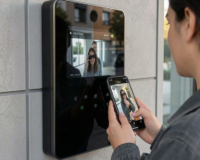
Modern entry systems should easily integrate with access control technologies such as keypads, RFID cards, intercoms, or mobile apps. This allows businesses to customise access levels and improve overall security without adding complexity.
- Safety sensors and obstacle detection
In compact entry areas, safety is critical. Advanced sensors ensure that doors don’t close on people or objects, reducing the risk of accidents. This is particularly important in high-traffic environments where movement is constant.
- Energy efficiency and insulation
Street-facing offices are often exposed to external weather conditions. An efficient automatic entry system helps maintain indoor temperature by minimising air exchange, thereby reducing energy costs and improving occupant comfort.
- Customisable opening speeds and timings
Different offices have different traffic patterns. Being able to adjust how quickly doors open and close – or how long they stay open – allows businesses to fine-tune performance based on real-world usage.
Real-World Benefits for Boutique Office Environments
The right automatic entry system for small office doesn’t just solve spatial challenges – it transforms how the space functions day-to-day.
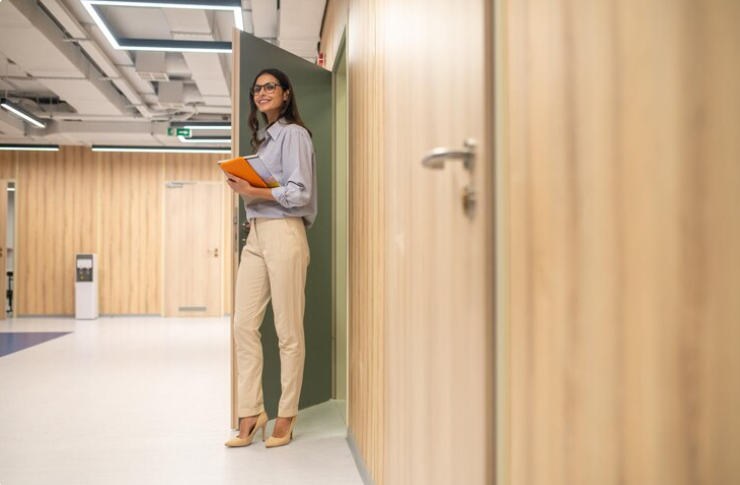
For client-facing service offices, such as consultancies or agencies, small office automatic doors create a seamless, professional first impression. Clients can enter effortlessly, without awkward door handling or waiting. This small detail contributes significantly to perceived professionalism and customer experience.
In medical or wellness boutique clinics, hygiene and accessibility are top priorities. Hands-free entry reduces physical contact, supporting a cleaner environment for both patients and staff. It also makes access easier for individuals with mobility issues, prams, or medical equipment.
Creative studios and co-working spaces benefit from improved flow and flexibility. With multiple users coming and going throughout the day, an automated system ensures smooth entry without interruptions. It also supports modern, tech-forward branding – something that’s especially important in creative industries.
Across all these scenarios, the common advantages are clear: better space utilisation, improved efficiency, and a more polished user experience.
Connecting Entry Systems to Smarter Office Ecosystems
An automatic entry system for small office environments becomes even more powerful when integrated into a broader smart office ecosystem. Rather than functioning as a standalone feature, it can work in harmony with other systems to create a fully connected workspace.
Access control systems allow businesses to manage who enters the premises and when. This is particularly useful for offices with multiple staff members, flexible working hours, or restricted areas. Integration ensures that doors respond intelligently to authorised credentials.
Security and surveillance systems can also be linked to entry automation. For example, doors can trigger cameras or alerts when accessed, providing an added layer of protection. This is especially valuable for offices handling confidential information or expensive equipment.
Lighting and HVAC systems can be automated alongside entry points. Doors can trigger lighting when opened or adjust air conditioning to maintain efficiency. This contributes to both energy savings and a more comfortable environment.
Technologies such as Z-Wave, KNX, and Wi-Fi-based platforms enable seamless communication between devices. With centralised control, businesses can monitor and manage their entire system remotely – whether it’s adjusting settings, checking access logs, or performing maintenance checks.
Importantly, these systems are scalable. As a business grows, additional features and integrations can be added without replacing the core infrastructure.

How to Choose the Right Automatic Entry System For Small Office
Selecting the ideal automatic entry system for small office environments requires careful consideration of several practical factors. Every office is different, so the solution should be tailored to specific needs.
- Available frontage and structural constraints
Before choosing a system, it’s essential to accurately measure the entry space. This includes width, height, and surrounding wall areas. These measurements will determine whether sliding, bi-fold, or swing systems are most suitable.
- Level of automation required
Some offices may only need basic automation for convenience, while others require advanced access control and integration. Understanding the level of functionality needed helps avoid over- or under-investing in the system.
- Frequency of use and traffic flow
High-traffic offices require durable systems designed for frequent operation. Choosing a system that matches usage demands ensures longevity and reduces maintenance issues over time.
- Security requirements
Consider whether the office needs open access, restricted entry, or a combination of both. For example, a retail-facing office may prioritise convenience, while a consultancy handling sensitive data may require stricter access control.
- Aesthetic alignment with office branding
The entry system should complement the overall design of the office. Materials, finishes, and configurations should align with the brand’s identity, whether that’s modern, minimalist, or more traditional.
- Installer expertise and system compatibility
Working with experienced installers ensures that the system is set up correctly and integrates smoothly with existing infrastructure. Compatibility with current or future smart systems should also be considered to allow for an office entrance upgrade.
In Summary,
Limited frontage doesn’t have to mean limited capability. With the right automatic entry system for small office environments, businesses can achieve functionality, style, and efficiency. Sliding and bi-fold doors, smart integrations and compact designs are modern solutions built to overcome spatial constraints without compromise. They improve accessibility and elevate the overall professionalism of the space.
For installers and SMB owners alike, investing in a well-designed entry system is more than just a practical upgrade. It helps enhance both user experience and long-term scalability.
Explore DHS automatic door solutions or connect with an installer partner today to find the right fit for your space!