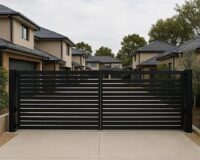

Allied health clinics, including physiotherapy and rehabilitation centres, podiatry and occupational therapy clinics, are fast-paced environments. Here, accessibility, hygiene, and efficiency must work together seamlessly. Managing patient movement is critical for the quality of care and operational performance.
This is where automatic doors for allied health clinics play a vital role. An effective door system enables hands-free access, improves traffic flow, and supports compliance requirements. In this guide, we explore how the right door automation solution can transform how clinic environments operate.
Understanding the Unique Access Challenges in Allied Health Clinics
Allied health clinics cater to a diverse range of patients, each with different mobility needs and care requirements. This creates challenges in effectively managing entry and exit points.
- Mobility limitations
Many patients attending allied health clinics are recovering from injuries or living with temporary or permanent mobility impairments. This often means they rely on wheelchairs or carer assistance. Heavy or manual healthcare accessibility doors can make entry difficult, slow it down, or even be unsafe. In some cases, patients may need to wait for help just to enter the building.
- Hands-free entry requirements
In a busy clinical environment, both staff and patients frequently carry treatment equipment and medical supplies. For practitioners, this may include tools required for immediate patient care. Meanwhile, patients may be managing personal belongings or mobility aids. Opening doors manually in these situations is inconvenient.
- Infection control concerns
Hygiene is a top priority in any healthcare setting. Door handles and push plates are among the most frequently touched surfaces. They become potential hotspots for bacterial and viral transmission. In clinics with high patient turnover, this risk increases significantly. Reducing physical contact through automated entry helps support infection control protocols.
- Peak-time congestion
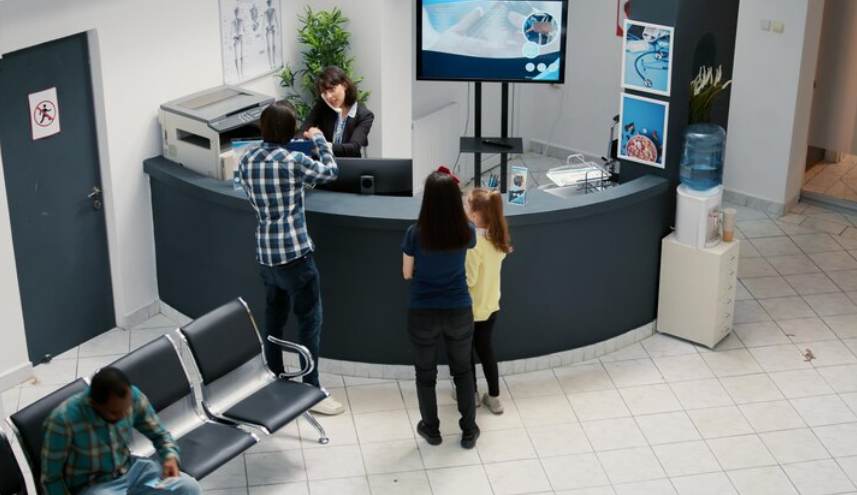
Allied health clinics often operate on tight schedules, with appointments booked throughout the day. During peak periods, multiple patients may arrive or leave simultaneously. This can lead to crowding around entrances and delays in check-ins. Narrow doorways or slow manual access can further worsen the situation.
- Mixed user groups
Unlike many other environments, allied health clinics serve a broad mix of users. This includes elderly patients who may require extra time and care, children who may move unpredictably, and staff moving quickly. Each group has different expectations regarding safety, speed, and ease of access. Designing an entry system that accommodates all these needs can be challenging.
Choosing the Right Automatic Doors For Allied Health Clinics
The right door system depends on your clinic’s layout, traffic patterns, and compliance requirements. A well-matched solution ensures both functionality and long-term reliability.
Different types of automatic doors for allied health clinics include:
- Sliding automatic doors
Sliding doors are one of the most popular choices for healthcare environments. They come with a space-saving design and smooth operation. They open horizontally, so they don’t require clearance space in front of or behind the door. This is ideal for narrow entrances or compact reception areas.
Also, this design allows for continuous, unobstructed movement. Therefore, it is easier for patients using mobility aids to enter and exit without hesitation.
- Swing automatic doors
Swing doors are a practical solution for clinics looking to automate existing entryways without major renovations. These doors operate similarly to traditional hinged doors but are fitted with automation systems. They are particularly useful for internal spaces, such as consultation rooms or smaller clinics. In these spaces, the door swing allows clearance.
- Bifold or telescopic doors
Bifold and telescopic doors are designed for situations where space is limited, but still requires a wider opening. Bifold doors fold in sections, while telescopic doors use sliding panels that stack to one side. Both options maximise the usable opening width. This makes them ideal for clinics with tight entry points or where accommodating larger equipment is challenging.
- Touchless sensor doors
Touchless doors use motion sensors or presence detection technology to automatically open when someone approaches. This eliminates the need for physical interaction. These automatic doors for allied health clinics can be fine-tuned for sensitivity and speed, ensuring they respond to different users – from fast-moving staff to slower-moving patients.
How Automatic Doors Improve Patient Flow and Clinic Efficiency
Efficient patient movement is essential in any healthcare setting. Delays at entry points can impact staff productivity and create unnecessary stress for patients.
By installing automatic doors for allied health clinics, facilities can significantly reduce entry friction. This is particularly valuable during peak periods, where smooth transitions help prevent congestion.
Clinic automatic doors also streamline staff workflows. Instead of assisting patients with doors or navigating around crowded entryways, staff can focus on delivering care. Over time, this contributes to operational efficiency and a more professional clinic environment.
In emergency situations, doors can open quickly and unobstructed, supporting safe and efficient evacuation. This combination of speed, convenience, and reliability makes automated access a key component of a modern clinic.
Boosting Safety, Hygiene, and Compliance in Healthcare Settings
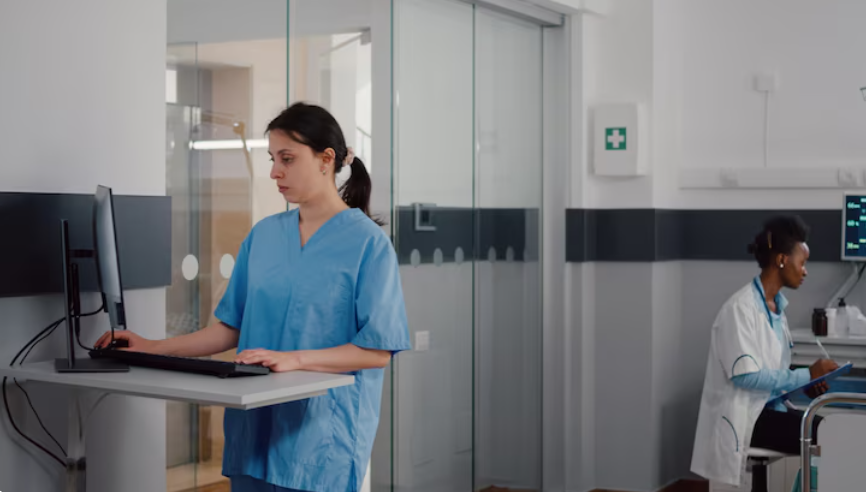
Safety and hygiene are non-negotiable in allied health clinics. Automatic doors for allied health clinics support these priorities in several important ways.
- Touchless operation for infection control
By removing touch door handles or push plates, automatic doors significantly reduce the spread of germs. This is especially important in environments where patients may have weakened immune systems or are undergoing treatment for injuries and conditions.
- Compliance with accessibility standards
Healthcare facilities are required to meet accessibility regulations. Automatic doors help provide barrier-free entry for people with disabilities or mobility challenges. Appropriate opening widths, smooth operation, and easy navigation contribute to a more inclusive environment.
- Obstacle detection and safety sensors
Modern automatic doors for allied health clinics are equipped with advanced safety features that detect people or objects. These sensors prevent the door from closing if something is in the way. This is particularly important in clinics where patients may move slowly or unpredictably.
- Controlled access zones
Not all areas within a clinic should be accessible to everyone. Automatic doors can be integrated with access control systems to restrict entry to certain zones, such as staff-only areas. This helps maintain privacy and protect sensitive equipment.
- Fire safety integration
In the event of an emergency, automatic doors can be programmed to respond according to fire safety protocols. This may include automatically opening to allow for quick evacuation or integrating with alarm systems to ensure safe exit routes.
Integrating Automatic Doors with Smart Access and Security Systems
Modern clinics rely on integrated systems to manage operations efficiently. Automatic doors can be seamlessly connected with access control and building automation platforms to enhance both security and convenience.
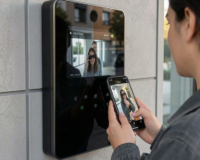
For example, clinics can integrate door systems with keypads, RFID access cards, or mobile credentials to control who can enter specific areas. This ensures that only authorised staff can access restricted zones.
Integration with automation platforms such as Z-Wave or KNX allows for centralised control of multiple systems, including lighting, security, and climate. This creates a more responsive and efficient clinic environment.
Solutions from Beninca and Nice are designed with scalability in mind. They are suitable for both small practices and larger multi-room facilities. Clinic managers can also benefit from remote monitoring, allowing them to oversee access and performance in real time.
This level of integration ensures that automatic doors for allied health clinics are not standalone features, but part of a broader smart infrastructure.
Key Design Considerations for Allied Health Clinic Installations
Choosing the right automatic doors for allied health clinics requires careful planning to ensure long-term performance and usability.
- Space and layout constraints: Every clinic has a unique layout, and the available space will heavily influence the type of door system. Narrow corridors, small reception areas, or unusual building configurations may limit certain options.
- Traffic volume and peak usage times: Understanding how many people move through the clinic – and when – is essential. High-traffic clinics require durable, fast-operating doors that can open and close frequently.
- Door speed and sensor sensitivity: The speed at which a door opens and closes, and the speed at which sensors respond, must be calibrated. Doors that open too slowly can cause delays, while overly sensitive sensors may lead to unnecessary operation.
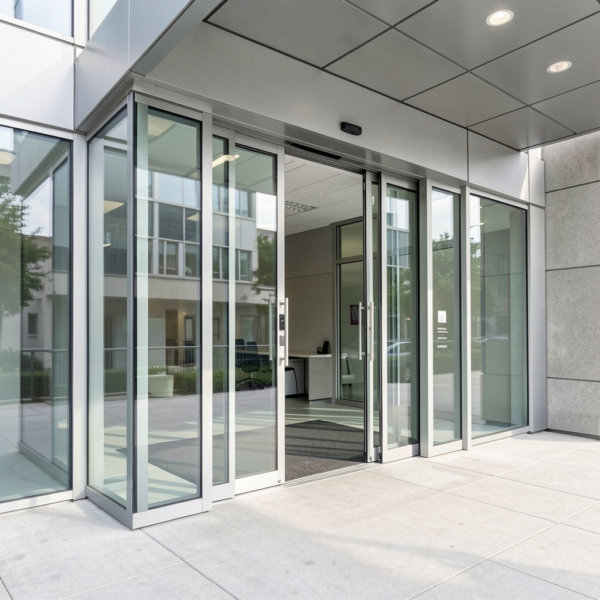
- Aesthetic integration: The door system’s appearance should align with the clinic’s overall design and branding. A clean, modern patient flow entrance can enhance first impressions and create a welcoming atmosphere. Materials, finishes, and design details all play a role in achieving this.
- Noise levels and patient comfort: Quiet operation is essential in healthcare environments. Noisy door mechanisms can be disruptive, particularly in waiting areas or treatment rooms. Choosing systems designed for low noise output.
- Power backup and reliability: Reliable operation is critical, especially in healthcare settings where access must be maintained at all times. Backup power solutions ensure that doors continue to function during outages.
- Future scalability: As clinics grow or expand their services, their infrastructure needs may change. Choosing a system that can be upgraded or integrated with additional automation features.
In Summary,
As healthcare environments continue to evolve, the demand for smarter infrastructure will only grow. Automatic doors for allied health clinics are a key part of this transformation, offering a practical solution to challenges around clinic environments.
By improving hygiene, reducing congestion, and supporting compliance requirements, automatic doors for allied health clinics enhance both patient experience and operational efficiency. They also provide a foundation for broader integration with smart building technologies.
Investing in reliable solutions from trusted providers like Beninca and Nice ensures long-term performance. For clinics seeking to create a safer and more accessible environment, automated door systems are a smart, strategic choice.