Modern security systems are no longer isolated devices working independently. Instead, they operate as interconnected networks of multiple technologies to detect threats, verify incidents, and respond quickly. One of the most effective combinations in modern security architecture is access control integration with intrusion detection and audible alarm systems.
By connecting access control systems with intrusion sensors and an outdoor siren, security integrators can create automated responses. This integrated approach not only strengthens physical security but also improves operational awareness.
From commercial buildings to warehouses and industrial facilities, integrated security systems ensure a coordinated response. When properly configured, access violations or intrusion events can instantly activate alarms. In this guide, we explore how outdoor sirens operate within integrated security environments and why combining these technologies yields more effective protection.
Understanding Access Control Integration in Security Architecture
Security infrastructure has evolved far beyond simple door locks and standalone alarms. Today’s systems rely heavily on access control integration to connect entry management with broader security monitoring tools.
Access control systems are responsible for managing who can enter a space, when they can enter, and how their activity is recorded. These systems authenticate users, grant or deny entry permissions, and log access events for auditing and security review.
Common access control devices include:
- Card readers used with RFID or proximity cards
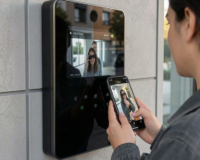
- Biometric scanners that verify fingerprints or facial recognition
- Keypad entry systems requiring PIN codes
- Mobile credential platforms allowing smartphone-based authentication
On their own, these devices effectively manage building entry. However, their true power comes when they are integrated with other security components.
Through access control integration, these systems connect with intrusion detection devices, surveillance cameras, and alarm systems. This connection allows security events to trigger automated responses.
For example, if someone attempts to open a secured door without valid credentials, the system can immediately activate alarms, send alerts to monitoring platforms, and record the incident in the security log.
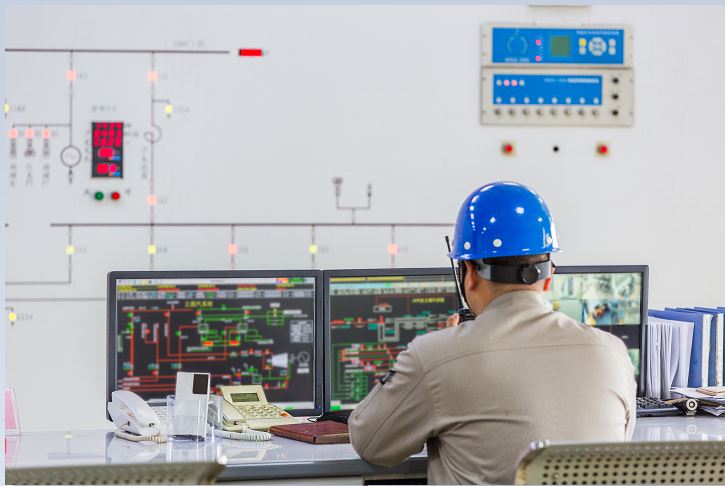
This integrated design allows security professionals to implement event-based responses, automated alarms, and centralised monitoring. By linking access control events to audible alerts, such as an outdoor siren, facilities gain a rapid, highly visible deterrent during unauthorised access attempts.

The Role of Outdoor Sirens in Integrated Security Systems
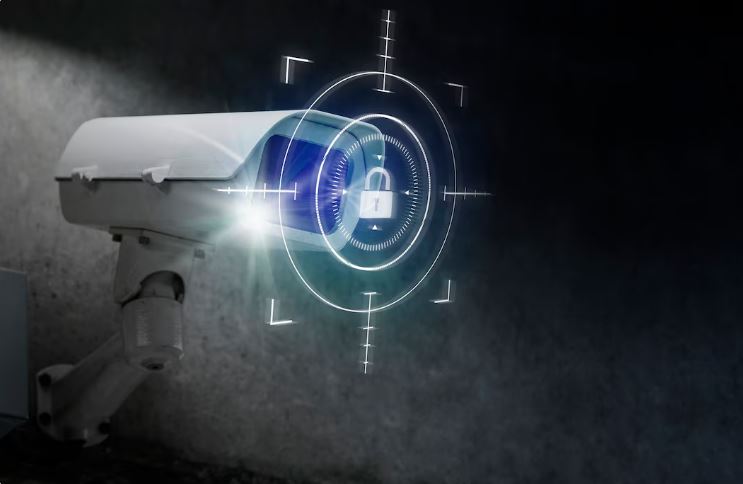
Despite the growing sophistication of digital monitoring platforms, audible alarms remain a crucial component of physical security systems. An outdoor siren provides an immediate and unmistakable signal that a security breach has occurred.
Audible deterrence has long been recognised as one of the most effective methods for discouraging criminal activity. When a loud siren activates, it draws attention to the incident and signals that the location is actively monitored. Intruders often abandon attempts once they realise an alarm has been triggered.
Beyond deterrence, outdoor sirens also improve situational awareness. A loud alarm immediately alerts security personnel, staff, and occupants to a potential security incident. In many cases, neighbouring businesses or properties will also notice the alarm, increasing the likelihood that the event will be investigated quickly.
In an access control integration system, sirens often serve as secondary verification signals. When intrusion detection sensors identify suspicious activity, the alarm confirms that the event has escalated into a verified security alert.
Outdoor sirens are commonly deployed in environments such as:
- Commercial office buildings
- Warehouses and distribution centres
- Industrial facilities
- Large residential properties
When combined with access control integration and intrusion detection, sirens activate only upon verified security events. This reduces unnecessary noise while ensuring alarms sound immediately in response to genuine threats.
How Intrusion Detection Systems Trigger Siren Responses
Integrated security systems rely on multiple sensors working together to identify threats and activate alarms. The relationship between intrusion detection devices and an outdoor siren typically follows a structured event workflow.
Below are common triggers and how they activate siren responses.
- Door and window sensors
These sensors detect when entry points are opened unexpectedly. If a door or window is accessed without proper credentials or outside authorised hours, the system flags it as a potential intrusion.
- Motion sensors
Motion detectors monitor restricted areas after business hours. If movement is detected when the system is armed, the intrusion detection platform may trigger the alarm sequence.
- Shock or vibration sensors
These devices detect forced-entry attempts by sensing impacts or vibrations on doors, gates, or windows.
- Glass break sensors
Designed to detect the sound frequency of breaking glass, these sensors respond instantly when intruders attempt to smash windows.
- Perimeter sensors
Fence-mounted sensors, beam detectors, or gate monitoring devices detect activity at property boundaries before intruders reach the building.
Typical event workflow:
- An intrusion sensor detects an anomaly
- An access control system checks for authorised entry
- The system identifies the event as unauthorised
- The control hub sends a command to the alarm system
- The outdoor siren activates as a loud deterrent
This layered approach significantly improves security reliability. By combining multiple data points via access control integration, the system verifies events before triggering alarms, reducing false alerts and ensuring sirens activate only when necessary.
Benefits of Integrating Outdoor Sirens with Access Control
For security integrators and monitoring providers, connecting sirens to access control systems offers several operational advantages. Integrated systems not only improve security performance but also streamline incident management.
When an outdoor siren is connected through access control integration, alarm responses become faster, more accurate, and more informative.
Some of the key benefits include:
- Immediate audible deterrence: Loud alarms often cause intruders to abandon their attempts instantly.
- Faster on-site response: Staff members hear alarms immediately, without waiting for notifications from the monitoring centre.
- Improved incident visibility: Sirens combined with strobe lights clearly indicate where a security breach has occurred.
- Reduced false alarm escalation: Integrated systems verify events across multiple sensors before triggering alarms.
- Better compliance with security standards: Many commercial and industrial facilities require layered alarm notification systems.
- Scalable security architecture: Integrators can expand systems by adding additional sensors and sirens across larger sites.
- Enhanced monitoring integration: All events can be logged and tracked through centralised security platforms for auditing and incident review.
These benefits make integrated siren systems particularly valuable for large properties and commercial environments. By combining access control integration, intrusion detection, and audible alarms, organisations gain a coordinated security response that improves protection and operational efficiency.
Vision Z-Wave Outdoor Siren in Smart Security Systems
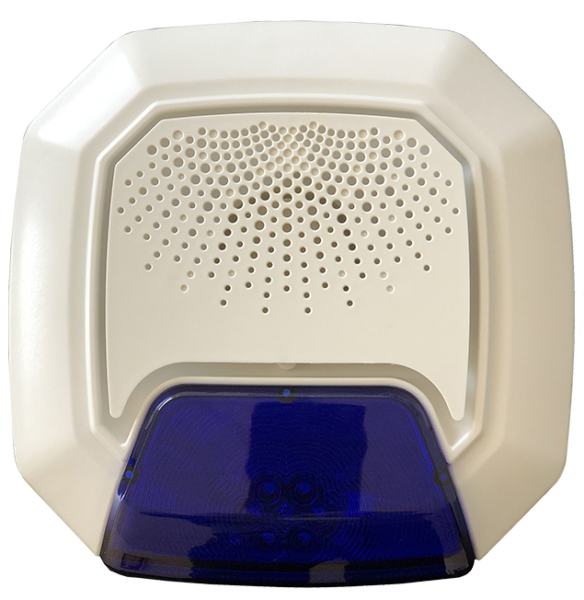
In modern wireless security environments, devices designed for seamless access control integration play an important role in simplifying deployments. The Vision Z-Wave Outdoor Siren is one example of a device designed specifically for smart security systems.
Using Z-Wave wireless technology, this siren can be easily integrated into automation and security platforms without additional cabling. This flexibility makes it well-suited for environments where security layers need to be added quickly or expanded over time.
Key features include:
- 115 dB siren output: Produces a powerful audible alert capable of covering large outdoor areas.
- Bright flashing strobe light: Adds visual signalling to help identify alarm events, particularly at night or in large facilities.
- Z-Wave Plus wireless connectivity: Compatible with major Z-Wave gateway controllers used in smart home and commercial automation systems.
- IP66 weatherproof design: Built to withstand harsh outdoor conditions, making it suitable for demanding Australian environments.
- Battery-powered operation: Uses four D batteries with an estimated lifespan of up to two years.
- Tamper detection alerts: Notifies the control system if the device is disturbed or removed.
- Low battery notification: Ensures maintenance teams are alerted when batteries require replacement.
The siren can be paired with a wide range of security devices, including:
- Door and window sensors
- Motion detectors
- Flood sensors
- Panic buttons
It also integrates with controllers such as Fibaro Home Center, HomeSeer, and Alarm.com security panels.
Because it operates wirelessly, integrators can deploy additional outdoor alarm layers quickly without running new cables. This flexibility makes the Vision Z-Wave siren an efficient addition to modern access control integration and intrusion detection systems.
Best Practices for Integrators Deploying Siren-Integrated Systems
Designing an effective security system requires more than simply installing devices. Proper planning and configuration ensure that sirens activate reliably and deliver maximum deterrence when needed.
Security integrators should carefully consider placement, detection layers, and alarm workflows when deploying siren-integrated systems.
Some key best practices include:
- Strategic siren placement – Install sirens where sound can travel to main entry points and open areas, while avoiding obstructions from walls, heavy equipment, or structural barriers.
- Integrate multiple detection layers – Combine motion sensors, door sensors, and perimeter detection devices to verify intrusion events before activating alarms.
- Configure escalation rules – Systems should delay siren activation until the event is confirmed. For example, a siren may activate after an access control failure combined with sensor activity.
- Use visual indicators – Strobe lights improve visibility during alarm events, helping occupants and security staff quickly identify the affected location.
- Ensure redundancy – Large sites may require multiple sirens to ensure audible coverage across all buildings and outdoor areas.
- Test alarm sequences regularly – Routine testing ensures sensors trigger correctly and communication between devices and control hubs remains reliable.
By following these practices, security installers can maximise the effectiveness of integrated alarm systems. A well-designed deployment ensures that access control integration, intrusion detection, and siren responses operate as a coordinated security strategy.
To Conclude,
Security systems are most effective when multiple technologies work together. Combining access control integration, intrusion detection, and audible alarms creates a layered security strategy.
An outdoor siren remains one of the most powerful physical deterrents in modern security environments. It ensures that potential intruders are quickly discouraged while staff and security teams are notified of incidents.
Wireless technologies are also making it easier than ever to deploy integrated security solutions across both residential and commercial environments. Devices like the Vision Z-Wave Outdoor Siren provide a reliable and flexible alarm layer that integrates seamlessly with sensors, access control platforms, and smart security controllers.
Explore the full range of smart security solutions available through Digital Home Systems and discover how integrated technologies can enhance modern protection strategies!